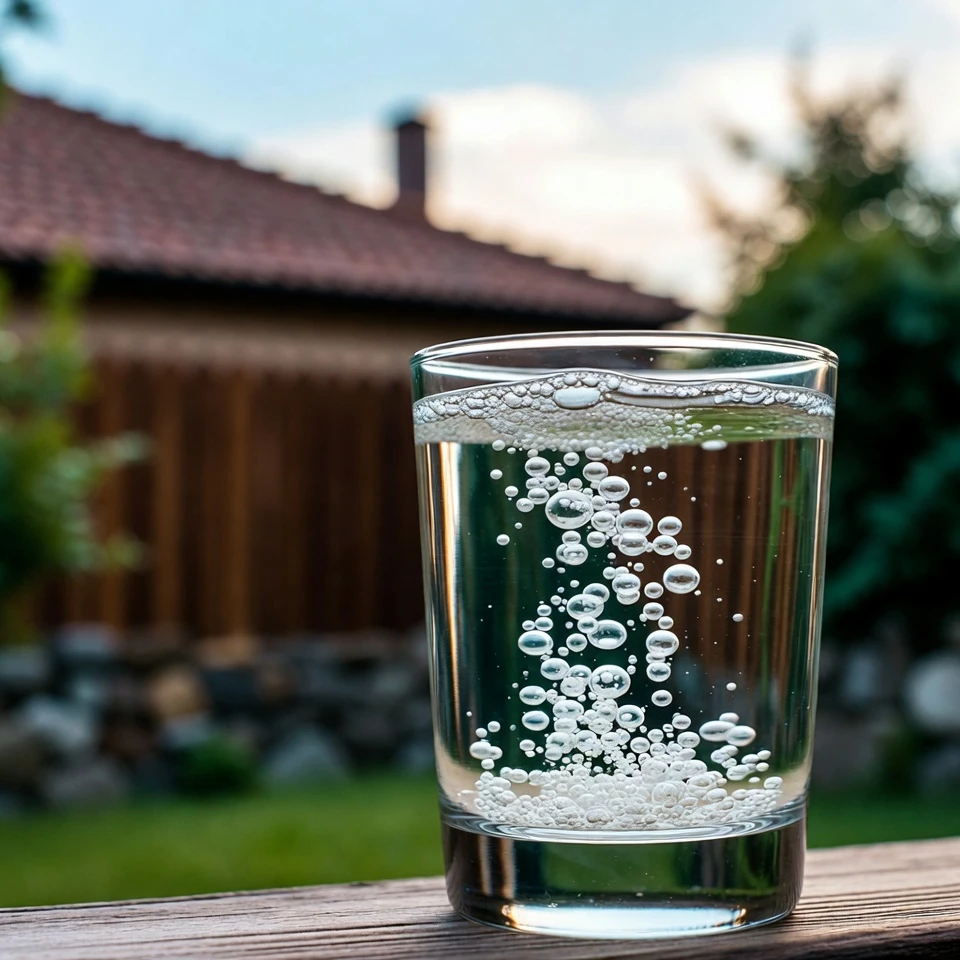
Foamy Urine: What It Means, Common Causes, and When to Get It Checked
Noticing foamy or bubbly urine after using the bathroom can be surprising—and understandably a bit worrying. Many people ignore it, assuming it’s nothing, while others immediately wonder if it signals a health issue. The reality sits in the middle: foamy urine is often harmless and short-lived, but persistent foam can sometimes point to something that deserves attention. Learning how to tell normal bubbles from concerning foam can help you stay calm and make smarter decisions about your health.
This article breaks down what makes urine look foamy, the most common everyday explanations, possible medical causes, and practical steps you can take right now.
What Causes Urine to Look Foamy?
Foamy urine typically appears as layers of small to medium bubbles that linger on the surface of the toilet water—similar to the “head” on a freshly poured beer. This differs from ordinary bubbles that form briefly and disappear almost immediately.

Medical sources such as the Mayo Clinic explain that foam forms when certain substances in urine reduce surface tension, making it easier for air to become trapped. In many everyday situations, this is not dangerous. However, if it happens repeatedly, it’s worth taking a closer look.
Common, Everyday Reasons for Foamy Urine
In most cases, foamy urine is linked to temporary factors rather than disease. Common non-serious causes include:
-
A strong urine stream
- When your bladder is very full, urine hits the toilet water with more force. That turbulence can create foam-like bubbles. This is extremely common and usually resolves quickly.
-
Dehydration
- Not drinking enough fluids leads to more concentrated urine, which can appear darker and may foam more easily. Concentrated urine contains higher levels of salts and compounds that help bubbles persist.
-
Toilet cleaners or chemical residue
- Cleaning products often leave a film behind. When urine mixes with these residues, it can create foam. This is especially noticeable shortly after cleaning the bowl.
-
Hard or prolonged exercise
- Intense physical activity may temporarily change urine composition, sometimes causing short-term foam. This often improves with rest and rehydration.
These are the most frequent explanations—and for many people, they fully explain what’s happening.
When Foamy Urine May Be a Health Concern
If foam is frequent, dense, white, and doesn’t fade quickly, it can sometimes be associated with protein in the urine, known as proteinuria.
Proteinuria happens when the kidneys’ filters (the glomeruli) allow proteins—especially albumin—to leak into urine. Under normal conditions, these proteins remain in the bloodstream. Because proteins can act like natural surfactants, they can create that lingering foamy appearance.
Possible medical-related causes include:
-
Kidney issues
- Kidney damage from various conditions can allow protein to spill into urine. Organizations such as the National Institutes of Health (NIH) note that protein leakage is a major reason for ongoing foamy urine.
-
Diabetes
- Over time, elevated blood sugar can harm kidney function, increasing the risk of proteinuria. This connection is widely recognized in diabetes care guidelines.
-
Urinary tract infections (UTIs)
- UTIs can introduce bacteria, immune cells, and sometimes protein into urine. Foam may occur alongside other symptoms such as burning, urgency, or pelvic discomfort.
-
Male-specific factors
- In some men, retrograde ejaculation (semen flowing backward into the bladder) can mix with urine and make it appear foamy.
Importantly, foamy urine does not automatically mean kidney disease. Evidence suggests that only about one-third of people who seek evaluation for foamy urine are ultimately found to have confirmed proteinuria. Still, regular or persistent foam is worth monitoring.
Warning Signs You Should Not Ignore
Consider speaking with a healthcare professional if foamy urine continues for days or weeks, especially if you also notice:
- Foam that persists and doesn’t improve after flushing
- Swelling in the feet, ankles, hands, or around the eyes (edema)
- Ongoing fatigue or unusual tiredness
- Changes in urine color (darker than usual) or urination frequency
- Poor appetite or a general feeling of being unwell
These symptoms can suggest that your kidneys—or another part of your urinary system—may need evaluation. A basic urine test can often provide quick clarity.
Practical Steps You Can Take Today
If you’re seeing foamy urine and want to troubleshoot safely, try these simple actions:
-
Drink more fluids
- Aim for around 8 glasses of water daily, and more if you exercise or live in a hot climate. Dilution alone often reduces foam caused by dehydration.
-
Reduce the force of urination
- If possible, urinate earlier (before your bladder is overly full), or try urinating more gently to minimize turbulence.
-
Rule out toilet chemical reactions
- Flush thoroughly after using cleaners, or switch to a gentler product for a period to see if foam disappears.
-
Track patterns for 1–2 weeks
- Note when it happens (after exercise, first urine in the morning, when you’ve had less water) and whether symptoms appear alongside it.
-
Support kidney and metabolic health
- Balanced eating, regular activity, and managing blood pressure and blood sugar can reduce risk factors linked to proteinuria.
If you do end up seeing a clinician, this tracking can be very helpful.
Frequently Asked Questions
Is foamy urine always a sign of kidney disease?
No. Most cases are caused by harmless factors like a strong stream, dehydration, or toilet chemical residue. Persistent foam should be checked, but it is not automatically serious.
How do I distinguish normal bubbles from concerning foam?
- Normal bubbles: larger, clearer, disappear quickly
- Concerning foam: finer bubbles, white or dense appearance, lingers longer (sometimes even after flushing)
What tests might a doctor order?
Most clinicians start with a urinalysis, often including a check for protein, infection markers, and other abnormalities. Additional tests depend on the results and your symptoms.
Final Thoughts
Foamy urine can feel alarming, but in many cases it’s simply a temporary effect of hydration, urine flow, or bathroom chemicals. The key is to watch for persistence and accompanying symptoms. Staying hydrated, noting patterns, and seeking medical advice when foam continues can help you protect your health without unnecessary panic.
Medical Disclaimer
This content is for informational purposes only and does not replace professional medical advice. For personalized guidance, consult a qualified healthcare provider.