Many men over 50 deal with the everyday inconvenience of an enlarged prostate, medically referred to as benign prostatic hyperplasia (BPH). This age-related condition can trigger frequent urination, reduced urine stream, and nighttime bathroom trips that disrupt sleep and daily comfort. Although conventional treatments are available, increasing attention is being paid to plant-based compounds that may help support prostate wellness—largely through antioxidant and anti-inflammatory activity.
One plant that often comes up in traditional use and early research is soursop (Annona muricata)—also known as graviola. While the fruit is widely consumed, the seeds contain distinct bioactive substances that researchers have tested in animal models for potential prostate-related effects. So what does the science actually suggest, and how should it fit into a realistic, balanced plan?
This article breaks down the current evidence around soursop seeds, highlights their key natural compounds, and outlines practical and safety-focused considerations for anyone curious about natural supportive options.
Understanding Benign Prostatic Hyperplasia (BPH)
BPH is a non-cancerous enlargement of the prostate gland that commonly appears with aging and is strongly associated with hormonal shifts over time. As the prostate grows, it can press on the urethra and interfere with urinary function, leading to symptoms such as:
- Urgency or frequent urination
- Weak or slow urinary flow
- Feeling like the bladder doesn’t fully empty
- Waking up multiple times at night to urinate
Current research frequently points to a combination of contributors, including:
- Inflammation
- Oxidative stress
- Hormonal influences
Because oxidative stress and inflammation are tied to many age-related concerns, some people explore dietary and lifestyle strategies that emphasize antioxidant-rich foods alongside standard medical care.
Why Soursop Seeds Are Getting Attention
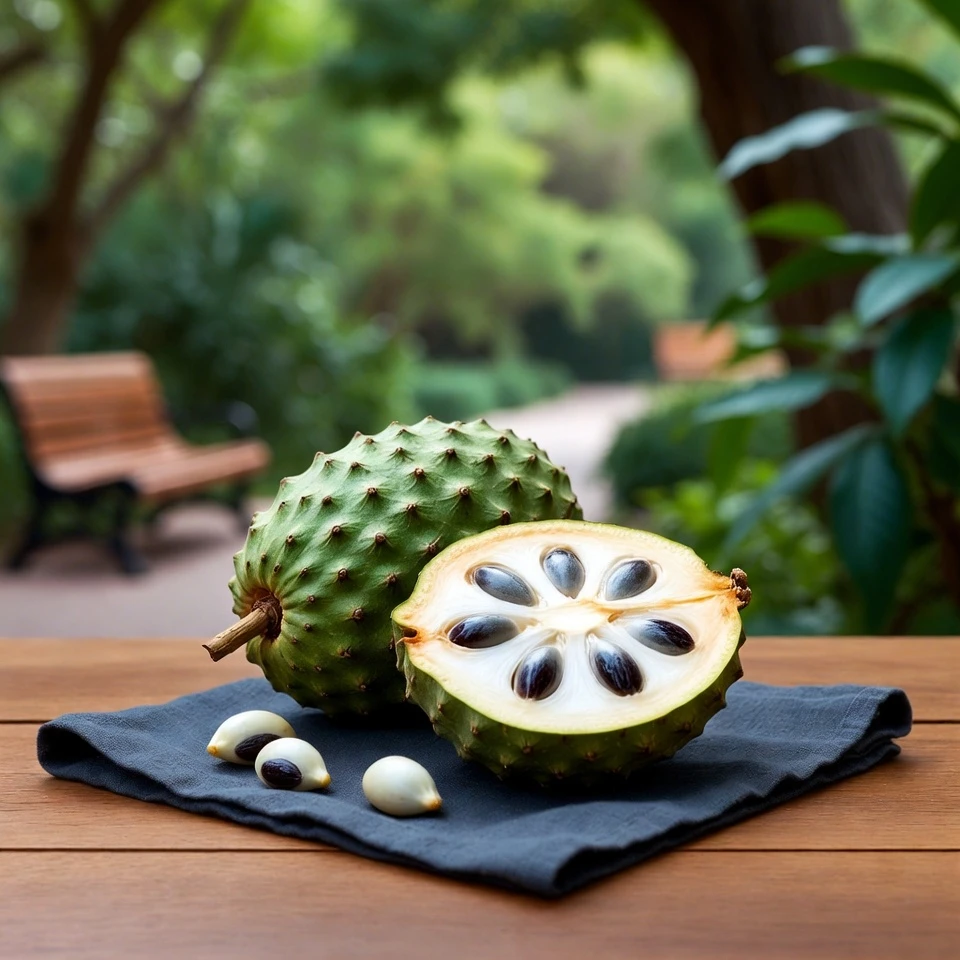
Soursop seeds sit inside the fruit, embedded in the soft pulp. In certain traditional practices, parts of the soursop plant have been used for various wellness purposes. From a research standpoint, the seeds are notable because they contain a mix of phytochemicals, including:
- Acetogenins
- Alkaloids
- Plant oils and fatty acids
In preclinical research, scientists have tested specific seed extracts (including hexane fractions) to see how they behave in lab settings.
What preclinical studies have reported
In a rat model where testosterone was used to induce prostate enlargement (often used to mimic aspects of BPH):
- A hexane fraction from soursop seeds was reported to help limit increases in prostate weight
- Antioxidant balance appeared to improve, based on measured enzyme activity
- Certain inflammatory markers were reduced in the model
Other animal investigations have described similar trends, suggesting that seed-derived fractions may influence prostate-related indices in controlled lab conditions. These effects are generally attributed to the combined activity of multiple plant compounds working together.
Important reality check: these findings are animal and laboratory results, not outcomes from human clinical trials. They may point to promising directions, but they do not confirm that soursop seeds treat or prevent BPH in people.
Key Bioactive Components Found in Soursop Seeds
Early research and chemical analyses commonly highlight several compound groups within soursop seeds:
- Acetogenins: distinctive natural substances studied for how they interact with cellular processes in laboratory settings
- Fatty acids and seed oils: may contribute to anti-inflammatory activity seen in certain extracts
- Antioxidant-related compounds: relevant because oxidative stress is frequently discussed in age-related prostate changes
Researchers often note that plant extracts may work through synergy, meaning multiple compounds may contribute to observed effects rather than a single “magic” ingredient.
What Animal Research Suggests About Prostate-Related Support
Across several testosterone-induced rat studies, soursop components have been evaluated for potential effects connected to prostate changes. Findings commonly reported include:
- Reduced markers associated with prostate enlargement in the animal model
- Improved activity of certain antioxidant enzymes
- Lower signals associated with inflammation in measured parameters
- Dose-related effects in controlled comparisons
These results suggest plausible mechanisms such as supporting a healthier inflammatory response and oxidative balance. Still, it’s essential to remember:
- Animal data does not equal human proof
- Appropriate dosing, effectiveness, and safety in humans remain unclear without clinical trials
Safety, Caution, and Potential Side Effects
While the fruit pulp is commonly eaten in many regions, the seeds and concentrated extracts deserve extra caution.
Some scientific discussions have raised concerns about possible neurotoxic effects from certain compounds in the soursop plant—particularly with high intake over long periods, especially in supplement or extract form.
For safety, keep these principles in mind:
- Use moderation and avoid “more is better” thinking
- If you take medications or have ongoing health conditions, consult a clinician before using supplements
- Do not treat soursop (or any natural product) as a replacement for medical evaluation or prescribed therapy
Practical Guidance: A Smart Way to Approach Soursop
If you’re exploring soursop as part of general wellness (not as a medical treatment), these steps are commonly recommended:
- Choose the edible fruit pulp first: enjoy soursop in smoothies or as a snack for fiber and nutrients
- Do not eat large amounts of seeds: they are bitter, not typically consumed in quantity, and safety is uncertain
- If considering supplements, prioritize quality: look for reputable brands, third-party testing, and follow label instructions
- Pair with proven prostate-supportive habits:
- Regular physical activity
- A vegetable-forward diet
- Adequate hydration
- Routine health check-ups
- Pay attention to your body: track any changes and bring questions to your healthcare provider
This approach supports overall health without relying on a single ingredient to do all the work.
How Soursop Compares With Other Natural Prostate Wellness Options
Several other plant-based options are frequently discussed for prostate and urinary comfort support:
- Saw palmetto: widely used for lower urinary tract symptoms
- Pumpkin seeds: a nutrient-rich food often associated with prostate comfort (notably for zinc and plant sterols)
- Green tea: a source of antioxidants linked to general wellness
- Tomatoes and other lycopene-rich foods: associated with prostate health in population research
Soursop seeds stand out mainly due to their acetogenins, but the overall evidence—like many botanical options—remains early-stage, especially for BPH-specific outcomes in humans.
Final Take: A Balanced View of Soursop Seeds and Prostate Health
Soursop seeds contain intriguing phytochemicals, and animal studies have linked certain seed extracts to changes in prostate-related markers such as prostate weight, oxidative balance, and inflammation signals. However, these results are still preclinical, and strong conclusions for human prostate health cannot be made without well-designed human trials.
For the most reliable prostate support, focus on the fundamentals:
- Balanced nutrition
- Consistent physical activity
- Healthy weight and sleep habits
- Regular medical guidance and screening when appropriate
Nature offers promising compounds, but professional oversight helps ensure you stay both safe and realistic about what evidence can (and cannot) support.
Frequently Asked Questions
Can I eat soursop seeds directly for prostate support?
There is no strong human evidence supporting the direct consumption of soursop seeds for prostate health. Studies typically use processed extracts in lab settings, and consuming seeds in large amounts may carry risk. If you’re interested, stick with the fruit pulp and consult a healthcare professional before using seed-based products.
How quickly could natural approaches make a difference?
Responses vary widely. Natural supports tend to work best as long-term lifestyle habits, not quick fixes. Any plan should be discussed with a clinician, especially if symptoms are affecting sleep or quality of life.
Is soursop safe to use with prostate medications?
Potential interactions are possible, particularly with concentrated extracts. If you use prostate medication (or any chronic medication), speak with your healthcare provider before adding soursop supplements or other botanicals.
Disclaimer
This content is for informational purposes only and is not medical advice. The statements in this article have not been evaluated by the FDA. Evidence regarding soursop seeds and prostate support is limited to preclinical (animal/lab) research, and results may not apply to humans. Always consult a qualified healthcare professional before making changes to your diet, supplement routine, or medical treatment—especially for prostate-related concerns. Never replace prescribed treatments with natural products.