A Simple Herbal Tea for Everyday Energy: Avocado Seed + Hibiscus
Many people in their 30s and 40s live with lingering fatigue, occasional post-meal bloating, and that “heavy” feeling that sticks around even after a full night of sleep. Between ultra-processed foods, daily stress, and nonstop schedules, it’s common to look for gentle, natural habits that help you feel lighter and more energized.
One surprisingly practical idea: turning avocado seeds (usually thrown away) and bright hibiscus flowers into a soothing, refreshing tea. This blend is becoming popular in traditional wellness routines and modern conversations because both ingredients contain compounds linked to everyday health support. While direct research on the combined tea is limited, studies on each ingredient individually suggest properties that can fit into a balanced lifestyle.
Why Avocado Seeds and Hibiscus Are Gaining Interest
Avocado seeds: more than kitchen waste
The avocado seed contains a concentrated mix of bioactive compounds—including polyphenols, flavonoids, and antioxidants—often discussed as being more concentrated than what’s found in the flesh. Reviews and lab-based research (including work referenced in journals such as Molecules and academic sources like Penn State-related research discussions) point to potential antioxidant and anti-inflammatory activity in experimental settings.
Hibiscus: the tart, ruby-red classic
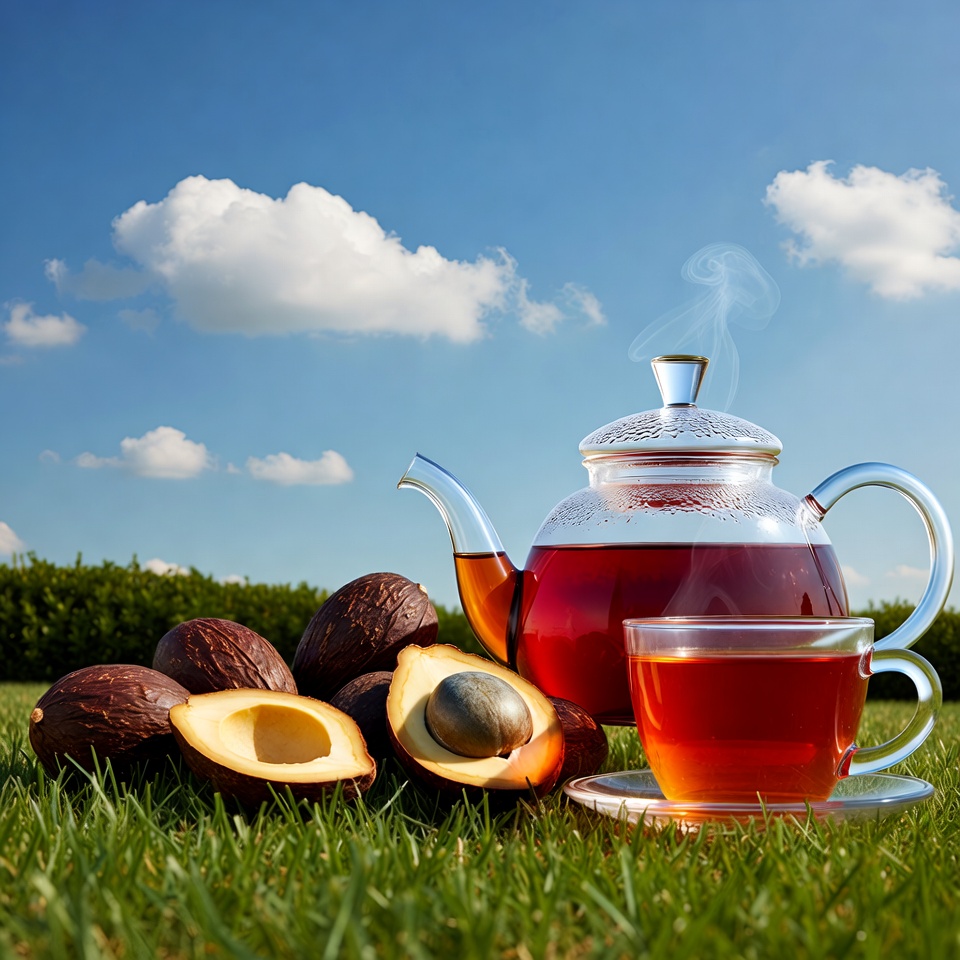
Hibiscus tea is well known for its vibrant color and tangy taste. Hibiscus flowers provide anthocyanins, vitamin C, and polyphenols. Clinical trials and meta-analyses (including publications in outlets like The Journal of Nutrition and systematic reviews) suggest hibiscus tea may help support healthy blood pressure levels and offer antioxidant protection when used regularly.
Together, these two ingredients create a flavorful infusion that aligns with gentle, daily wellness habits—without extreme cleanses, aggressive detox plans, or expensive supplements.
Potential Benefits (Based on Studies of Each Ingredient)
The research primarily focuses on avocado seed and hibiscus separately. Still, their nutrient profiles point to complementary support for common wellness goals.
-
Antioxidant support
- Avocado seed extracts show strong in vitro antioxidant activity, helping neutralize free radicals in lab testing.
- Hibiscus tea is often ranked among beverages with high antioxidant capacity, potentially supporting defense against oxidative stress.
-
Anti-inflammatory potential
- Lab research suggests avocado seed extracts may influence pro-inflammatory pathways.
- Hibiscus has shown anti-inflammatory effects in animal studies and small human studies, which may support overall comfort.
-
Cardiovascular wellness
- Multiple controlled studies link hibiscus tea with supporting healthy blood pressure, including improvements in systolic and diastolic readings in some trials.
- Avocado seed compounds have been explored in preliminary models for potential support of healthy cholesterol levels (notably in animal research).
-
Metabolic balance
- Some hibiscus studies suggest support for healthy blood sugar regulation and lipid profiles.
- Early-stage research on avocado seeds explores similar metabolic support, though more human data is needed.
-
Digestive comfort and fluid balance
- Avocado seeds contain fiber and plant compounds that may support regularity.
- Hibiscus is often described as a gentle diuretic, which may help with fluid balance and that “puffy” feeling for some people.
These effects can vary widely depending on the individual, overall diet, and lifestyle. Think of this tea as a supportive habit—not a standalone solution.
How to Make Avocado Seed and Hibiscus Tea at Home
This recipe is simple, affordable, and easy to fit into a busy routine.
Ingredients
- 1 clean avocado seed (from a ripe avocado)
- 1–2 tablespoons dried hibiscus flowers
- 2–3 cups water
Step-by-step method
-
Clean the avocado seed
- Rinse thoroughly.
- Remove any thin brown outer layer using a knife or peeler if needed.
-
Grate for better extraction
- Finely grate the seed with a box grater, or pulse in a food processor. Smaller pieces help the compounds infuse more effectively.
-
Simmer
- Add water, grated avocado seed, and hibiscus to a pot.
- Bring to a boil, then reduce heat and simmer 10–15 minutes.
-
Strain and drink
- Strain into a mug or pitcher.
- Enjoy warm or chilled.
- Start with 1 cup per day and observe how you feel.
Flavor tip
- Add lemon for brightness, or a small amount of honey after the tea cools slightly.
- Refrigerate leftovers and use within 2 days.
Avocado Seed + Hibiscus Tea vs. Commercial “Detox” Products
-
Ingredients
- Homemade tea: simple, natural kitchen staples
- Commercial detox drinks/supplements: often processed and may include additives
-
Cost
- Homemade tea: low-cost (uses a seed many people discard)
- Commercial options: typically higher ongoing expense
-
Preparation
- Homemade tea: easy home brewing
- Commercial options: ready-to-drink bottles or pills
-
Overall approach
- Homemade tea: gentle daily support
- Commercial detox products: may market quick fixes
-
Evidence
- Homemade tea: evidence is emerging based on components
- Commercial products: quality and research support vary widely
This tea also supports a more sustainable habit by reducing food waste.
A Practical Timeline to Build the Habit
-
Days 1–7
- Drink 1 cup daily.
- Pay attention to digestion, energy, and comfort.
-
Weeks 2–4
- If well tolerated, increase to 1–2 cups per day.
- Combine with balanced meals and adequate hydration.
-
Long term
- Use it as part of a routine that includes whole foods, movement, sleep, and stress management.
Tips to Get More from Your Tea
- Grate the seed fresh for stronger infusion.
- Try a cold-brew version by steeping in the fridge overnight (after simmering and cooling).
- Consider “pulsing” use: 5 days on, 2 days off.
- Keep dried hibiscus stored cool, dark, and dry for best quality.
The Bottom Line
Avocado seed and hibiscus tea offers a flavorful, low-effort way to explore natural daily wellness support. With antioxidant-rich plant compounds and potential supportive properties, this blend may help you feel more vibrant—especially when paired with a healthy lifestyle.
Frequently Asked Questions
Is avocado seed safe to use in tea?
Avocado seeds are used traditionally in small amounts, typically grated and boiled. Start with a modest serving and speak with a healthcare professional—especially if you are pregnant, breastfeeding, have medical conditions, or take medications.
How much hibiscus tea can I drink daily?
Many studies use roughly 1–3 cups per day. Up to about 24 ounces is often well tolerated in the short term, but individual responses vary—monitor how you feel.
Can this tea replace medical treatment?
No. This beverage is a supportive wellness habit and should not replace prescribed treatments or professional medical care.
Disclaimer
This article is for informational purposes only and does not provide medical advice. Consult a qualified healthcare provider before changing your diet or routine, particularly if you have health conditions or take medications.