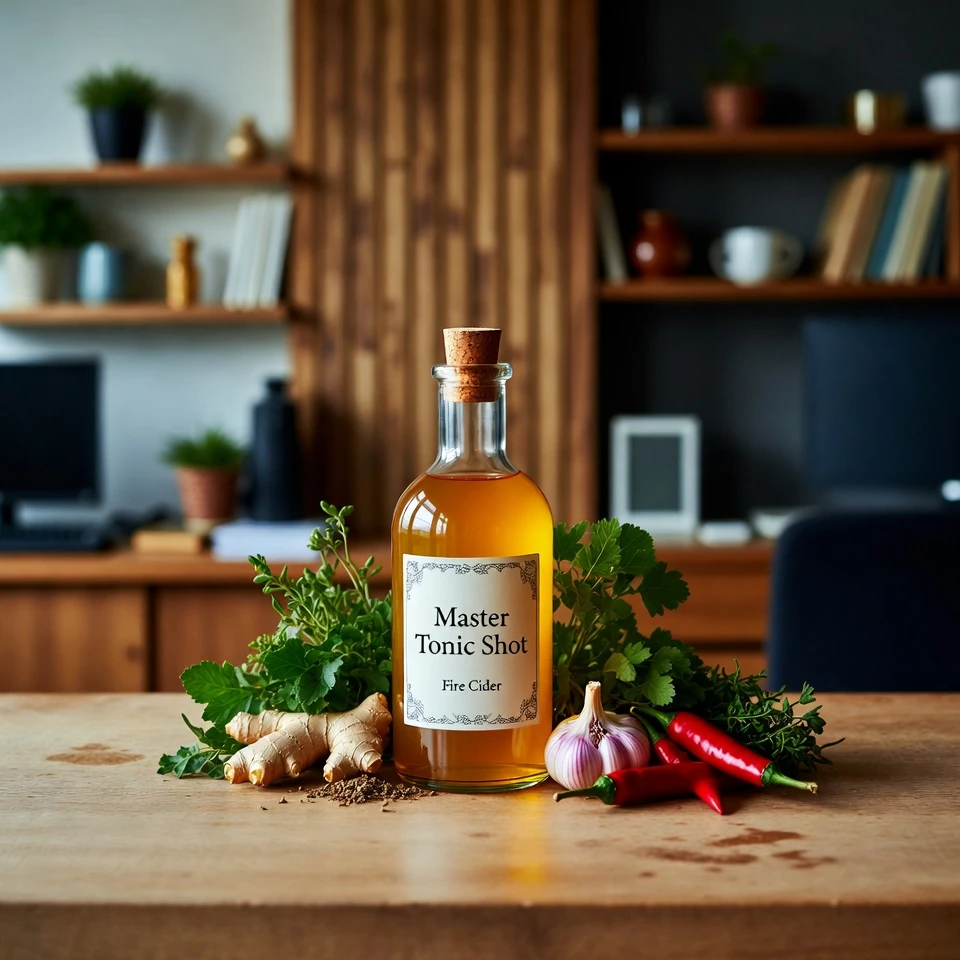
Many adults start the day feeling tired, hit an afternoon slump, or notice a lingering sense of low energy even after a full night’s sleep. Packed schedules, seasonal shifts, and daily stress can make it tough to feel consistently “on.” As a result, people often look for simple, natural ways to support everyday vitality and comfort—without relying solely on coffee or quick fixes.
One traditional option that’s become a popular wellness ritual is fire cider: a bold, spicy herbal tonic made from familiar kitchen staples. This guide breaks down what fire cider is, why it’s used, and how to make a simple all-in-one master tonic at home.
Modern Life: Why Daily Energy and Comfort Can Feel Hard to Maintain
Low energy and occasional digestive discomfort are common in everyday life. For many adults, staying steady and resilient becomes more challenging with age, busy responsibilities, and constant stimulation.
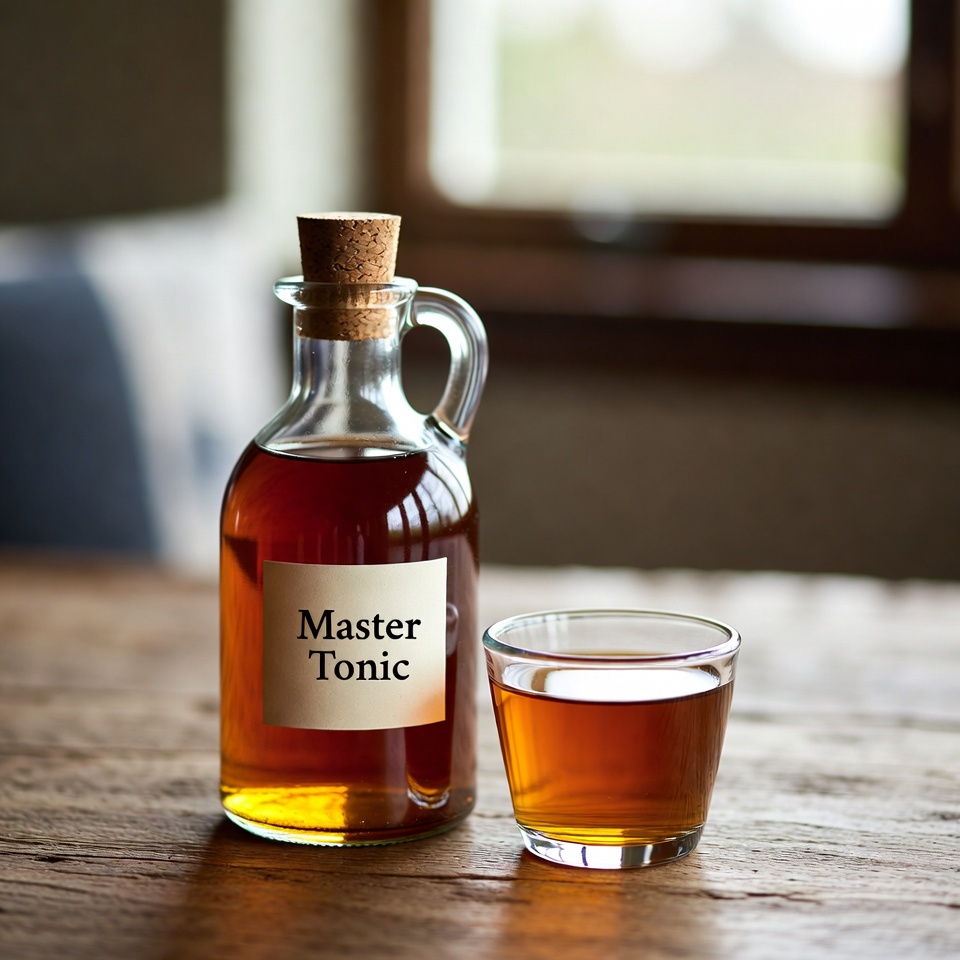
While caffeine and sugary “energy” solutions can deliver a fast lift, they often come with an unwanted crash. Traditional herbal practices take a different approach—leaning on whole-food ingredients that may complement a balanced lifestyle over time.
What Is Fire Cider? A Traditional “Master Tonic” Explained
Fire cider is a classic herbal infusion popularized by herbalist Rosemary Gladstar. It’s typically made by steeping spicy roots, aromatics, and warming spices in apple cider vinegar, then sweetening the finished tonic with raw honey.
Most people take fire cider as a small daily shot—often 1–2 tablespoons—especially in the morning. Others drizzle it into salad dressings, marinades, or soups for a tangy kick. The flavor is memorable: fiery from cayenne and ginger, bright from lemon, and smoothed out by honey.
Core Fire Cider Ingredients and Their Traditional Roles
Fire cider works because it combines multiple well-known ingredients, each with a long history of traditional use:
- Apple Cider Vinegar (with the Mother): Creates the tangy base. Some research suggests acetic acid may support digestion and help with post-meal blood sugar balance.
- Fresh Ginger: Traditionally used for warming and digestive comfort. Compounds like gingerol have been studied for anti-inflammatory and gut-soothing potential.
- Turmeric: Adds earthy flavor and color. Curcumin is widely researched for antioxidant and anti-inflammatory activity.
- Cayenne Pepper: Provides heat. Capsaicin is linked to circulation support and thermogenic effects.
- Cinnamon & Cloves: Aromatic, warming spices often associated with metabolic support in traditional practices.
- Lemon (juice + zest): Brightens the tonic and contributes vitamin C.
- Raw Honey: Softens the spice with natural sweetness and is commonly used for soothing comfort.
Together, these ingredients create a layered, invigorating tonic that many people enjoy for its “wake-up” effect and warming feel.
12 Reasons People Add Fire Cider to a Daily Wellness Routine
People use fire cider in different ways, but these are some of the most common motivations—based on traditional use and research on individual ingredients.
-
A Consistent Morning Ritual for Immune Support
A spicy morning shot can feel energizing and purposeful. Ingredients like ginger and turmeric contain antioxidants that may help the body handle everyday oxidative stress. -
Support for Digestive Comfort
Apple cider vinegar and ginger are classic choices for occasional bloating, heaviness after meals, or mild nausea. -
A Warming Sensation That Feels Circulation-Friendly
Cayenne and cinnamon create immediate warmth—especially appreciated during colder months. -
Extra Antioxidant Coverage for Daily Stress
Turmeric, cloves, and other spices contain compounds studied for their role in neutralizing free radicals. -
Gentle Vitality Without Caffeine Jitters
Unlike coffee, fire cider doesn’t rely on stimulants. Many people describe a steadier “get going” feeling rather than a spike-and-crash. -
Potential Support for Post-Meal Blood Sugar Balance
Studies suggest apple cider vinegar may help support healthier glucose responses after meals when used consistently. -
Comfort During Seasonal Shifts
Honey, lemon, and cayenne are traditional favorites during times of throat irritation or stuffiness. -
A Traditional “Detox-Friendly” Habit
In folk wellness, apple cider vinegar and turmeric are often used to support the body’s natural elimination pathways. -
Anti-Inflammatory Comfort for Movement
Ginger and turmeric are frequently paired due to complementary effects seen in research around inflammation markers. -
Metabolism-Friendly Warmth
Capsaicin from cayenne may support mild thermogenesis, which some people associate with metabolic vitality. -
Soothing Support for Throat and Sinuses
The combination of warming spices, lemon, and honey is commonly used for dry, scratchy, or irritated periods. -
Synergy: The “Whole Blend” Effect
Many fans say the real value is the combined impact—each ingredient enhancing the tonic’s bold, warming character.
Fire Cider vs. Popular Alternatives (Quick Comparison)
- Supplements and capsules: Convenient, but often miss the fresh, food-based synergy and sensory ritual.
- Green juices: Refreshing and nutrient-rich, but usually don’t offer the same warming, spicy profile.
- Herbal teas: Calming and supportive, though typically milder than a concentrated vinegar infusion.
How to Make Fire Cider at Home (Simple Master Tonic Recipe)
Making homemade fire cider is easy, budget-friendly, and flexible—you can adjust spice level and ingredients to taste.
Basic Fire Cider Recipe (Makes ~1 quart)
Ingredients
- 4 cups organic apple cider vinegar (with the mother)
- 1/2 cup fresh ginger, grated
- 1/2 cup fresh turmeric, grated (or 2–3 tbsp powder)
- 1 medium onion, chopped
- 10 garlic cloves, crushed
- 1–2 cayenne peppers (or 1 tsp powder; adjust to heat preference)
- Juice + zest of 1 lemon
- 1–2 cinnamon sticks
- A few whole cloves
- Raw honey, to taste (add after straining)
Step-by-Step Instructions
- Add all solid ingredients to a clean glass jar.
- Pour apple cider vinegar over the mixture until everything is fully submerged.
- Seal tightly and store in a cool, dark spot for 2–4 weeks, shaking the jar daily.
- Strain through cheesecloth (or a fine strainer), pressing well to extract the liquid.
- Stir in raw honey until fully dissolved.
- Store in the refrigerator.
How to Take Fire Cider
- Start with 1 tablespoon in the morning (dilute in water if it feels too strong).
- Many people prefer taking it on an empty stomach, but comfort matters—do what works for you.
Simple Schedule to Ease In
- Week 1: ~1 oz morning shot (or less if sensitive)
- Weeks 2–4: 1–2 oz daily, based on tolerance
- Long-term: Keep it as a steady ritual; some prefer it slightly warmed for extra comfort
Quick Check-In: Does This Fit Your Routine?
Take a second to reflect: On a scale of 1–10, how energized do you feel most mornings? For many people, the biggest difference comes from consistency—a small daily habit that feels both grounding and invigorating.
The Bottom Line: A Simple Daily Habit to Explore
Fire cider is a flavorful, warming master tonic that many people use to support daily wellness—especially as a morning ritual. The biggest benefit often comes from sticking with it for a few weeks and paying attention to how your body responds.
Start small, adjust the spice level, and enjoy the bold kick.
FAQ
What’s the best time to take fire cider?
Many people take it first thing in the morning, ideally on an empty stomach, or diluted in warm water if preferred.
Can I make fire cider less spicy?
Yes. Use less cayenne, add more honey, and increase lemon for brightness. Starting mild and adjusting upward works well.
How long does homemade fire cider last?
When refrigerated, it typically stays good for several months.
Disclaimer
This content is for informational purposes only and does not constitute medical advice. These statements have not been evaluated by the FDA. Individual ingredients may show potential benefits in limited studies, but results vary. Consult a healthcare professional before starting any new supplement or wellness routine—especially if you have a medical condition, are pregnant or nursing, or take medications.