
A Simple Daily Wellness Habit: The Power of Garlic and Ginger
Modern life moves quickly, and it’s easy to feel depleted—low energy, occasional post-meal heaviness, or everyday aches that make movement feel less comfortable. While these issues may seem minor at first, they can gradually add up and leave you feeling less balanced than you want to be.
Fortunately, two everyday kitchen essentials—garlic and ginger—offer a practical, gentle way to support your body’s natural rhythm through consistent use. With a few simple habits, this classic pairing can become one of the easiest wellness routines to maintain.

Why Garlic and Ginger Work So Well Together
Garlic and ginger have been valued in traditional wellness cultures for centuries. Today, research helps explain why: both contain bioactive plant compounds that support the body in complementary ways.
- Garlic is known for allicin, a sulfur-containing compound linked to immune and inflammation support.
- Ginger provides gingerols and related compounds that are widely studied for antioxidant and soothing properties.
Clinical reviews and research summaries suggest that both garlic and ginger may help reduce inflammation markers, supporting day-to-day comfort and long-term balance. Some lab and animal studies also indicate a potential synergistic effect, where antioxidant and anti-inflammatory activity appears stronger when the two are combined than when used separately.
6 Ways Garlic and Ginger May Support Everyday Well-Being
1. Gentle Support for Immune Resilience
A healthy immune system helps you stay steady through seasonal changes and everyday stressors. Research links garlic compounds (including allicin) with support for immune cell activity, while ginger contributes warming, balancing effects along with antioxidant protection.
Some studies also suggest garlic may help reduce the severity or duration of occasional colds, and ginger can complement this with additional protective plant compounds.
2. Heart and Circulation-Friendly Benefits
For many people, cardiovascular wellness is a lifelong priority. Garlic and ginger are both associated with maintaining healthy circulation.
- Garlic has been studied for its potential to help keep blood pressure and cholesterol within normal ranges when paired with a balanced lifestyle.
- Ginger is often linked to supporting blood flow and healthier lipid markers.
Used regularly in meals, this duo can support steady cardiovascular habits without adding complexity to your routine.
3. Digestive Comfort After Meals
Post-meal discomfort—like bloating, heaviness, or occasional nausea—can disrupt an otherwise good day. Ginger is widely used to calm the stomach and support smoother digestion. Garlic is associated with supporting a healthier gut microbial balance.
Together, they form a simple, food-based approach to more comfortable digestion.
4. Antioxidant Support for Daily Vitality
Daily stress, poor sleep, and environmental factors can contribute to oxidative stress, which may affect energy and focus. Garlic and ginger both contain antioxidants that help defend cells against free-radical damage.
Over time, regular intake may support better mental clarity and steadier energy by helping the body manage oxidative load.
5. Helping Ease Minor Everyday Discomfort
Mild stiffness or tension after activity is common, especially with age or busy routines. Because both garlic and ginger contain compounds studied for anti-inflammatory activity, consistent dietary use may help support everyday comfort—particularly when paired with movement, hydration, and balanced nutrition.
6. Long-Term Eye Wellness Support
Antioxidants play a role in protecting vision over time. Garlic offers sulfur compounds and antioxidants such as quercetin, while ginger contributes phenolic compounds that support cellular protection. While they’re not a treatment for eye conditions, including antioxidant-rich foods is a smart long-term wellness habit.
Quick Benefits Snapshot (Easy Reference)
- Anti-inflammatory synergy — Supports healthy inflammation markers
- Antioxidant protection — Helps defend cells from oxidative stress
- Immune resilience — Supports natural defenses year-round
- Heart & circulation — Encourages balanced cardiovascular function
- Digestive ease — Helps reduce occasional post-meal discomfort
- Mental clarity — May support focus and day-to-day vitality
3 Easy (and Delicious) Ways to Use Garlic and Ginger Daily
You don’t need complicated recipes. The key is consistency—start small and make it sustainable.
1. Morning Garlic-Ginger Wellness Tonic
A simple ritual many people enjoy as a gentle start to the day.
Ingredients
- 2 fresh garlic cloves, lightly crushed
- 1-inch piece of fresh ginger, grated
- Juice of 1/2 lemon
- 1 cup warm water (not boiling)
- Optional: 1 teaspoon honey
Steps
- Lightly crush the garlic and grate the ginger.
- Combine with warm water and lemon juice.
- Let it rest for 2–3 minutes.
- Sip slowly, ideally before breakfast.
2. Calming Garlic-Ginger Tea
Great after meals or as part of an evening wind-down routine.
Ingredients
- 1 garlic clove, thinly sliced
- 1 teaspoon freshly grated ginger
- 1 cup hot water
- Optional: honey or a lemon slice
Steps
- Place garlic and ginger in a mug.
- Add hot water and steep for 8–10 minutes.
- Strain, adjust flavor, and drink warm.
3. The Easiest Option: Add Them to Everyday Meals
This is often the most sustainable method because it fits your normal cooking habits.
Simple ideas
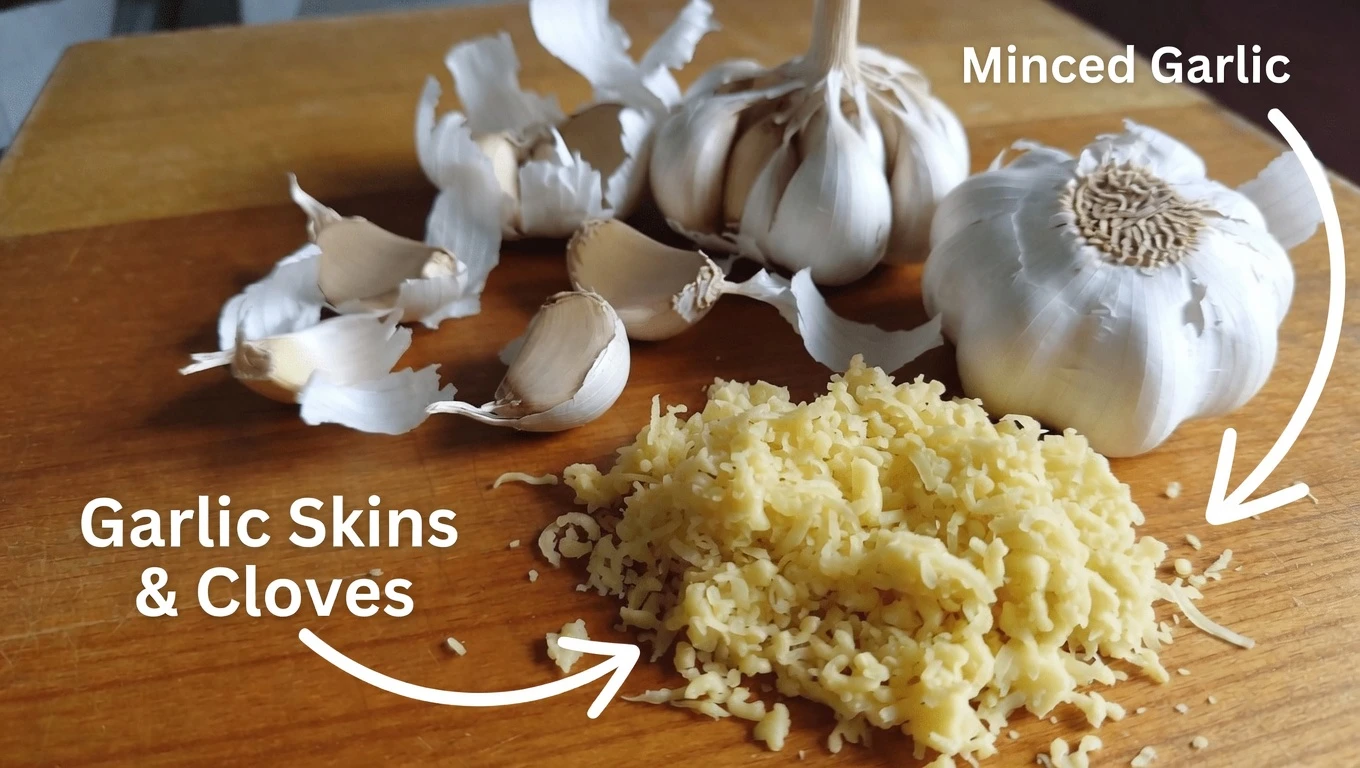
- Stir minced garlic and grated ginger into soups, stir-fries, sautés, and curries
- Mix into salad dressings or marinades for deeper flavor
- Make a light garlic-ginger paste (gently sautéed) and spread on toast or flatbreads
- Try fermented garlic in honey with a small amount of ginger for a flavorful twist
Practical Tips to Get the Most from Garlic and Ginger
- Choose fresh garlic and fresh ginger when possible for higher active compound content.
- Use them raw or lightly cooked—high heat and long cooking can reduce some beneficial compounds.
- Start with small daily amounts and build gradually; steady habits matter more than big doses.
- Pay attention to your body and adjust based on comfort and digestion.
Final Thoughts
Garlic and ginger show how meaningful wellness support can come from simple, affordable ingredients already in your kitchen. Whether you prefer a morning tonic, a soothing tea, or adding them to everyday cooking, the real advantage comes from regular use over time.
Small daily habits often create the most noticeable changes—more comfort, steadier energy, and a better sense of balance.
FAQ
How much garlic and ginger should I use each day?
A practical starting point is 1–2 cloves of garlic and 1–2 teaspoons of grated ginger daily, divided across meals or drinks. Moderate, consistent use is typically easier to tolerate and maintain.
Can I use garlic and ginger supplements instead of fresh ingredients?
Fresh garlic and ginger provide a broader range of natural compounds, but supplements can be convenient. If you’re considering capsules or extracts, it’s best to consult a healthcare professional to choose the right option for your needs.
When should I avoid garlic and ginger?
If you have a sensitive stomach, bleeding-related concerns, or take blood-thinning medication, consult your clinician first. Garlic and ginger can have mild effects on digestion and circulation, and individual tolerance varies.
Disclaimer
This article is for informational purposes only and does not provide medical advice. Garlic and ginger may support general wellness when included in a balanced diet and healthy lifestyle, but they are not a substitute for medical treatment. Always consult a qualified healthcare provider before making dietary changes, especially if you have a health condition or take medication.