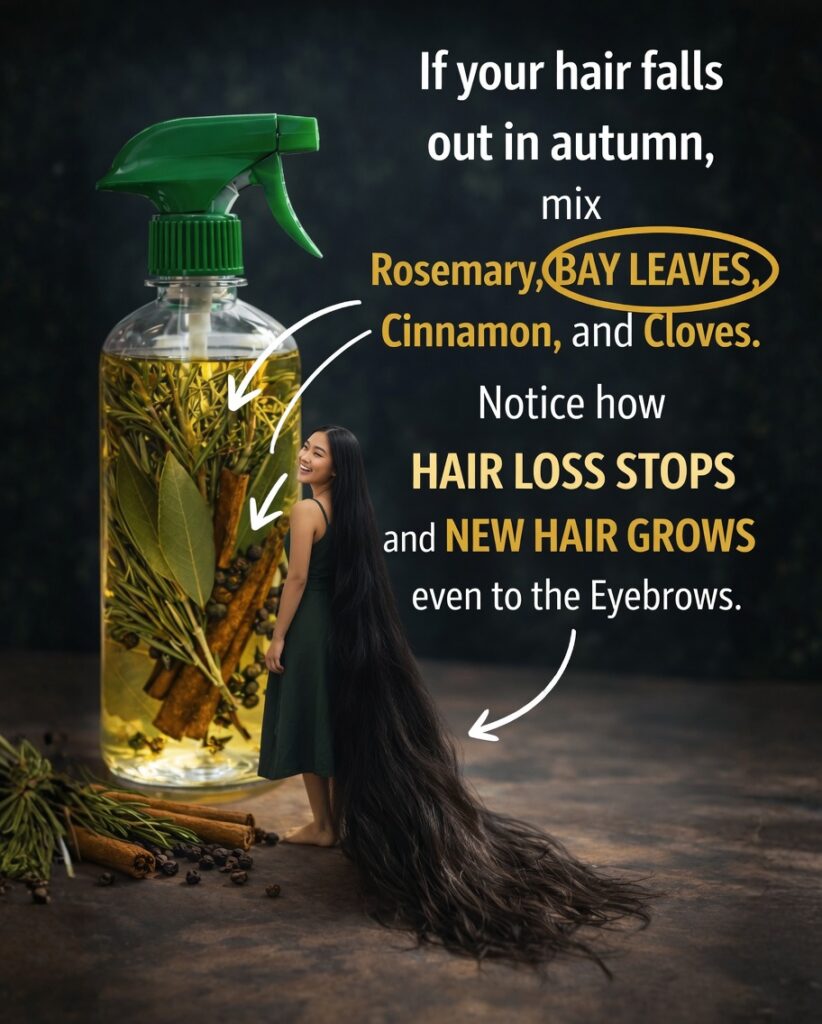
Noticing extra hair in your brush or collecting around the shower drain can feel unsettling. It often leads to second-guessing your appearance, checking mirrors more often, or steering clear of certain styles. For many people, temporary shedding or visible thinning is linked to seasonal shifts, stress, dietary changes, or everyday routines—and it can make simple self-care feel unexpectedly stressful.
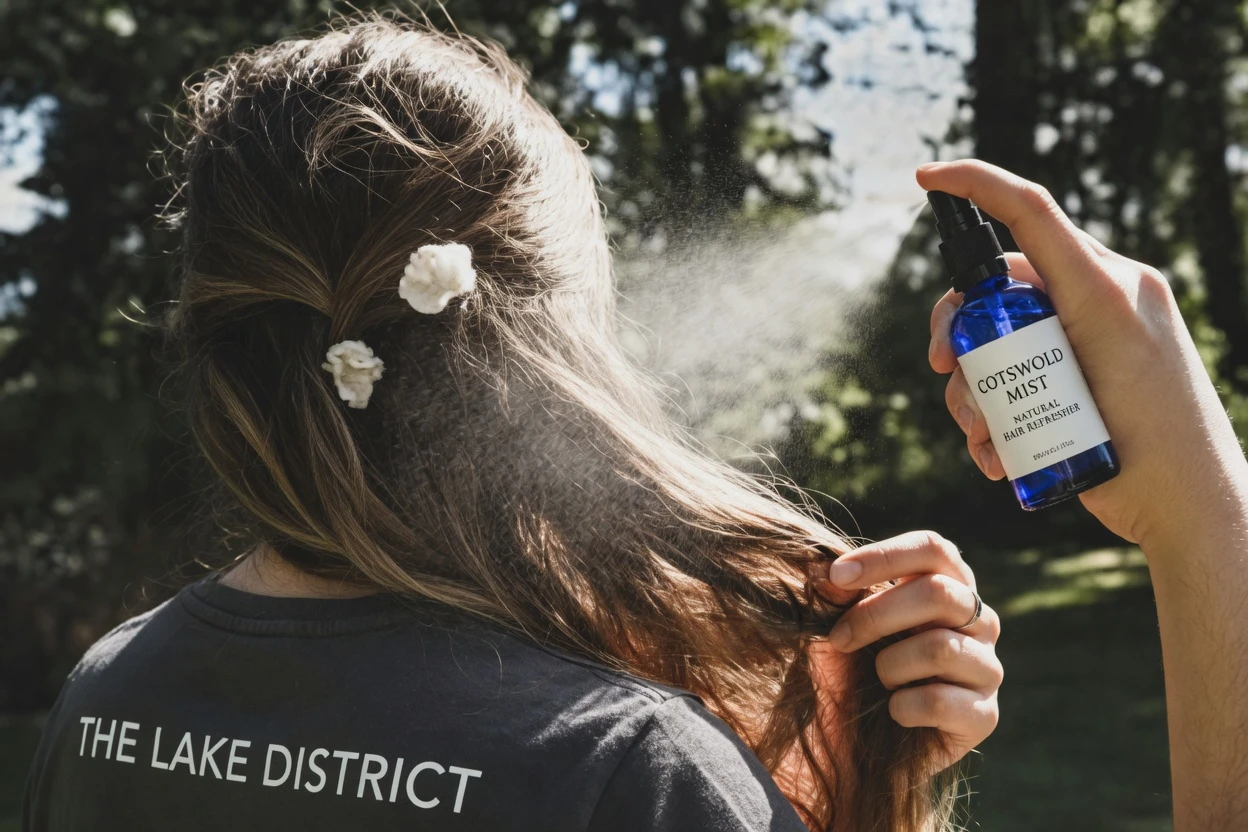
The encouraging news is that gentle, kitchen-based ingredients may help support scalp comfort and stronger-looking strands. This guide also walks you through a surprisingly popular DIY herbal hair spray that many people use as an easy add-on to their routine.
Why Hair Thinning Happens (and Where Natural Support Fits In)
Hair growth follows a natural cycle: growth, rest, and shedding. When that rhythm is disrupted—by nutrition gaps, hormonal fluctuations, ongoing stress, or environmental strain—shedding may appear more noticeable.
Nature-based approaches can’t change every underlying cause, but certain herbs and spices have been explored for benefits that matter to scalp and follicle health, such as:
- Supporting microcirculation in the scalp
- Providing antioxidants that help reduce oxidative stress
- Helping calm irritation and support a balanced scalp environment
One widely referenced example: a 2015 randomized comparative study reported that rosemary oil performed similarly to 2% minoxidil in supporting hair density after six months of consistent use. This is one reason rosemary continues to show up in at-home scalp care routines, especially when combined with other botanicals.
Four Everyday Ingredients That Stand Out for Hair Care
This spray focuses on rosemary, bay leaves, cinnamon, and cloves—a blend that combines traditional use with emerging research interest.
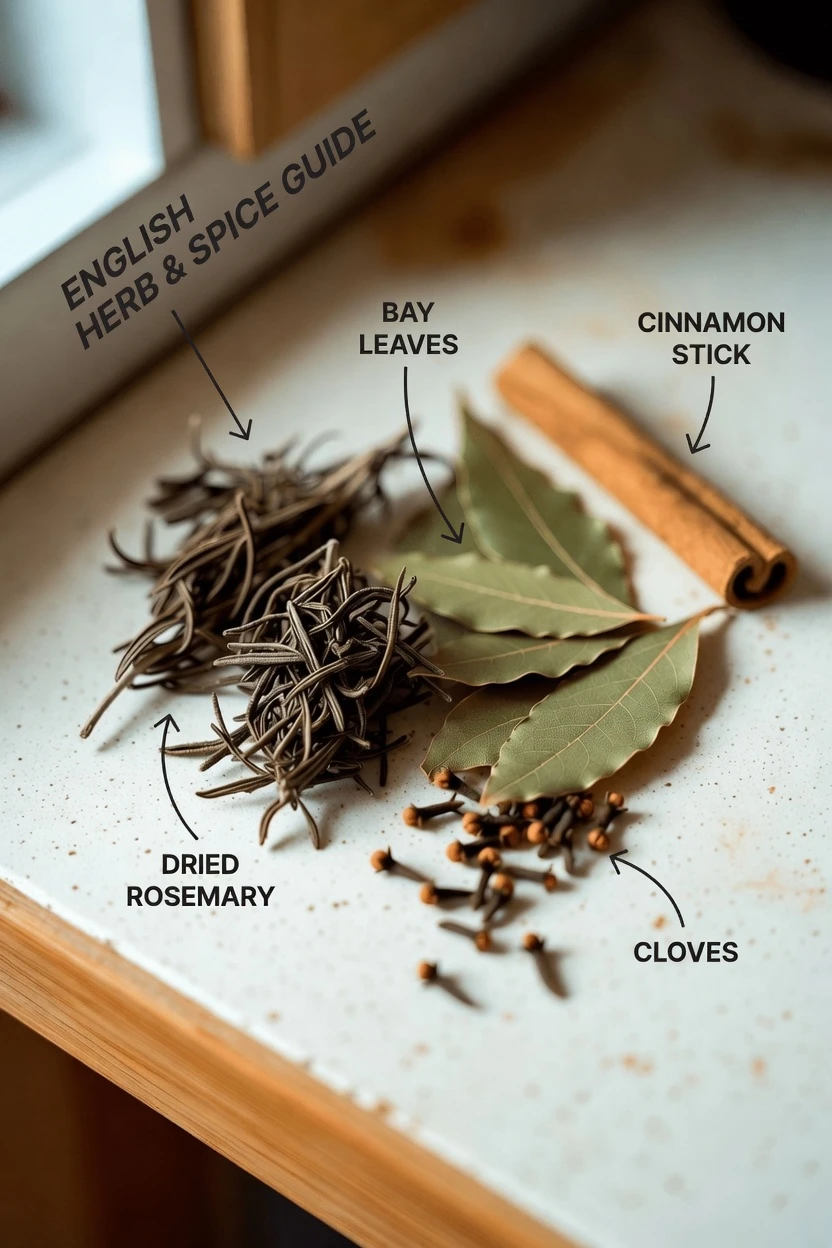
Rosemary: A Research-Backed Favorite for the Scalp
Rosemary is frequently discussed in hair and scalp research. Key compounds (including carnosic acid) contribute antioxidant activity, and rosemary is also associated with supporting circulation around the follicles.
In the 2015 trial comparing rosemary oil with 2% minoxidil, regular use was linked with comparable improvements in hair count over time. Many users also describe the scalp feeling fresher and less uncomfortable.
Bay Leaves: Traditional Care Plus Helpful Nutrients
Bay leaves contain nutrients such as vitamins A and C and iron, all of which play a role in overall hair structure and resilience. Historically, bay leaves have been used to help with:
- Scalp oil balance
- Flake-prone or irritated scalp comfort
Direct hair-specific research is limited, but their anti-inflammatory properties make them a gentle addition for many people.
Cinnamon: Warmth and Circulation Support
Cinnamon contains cinnamic acid, and some lab research (including organoid-based work) suggests it may influence pathways connected to follicle activity and support elongation-related processes. Practically, cinnamon also:
- Adds a pleasant scent
- Brings a “warming” feel that many associate with scalp stimulation
Cloves: Antioxidant Support and Scalp-Cleansing Potential
Cloves are rich in eugenol, known for antimicrobial properties that may help maintain a cleaner-feeling scalp. Early evidence also points to potential circulation support and reduced oxidative stress—two factors often discussed in scalp health.
Quick Ingredient Snapshot
- Rosemary: circulation support, antioxidant activity; often used as a scalp tonic
- Bay leaves: nutrient content + soothing tradition; used for balancing scalp oils
- Cinnamon: warming effect; lab research suggests growth-pathway involvement
- Cloves: antimicrobial + antioxidant support; traditionally used to nourish the scalp
The appeal isn’t only the individual ingredients—it’s the combined, complementary feel of using them together in a simple routine.
DIY Herbal Hair Spray: Step-by-Step Recipe
This homemade spray uses pantry staples and takes minimal effort to prepare.
What You’ll Need
- 2 tablespoons dried rosemary
- 5–6 bay leaves
- 1 cinnamon stick (or 1 teaspoon ground cinnamon)
- 10–12 whole cloves
- 2 cups distilled or filtered water
- 1 clean spray bottle
How to Make It
- Bring the water to a boil in a small pot.
- Add rosemary, bay leaves, cinnamon, and cloves.
- Reduce heat and simmer for 15–20 minutes.
- Turn off the heat, cover, and let the mixture steep for at least 1 hour (overnight for a stronger infusion).
- Strain well and pour into a clean spray bottle.
- Store in the refrigerator and use within up to 2 weeks.
How to Use the Spray (Best Practices)
- Shake before each use.
- Spray onto a clean, damp scalp.
- Massage gently for 2–3 minutes to encourage even distribution.
- Leave it in—no rinse required—and allow hair to air dry.
Consistency matters. Many people report changes such as improved feel or less noticeable shedding after 4–8 weeks, while more visible shifts often take longer due to slow hair-growth cycles.
Tips to Make It Safer and Easier
- Do a patch test on your inner arm first to check sensitivity.
- If daily use feels like too much, begin with 3–5 times per week.
- Pair with a gentle, sulfate-free shampoo.
- Keep out of eyes and avoid applying to irritated or broken skin.
Support Hair Health From the Inside, Too
Topical care can be helpful, but internal factors often play a major role in shedding and strand strength. Consider these supportive habits:
- Scalp massage: 5 minutes daily may help increase blood flow and support healthier-looking hair over time.
- Nutrient-focused eating: include biotin sources (like eggs), omega-3s (like salmon), and iron-rich foods (like spinach).
- Stress reduction: practices such as meditation or yoga may help manage stress responses that can contribute to shedding in some people.
A combined approach—scalp care plus lifestyle support—often delivers the best overall results.
Frequently Asked Questions
How soon could I see results from the herbal spray?
Many users notice changes in texture or reduced shedding within 1–3 months of consistent use. Hair growth is slow and cyclical, so patience and routine matter.
Is it safe for color-treated hair?
Usually, yes—this type of herbal infusion is typically mild. However, do a strand test first, since botanicals can subtly affect tone in some cases over time.
Can men and women both use it?
Yes. Scalp discomfort, shedding, and thinning can affect anyone, and these ingredients are commonly used for general scalp support.
Final Thoughts
Using a natural herbal hair spray can be a simple, empowering addition to a hair-care routine. With ingredients supported by a mix of emerging research and long-standing traditional use, it offers a low-effort way to nurture the scalp and help hair feel stronger and healthier over time.
Results vary between individuals. If shedding is sudden, severe, or persistent, consider speaking with a qualified healthcare professional.
Disclaimer
This article is for educational purposes only and does not diagnose, treat, cure, or prevent any condition. Consult a healthcare professional before starting a new routine—especially if you are pregnant, nursing, have a medical condition, or take medications.