Subtle Body Changes After 40: 14 Silent Warning Signs Women Shouldn’t Ignore
Many women over 40 notice small, gradual shifts in how they feel—changes that are easy to explain away as normal aging, stress, or a packed schedule. Yet some of these “quiet” symptoms can be early clues of more serious health problems, including certain cancers that often start without dramatic symptoms.
Research across major health organizations suggests that recognizing persistent, unusual changes and seeking medical guidance sooner can improve outcomes. The goal isn’t to panic—it’s to pay attention. Below are 14 warning signs reputable medical sources frequently urge women to take seriously, plus practical steps to help you act confidently and early.
Why These Symptoms Are Often Missed After 35
As women move through their mid-30s and beyond, daily life tends to accelerate—work, caregiving, family logistics, and constant to-do lists. It’s common to label ongoing fatigue, discomfort, or digestion changes as “just stress” or “just getting older.”
However, groups like the American Cancer Society and major medical centers (including Mayo Clinic) emphasize a key point: some cancers present early with vague, persistent symptoms, including ovarian, breast, and colorectal cancers. These signals usually don’t shout—they repeat quietly over time.
The good news is that you don’t need complicated tools to protect yourself. Simple habits—like noticing patterns and tracking symptoms—can help you identify what’s truly persistent and worth checking.
The 14 Silent Warning Signs to Watch For
Your body often communicates through small but consistent changes. Health experts (including leading cancer centers and academic hospitals) recommend not dismissing the following symptoms if they last, return frequently, or worsen.
1. Persistent Bloating
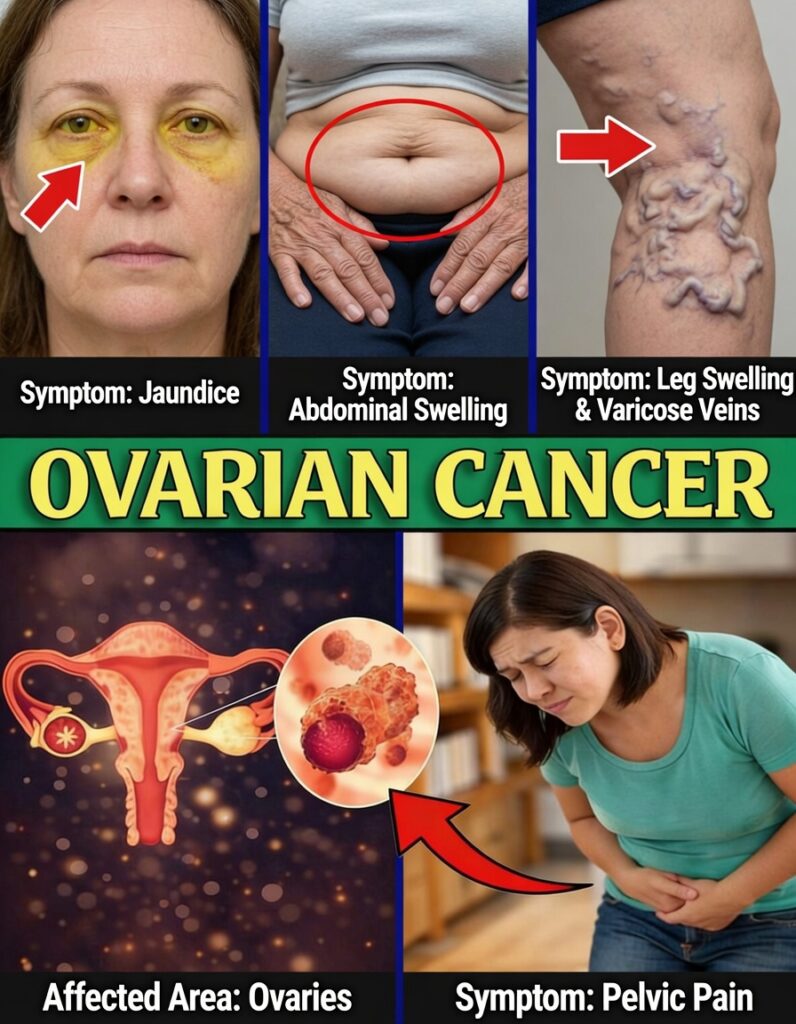
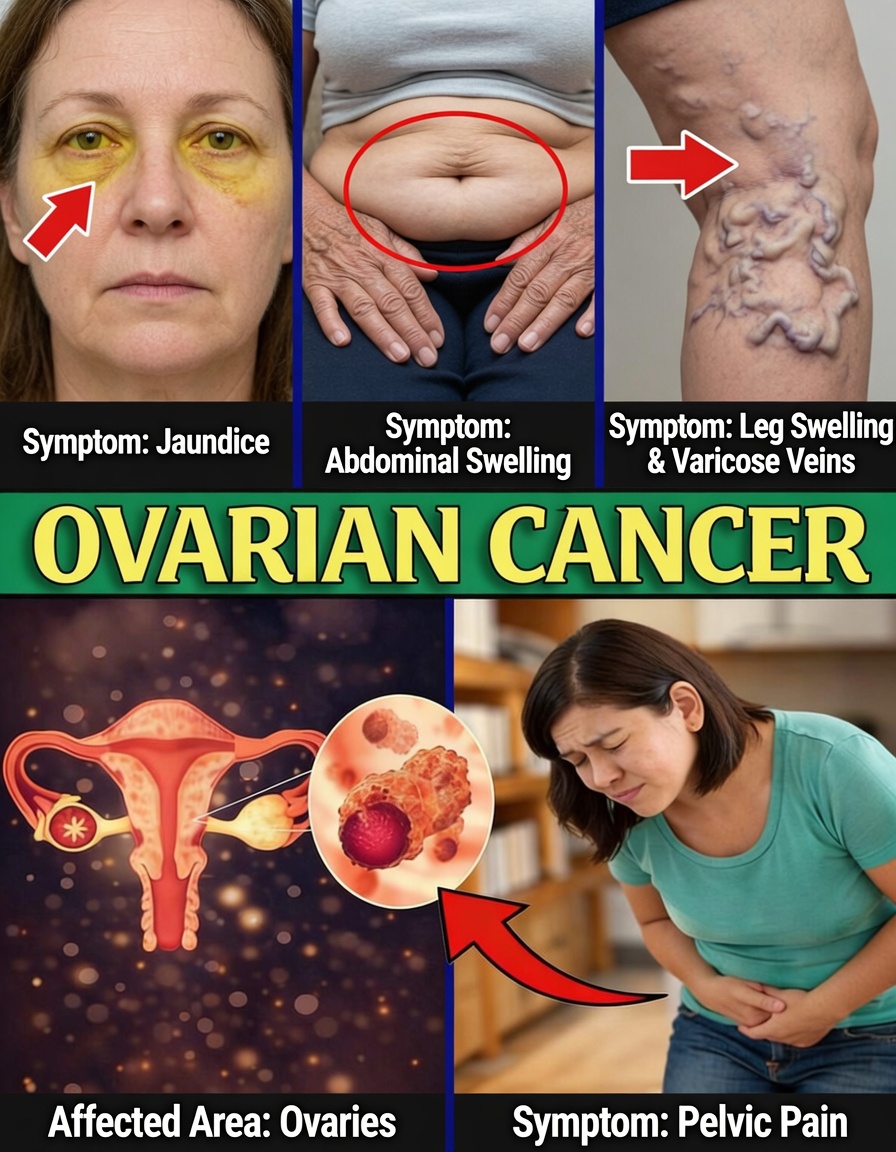
Bloating that sticks around for weeks—especially if it happens most days without a clear trigger—may be more than routine digestion trouble. Ongoing abdominal swelling is often discussed in connection with ovarian and gastrointestinal concerns.
2. Ongoing, Unexplained Fatigue
Fatigue that doesn’t improve with sleep or rest is different from typical tiredness. Persistent exhaustion shows up in a range of conditions, including some blood-related disorders and other serious illnesses.
3. Abnormal Vaginal Bleeding
Spotting between periods, unusually heavy flow, irregular bleeding, or any bleeding after menopause should be assessed promptly. Medical guidance frequently flags this as a common symptom linked to cervical or endometrial issues.
4. Unintentional Weight Loss
Losing weight without changing diet or activity—often noted as 10 pounds or more—can be a sign your body is under strain or undergoing internal changes. It’s a well-known symptom worth discussing with a clinician.
5. Persistent Pain (Pelvic, Abdominal, or Back)
Pain that lingers or returns regularly—especially in the pelvis or lower abdomen—deserves evaluation, particularly when it can’t be explained by activity, injury, or a known condition. Ongoing pelvic pressure is commonly mentioned in ovarian-health discussions.

6. Changes in Bowel Habits
Constipation, diarrhea, or changes in stool shape (including narrower stools) that persist for weeks can be associated with colorectal conditions and should not be ignored.
7. Chronic Heartburn or Indigestion
Frequent reflux, burning sensations, or indigestion that doesn’t respond to typical remedies may indicate issues involving the esophagus or stomach, especially if it becomes routine.
8. Noticeable Skin Changes
A new mole, a changing mole, a sore that won’t heal, or unusual patches of skin should be checked—especially when changes are progressive. Dermatology guidance often highlights these signs as potential indicators of skin-related disease.
9. Trouble Swallowing
If swallowing becomes painful or food feels like it’s sticking, and the issue continues over time, it could point to concerns involving the throat or esophagus.
10. A Cough That Won’t Go Away
A cough lasting more than a few weeks—especially if it’s persistent, dry, or accompanied by other changes—shows up in many lung-health recommendations as something to evaluate.
11. Breast Changes
Any of the following should prompt a timely medical visit:
- A new lump or thickening
- Dimpling or skin texture changes
- Redness or swelling
- Nipple discharge (that isn’t breast milk)
- Changes in shape or size
Breast health organizations emphasize awareness and quick follow-up when changes appear.
12. Intense Night Sweats
Drenching night sweats that feel unusual—even compared with typical menopausal symptoms—are sometimes discussed in relation to conditions like lymphoma and should be reviewed if persistent.
13. Loss of Appetite or Feeling Full Quickly
A reduced desire to eat, feeling full after small amounts, or unexplained appetite changes may appear in discussions of ovarian or gastrointestinal issues.
14. Swollen Lymph Nodes That Persist
Enlarged lymph nodes in the neck, armpits, or groin that don’t go down—especially when you’re not fighting an infection—should be assessed by a healthcare professional.

Many of these symptoms overlap with non-cancer causes (such as hormones, stress, infections, or diet). That’s exactly why professional evaluation matters: persistence is often the deciding factor.
Quick Reference: When to Act
Use this simple guide to prioritize next steps:
- Persistent bloating → Possible ovarian/gastrointestinal concern → Track for 2+ weeks, book a visit if ongoing
- Unexplained fatigue → Many possible causes → See a clinician if rest doesn’t help
- Abnormal vaginal bleeding → Cervical/endometrial concerns → Schedule promptly
- Breast changes → Breast health concern → Do not delay
- Unexplained weight loss → Multiple possibilities → Discuss soon
How to Notice Patterns and Respond (Without Overreacting)
A practical approach can reduce anxiety and increase clarity. Start with these steps:
-
Keep a simple symptom log
- What you felt
- When it started
- How severe it is (1–10)
- What improves or worsens it
-
Track consistently for two weeks
Many health resources recommend giving symptoms a short window to resolve—then acting if they don’t. -
Use a health app if it helps
Free tracking tools can reveal patterns you might miss day to day. -
Stay current with preventive screenings
Common recommendations include:- Annual wellness visits
- Mammograms (often starting around 40–45, depending on guidelines and risk)
- Pap tests on the recommended schedule
- Colorectal screening (often starting around 45, based on guidance and risk factors)
-
Bring your notes to your appointment
Specific dates and patterns help clinicians evaluate more effectively.
Combining daily awareness with routine preventive care is one of the most reliable ways to protect long-term health.
Quick Check-In: How Aware Are You Right Now?
Ask yourself:
- Which of the 14 signs have you noticed recently, if any?
- On a scale of 1–10, how confident are you in spotting changes in your body?
- What one step will you take this week—start a journal, schedule a screening, or make a check-up appointment?
Small, repeatable habits are often what make awareness stick.
Why Acting Early Can Change Outcomes
Medical experts consistently emphasize that earlier evaluation of persistent symptoms can lead to earlier intervention and better management. Tracking changes, staying up to date on screenings, and speaking openly with a clinician can give you a real advantage—especially when symptoms are subtle.
Final Thoughts: Take One Simple Step Today
You’ve already done the hardest part: learning what to look for. If any symptom on this list sounds familiar, start small—track it for two weeks, schedule a screening you’re due for, or book a medical visit for peace of mind. Paying attention now can prevent bigger problems later.
FAQ
What if my symptom is mild—should I still see a doctor?
Yes, if it lasts longer than a couple of weeks, keeps returning, or gets worse. Many mild symptoms are harmless, but persistence is a reason to check in.
Do these warning signs always mean cancer?
No. Many have common, non-serious causes such as hormonal changes, diet, medication effects, stress, or infection. The point is that ongoing symptoms deserve professional input.
How often should women get screened?
Screening schedules vary by age, history, and risk. Many guidelines suggest:
- Mammograms around 40–45
- Pap tests every 3–5 years (depending on the type of test and results)
- Colorectal screening starting around 45
Always ask your healthcare provider what’s right for you.
This article is for informational purposes only and does not replace medical advice, diagnosis, or treatment. Always consult a qualified healthcare professional about symptoms, concerns, or changes to your health plan.