Why Hands Can Look Older Faster Than the Face
As many women get older, their hands often start to look and feel different—drier, rougher, and less even in tone. In fact, hands can reveal age earlier than facial skin because they face constant wear and tear. The skin on the backs of the hands is thinner, produces less natural oil, and is repeatedly exposed to sunlight, water, detergents, and everyday friction from tasks like cleaning, typing, or carrying bags.
While facial skincare tends to be a daily priority, hands are frequently left out of consistent routines. That’s why basic hand lotions may feel helpful at first, but the softness often fades quickly—especially when dead skin buildup and dehydration aren’t addressed together.
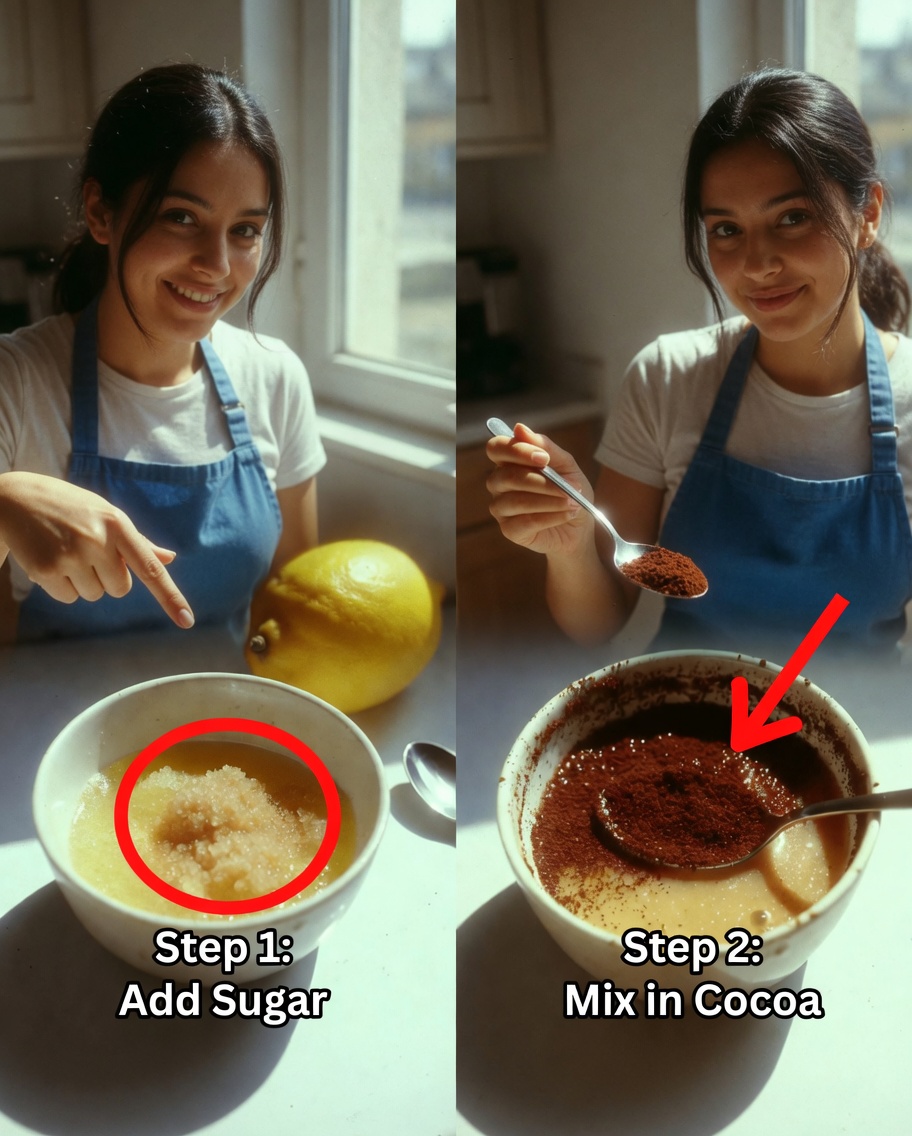
A simple, gentle homemade scrub made with lemon, sugar, and used coffee grounds is a popular at-home option for exfoliating and refreshing the look of hands using common kitchen staples. Below, you’ll learn what causes these changes, how the ingredients may support hand care, and an easy routine to try.
What Causes Early Aging Signs on Hands?
Hands are exposed to more environmental stress than most areas of the body. Several factors contribute to visible changes over time:
- Thinner skin and fewer oil glands, especially on the back of the hands
- Frequent handwashing and sanitizer use, which strips moisture
- Sun exposure, a major contributor to uneven tone and visible aging
- Repetitive daily activities, increasing dryness and texture roughness
Surveys and observations commonly note that many women over 40 become especially aware of changes like rough patches, darker knuckles, uneven tone, or more noticeable veins.
Moisturizers can temporarily smooth the surface, but they may not fully improve dullness if dead skin layers remain. Adding gentle exfoliation once or twice a week can help remove that buildup and make hydration products work more effectively.
How Lemon, Sugar, and Coffee Grounds Work in a Hand Scrub
This DIY scrub combines three ingredients that each contribute a practical skincare benefit.
- Sugar (granulated): Works as a physical exfoliant. Its fine grit helps lift and buff away dead skin cells for a smoother feel.
- Fresh lemon juice: Contains citric acid, a naturally occurring AHA (alpha hydroxy acid). Citric acid is associated with mild exfoliation and may support a brighter appearance by encouraging surface cell turnover. Lemon also contains vitamin C, valued for antioxidant support.
- Used coffee grounds: Provide gentle abrasion along with caffeine and antioxidants. Topical caffeine is studied for potential circulation-supporting and antioxidant effects, and coffee by-products are widely explored in skincare for soothing and protective properties.
Together, they form a natural, grainy paste intended for occasional use. Keep expectations realistic: results differ by skin type, and this is not a medical treatment—just a supportive home-care method.
Potential Benefits of This Simple Hand Scrub Routine
When used carefully, this type of scrub may help improve the look and feel of hands by:
- Smoothing texture through gentle removal of dull surface cells
- Supporting a more bright and refreshed look with natural acids and antioxidants
- Helping creams absorb better after exfoliation
- Creating a temporary “revived” feel through massage and circulation support
- Offering a budget-friendly option using common ingredients
Consistency matters, but so does restraint—overuse can lead to irritation and dryness.
How to Make and Use the Lemon-Sugar-Coffee Hand Scrub (Step-by-Step)
Ingredients (for 1–2 uses)
- 2–3 tbsp granulated white sugar
- Juice of ½ lemon (roughly 1–2 tbsp)
- 1–2 tbsp used coffee grounds (cooled, drained)
Instructions
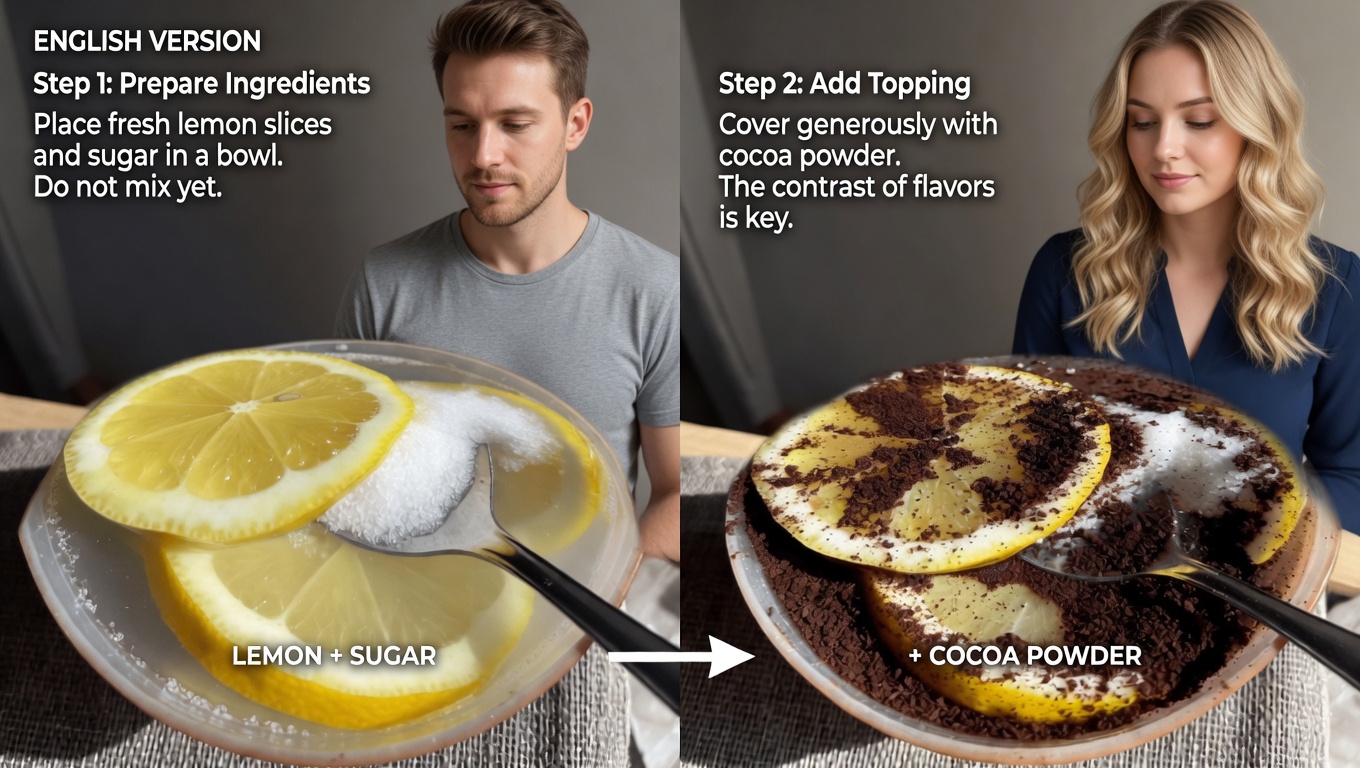
- In a small bowl, combine sugar and coffee grounds first.
- Slowly add lemon juice, stirring until you get a thick, gritty paste.
- If it becomes too thin, mix in a bit more sugar.
- Start with clean, dry hands. Apply a small amount and massage gently in circles.
- Focus on the backs of hands, knuckles, and palms.
- Use light pressure to avoid irritation.
- Massage for 2–3 minutes.
- Leave it on for 5–10 minutes.
- A mild tingling sensation can happen; rinse sooner if it feels uncomfortable.
- Rinse with lukewarm water and pat dry.
- Immediately apply a rich hand cream or an occlusive like petroleum jelly.
- For an extra moisture boost, wear cotton gloves overnight.
How often?
- Use no more than 2–3 times per week, ideally in the evening.
Patch test (important)
Apply a small amount to the inner arm, wait 24 hours, and check for redness, burning, or irritation.
Common Hand Concerns vs. How This Routine May Support Them
-
Rough, dry texture
- Common experience: flaky, “sandpaper” feel, occasional cracking
- Potential support: exfoliation helps remove dead skin so hands feel smoother
-
Darker knuckles or uneven tone
- Common experience: visible buildup or sun-related unevenness
- Potential support: mild acids + antioxidants may support gradual brightening
-
Fine lines and crepey look
- Common experience: thin, wrinkled appearance
- Potential support: exfoliation plus strong moisturizing afterward can improve surface softness
-
Hands looking older than the face
- Common experience: mismatch between facial skincare results and hand appearance
- Potential support: regular gentle renewal paired with hydration and sun protection
Individual outcomes depend on skin sensitivity, consistency, and sun exposure.
A Practical Timeline to Add This Into Your Routine
- Week 1: Try 1–2 sessions; many people notice immediate softness.
- Weeks 2–3: Add overnight moisture; texture may start to feel more refined.
- Week 4 and beyond: Maintain the routine and add daily protection like SPF hand cream to help prevent new discoloration.
If irritation occurs, stop and consider speaking with a dermatologist.
Extra Tips to Improve Results (Without Overdoing It)
- Apply the scrub at night, when skin recovery is naturally higher.
- Always follow with a thick moisturizer to seal in hydration.
- Protect hands daily with SPF 30+ or gloves outdoors.
- Massage gently—pressure doesn’t improve results and can trigger irritation.
- Optional: add a small amount of honey for a more soothing, hydrating feel.
Frequently Asked Questions
1) Is this scrub suitable for sensitive skin?
It can be mild for some people, but lemon juice is acidic and may irritate sensitive or compromised skin. Patch-test first, and avoid use if you have cuts, eczema, or active irritation unless a professional approves.
2) How often should I use it?
For most people, 2–3 times per week maximum is plenty. Over-exfoliating can worsen dryness and sensitivity.
3) Can it fade sun spots or dark patches?
It may help support a more even-looking tone gradually, but it is not a cure for pigmentation. Daily sun protection is essential to prevent dark areas from getting worse.
Disclaimer
This article is for informational purposes only and does not provide medical advice. Lemon juice may cause irritation or increased photosensitivity. Patch-test before use, avoid sun exposure after application, and discontinue immediately if redness, burning, or discomfort occurs. Consult a dermatologist or healthcare provider for personalized guidance, especially if you have skin conditions, allergies, or open wounds.