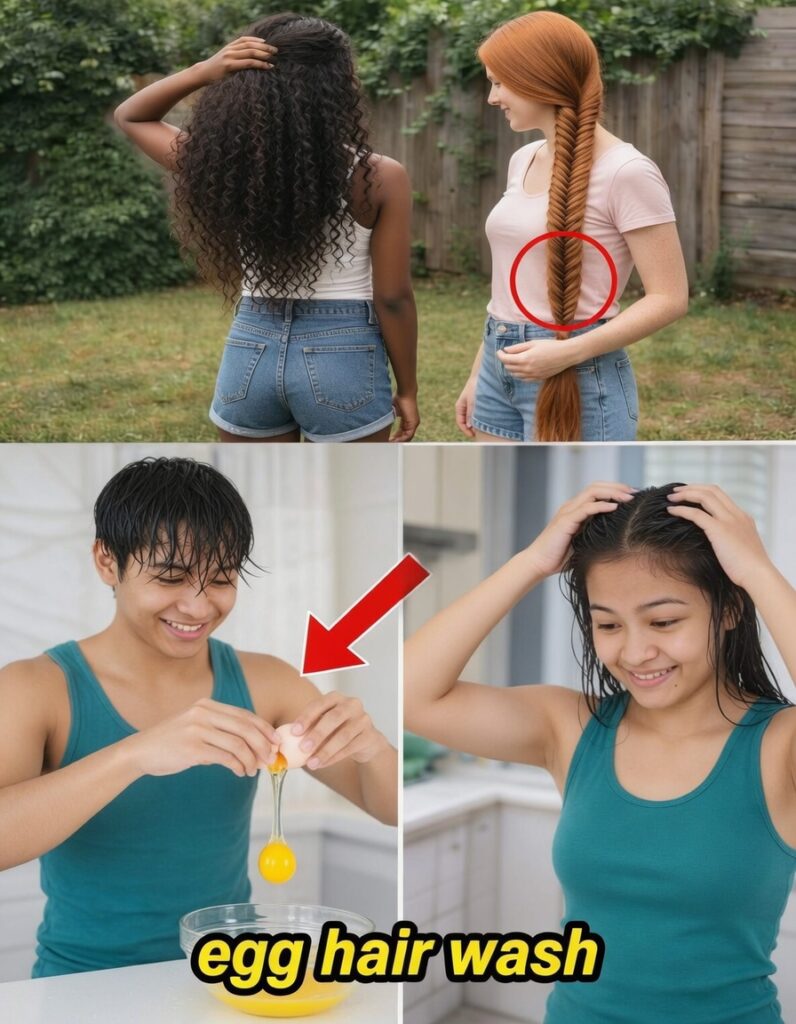
Many women in their 30s and beyond start to notice subtle (and sometimes frustrating) hair changes—more shedding in the shower, less volume at the roots, or increased breakage during everyday styling. These shifts often become more pronounced around perimenopause and menopause, when hormone fluctuations can affect the hair and scalp. Research also suggests that female pattern hair thinning is common; one cross-sectional study reported it in more than half of postmenopausal women. While hair health is shaped by many variables—nutrition, stress, medical changes, and styling routines—plenty of people look for gentle, at-home hair care to support how their hair looks and feels.
One surprisingly simple option may already be in your kitchen: eggs. Used for generations as a natural hair treatment, egg hair masks are popular for their potential to nourish strands with protein and other key nutrients. Below, you’ll learn what makes eggs interesting from a nutrient perspective, what benefits people commonly report, and how to use an egg hair mask safely and effectively.
Why Hair Often Changes After 30 (and Why Protein Matters)
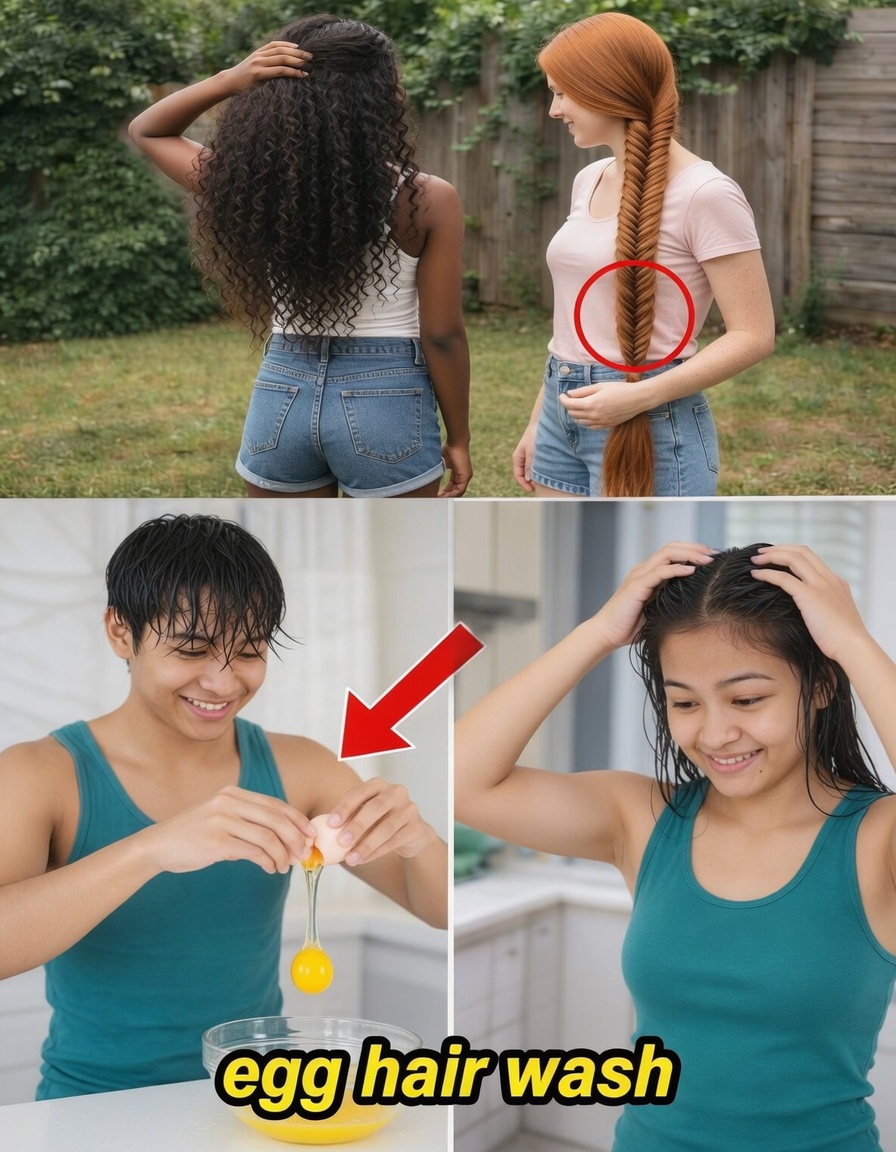
As hair ages—particularly after 30—it may become drier, more fragile, and less dense-looking. Hair is largely made of keratin, a structural protein. When hair is exposed to frequent heat styling, chemical services, environmental wear, or inadequate nutrition, it can feel weaker, rougher, or thinner.
Eggs stand out in DIY hair care because they contain:
- Complete, high-quality protein (building blocks that support hair structure)
- Biotin (vitamin B7), commonly associated with keratin support
- Healthy fats, especially in the yolk, which can improve softness and moisture balance
- Lecithin, a natural emulsifier that can help hair feel smoother and more conditioned
In simple terms:
- Egg yolks tend to be more moisturizing due to fats and lecithin
- Egg whites are mostly protein and can feel lighter on the hair
Topical use won’t replace a balanced diet or address every cause of thinning, but many people like eggs as a minimal-ingredient, food-based approach compared with heavily fragranced or chemical-loaded products.
Egg hair masks vs. many commercial treatments (quick comparison)
- Protein source
- Commercial: often hydrolyzed or lab-processed proteins
- Egg mask: naturally occurring complete proteins from whole eggs
- Nutrient mix
- Commercial: typically targeted (for example, “added biotin”)
- Egg: naturally includes protein, biotin, fats, and lecithin
- Moisture feel
- Commercial: can sometimes leave hair feeling dry depending on formula
- Egg: yolks can add hydration without a heavy coating
- Cost per use
- Commercial: often $10+ per treatment
- Egg: typically under $1 using basic kitchen staples
- Potential irritants
- Commercial: fragrances, preservatives, and other additives
- Egg: fewer ingredients (though allergies are possible)
Next, let’s break down the most discussed benefits of egg hair masks.
Key Potential Benefits of Egg Hair Masks
Human research on applying raw egg directly to hair is limited. However, the nutrients in eggs—especially protein and biotin—are strongly tied to hair structure and overall hair health. Many users report that consistent use improves texture, softness, and manageability.
1) May reduce breakage by supporting strand strength
Since hair is protein-based, adding a protein-rich treatment can make strands feel more reinforced—especially if your hair is prone to snapping during brushing or styling.
2) Can make hair look fuller temporarily
Egg whites are protein-rich and may give a light “lift” effect, helping hair appear more voluminous—particularly at the roots.
3) Adds moisture without feeling overly greasy
Yolks contain fats and lecithin that can help hair retain hydration, which may reduce dryness and frizz while keeping hair touchable.
4) Improves shine and smoothness
When the cuticle lies flatter, hair reflects light more evenly. Many people notice a glossier look after rinsing an egg mask thoroughly.
5) Supports a cleaner-feeling scalp
Eggs contain gentle enzymes that may help loosen buildup for some users, contributing to a fresher scalp feel.
6) May support healthier growth conditions (indirectly)
Biotin plays a role in keratin production. Some lab research explores egg-derived compounds and follicles, but stronger human evidence is still needed. In practice, better-conditioned hair often looks like it grows better because it breaks less.
7) Helps manage frizz and humidity
The yolk’s fats can create a light barrier that makes hair easier to smooth and style.
8) Can temporarily improve the feel of heat- or color-damaged hair
Protein-based treatments may help hair feel more “filled in” and less rough, especially at the ends.
9) May improve elasticity so strands snap less
Well-conditioned hair tends to flex more before breaking, which can reduce breakage during detangling.
10) Helps balance oil and moisture across the hair
Some people find that whites are useful for oilier roots, while yolks help hydrate drier ends—creating a more balanced finish overall.
11) Adds a light protective layer
Proteins and antioxidants can provide mild support against everyday stressors like pollution and styling wear.
12) Makes detangling easier
Smoother cuticles often mean less snagging, making hair easier to comb through.
13) Helps with length retention
Even if growth rate doesn’t change, less breakage can help you keep more length—making hair look longer and fuller over time.
14) “All-in-one” nutrient synergy
Whole eggs combine protein, fats, and vitamins in a single, simple treatment—one reason many people keep coming back to them.
These results vary from person to person, and egg masks work best when paired with good overall hair habits (gentle handling, smart heat use, and supportive nutrition).
How to Make an Egg Hair Mask (Step-by-Step)
Before you start: patch test first. Apply a small amount behind your ear or on your inner arm and wait 24 hours, especially if you have sensitive skin.
Basic whole egg mask (works for most hair types)
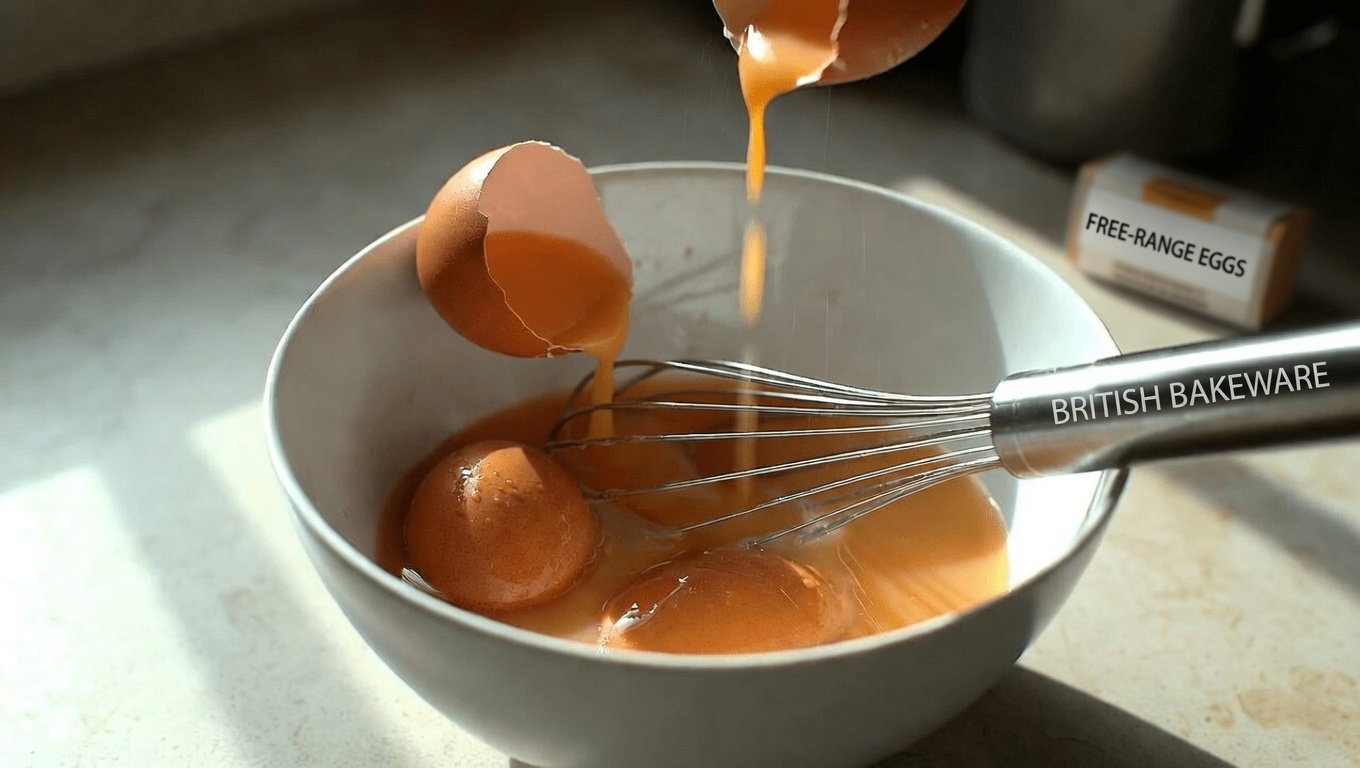
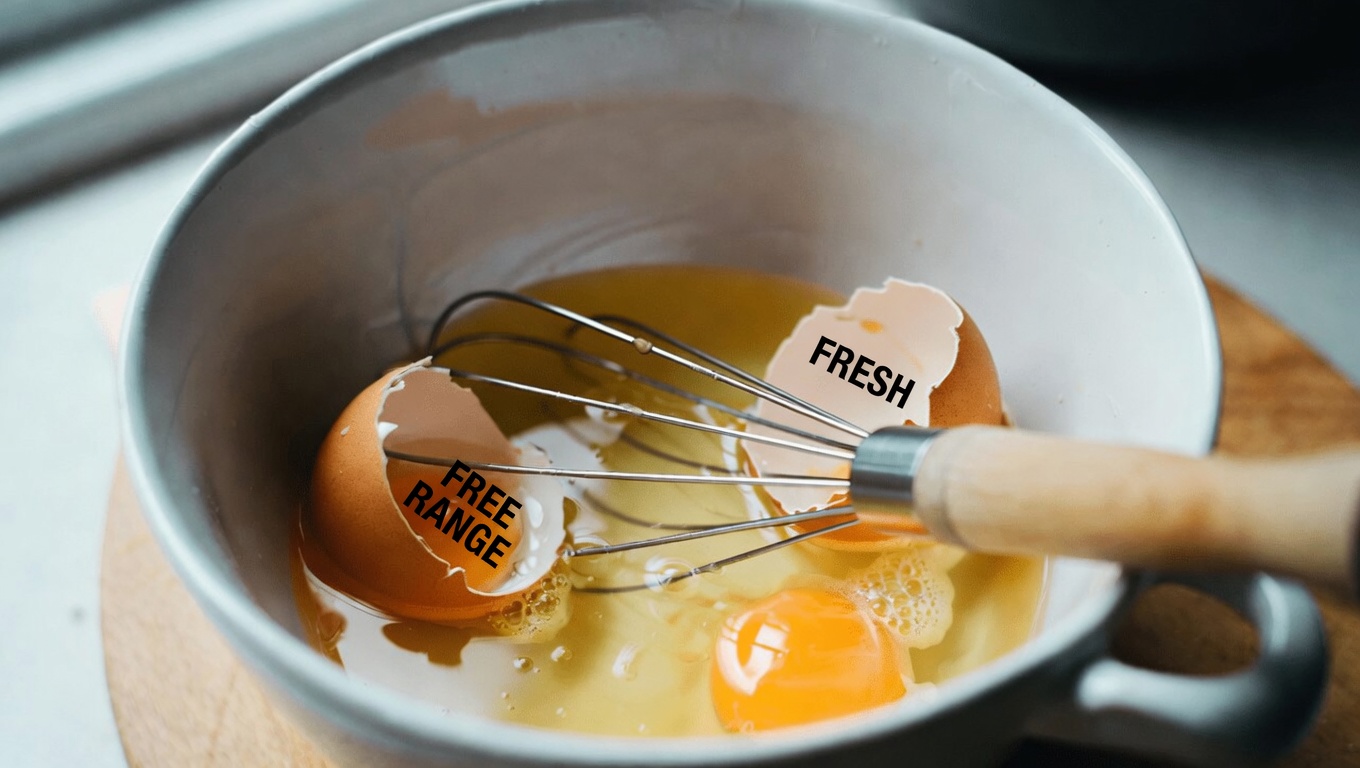
- Whisk 1–2 eggs (use 1 for short/medium hair, 2 for long/thick hair) until fully blended.
- Optional: mix in 1 tablespoon olive oil or honey for added moisture.
- Apply to damp hair, working from roots to ends.
- Cover with a shower cap and leave on for 15–20 minutes.
- Rinse extremely well using cool water (hot water can cook the egg).
- Shampoo gently, then follow with conditioner.
How to customize your egg mask
- Dry or damaged hair: emphasize yolks + a little avocado oil
- Oily scalp: use mostly whites + a small amount of lemon juice for a clarifying feel
- Fine or thinning hair: whole egg + yogurt for lighter conditioning and lift
- Color-treated hair: whole egg + a small amount of coconut oil to support softness and shine
Suggested schedule (easy routine)
- Weeks 1–2: once weekly
- Weeks 3–4: every other week
- Month 2 and beyond: monthly or as needed for maintenance
Tips that matter:
- Always use fresh eggs.
- Always rinse with cool water to avoid odor and residue.
Egg Masks vs. Other Popular DIY Hair Treatments
If you’re comparing DIY options, here’s a practical snapshot:
- Egg mask: high protein, balanced moisture, moderate effort; possible mild smell (often reduced with lemon)
- Avocado mask: lower protein, very moisturizing, easy; no noticeable smell
- Yogurt mask: moderate protein, high moisture, easy; mild scent
- Rice water rinse: low protein, moderate moisture; more time-intensive; neutral smell
If your main goal is a simple protein-forward hair mask, eggs are one of the most direct options.
Final Takeaway: A Simple, Affordable Boost for Healthier-Looking Hair
An egg hair mask is a budget-friendly, natural way to treat hair with protein, biotin, fats, and lecithin. With consistent use, many people find their hair feels softer, looks shinier, and becomes easier to style—especially when breakage and dryness are concerns. Start with a simple recipe, stay consistent, and adjust based on how your hair responds.
Frequently Asked Questions
How often should I use an egg hair mask?
Begin with once per week, then move to every 1–2 weeks depending on your hair type. Too much protein can leave some hair feeling stiff or coated, so adjust if needed.
Can egg masks make hair grow faster?
Eggs provide nutrients that support healthy-looking hair, but evidence for dramatic growth acceleration is limited. That said, improved strength and reduced breakage can help with length retention, making hair appear fuller over time.
Are there risks to using egg hair masks?
- Avoid egg masks if you have an egg allergy.
- Raw eggs carry a small food safety risk. Use fresh eggs, avoid getting the mixture in your mouth or eyes, and rinse thoroughly. If you have scalp irritation or a skin condition, consider checking with a healthcare professional before trying DIY treatments.