
Millions of Americans experience occasional digestive discomfort—bloating, irregular bowel movements, or mild gut irritation. Stressful schedules, ultra-processed foods, and everyday routines can gradually disrupt gut balance, leaving you feeling heavy, sluggish, or “off” without a clear reason. While many people reach for fast-acting supplements, there are also gentle, food-based options worth considering.
This guide explores what research suggests about aloe vera, cloves, and garlic—three familiar plants that may support intestinal wellness when used thoughtfully.
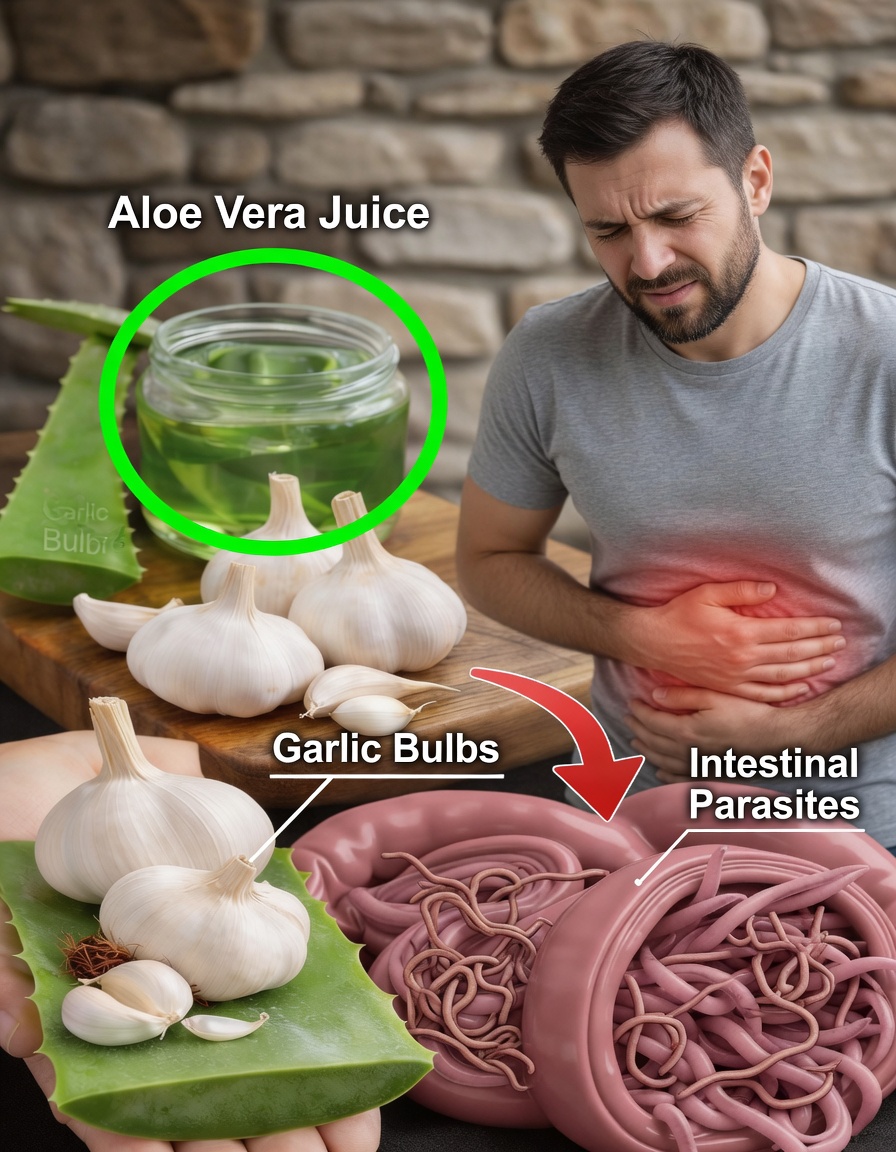
Why Gentle Gut Support Matters More Than Ever
Modern life can be tough on digestion. High stress, low-fiber diets, inconsistent sleep, and even occasional antibiotic use may shift the gut microbiome—the community of microbes linked to digestion, immune regulation, and overall health. Digestive concerns also drive tens of millions of medical visits each year in the U.S., reflecting how widespread these issues are.
Over-the-counter solutions can help temporarily, but they don’t always support long-term comfort—and some people prefer approaches that feel more natural and sustainable. That’s where plant-based strategies can serve as complementary tools, especially when combined with consistent lifestyle habits.
A crucial idea to keep in mind: small daily practices often outperform “big fixes” over time.
The “Power Trio”: How Aloe Vera, Garlic, and Cloves May Support the Gut
Each plant contains well-studied compounds that have attracted interest for digestive and microbiome-related benefits:
- Aloe vera contains polysaccharides that may help soothe the intestinal lining and support regularity.
- Garlic produces allicin (when crushed), known for antimicrobial activity; it also contains fructans that may feed beneficial bacteria.
- Cloves are rich in eugenol, associated with antimicrobial effects and inflammation support.
Individually, these ingredients show potential. Together, they may offer complementary support—so long as you prioritize quality, moderation, and personal tolerance.
But there’s an important detail most people miss when using natural remedies—stay with me for it near the end.
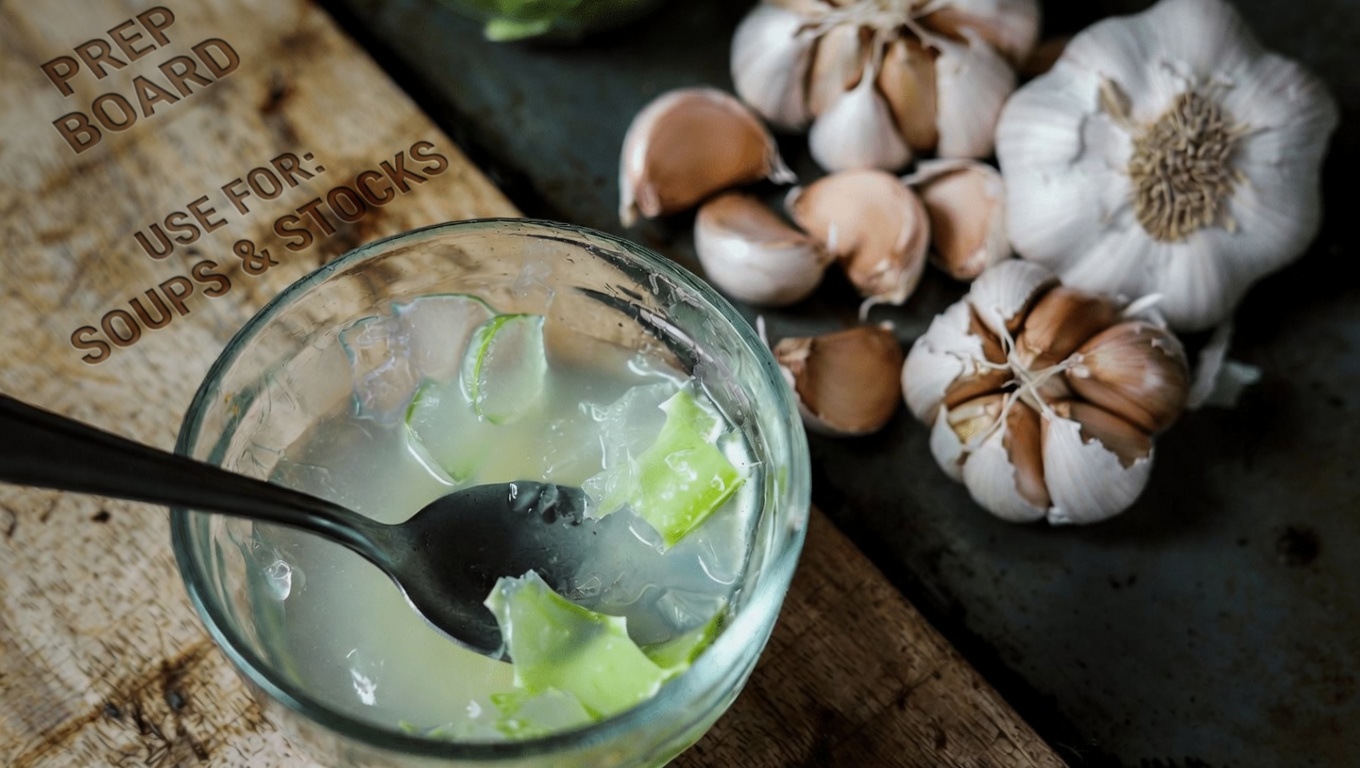
Aloe Vera: A Gentle Option for Digestive Calm
Aloe vera gel—specifically the clear inner portion of the leaf—has a long history of use for soothing purposes. Research reviews and small clinical trials suggest aloe preparations may help with occasional digestive discomfort, including symptoms often reported in irritable bowel syndrome (IBS), such as bloating or irregularity.
Many people also describe a “lighter” digestive feeling when using small amounts consistently.
Important distinction: only use the inner gel. The outer latex portion can act as a strong laxative and may lead to cramping or loose stools.
- Quick tip: Fresh gel from a mature leaf is often chosen for purity, but safe, reputable commercial inner-gel products can work too.
Garlic: Antimicrobial Support With Prebiotic Potential
Garlic is unique because it changes when you prepare it. When a clove is crushed or chopped, enzymes help form allicin, a compound studied for antimicrobial activity in lab and animal research. At the same time, garlic’s fructans can function as prebiotics, helping nourish beneficial gut bacteria.
Some research suggests garlic may influence the microbiome and support healthy inflammatory responses in the digestive tract. In everyday life, regular culinary garlic use is often linked—anecdotally and in some studies—to steadier digestive comfort.
- Pro tip: Crush garlic and let it sit for 10–15 minutes before cooking to increase allicin formation.
- Self-check: If you often feel tired or heavy after meals, small adjustments (including ingredient choices) may help.
Cloves: Warming Support for Microbial Balance
Cloves are a potent spice, best known for eugenol, a compound studied for its antimicrobial and anti-inflammatory characteristics. Research models suggest clove compounds may help inhibit certain unwanted microbes and support the gut’s protective barrier.
Traditionally, cloves have been used in warm infusions for occasional bloating or digestive spasms. Many people find clove tea especially comforting after heavier meals.
The aim is simple: a calmer, more balanced gut experience.
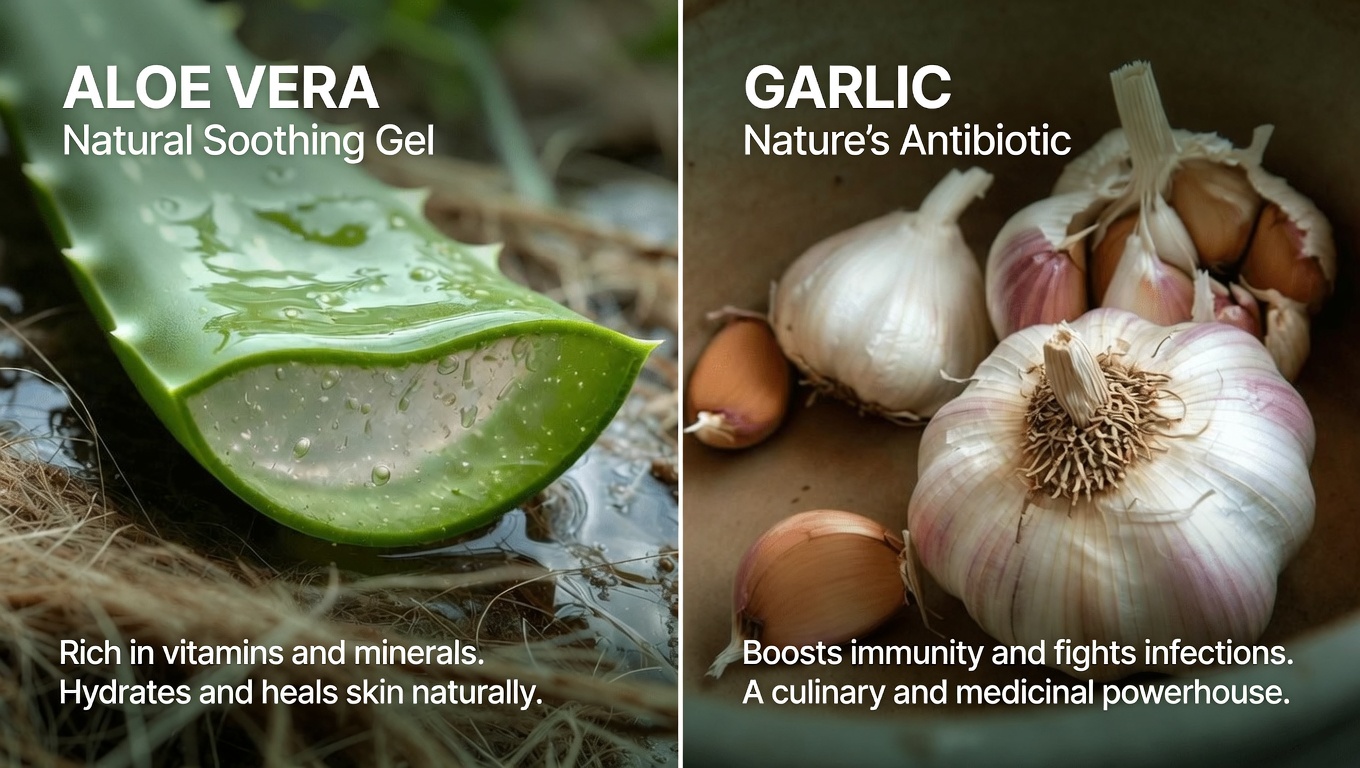
Using Them Together: What “Synergy” May Look Like
When used in low, reasonable amounts, aloe vera, garlic, and cloves may provide a mix of benefits—soothing support from aloe, microbiome and antimicrobial influence from garlic, and warming balance from clove compounds.
Traditional practices sometimes combine these ingredients in teas or gentle routines. Anecdotally, people often report better results when they use them consistently rather than intensely.
The main rule: start small and build slowly to avoid irritating your digestive system.
Safety First: Precautions and Interactions
These plants are powerful, and “natural” does not automatically mean risk-free.
- Aloe vera: Use inner gel only. Avoid latex, which may cause diarrhea or cramps.
- Garlic: High amounts can irritate the stomach and may interact with blood-thinning medications.
- Cloves: Concentrated or excessive use may irritate the digestive tract; clove oil is especially strong and should not be used casually.
If you are pregnant, breastfeeding, have a medical condition, or take medication, talk with a healthcare professional before adding these remedies.
Quick reference
- Aloe vera — soothing support; avoid latex to reduce laxative effects
- Garlic — antimicrobial + prebiotic potential; may affect clotting or cause irritation in large amounts
- Cloves — microbial balance and inflammation support; too much may irritate
Pay attention to how your body responds and adjust accordingly.
Practical Ways to Add Them (Simple, Low-Dose Ideas)
Keep it easy and gentle—especially at the beginning.
-
Aloe Vera Gel Drink
- Blend 1–2 oz of fresh inner gel with water or juice.
- Start with less to test tolerance.
- Use once daily if it feels comfortable.
-
Garlic With Meals
- Crush 1 clove, wait 10 minutes, then add to food.
- Works well in salads, soups, or stir-fries.
- Raw or lightly cooked garlic may preserve more active compounds.
-
Clove Tea
- Steep 2–3 whole cloves in hot water for 5–10 minutes.
- Sip 1 cup daily if tolerated.
What to Watch For: Helpful Signs vs. Caution Signs
Potential positive changes
- More consistent bowel regularity
- Less occasional bloating
- Improved overall abdominal comfort
Mild, common adjustment effects
- Temporary gas or stronger odor (often linked to garlic)
- A warming sensation from spices
Stop and seek medical help if you notice
- Severe pain
- Persistent diarrhea
- Signs of allergy or swelling
Conclusion: A Gentler Path to Better Digestive Comfort
Aloe vera, cloves, and garlic may offer a supportive, natural approach to gut health through soothing effects, antimicrobial activity, and microbiome-friendly compounds. When used mindfully, they can complement a balanced diet and healthy routine.
Try starting with one ingredient, track how you feel for a couple of weeks, and make adjustments based on tolerance. Choose fresh ingredients or reputable products whenever possible.
The overlooked secret: low-dose consistency beats high-dose intensity. Gentle daily care is often what produces lasting results.
Frequently Asked Questions
-
Can I use aloe vera, garlic, and cloves together every day?
Often yes in small amounts, but it’s smarter to introduce them one at a time to assess tolerance. If you have health conditions or take medication, consult a clinician. -
How much garlic is typically used for digestive support?
Many people use 1–2 cloves per day in meals. Higher amounts may cause irritation. -
Is fresh better than supplements?
Fresh ingredients can provide active compounds naturally. If you prefer supplements, choose reputable, third-party tested products for quality.
Medical disclaimer: This article is for informational purposes only and is not medical advice. Consult a healthcare professional before trying new remedies, especially if you are pregnant/breastfeeding, have medical conditions, or take medications.