Aspirin and Lemon for Skin: Benefits, How to Use It, and Safety Warnings
Many people look for simple, budget-friendly ways to improve the look of their skin at home—especially when dealing with fine lines, uneven tone, dullness, or occasional breakouts. While dermatologist-tested skincare products are often the most reliable option, DIY skincare remains popular for those who want to experiment with familiar kitchen ingredients.
One of the most talked-about home remedies is an aspirin and lemon juice face mask. But can it actually make skin look smoother or brighter? Below is a clear, science-informed look at why people try it, how to make it, what results to realistically expect, and the precautions you should not skip.
Why Aspirin and Lemon Became a Popular DIY Face Mask
Aspirin: A relative of salicylic acid
Aspirin contains acetylsalicylic acid, which is chemically related to salicylic acid—a well-known ingredient in many over-the-counter acne and exfoliating products. In skincare, salicylic acid is valued because it can:
- Help lift away dead skin cells on the surface
- Support a smoother-looking texture
- Assist with congested pores and visible buildup
- Calm certain types of inflammation for some people
It’s important to note that aspirin is not identical to salicylic acid skincare formulas, and DIY mixing does not create the same controlled concentrations found in commercial products.
Lemon juice: vitamin C + citric acid
Lemon juice adds two components that attract skincare interest:
- Vitamin C, known for antioxidant support and helping skin look more radiant over time when used correctly
- Citric acid, an alpha hydroxy acid (AHA) that can provide mild exfoliation
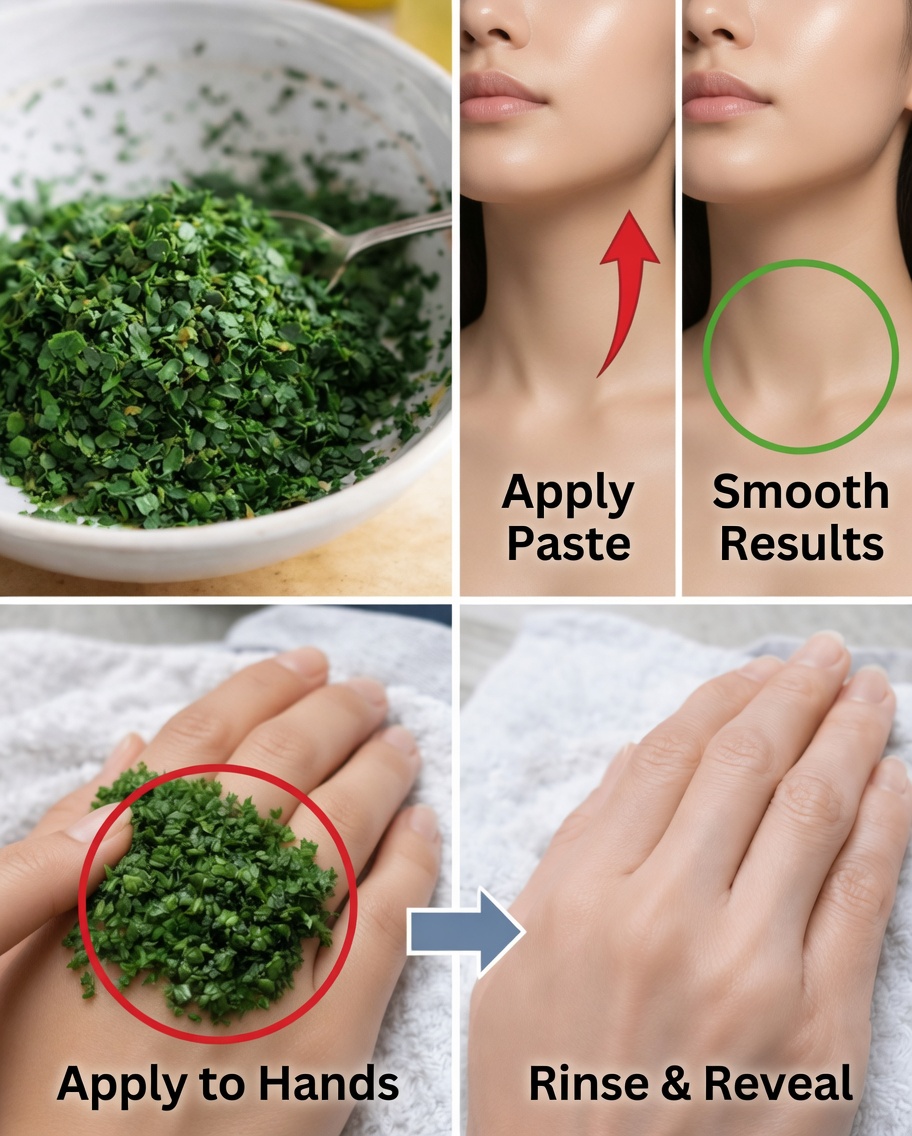
Together, crushed aspirin and lemon juice form a paste that many people apply weekly in hopes of brighter, clearer-looking skin.
What the science actually supports
The individual ingredients (salicylic-acid derivatives and vitamin C) have research behind them in skincare contexts. However, solid clinical evidence for this exact DIY mixture is limited. Most “before and after” stories are anecdotal, and the results can vary widely.
Potential Skin Benefits (What This Mask Might Do)
With careful, infrequent use, this combination may support the appearance of:
- Gentler exfoliation: helping remove surface dead skin for a softer feel
- A brighter look: vitamin C may contribute to a more refreshed, radiant appearance
- Less visible oiliness: some people with oily or combination skin report reduced shine
- Temporarily calmer-looking redness: aspirin’s anti-inflammatory background may help mild irritation for certain users
These outcomes are not guaranteed. If improvements happen, they are usually subtle and may take 2–4 weeks of cautious use to notice.
How to Make an Aspirin and Lemon Mask (Step-by-Step)
Ingredients (one application)
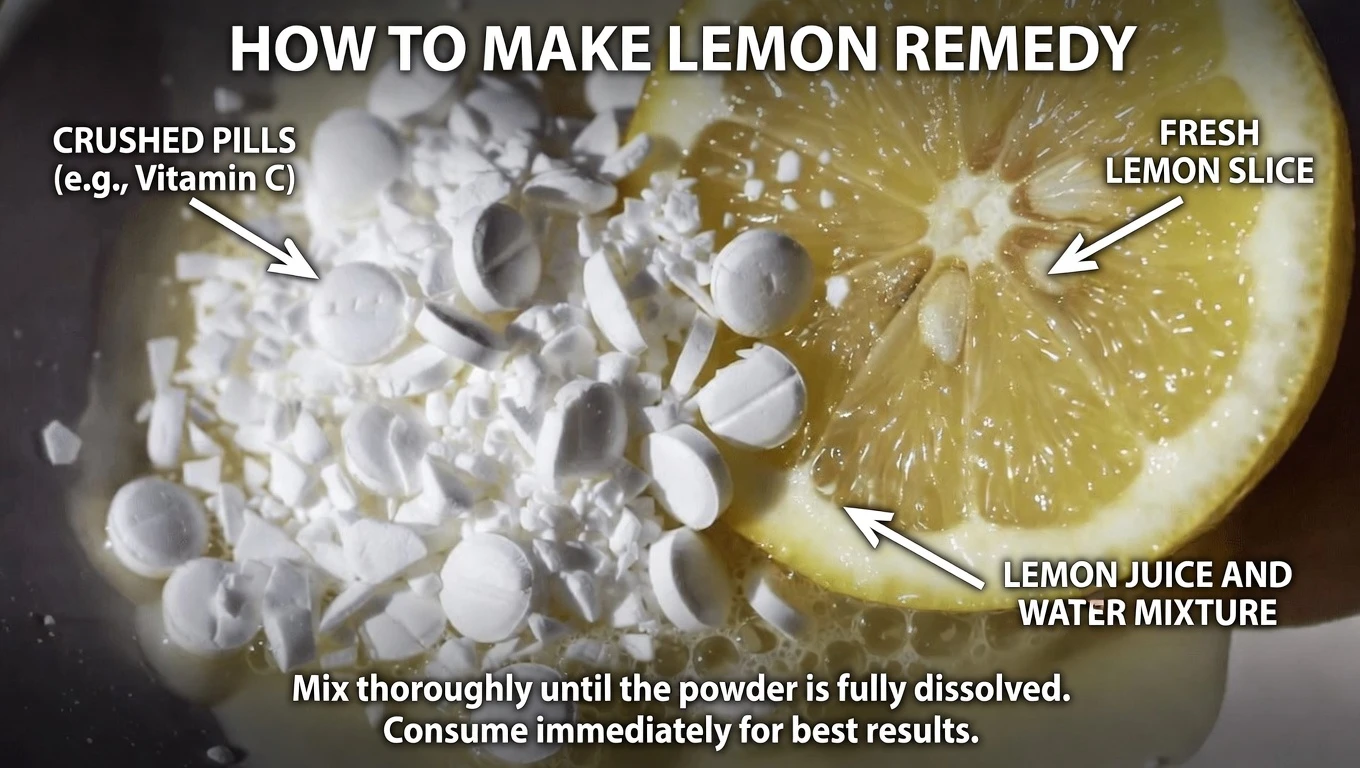
- 3 uncoated aspirin tablets (avoid enteric-coated tablets because they may not dissolve well)
- Juice of 1/2 lemon (about 1–2 tablespoons)
- Optional: a few drops of water (only if needed for texture)
Directions
- Crush the aspirin into a fine powder using the back of a spoon or a mortar and pestle.
- Add lemon juice slowly, stirring as you go, until you get a smooth paste.
- Cleanse your face with a gentle cleanser and pat dry.
- Apply a thin layer evenly, avoiding the eyes, lips, and any broken or irritated skin.
- Leave it on for 10–15 minutes maximum. Do not extend the time.
- Rinse thoroughly with lukewarm water. You may massage gently in circular motions while rinsing.
- Apply a soothing moisturizer immediately afterward.
Frequency: Use no more than once per week. Overuse can weaken the skin barrier and increase sensitivity.
What Results Can You Realistically Expect?
If your skin tolerates it well and you apply it sparingly, you might notice:
- A temporarily smoother skin texture
- A more even-looking complexion
- Reduced appearance of dullness
- Slight improvement in the look of minor post-blemish marks over time
This is not a replacement for evidence-based skincare or professional treatments. If you see any changes, they typically build gradually—not overnight.
Safety Precautions You Should Take Seriously
Lemon juice is highly acidic and can increase sun sensitivity, which raises the risk of irritation and uneven pigmentation after UV exposure. If you try this mask, wear broad-spectrum sunscreen the next day (and ideally daily).
Follow these safety rules:
- Patch test first: apply a small amount to the inner forearm and wait 24 hours
- Avoid if you have: sensitive skin, rosacea, eczema, broken skin, or a history of irritation from acids
- Do not use if you’re allergic to aspirin/salicylates
- Check with a clinician first if you are pregnant, breastfeeding, or taking medications that may interact with aspirin
- Stop immediately if you feel burning, strong stinging, or develop significant redness
- Never leave it on longer than recommended
Dermatologists often discourage DIY acid blends because the strength and pH are unpredictable, increasing the chance of irritation or chemical burns.
Who This DIY Mask May (and May Not) Suit
It may be worth cautious experimentation if you have:
- Oily or combination skin
- Mild uneven tone or post-breakout marks
- Early signs of texture changes (fine roughness)
Consider safer alternatives if you have:
- Very dry skin
- Easily reactive or highly sensitive skin
For many people, well-formulated vitamin C serums or gentle exfoliants are more predictable and less risky than lemon-based DIY masks.
Final Takeaway
An aspirin and lemon juice mask is popular because it’s inexpensive and based on familiar skincare concepts like exfoliation and brightening. Still, the DIY approach comes with real downsides—especially irritation risk from lemon juice and inconsistent at-home concentrations.
If you choose to try it, keep usage minimal, pay close attention to your skin’s reaction, and prioritize gentle, proven skincare habits for long-term skin health.
FAQ
Is an aspirin and lemon face mask safe to use every day?
No. Daily use can cause over-exfoliation, dryness, and sensitivity. Limit it to once weekly at most.
Can it reduce deep wrinkles or stubborn dark spots?
Usually not. Any effect tends to be mild and surface-level. For deeper wrinkles or persistent hyperpigmentation, talk to a dermatologist about evidence-based options like retinoids or professional chemical peels.
What should I do if my skin reacts badly?
Rinse immediately, apply a gentle moisturizer, and stop using the mask. If irritation continues or worsens, seek medical advice.
Disclaimer
This content is for informational purposes only and does not constitute medical advice. Skincare results vary, and DIY remedies may cause irritation or other adverse effects. Consult a qualified healthcare professional or dermatologist before trying new skincare treatments, especially if you have existing skin conditions or concerns.