
Many people notice elevated creatinine as a quiet signal that the kidneys may be under extra strain. With roughly 37 million Americans living with chronic kidney disease (CKD)—often undiagnosed until later stages—subtle issues like fatigue, mild swelling, and disrupted sleep can gradually add up. Diet matters for overall kidney support, and evening snacks are especially important because the kidneys continue filtering and repairing during overnight rest.
The encouraging part: several low-potassium, low-phosphorus fruits can fit into a kidney-conscious routine without adding unnecessary workload. These fruits also deliver fiber and antioxidants, which may help the body manage everyday waste more efficiently. Below are four standout fruits for nighttime snacking, plus practical ways to enjoy them—along with one reminder about mindful fruit choices.

Why High Creatinine Feels Stressful—And Why Nighttime Choices Matter
When creatinine runs high, it often points to reduced kidney filtering performance, commonly influenced by factors such as aging, diabetes, and high blood pressure. It can feel discouraging when “healthy eating” doesn’t seem to move lab values in a steady direction.
Studies and clinical guidance consistently show that kidney concerns can significantly affect daily quality of life, and many people rely on lifestyle adjustments to cope. Because the body is in a restorative state during sleep, evening habits can shape overnight processes, including fluid balance and waste handling. However, generic fruit advice may overlook key kidney-related nutrients:
- Potassium can build up when kidneys struggle, increasing health risks (including heart rhythm concerns).
- Phosphorus is often limited in kidney-friendly eating patterns due to links with faster decline in some research contexts.
- Excess natural sugars can contribute to inflammation in certain individuals when portions are too large.
The solution isn’t avoiding fruit entirely—it’s choosing smarter options and realistic serving sizes.
What to Look For: Potassium, Phosphorus, Fiber, and Antioxidants
Fruits are nutrient-dense, but for people managing creatinine or CKD concerns, the best picks are typically:
- Lower in potassium (to reduce the chance of buildup)
- Lower in phosphorus (often recommended in renal-friendly plans)
- Rich in antioxidants (to help counter oxidative stress)
- A good source of fiber (to support digestion and elimination)
Always confirm your personal targets with a clinician or renal dietitian, since needs vary by CKD stage, medications, and lab results.
Consider this: What was your last bedtime snack? If it was a higher-potassium fruit (such as a banana), a small swap may be a helpful step.
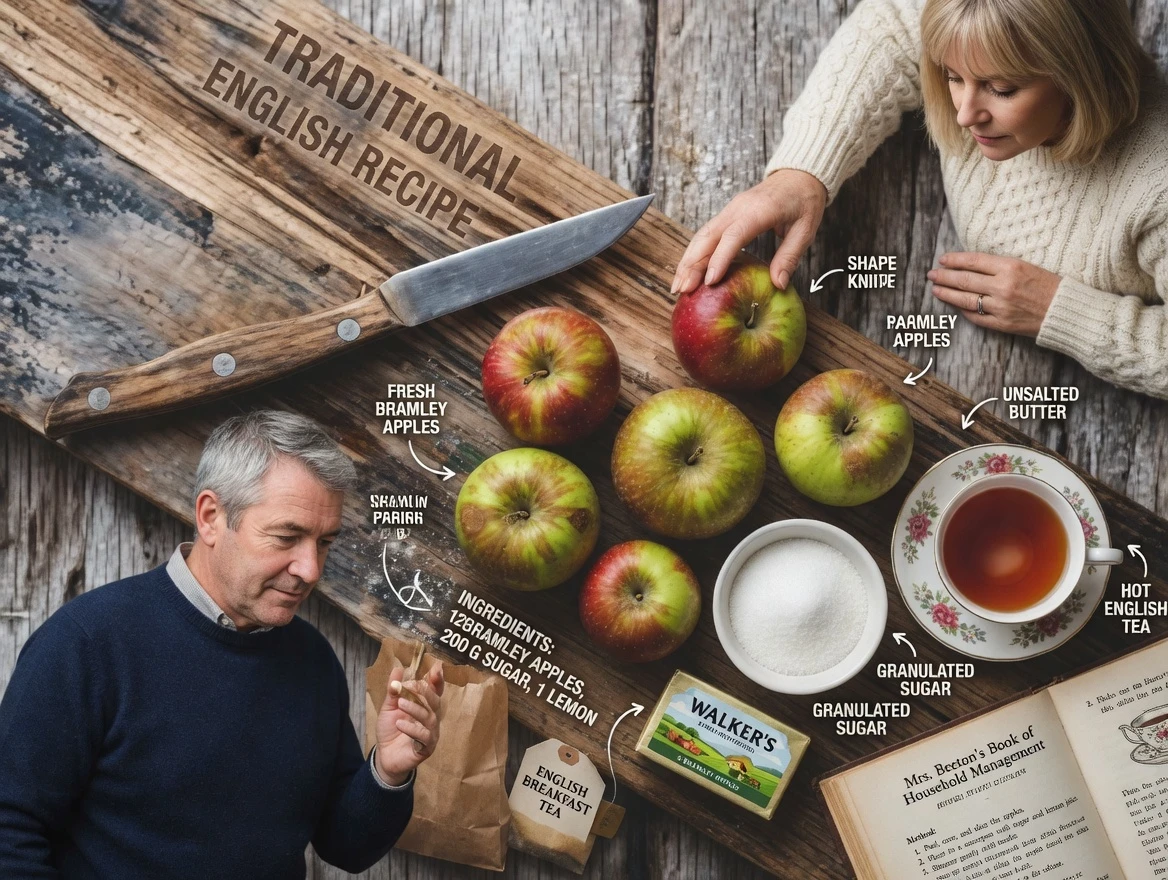
1) Apples: A Simple, Gentle Nighttime Fruit
A medium apple provides approximately 195 mg potassium and 10 mg phosphorus, which is generally considered manageable in moderation for many kidney-friendly routines.
Why apples work well at night:
- Pectin fiber (especially when you eat the skin) may help bind waste in the digestive tract, supporting elimination through stool and easing reliance on kidney filtration alone.
- Natural plant compounds such as quercetin contribute antioxidant support for overall cellular health.
- Apples have a low glycemic index, which may help reduce sharp blood sugar swings before bed.
How to eat it: Slice one fresh apple as an evening snack. For extra flavor, add a light sprinkle of cinnamon. Wash thoroughly and keep the skin on when appropriate for maximum fiber.
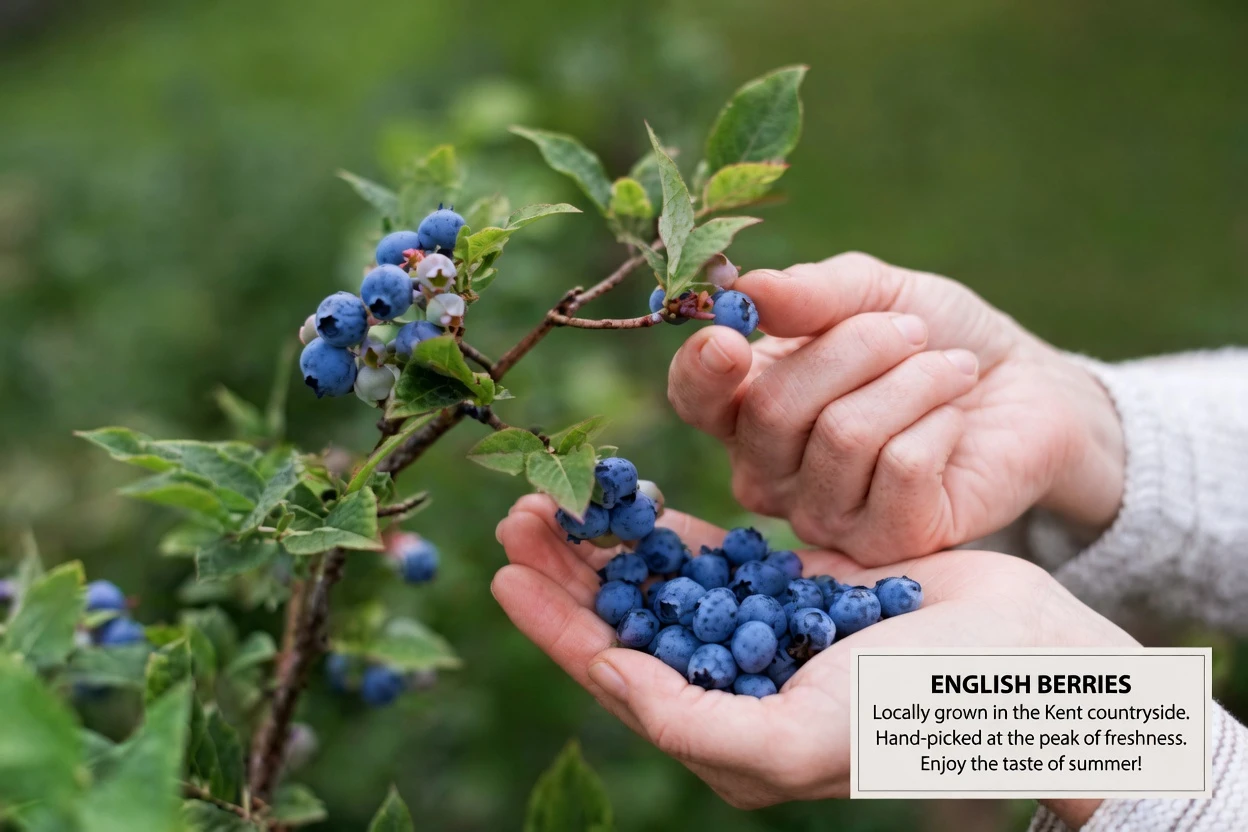
2) Blueberries: Small Serving, Strong Antioxidant Value
A ½ cup serving of blueberries contains roughly 57 mg potassium and 8 mg phosphorus, making it one of the lowest-mineral fruit options often referenced in kidney-friendly resources.
Why blueberries stand out:
- They’re rich in anthocyanins, antioxidants that help neutralize free radicals that can stress cells, including kidney cells.
- Nutrition research often associates regular berry intake with lower inflammation in broader health contexts.
How to eat it: Enjoy a small handful fresh or frozen. For a calming evening option, blend blueberries with unsweetened almond milk and a dash of cinnamon for a light, dessert-like drink.
3) Red Grapes: Convenient, Juicy, and Portion-Friendly
A ½ cup serving of red grapes typically provides about 150–200 mg potassium (moderate) with low phosphorus.
Why red grapes can be a good fit:
- The skins contain resveratrol, studied for its role in anti-inflammatory pathways and cellular repair in lab models, with limited but promising observations in humans when included sensibly.
- Grapes are easy to portion and require no prep.
How to eat it: Keep to about ½ cup, 2–3 times per week, especially if you’re monitoring sugar intake. For a refreshing twist, freeze grapes and eat them whole to keep fiber intact and slow absorption.
4) Pineapple: Bright Flavor with Digestive Support
A 1 cup serving of fresh pineapple chunks contains about 180 mg potassium and is typically low in phosphorus.
Why pineapple is often suggested:
- Fresh pineapple contains bromelain, an enzyme (especially concentrated near the core) that supports protein breakdown and gentle digestion.
- Some people find pineapple fits well into a lighter evening routine, and its vitamin C supports overall vascular and immune health.
How to eat it: Choose fresh pineapple, not canned pineapple in syrup. Try blending ½ cup pineapple with water and a few mint leaves for a light, hydrating evening drink.
Quick Comparison: The 4 Fruits in One View
- Apple (1 medium): ~195 mg potassium, ~10 mg phosphorus
Pectin fiber may help bind waste; gentle, satisfying snack. - Blueberries (½ cup): ~57 mg potassium, ~8 mg phosphorus
Anthocyanins support antioxidant defenses; very low mineral load. - Red grapes (½ cup): ~150–200 mg potassium, low phosphorus
Resveratrol in skins; best kept to mindful portions. - Pineapple (1 cup fresh): ~180 mg potassium, low phosphorus
Bromelain supports digestion; refreshing evening option.
These nutrient estimates are based on standard nutrition databases and kidney-health education resources. Serving size remains the deciding factor.
A Simple Nighttime Routine You Can Stick With
Sustainable change works best when it’s small and consistent. Over a few weeks, some people notice steadier energy and lighter mornings, which can reinforce good habits.
Try this plan:
- Pick one fruit from the list to try tonight.
- Keep portions modest: ½ cup to 1 cup (or 1 medium apple).
- Add cinnamon if it helps you manage sweetness and cravings.
- Track how you feel (sleep quality, swelling, appetite, energy).
Small steps can reduce the feeling of being stuck—especially when fatigue and disrupted sleep have become “normal.”
Important: This content is for general information only and does not replace medical advice. If you have CKD, take medications, or manage other health conditions, consult your doctor or renal dietitian before making dietary changes. Regular lab monitoring is essential.
FAQ
What makes these fruits better for evening kidney-friendly eating?
They are commonly considered lower in potassium and phosphorus than many other fruits, while also offering fiber and antioxidants that align with kidney-supportive eating patterns referenced by organizations such as the National Kidney Foundation.
Can I eat these fruits with advanced kidney concerns?
Possibly—but it depends on your CKD stage, labs, medications, and total daily intake. Get individualized guidance from a healthcare provider or renal dietitian.
Which fruits may need more caution at night?
Many people are advised to be careful with higher-potassium fruits (for example, bananas and oranges). Focus on lower-mineral choices and follow your personal targets.
Any final advice for making this work long-term?
Keep servings consistent, follow hydration guidance from your care team, and avoid turning fruit into a large late-night meal. Choose one option from the list and start with that.