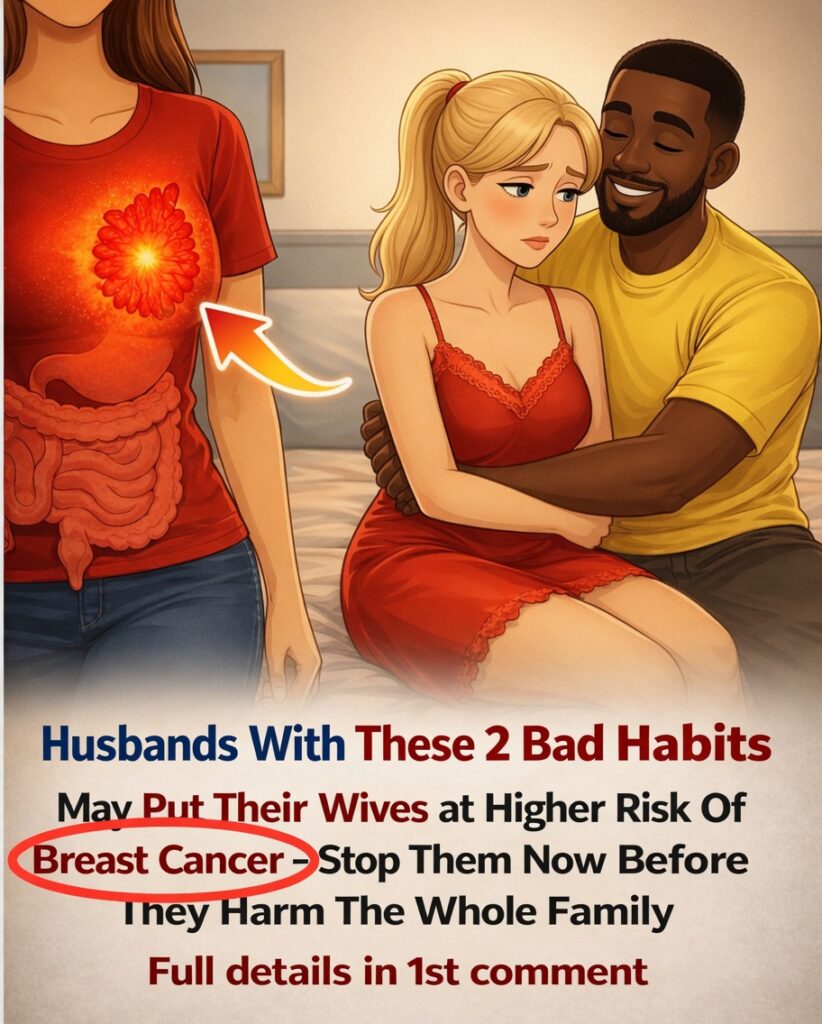
Many women think about breast cancer prevention mainly in terms of their own decisions—diet, exercise, and screenings. However, growing evidence suggests a partner’s daily habits can also shape risk, especially through the shared home environment. Secondhand smoke from a spouse, along with household patterns like poor nutrition, inactivity, and chronic stress, may contribute to higher risk in women who have never smoked.
The encouraging takeaway: couples don’t need extreme lifestyle overhauls to make progress. A few consistent, shared changes can improve the health of everyone at home. Below are practical, research-informed ways partners can support one another and potentially reduce risk together.
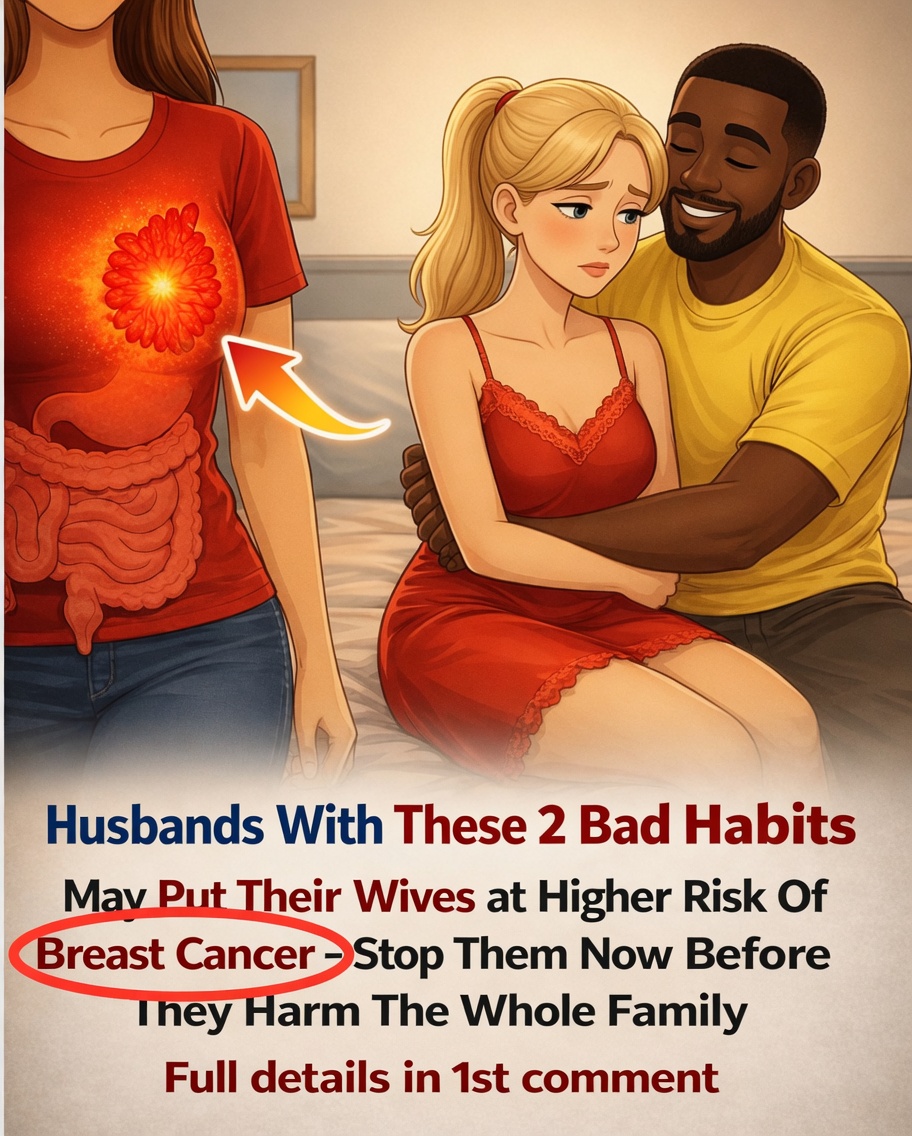
The Connection Between Secondhand Smoke and Breast Cancer Risk
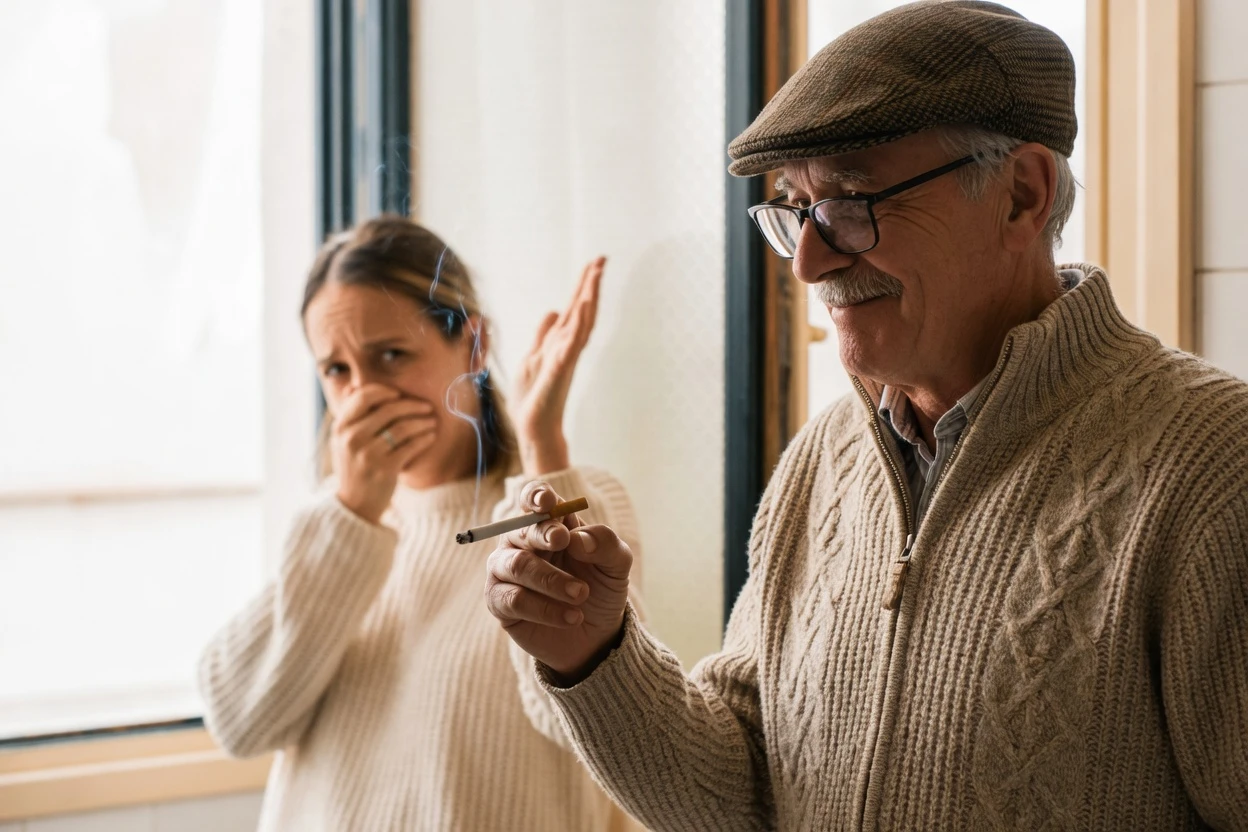
Secondhand smoke (also called passive smoking) happens when a nonsmoker inhales smoke from someone else’s cigarettes—often at home, where exposure can be frequent and long-term.
Recent large-scale reviews, including a 2024 meta-analysis, report that women exposed to secondhand smoke show roughly a 24% higher relative risk of breast cancer compared with women who are not exposed. Several findings also suggest a dose-response pattern: the longer and more intense the exposure (for example, living for years with a smoking partner), the more risk appears to rise.
Home exposure—particularly smoke from a spouse—has shown notable associations in some analyses, with estimates around 16–17% higher risk in certain groups. While study results are not perfectly consistent (some prospective studies find weaker links), the overall evidence positions secondhand smoke as a modifiable household factor worth taking seriously.
How a Partner’s Diet and Lifestyle Can Shape Shared Risk
A partner’s routine rarely stays “individual” for long. Household habits—meals, schedules, stress levels, and activity—tend to merge over time. If one partner smokes, drinks heavily, relies on ultra-processed food, or avoids exercise, the home environment can shift in ways that affect both people.
One well-established pathway relates to body weight and metabolic health. Research consistently links excess body weight after menopause to a higher risk of breast cancer, partly because:
- Fat tissue can increase estrogen levels after menopause
- Higher body fat is associated with insulin and metabolic changes
- Chronic low-grade inflammation may rise with weight gain
When shared meals are frequently high in unhealthy fats, added sugars, and refined carbs—and when physical activity is low—maintaining a healthy weight becomes harder for both partners.
Lifestyle stress matters too. A spouse’s long work hours, poor sleep, or irregular routines can spill over into the relationship, increasing tension and reducing recovery time. Over the long term, chronic stress and poor sleep may negatively influence overall wellbeing and hormone regulation.
Why Household Habits Matter More Than You Might Expect
Living together means sharing much more than a home address:
- The air you breathe (including smoke exposure)
- The food environment (what’s stocked, cooked, and normalized)
- The emotional climate (stress, sleep routines, and conflict patterns)
- The likelihood of keeping up with health check-ups and preventive care
Secondhand smoke introduces a mix of toxic chemicals, and some research suggests breast tissue may be more sensitive during certain life stages (including premenopausal years). At the same time, unhealthy eating patterns and inactivity can promote inflammation and hormone shifts that are linked with risk.
Another overlooked issue is prevention behavior. Couples who don’t prioritize routine medical visits together may miss early opportunities for screening discussions, risk assessment, or timely evaluation of new symptoms.
Key Ways a Husband’s Habits Can Influence His Wife’s Home Environment
- Regular secondhand smoke exposure at home: repeated inhalation of carcinogens, with some analyses suggesting higher exposure relates to higher risk
- High-fat, low-nutrient household eating: fewer fruits, vegetables, and whole foods can contribute to weight gain and metabolic strain
- Alcohol use combined with smoking: these behaviors often cluster and may intensify inflammation and hormone-related effects
- High stress and poor sleep patterns: inconsistent routines can reduce sleep quality and increase ongoing tension for both partners
Practical Steps Couples Can Take to Build a Healthier Home
Reducing household risk factors is usually less about perfection and more about consistent, shared routines. These changes can also strengthen relationship support and accountability.
1) Make the Home Smoke-Free
- Commit to quitting if possible, or at minimum keep all smoking completely outside and away from doors/windows.
- Use evidence-based help such as quitlines, coaching, nicotine replacement, or cessation apps.
2) Upgrade Shared Meals (Without Making It Miserable)
Build meals around:
- Vegetables and fruit
- Whole grains
- Lean proteins (fish, beans, poultry, tofu)
- Healthy fats (olive oil, nuts, seeds, avocado)
Cooking together can make the shift more sustainable and reduce reliance on highly processed convenience food.
3) Move as a Team
Aim for about 150 minutes of moderate activity per week, such as:
- Brisk walking after dinner
- Cycling
- Swimming
- Simple home workouts
Joint activity supports weight management, improves mood, and helps regulate stress.
4) Manage Stress and Protect Sleep
- Create work boundaries where possible (for example, no email after a set time).
- Keep consistent sleep and wake times.
- Try simple stress tools together: short daily check-ins, breathing exercises, mindfulness, or device-free time before bed.
5) Stay Proactive With Screenings and Check-Ups
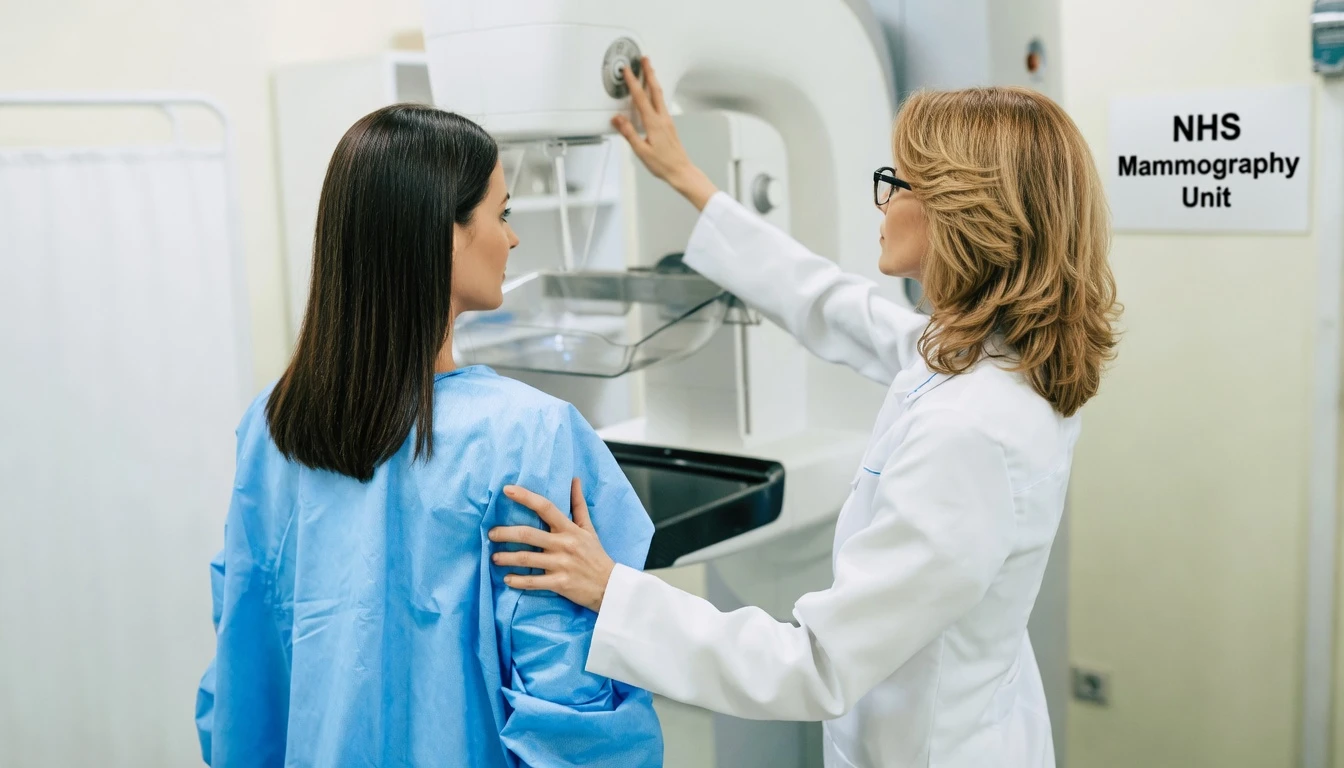
- Discuss breast cancer screening (such as mammography schedules based on age and guidelines) with a clinician.
- Review personal and family history together so appointments are more informed.
- Treat preventive care as a shared priority, not an individual burden.
6) Reinforce Progress With Small Wins
Celebrate doable milestones:
- A smoke-free week
- A new healthy recipe added to rotation
- Completing a month of consistent walks
Support and consistency often beat dramatic short-term changes.
Conclusion: Small Household Changes Can Offer Meaningful Protection
A home environment strongly influences long-term health. By reducing secondhand smoke exposure, improving nutrition, lowering chronic stress, staying active, and keeping up with screenings, couples can create conditions that support better wellbeing for everyone.
No single step guarantees prevention—but these are evidence-informed actions that help you take control together, one habit at a time.
Frequently Asked Questions
Does secondhand smoke increase breast cancer risk in nonsmoking women?
Some large reviews, including meta-analyses, suggest it may—often reporting around a 24% higher relative risk among women exposed to secondhand smoke, especially with long-term home exposure. Findings vary across studies, but avoiding secondhand smoke remains a smart, preventive choice.
Can my partner’s diet or weight affect my risk?
Indirectly, yes. Shared meals and routines can influence body weight, inflammation, and metabolic health—factors linked with breast cancer risk (especially after menopause). Building healthier eating habits together benefits both partners.
Should couples schedule screenings together?
Yes. Regular check-ups help identify concerns early and ensure screening decisions fit your age, family history, and medical guidance. Coordinating appointments can improve follow-through and shared awareness.
Disclaimer
This article is for informational purposes only and is not a substitute for professional medical advice. Always consult a qualified healthcare provider for personalized guidance on health concerns, individual risk factors, or screening recommendations. Risk varies from person to person and depends on many factors.