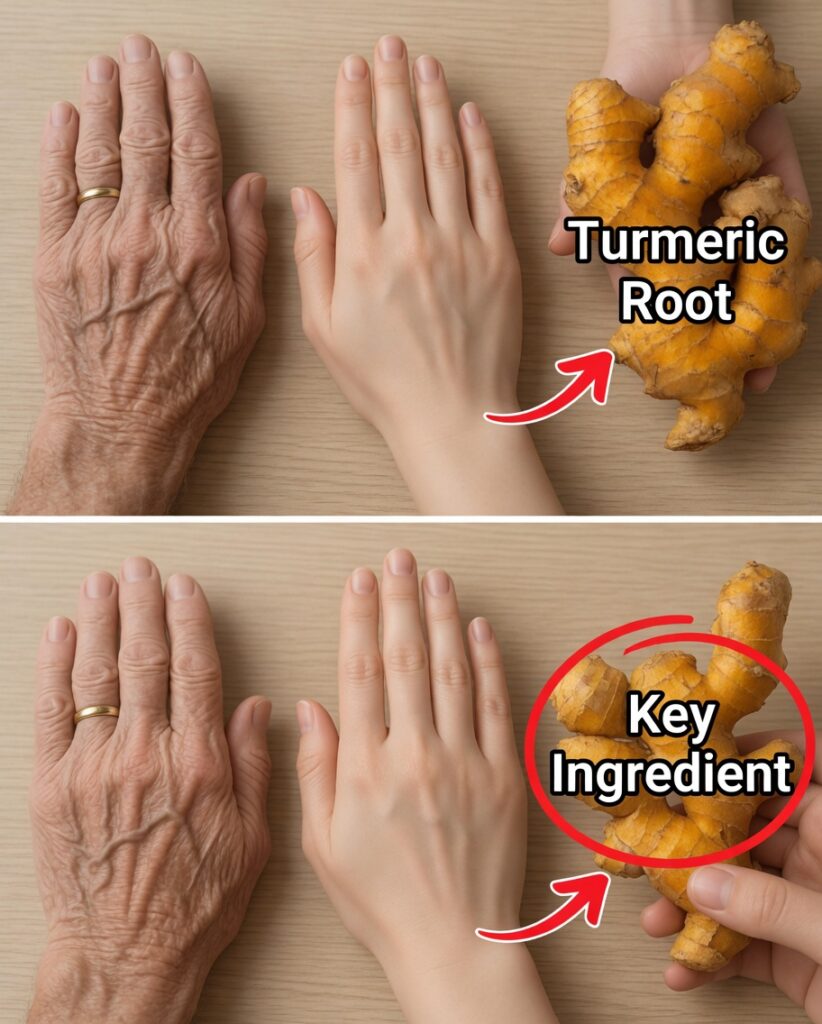
Fine Lines, Wrinkles, and the Search for a Gentle Natural Boost
Over time, many people start to notice that fine lines and wrinkles become more visible—especially on the face and hands—as the skin gradually loses some of its firmness and smooth texture. Everyday sun exposure, lifestyle habits, and natural aging can all contribute to skin looking drier, less elastic, and not as radiant as it once was.
The encouraging part is that simple, natural ingredients found in everyday kitchens have been used for generations in traditional wellness routines—including Japanese and broader Asian practices—to help support healthy-looking skin. One ingredient that repeatedly stands out is fresh ginger. So what makes this humble root so appealing for skincare? Below is a gentle, at-home approach inspired by tradition and informed by modern research into ginger’s potential.
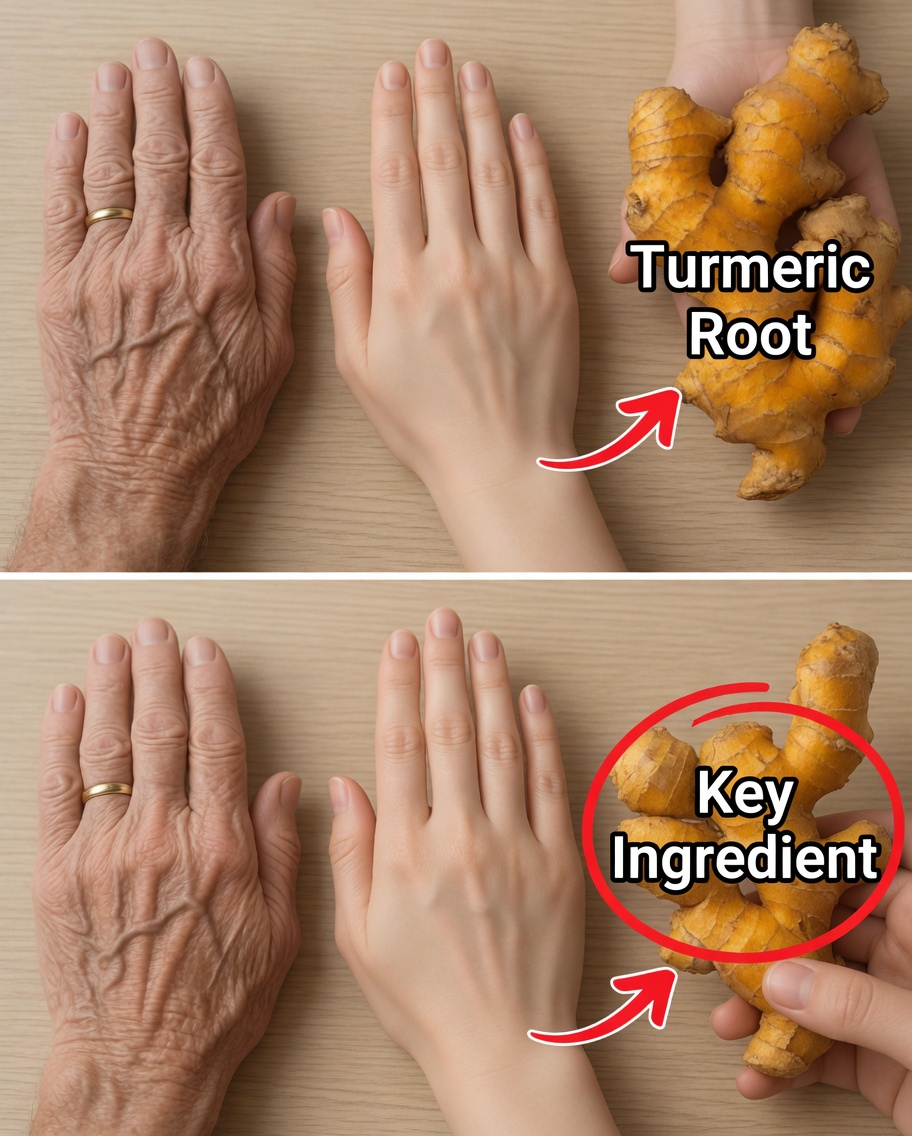
Why Ginger Is Popular in Natural Skincare
Ginger (Zingiber officinale) is widely known as a culinary spice, but it also contains bioactive compounds—most notably gingerol and shogaol—that help explain its long-standing reputation in wellness.
Research frequently points to ginger’s antioxidant and anti-inflammatory activity, both of which are relevant to how skin changes with age and environmental exposure. Oxidative stress, for example, is often linked to visible signs of aging such as dullness and decreased elasticity. Some lab and animal studies also suggest ginger extracts may influence enzymes involved in elastin breakdown, which could help support skin’s bounce and resilience.
Traditional Japanese and Asian home practices have used ginger for vitality and skin support for centuries. It’s not a miracle fix, but it can be a practical, natural addition to a consistent routine.
Another reason people like it: ginger produces a gentle warming sensation, which may help stimulate circulation and leave skin looking refreshed.
Skin-Supporting Benefits of Ginger (What Insights Suggest)
While individual outcomes differ, ginger is often associated with several skincare-friendly effects:
-
Antioxidant support
Ginger’s compounds may help defend against free radicals from daily life—factors that can contribute to early dullness and fine lines. -
Elasticity and firmness support
Some studies suggest ginger may help protect collagen- and elastin-related structures, which are closely connected to firmer-looking skin. Certain animal research also links topical use to reduced UV-related elasticity loss. -
A natural “glow” effect
The warming action can encourage blood flow, which may contribute to a brighter, more even-looking complexion over time. -
Soothing potential
Thanks to its anti-inflammatory reputation, ginger may feel calming for minor irritation—especially when diluted in gentle bases such as aloe vera or honey.
Here’s how people often connect ginger to common skin concerns:
- Fine lines that look worse with dryness → ginger’s warming feel may support a more comfortable, refreshed look
- Uneven tone → antioxidant activity may help improve overall appearance balance
- Lack of radiance → circulation support may enhance a healthy-looking glow
These points reflect traditional use and research directions—not guaranteed results for every skin type.
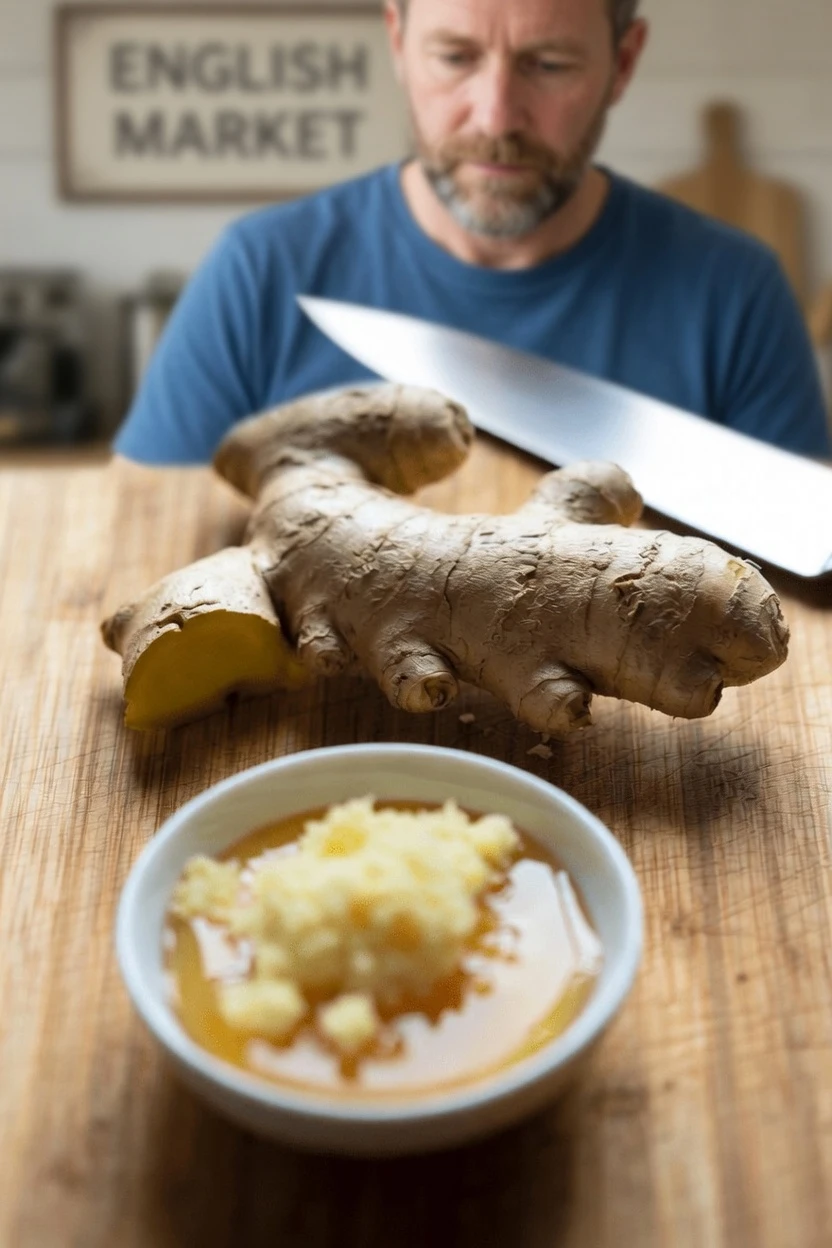
A Simple At-Home Ginger Routine (Step by Step)
If you’d like to try ginger in a cautious, skin-friendly way, this method uses fresh ginger and a soothing carrier to reduce irritation risk.
-
Select fresh ginger
Choose a firm, smooth piece from the market. If you can, go for organic. -
Prep the root
Wash well. Peel if you prefer. Then grate or finely chop about 1–2 inches to release the juices. -
Mix with a gentle carrier
Combine the ginger with honey or aloe vera gel using a 1:1 ratio. This makes it easier to apply and more comfortable on the skin. -
Patch test first (important)
Apply a tiny amount to the inner arm and wait to see how your skin reacts. Ginger may tingle or feel warm. -
Apply lightly to clean skin
Use clean fingertips or a cotton pad. Focus on areas like hands, face, or specific spots you want to target. -
Leave on briefly
Keep it on for 10–15 minutes, then rinse with lukewarm water. -
Moisturize afterward
Finish with a moisturizer to help support the skin barrier and reduce dryness.
Frequency: Start with 2–3 times per week. Many people find that gentle consistency works better than strong, frequent applications.
Optional variation: Some traditions use a thin slice of fresh ginger and rub it briefly on the skin for a quick boost. If you try this, keep it minimal and avoid direct rubbing on facial skin unless properly diluted to prevent irritation.
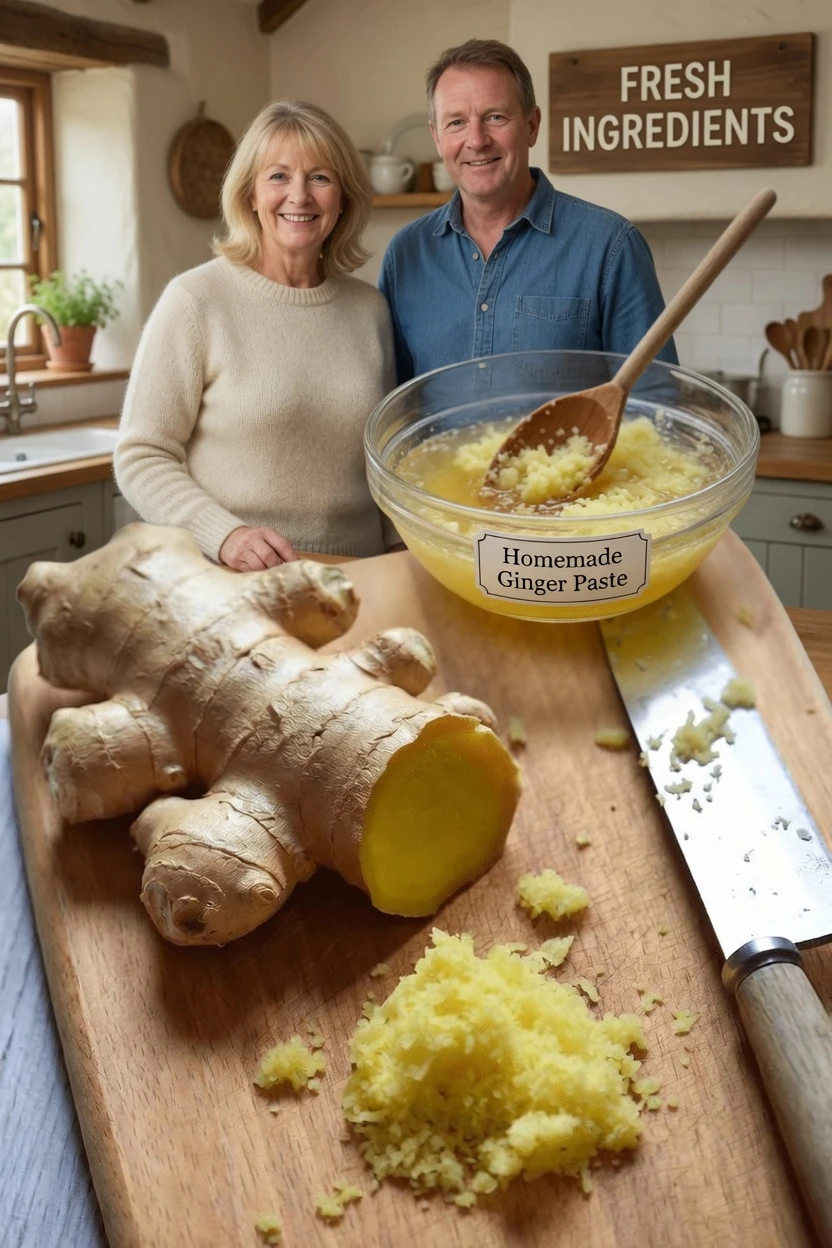
Extra Ways to Strengthen Your Skin Routine
Topical care works best when supported by everyday habits. To complement a ginger-based routine:
- Add fresh ginger slices to warm water or tea for a simple daily wellness ritual.
- Pair ginger with green tea, a staple in Japanese habits, for additional plant antioxidants.
- Prioritize the basics: sun protection, hydration, and sleep—these factors often amplify the benefits of any natural skincare approach.
Conclusion: A Timeless Ingredient Worth Trying Gently
Fresh ginger is an accessible, budget-friendly way to support healthy-looking skin, largely due to its antioxidant and soothing reputation. Blending traditional wisdom with emerging scientific insights, a ginger routine may help encourage better circulation, defend against daily environmental stress, and promote a more vibrant appearance over time.
Start small, patch test carefully, and let your skin guide how often you use it.
FAQ
How often can I apply ginger to my skin?
Most people do well with 2–3 times per week. If you notice too much tingling, redness, or dryness, reduce frequency or stop.
Is ginger suitable for sensitive skin?
Ginger can feel warming and may irritate reactive skin. Always patch test, and dilute it with aloe vera or honey. Avoid using it on broken skin or highly inflamed areas.
Can I mix ginger with other ingredients?
Yes. Common pairings include honey (for moisture) or aloe vera (for soothing). Some people use lemon for brightening, but it can increase irritation and sensitivity—especially if combined with sun exposure—so use caution and patch test.
Disclaimer
This article is for informational purposes only and does not provide medical advice. Natural topical ingredients, including ginger, may cause irritation or allergic reactions. Perform a patch test before broader use. If you have skin conditions, allergies, or concerns, consult a dermatologist or qualified healthcare professional before starting any new skincare routine. Individual results vary, and natural remedies do not replace professional skincare or medical care.