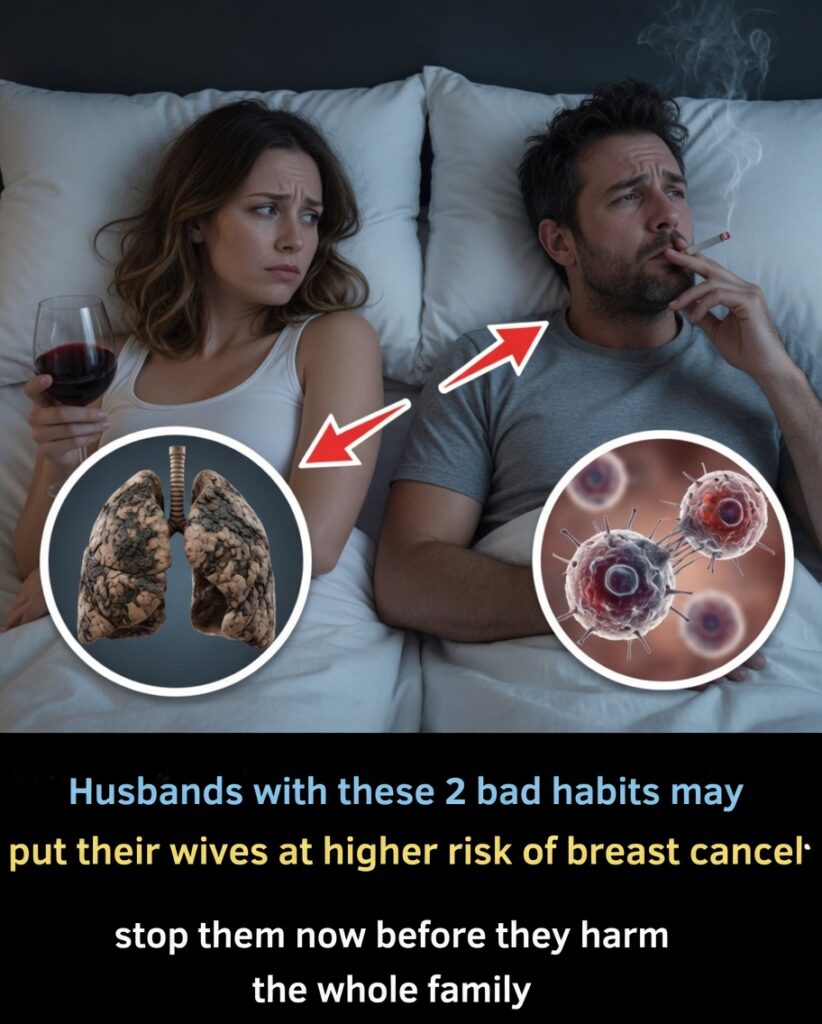
Many wives feel uneasy about their husbands’ everyday habits—without realizing those choices can also shape their own health. When a husband smokes or drinks heavily, his partner may be affected through secondhand smoke exposure and shared household routines. A growing body of research connects these exposures with a higher breast cancer risk in women, even among those who do not smoke or drink much themselves. For instance, several analyses suggest secondhand smoke—especially in the home—may be associated with roughly a 24% increase in breast cancer risk, while alcohol is already recognized as a modifiable risk factor for the disease.
The encouraging reality is that small, consistent lifestyle changes can meaningfully support long-term wellness. Below, you’ll find research-based context and practical steps couples can take together to build healthier habits.
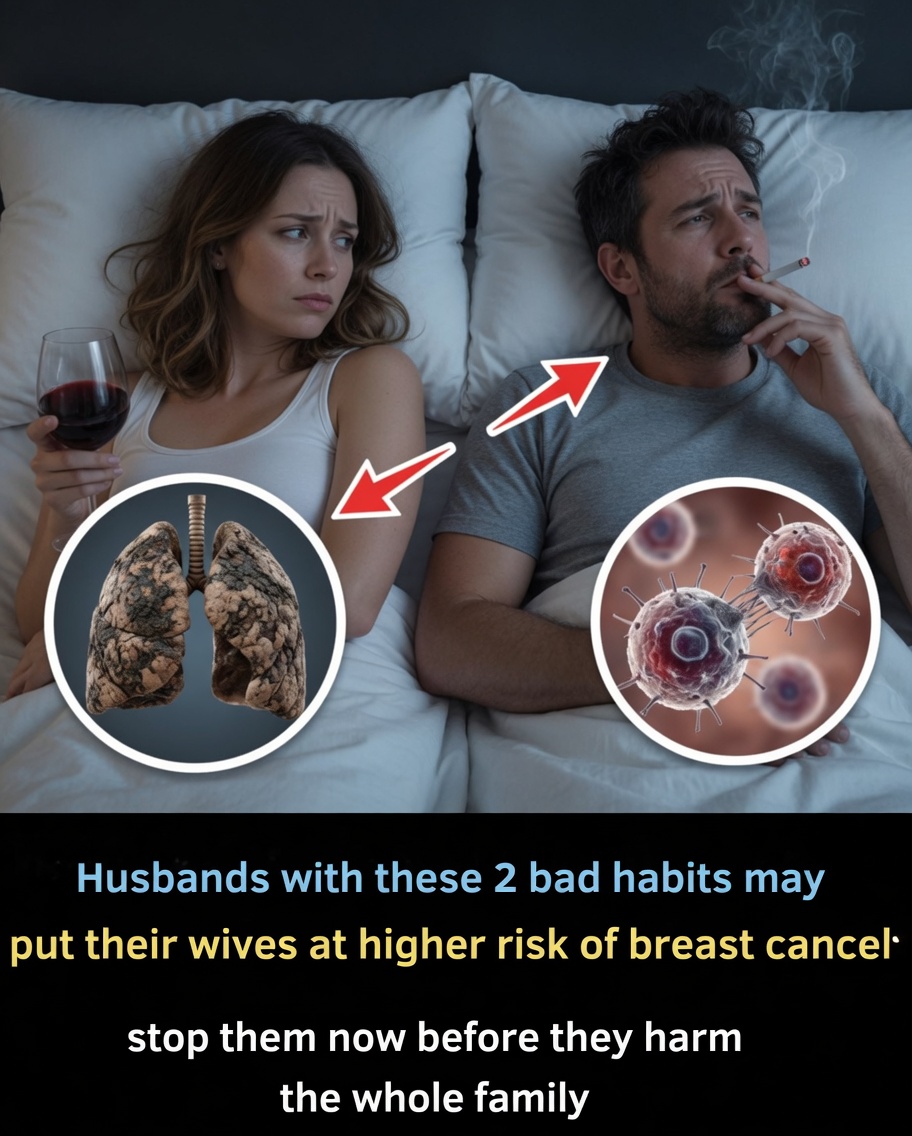
Understanding How a Husband’s Habits May Relate to Breast Cancer Risk
Breast cancer develops from a mix of influences, including age, genetics, hormone exposure, and lifestyle. No single behavior automatically “causes” breast cancer, but repeated exposure to certain risk factors can gradually increase risk over time.
Secondhand Smoke: Why Exposure at Home Matters
Secondhand smoke contains numerous toxic chemicals that can affect non-smokers. If a husband smokes, his wife may inhale smoke residues and airborne pollutants repeatedly—most often where exposure is longest and most consistent: at home.
Large reviews and meta-analyses pooling data from many studies have found that non-smoking women exposed to secondhand smoke have a higher relative risk of breast cancer than those with no exposure. One widely cited analysis reported an overall increase of about 24% in risk among non-smoking women exposed to secondhand smoke. Importantly, risk appears to rise with:
- Longer duration of exposure (years of living with a smoker)
- Greater intensity (more frequent or heavier smoking around the home)
Some research highlights home exposure—such as from a spouse—as particularly relevant, with reported associations around 16–17% higher risk in certain groups. Continuous close-contact exposure may help explain why partner-related secondhand smoke can be a persistent concern.
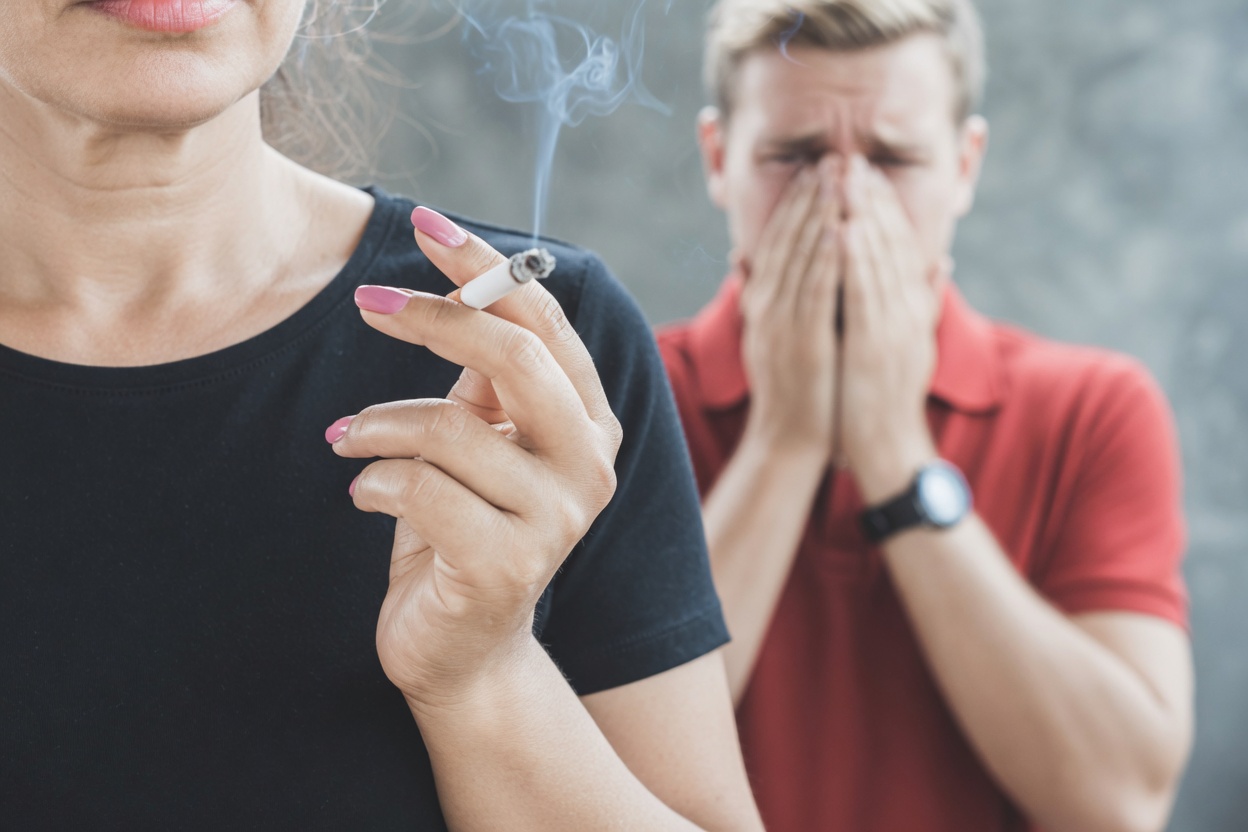
Alcohol and Breast Cancer Risk: The Role of Household Patterns
Alcohol is a well-established, changeable risk factor for breast cancer. It can influence breast cancer biology by:
- Raising estrogen levels
- Contributing to DNA damage in breast tissue
Most studies focus on a woman’s own alcohol intake, but shared environments matter. When a husband drinks heavily, it can shift the household “normal,” making drinking more frequent at home, during meals, or in social situations as a couple.
Evidence indicates breast cancer risk increases in a dose-dependent way: the more alcohol consumed, the higher the risk. While there is no completely “safe” threshold, risk generally increases with each additional drink, and heavy drinking is consistently linked with higher risk. In this way, a partner’s heavy alcohol use can indirectly influence breast cancer risk by shaping shared habits and routines.
Other Major Factors That Influence Breast Cancer Risk
Secondhand smoke and alcohol are only part of the broader picture. Breast cancer risk is also shaped by several lifestyle and health variables that can interact with each other:
- Healthy body weight: After menopause, excess fat tissue can increase estrogen production, which may encourage breast cell growth.
- Regular physical activity: Movement supports hormone balance, reduces inflammation, and strengthens immune function.
- Diet quality: Eating patterns centered on fruits, vegetables, whole grains, and minimally processed foods support overall health.
- Breastfeeding history: For women who have children, breastfeeding may offer protective effects.
- Hormone therapy choices: Certain postmenopausal hormone therapies—especially combined estrogen-progestin—may increase risk; medical guidance is important.
Addressing these factors together often provides stronger support than focusing on only one.
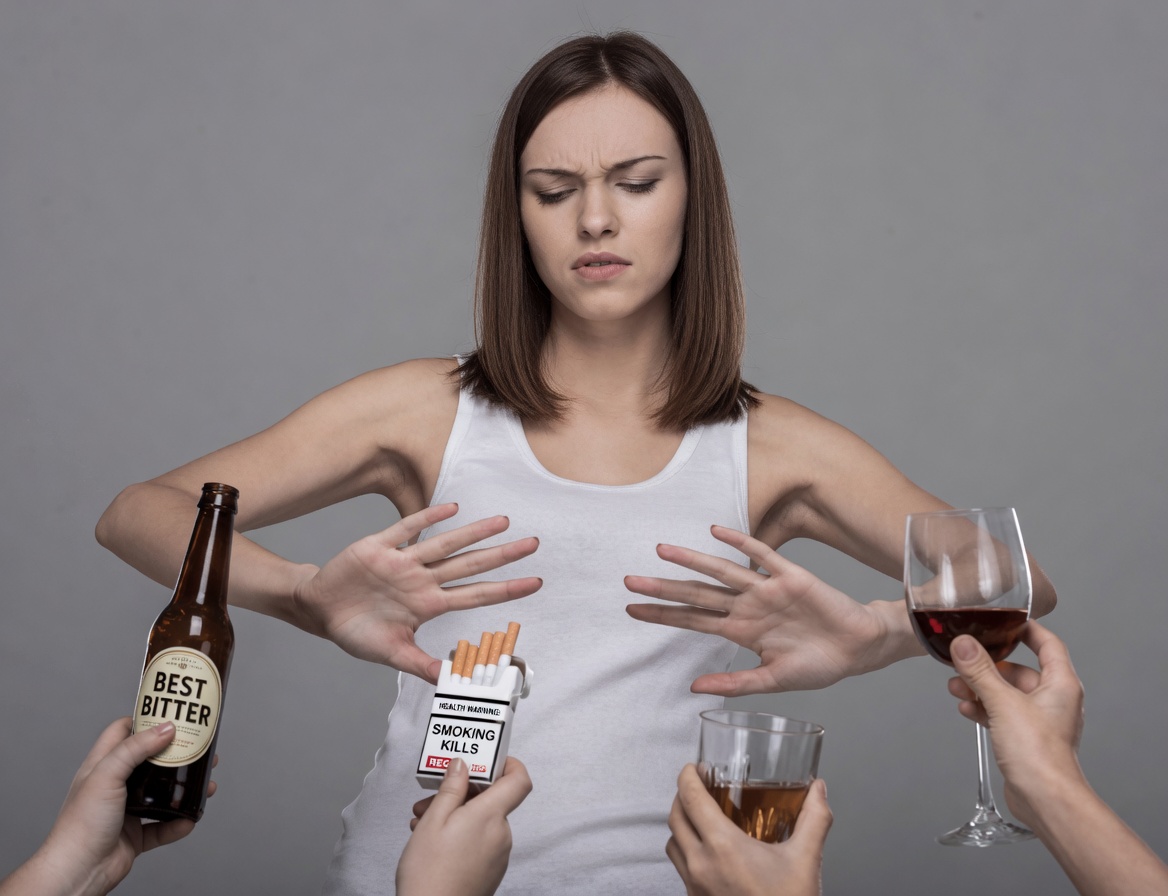
Practical Steps Couples Can Take to Support Lower Risk
Many breast cancer risk factors are not controllable (such as age or genetics), but several are modifiable. These couple-friendly steps can help reduce harmful exposures and build a healthier lifestyle:
-
Limit or avoid alcohol together
The lowest-risk option is avoiding alcohol. If you do drink, follow widely used guidelines (commonly up to one drink per day for women). Try alcohol-free options like sparkling water with fruit, herbal teas, or zero-proof cocktails. -
Quit smoking as a team—and make the home smoke-free now
If your husband smokes, encourage quitting with evidence-based tools such as counseling, nicotine replacement therapy, quitlines, or apps. Create immediate protection by setting no-smoking rules for the home and car to reduce secondhand smoke exposure right away. -
Support a healthy weight with realistic changes
Focus on sustainable habits: balanced portions, more vegetables, lean proteins, and fewer ultra-processed foods and sugary drinks. Small changes repeated daily can add up. -
Move more—ideally together
Aim for at least 150 minutes of moderate activity per week, such as brisk walking, cycling, or dancing. Couple-based routines often improve consistency and motivation. -
Build meals around nutrient-dense foods
Practical targets include:- Half the plate from colorful fruits and vegetables
- Whole grains instead of refined grains
- Limiting red and processed meats
-
Keep up with medical check-ups and screening
Discuss family history, personal risk factors, and recommended screening schedules with a healthcare professional. Personalized guidance matters.
These steps can improve health for both partners and often strengthen relationships by creating shared goals and accountability.
Why Small Changes Can Have a Big Impact
Reducing exposure to known or suspected risk factors—while improving everyday habits—can support better energy, sleep, mood, and peace of mind. Many couples find healthy changes are easier to maintain when they work together, rather than relying on willpower alone.
Research repeatedly links healthier lifestyles with improved overall wellness and reduced modifiable health risks, even though no strategy can eliminate risk entirely.
Conclusion
A husband’s smoking and heavy alcohol use may increase breast cancer risk for his wife through secondhand smoke exposure and shared lifestyle patterns. By understanding these connections and making joint changes—such as cutting back on alcohol, quitting smoking, staying active, and improving diet—couples can support healthier outcomes over time.
Start with small steps, and consult a qualified healthcare provider for advice tailored to your personal risk profile.
FAQ
Does secondhand smoke really raise breast cancer risk?
Yes. Multiple studies and meta-analyses report that secondhand smoke exposure—particularly ongoing exposure at home—is associated with an increased breast cancer risk in non-smoking women.
Is there a safe amount of alcohol when it comes to breast cancer risk?
Research suggests there is no completely risk-free level. Risk increases with amount consumed, so limiting or avoiding alcohol is the most protective approach.
Can lifestyle changes alone prevent breast cancer?
No. Healthy habits can reduce modifiable risks, but they cannot guarantee prevention. The strongest strategy combines lifestyle improvements with appropriate screening and medical guidance.
Disclaimer
This article is for informational purposes only and does not replace professional medical advice. Always consult a qualified healthcare provider about symptoms, screening, prevention, and individual risk factors. Breast cancer risk varies based on personal and family history, genetics, and other health considerations.