
Imagine waking up several times a night—not because of stress or noise, but because your bladder won’t let you rest. You tiptoe to the bathroom, climb back into bed, and still wake up tired, unfocused, and irritated the next day. Many men dismiss this as “just aging,” yet repeated nighttime urination can disrupt sleep, drain energy, and quietly shrink your freedom in daily life.
If you’re exploring gentle, traditional options for urinary comfort, nettle root is one herbal remedy often discussed—especially in the context of benign prostatic hyperplasia (BPH) and related urinary symptoms. Stay with this guide; near the end you’ll find practical, responsible steps for trying it safely.

The Hidden Cost of Nighttime Bathroom Trips
Frequent urges, repeated urination, or waking multiple times at night does more than break your sleep—it accumulates into a real quality-of-life issue. Over time, many men begin to:
- Avoid long drives or travel plans
- Pick seats near the aisle “just in case”
- Scout bathrooms everywhere they go
- Feel embarrassed and keep the problem private
These symptoms are commonly associated with BPH (benign prostatic hyperplasia)—a non-cancerous enlargement of the prostate that can compress the urethra and interfere with normal urine flow.
Important: Always speak with a healthcare professional first. Urinary symptoms can overlap with other conditions, and proper evaluation matters—especially if symptoms are new, worsening, or unusual.
Nettle Root vs. Nettle Leaf: Why the Root Matters Here
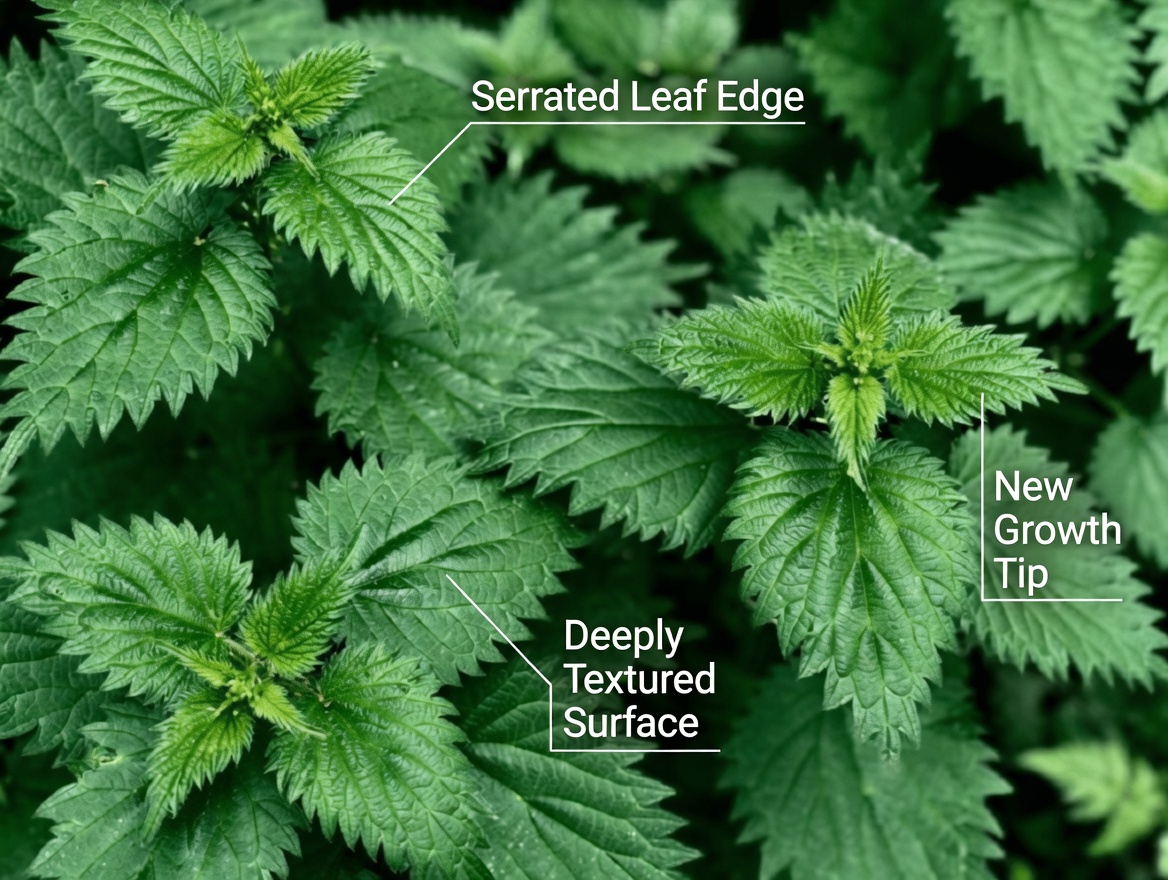
Nettle (Urtica dioica) is widely known for its stinging leaves and long history in herbal traditions. However, the leaf and the root are used differently:
- Nettle leaf is often used traditionally for general wellness and, in some traditions, for inflammation or seasonal discomfort.
- Nettle root is more closely linked in European herbal practice to male urinary comfort, particularly for mild to moderate lower urinary tract symptoms (LUTS) connected to BPH.
Clinical research— including randomized trials and scientific reviews—has examined nettle root extracts for LUTS, with some studies showing improvements in measures such as the International Prostate Symptom Score (IPSS) over several weeks to months.
This is best viewed as complementary support, not a substitute for medical care or prescribed treatment.
Urinary Symptoms Commonly Tied to Prostate Changes
Men often report a familiar pattern of symptoms, including:
- Weak urine stream or difficulty getting started
- Stop-and-start flow or straining
- A sensation that the bladder isn’t fully empty
- Going more often during the day (frequency)
- Waking at night to urinate (nocturia)
- Urgency or mild discomfort
Lifestyle factors can intensify symptoms, such as:
- Caffeine and alcohol
- Large evening fluid intake
- Stress or poor sleep routines
But if symptoms are persistent, don’t self-diagnose—get professional input so you know what you’re dealing with.
What Traditional Use and Research Suggest About Nettle Root
In traditional European herbalism, nettle root has been used for urinary comfort related to BPH-associated LUTS, including urgency, frequency, and nighttime waking.
Modern research has explored this traditional use. Across multiple studies (including randomized controlled trials), nettle root extracts have been associated with:
- Modest improvements in urinary symptom scores (including IPSS in some trials)
- Better perceived urinary comfort with consistent use
- Potential reductions in nighttime awakenings for some individuals over time
Many protocols in studies run 8–12 weeks, and some longer. Reviews and meta-analyses often describe results as promising but variable, meaning benefits may be noticeable for some men and minimal for others.
Key takeaways from research summaries often include:
- Possible support for mild to moderate urinary symptoms
- Benefits may be easier to notice when tracked consistently (sleep interruptions, urgency, flow)
- Best results are typically seen alongside lifestyle adjustments and medical monitoring
When and How to Consider Using Nettle Root
Nettle root is generally approached as steady, ongoing support, not an instant fix. Many people take it daily as part of a routine.
Typical use patterns often include:
- Taking it in divided doses through the day
- Using it with meals to reduce stomach sensitivity
- Starting with a lower dose and observing changes over time
- Looking for patterns after 2–4 weeks, with more meaningful assessment after 8–12 weeks in many cases
Common Forms of Nettle Root (Pros and Cons)
-
Decoction (tea made from root)
- Pros: traditional method, simple ingredients
- Watch-outs: needs accurate measuring and consistent preparation
-
Dry extract (capsules/tablets)
- Pros: convenient, often standardized dosing
- Watch-outs: potency varies by product—check labels carefully
-
Fluid extract (drops/tinctures)
- Pros: flexible dosing adjustments
- Watch-outs: may contain alcohol; taste and strength vary
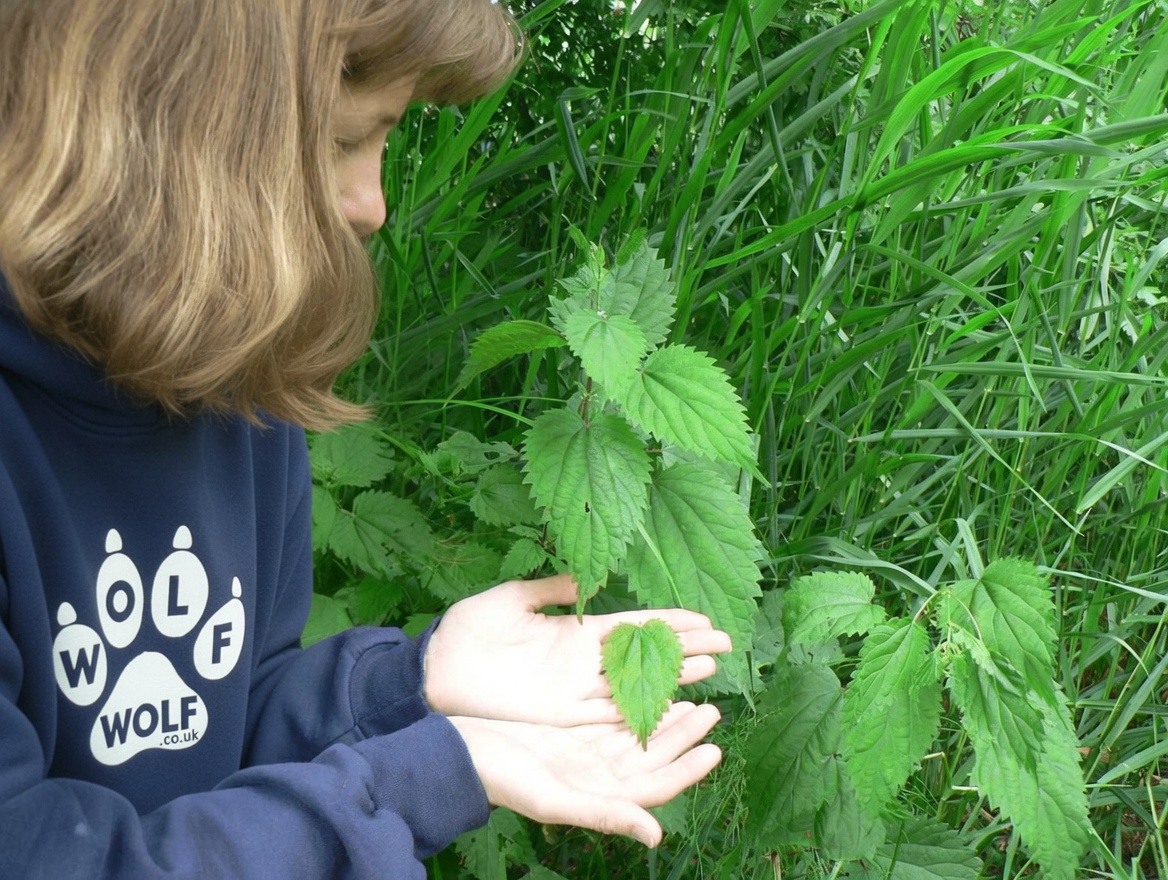
How to Prepare Nettle Root Decoction Safely (Traditional Method)
A commonly cited traditional approach uses about 1.5 g of dried nettle root per 150 ml (about ½ cup) of water.
Suggested steps:
- Weigh the dried root accurately (a small kitchen scale helps).
- Add root to cold water, bring to a gentle boil.
- Reduce heat and simmer for 5–10 minutes.
- Strain, let it cool slightly, and drink.
- Repeat 1–3 times daily depending on professional guidance or product recommendations.
Make It Measurable: Track Your Results
For 7–14 days, jot down:
- How many times you wake at night to urinate
- Any urgency episodes
- How “complete” emptying feels
- Caffeine/alcohol timing and late evening fluids
Also consider practical lifestyle upgrades:
- Reduce evening caffeine
- Keep dinner lighter and earlier
- Empty your bladder right before bed
- Shift more fluids to earlier in the day
Safety Notes and Precautions
Studies generally report nettle root as well tolerated, though mild digestive discomfort can occur in some people.
Speak with a healthcare professional before using nettle root if you:
- Take prescription medications (including for blood pressure, diabetes, diuretics, or blood thinners)
- Live with kidney, liver, or other chronic conditions
- Use multiple supplements or herbal products
Stop use and seek medical advice if you notice:
- Worsening urinary symptoms
- Dizziness, persistent stomach upset, or new unusual symptoms
- Any red-flag signs (see below)
Natural does not automatically mean risk-free. Individual responses and interactions can differ.
Quick Safety Checklist
- Get prompt medical evaluation for red flags: pain, fever, blood in urine, sudden retention, severe back pain
- There is no universal “perfect duration”—review progress regularly with a professional
- Dose depends heavily on the product form and concentration—follow labels and clinician advice
- Combine herbal use with realistic lifestyle habits for the best chance of improvement
Taking Control: Small Steps That Can Make a Big Difference
Start with one simple action: log your nighttime bathroom trips for 7 days. You may quickly notice triggers—late coffee, alcohol, big evening drinks, or stress patterns.
If nettle root sounds like a fit, bring your notes to a doctor or pharmacist and discuss whether it makes sense alongside your health history and current medications. Turning an awkward issue into measurable self-care is often the most empowering shift.
Better sleep and more stable days are possible—especially when you make informed, consistent choices.
Frequently Asked Questions
How long do people typically use nettle root?
There’s no single standard timeline. Research often evaluates 8–24 weeks, but the right duration depends on symptom response and professional guidance. Regular check-ins help you decide whether to continue.
Can nettle root replace prescription treatments for BPH?
No. Nettle root is generally considered complementary support. Some studies suggest symptom relief in mild cases, but it should not replace a clinician-directed plan.
Is nettle root safe for everyone?
Many people tolerate it well, but it may not be appropriate for everyone—especially with certain medications or medical conditions. A healthcare professional can help confirm whether it’s suitable for you.
Disclaimer
This article is for informational purposes only and does not replace professional medical advice, diagnosis, or treatment. Always consult a qualified healthcare provider before starting any supplement, particularly if you have a medical condition or take medications.