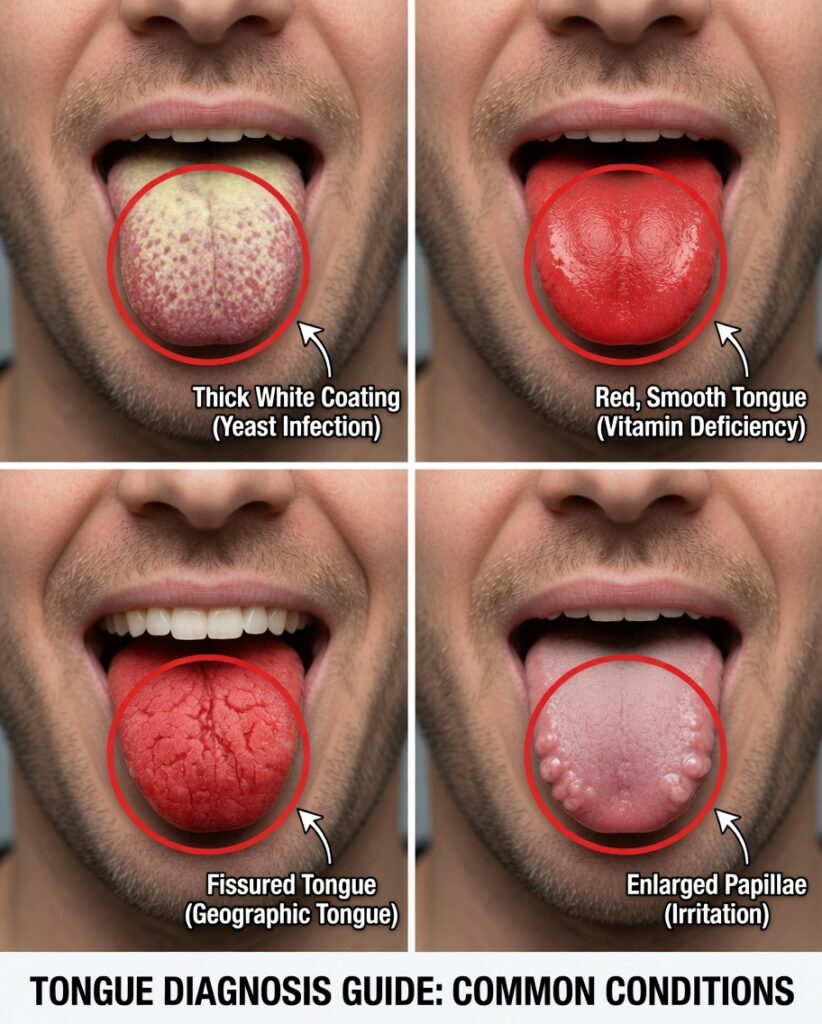
Understanding Tongue Symptoms Without Panic
Noticing a new mark, coating, or color change on your tongue can be unsettling—especially when it appears suddenly and makes everyday activities like eating, speaking, or smiling feel “not quite right.” It’s easy to spiral into worry, but most tongue symptoms are linked to common, manageable factors. When you pay calm, consistent attention, you can often spot patterns early, support your oral comfort at home, and recognize when it’s time to seek professional care.
1) White Coating or White Patches on the Tongue
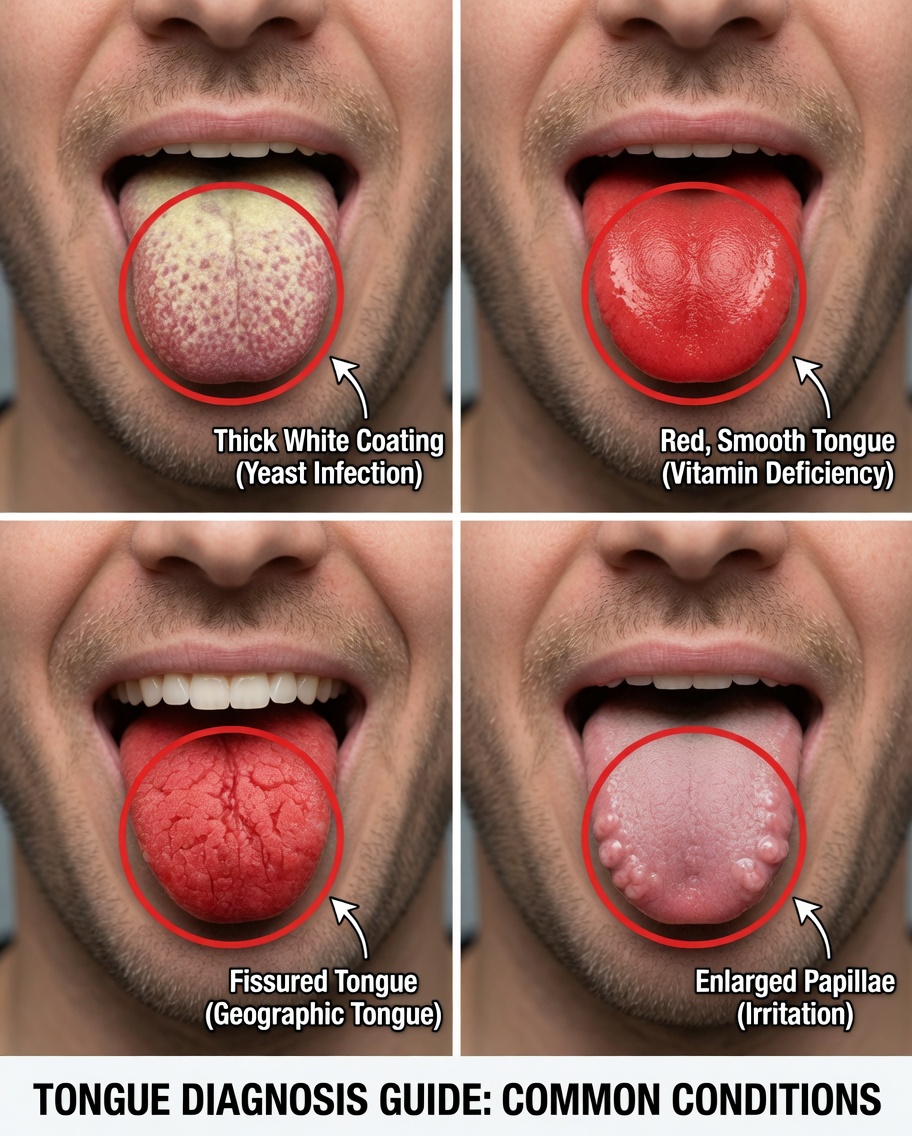
A white film or patchy white areas are among the most frequently reported tongue symptoms. In many cases, a light coating can be related to everyday issues such as temporary dryness, food debris, or routine oral-hygiene buildup. However, thicker or persistent white patches are tongue symptoms worth monitoring more closely.
A reassuring point: many mild cases improve with consistent, gentle care.
Simple support step
- Use a soft toothbrush or tongue scraper once daily after brushing.
- Be gentle—aggressive scraping can irritate the surface.
2) Bright Red or “Strawberry” Tongue
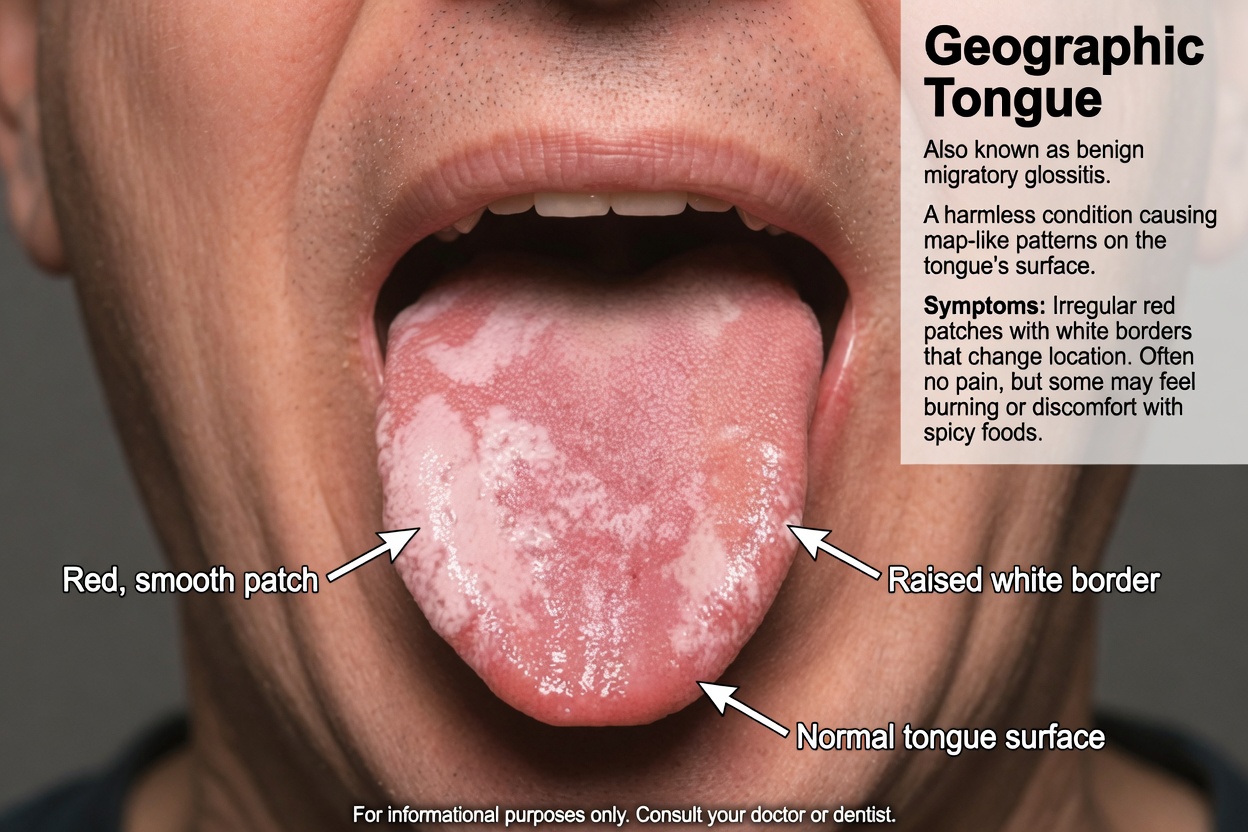
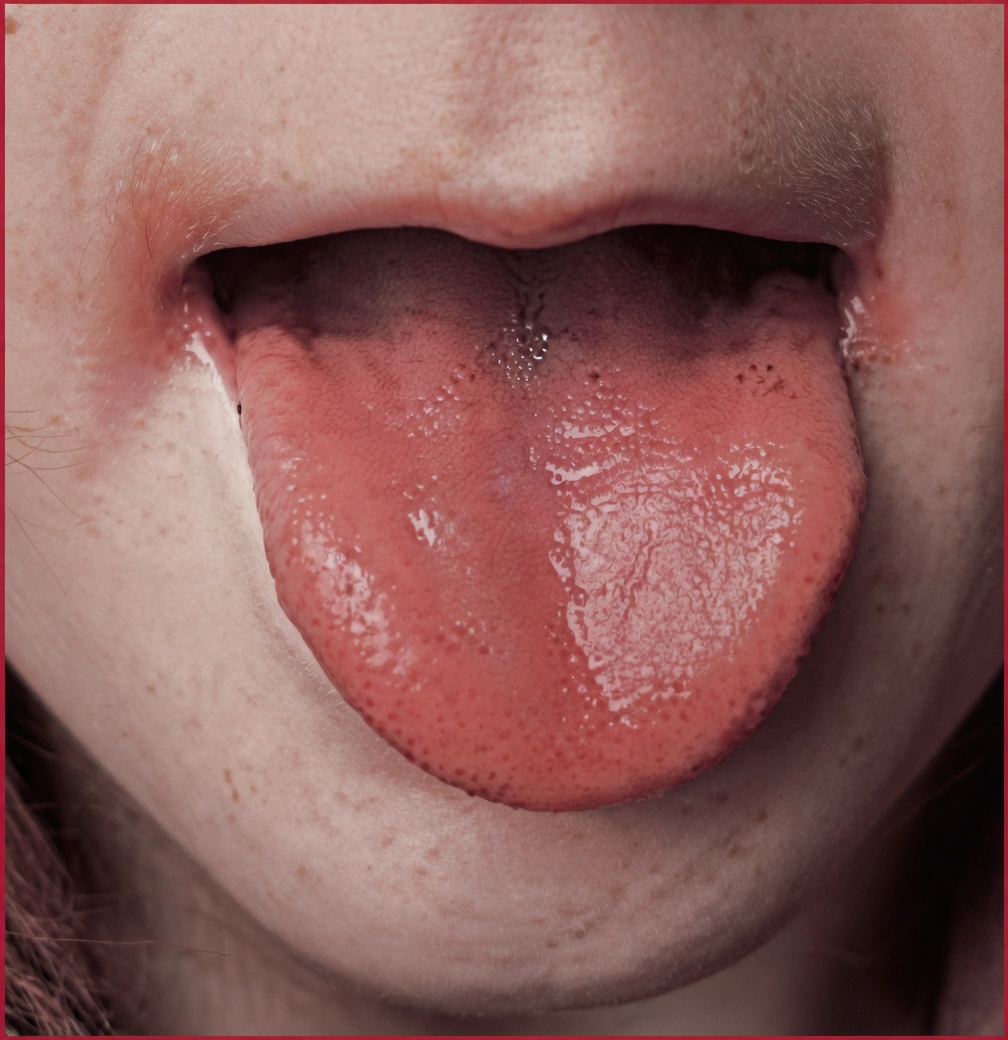
A tongue that becomes unusually red—sometimes with a slightly bumpy, strawberry-like texture—can feel alarming, particularly if it’s sensitive during meals. These tongue symptoms are sometimes discussed in relation to nutritional balance or mild irritation/inflammation. Observational findings in general wellness contexts suggest that vitamin status may influence tongue color and texture in some people.
Tracking these tongue symptoms can be helpful because small daily adjustments may improve comfort relatively quickly.
Simple support step
- Choose cool water or soothing fluids if the tongue feels tender.
- Temporarily limit very spicy foods if they trigger irritation.
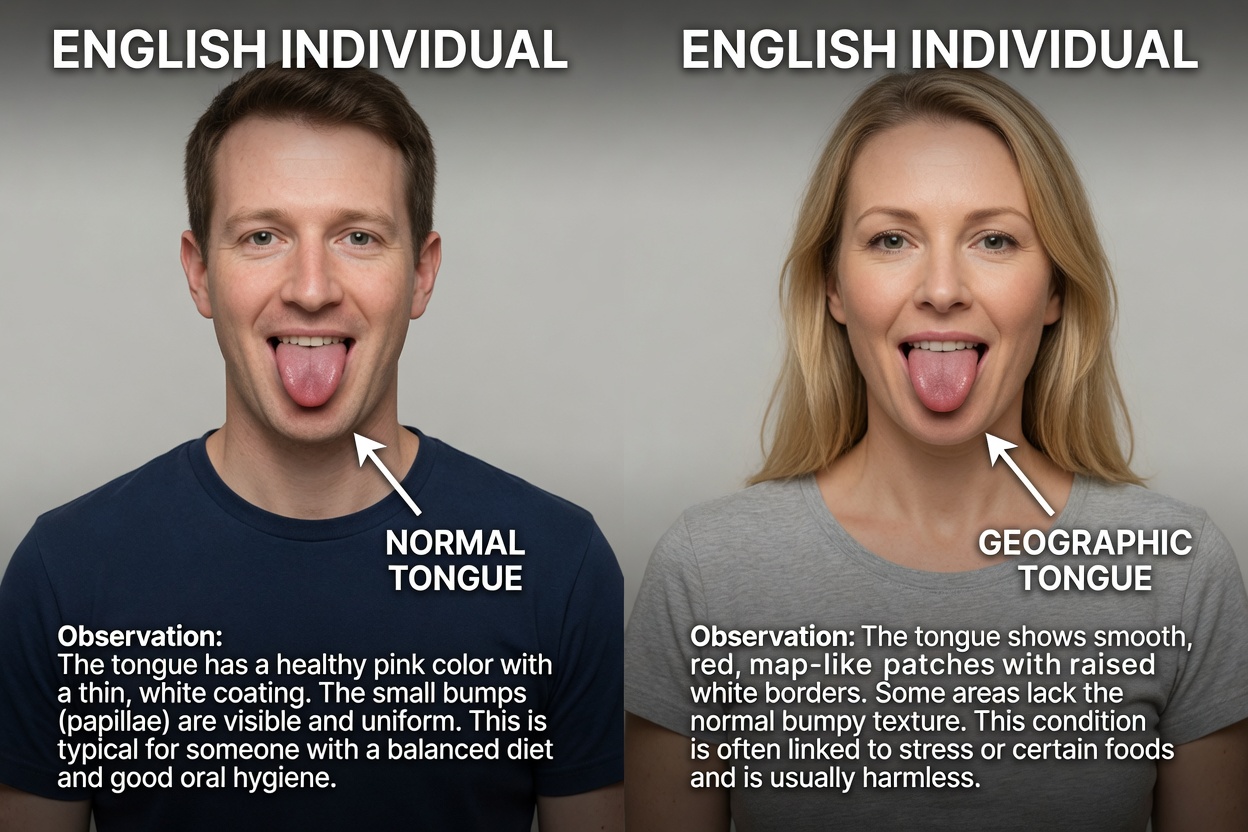
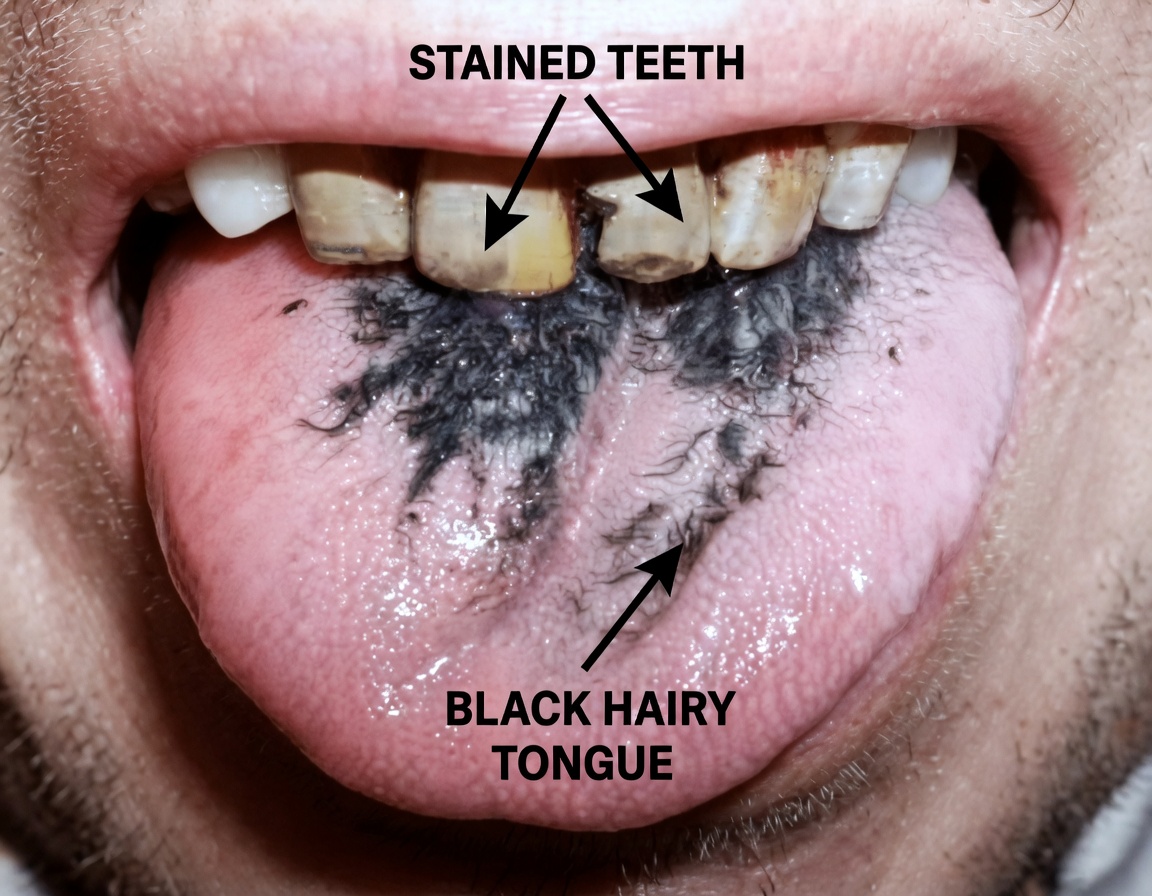
3) Black or “Hairy” Tongue Appearance
A darkened tongue or a fuzzy/hairy-looking texture (often toward the back) can look dramatic, but this set of tongue symptoms often has practical explanations. Commonly discussed contributors include smoking, frequent coffee/tea, certain medications, and reduced saliva flow. Dental health references often describe this as an overgrowth or reduced shedding of normal tongue papillae.
This is one of the tongue symptoms that often responds well to habit changes over time.
Simple support step
- Brush the tongue gently twice a day.
- Stay well hydrated to support saliva and natural cleansing.
4) Smooth, Glossy, or “Bald” Tongue
If your tongue loses its usual texture and looks unusually smooth and shiny, it may also feel different when tasting food. These tongue symptoms are sometimes mentioned alongside overall nutrition patterns and oral moisture levels. While the causes vary, noticing a persistent smooth, glossy tongue is a good reason to review habits and consider a professional check if it doesn’t improve.
The upside of awareness: supportive lifestyle changes may improve comfort.
Simple support step
- Add a wider range of nutrient-dense foods (especially colorful fruits and vegetables) to your meals.
- Prioritize hydration to reduce dryness-related tongue symptoms.
When Tongue Symptoms Need Prompt Professional Attention
Seek dental or medical advice sooner (not later) if any tongue symptoms:
- Last longer than two weeks
- Come with pain, swelling, or bleeding
- Interfere with speaking, swallowing, or breathing
- Appear alongside fever or other whole-body changes
Simple Daily Habits That Support Tongue Wellness
Most people don’t need complicated routines to support tongue health. A few consistent habits can reduce many common tongue symptoms and improve overall oral comfort.
Daily tongue cleaning
- Use a tongue scraper or the back of a toothbrush for 10–15 seconds, morning and night.
- Rinse afterward, and replace tools regularly for hygiene.
Hydration as a foundation
- Drinking enough water helps maintain natural moisture and can reduce dryness-driven tongue symptoms.
- Aim for roughly eight glasses per day (adjust for climate and activity).
- If your indoor air is dry, a humidifier may help overnight.
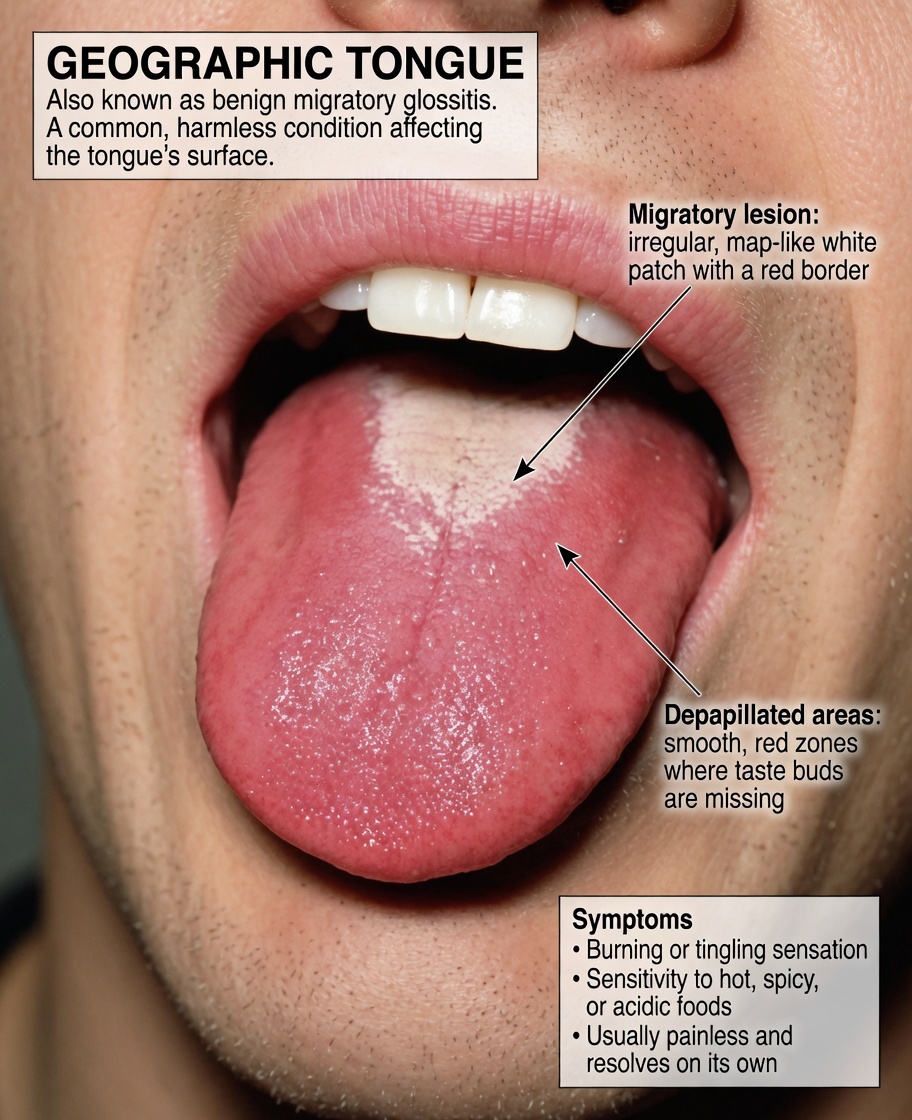
Quick Comparison: 4 Common Tongue Symptoms
| Tongue symptom | Typical appearance | Everyday factors often linked | Simple support step |
|---|---|---|---|
| White coating/patches | Thin film or thicker white areas | Hygiene buildup, dry mouth, diet | Gentle daily scraping |
| Bright red/strawberry tongue | Vivid red color, sometimes bumpy | Nutrition balance, mild irritation | Cool fluids, balanced meals |
| Black or hairy tongue | Dark discoloration, fuzzy texture | Smoking, coffee/tea, low saliva | Better tongue brushing + hydration |
| Smooth/glossy tongue | Shiny surface, reduced texture | Moisture levels, diet variety | Nutrient-rich foods daily |
A 30-Day Gentle Tongue Awareness Plan
Use this simple approach to track tongue symptoms without obsessing:
- Week 1: Commit to gentle tongue cleaning daily and observe what changes.
- Week 2: Increase hydration and note whether dryness-related tongue symptoms improve.
- Week 3: Add more colorful produce and track comfort and appearance.
- Week 4: Book a routine dental or medical check-in to discuss any tongue symptoms that remain.
Final Thoughts
Tongue symptoms are more common than many people think, and they often reflect everyday habits rather than a serious problem. By focusing on gentle cleaning, hydration, and balanced nutrition—and by knowing the red flags—you can reduce unnecessary stress while supporting your oral wellness. Start with one small step today, stay consistent, and seek professional guidance if tongue symptoms persist or worsen.
FAQ
How long should I watch tongue symptoms before seeing a professional?
Many mild tongue symptoms improve within 1–2 weeks with basic care. If tongue symptoms last more than two weeks, or if they cause pain or functional issues, see a dentist or doctor for personalized evaluation.
Are tongue symptoms always a sign of something serious?
No. Most tongue symptoms are temporary and linked to routine factors like dryness, hygiene, diet, or irritation. Still, persistent tongue symptoms should be assessed to safely rule out underlying conditions.
Can tongue symptoms improve at home without medical treatment?
Often, yes—especially with gentle tongue cleaning and better hydration. However, home care works best when paired with professional input if tongue symptoms don’t resolve quickly or come with concerning warning signs.