
Eating Smarter After 60: Why Certain Foods Can Feel “Different” Now
As you move into your 60s and beyond, your body naturally changes—digestion can slow, metabolism may drop, and sensitivity to salt, sugar, and certain additives often increases. Foods that once felt harmless can suddenly contribute to low energy, bloating, swelling, or restless sleep. It can be frustrating when a favorite routine—like grabbing a salty snack—starts affecting comfort and independence.
The encouraging part: with a few informed diet adjustments after 60, you can feel more supported, steadier, and in control. Stay with it—there’s a simple, unexpected strategy at the end that can make healthy eating much easier.

Why Food Choices Matter More After Age 60
If you’re over 60, you may notice your usual meals hit differently—perhaps you feel heavier after eating, more tired in the afternoon, or more uncomfortable after salty foods. These shifts can be discouraging, especially when they interrupt activities you enjoy, from travel and hobbies to time with family.
Science suggests that a slower metabolism and age-related changes in blood pressure regulation, blood sugar response, and gut function can make high-sodium and high-sugar foods harder to tolerate. The good news is that small changes—made consistently—can lead to noticeable improvements in how you feel.
Another key factor: the immune system evolves with age. That’s why certain food safety risks (that might not have mattered much earlier) become more important after 60, helping you make choices that better protect your well-being.

10 Foods to Consider Limiting If You’re Over 60
Below are ten common foods worth reducing or avoiding after 60, especially if you’re managing energy, digestion, heart health, medications, or immune resilience.
1. Processed Meats
Bacon, sausage, hot dogs, and deli meats are convenient, but they’re often loaded with sodium and preservatives. After 60, excess sodium can contribute to fluid retention and swelling—particularly uncomfortable if leg or ankle swelling already affects mobility.
A practical swap: choose fresh, minimally processed proteins like roasted turkey, chicken, or fish to get the same “sandwich satisfaction” with fewer drawbacks.
2. Sugary Beverages
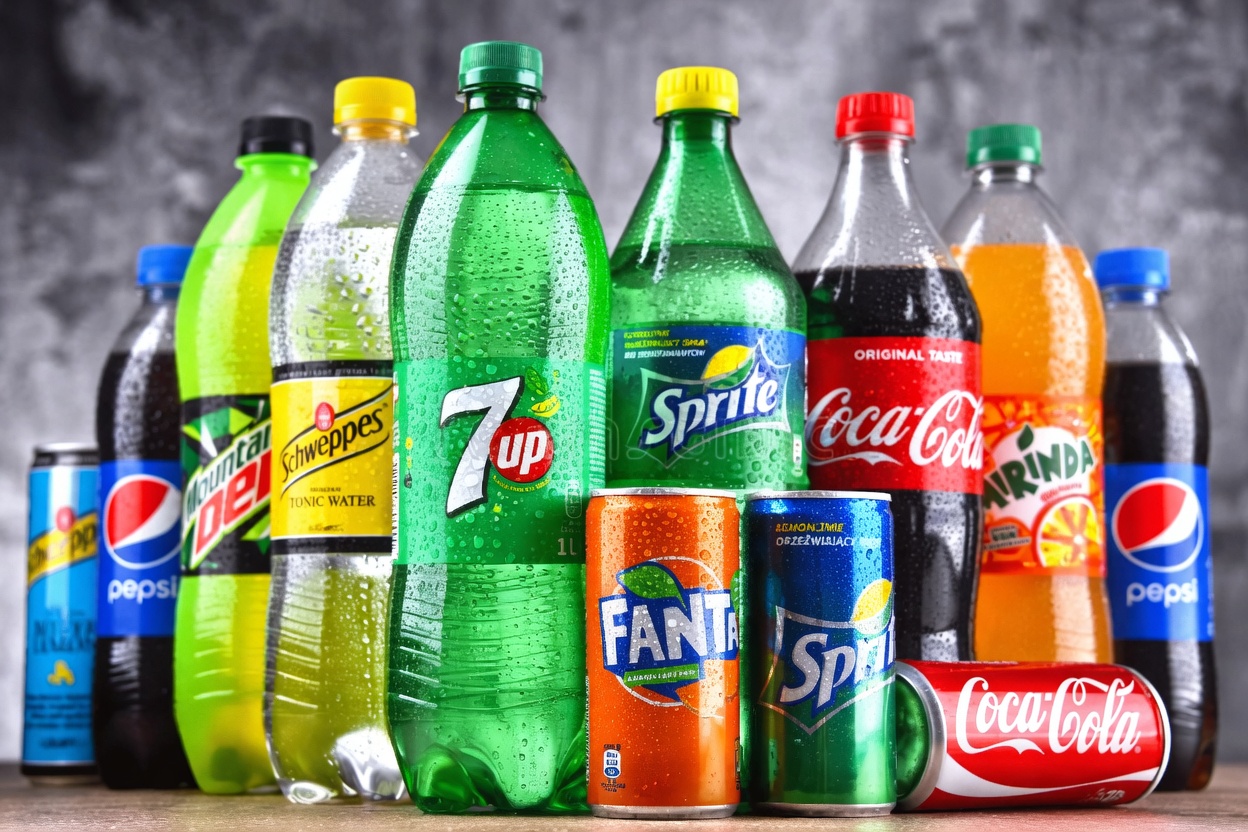
Soda, sweet teas, and many bottled drinks can cause quick blood sugar spikes followed by sharp energy crashes. If you’re over 60, that up-and-down pattern can intensify afternoon fatigue and make it harder to stay active and engaged.
A better option: water with lemon, berries, or cucumber, or unsweetened herbal infusions for flavor without the sugar overload.
3. Fried Foods
French fries, fried chicken, and similar foods tend to be high in unhealthy fats and may worsen inflammation. For many adults over 60, this can mean more stiffness, joint discomfort, and sluggishness—especially noticeable during walks, errands, or daily routines.
Try this instead: baked or air-fried vegetables and proteins can deliver crunch with a gentler impact on overall health.
4. High-Sodium Snacks
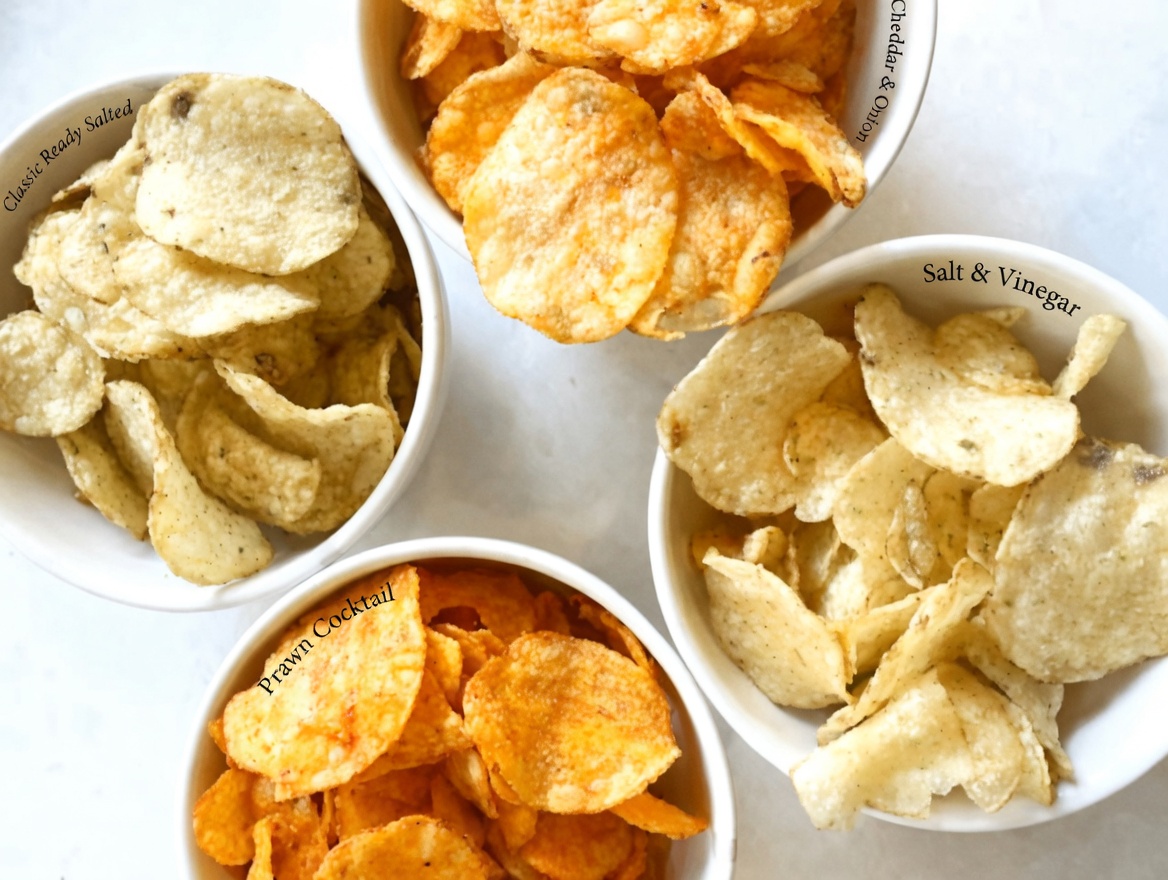
Chips, salted nuts, and packaged snack mixes can push sodium intake higher than you realize. After 60, too much sodium may raise blood pressure and contribute to headaches or a general feeling of unease—adding stress to health monitoring.
Smarter snack ideas: unsalted nuts, lightly seasoned popcorn, or sliced vegetables with hummus.
5. Grapefruit (If You Take Certain Medications)
Grapefruit is nutrient-rich, but it can interfere with how the body processes several common medications, potentially increasing side effects or changing how well the medication works. For adults over 60—who are more likely to be on prescriptions—this interaction can be significant.
Consider switching to: oranges, mandarins, or berries for vitamin C without the medication conflict.

6. Raw or Undercooked Eggs
Raw eggs can appear in homemade dressings, sauces, or batter. After 60, the risk from foodborne illness becomes more serious, and an upset stomach can quickly derail plans, appetite, and overall confidence.
Safer approach: use fully cooked eggs and consider pasteurized eggs for recipes that traditionally use raw ingredients.
7. Unpasteurized Dairy
Unpasteurized milk and certain soft cheeses may contain harmful bacteria. If you’re over 60, a single exposure can lead to more severe illness and lingering digestive discomfort.
Choose instead: pasteurized milk, yogurt, and cheeses that offer similar taste and nutrition with far lower risk.

8. Raw Sprouts
Sprouts (like alfalfa or bean sprouts) are often associated with “healthy” eating, but they can be prone to contamination. For older adults, even a mild infection can feel much more intense and recovery may take longer.
Best alternative: cook sprouts thoroughly, or use cooked vegetables for crunch in salads and bowls.
9. Excessive Alcohol
While an occasional drink may fit into many lifestyles, drinking more than moderate amounts after 60 can disrupt sleep, worsen balance, and interact with medications. Dizziness and poor sleep can quickly affect independence and quality of life.
Swap to consider: sparkling water with citrus, non-alcoholic options, or calming herbal tea in the evening.
10. Foods High in Trans Fats
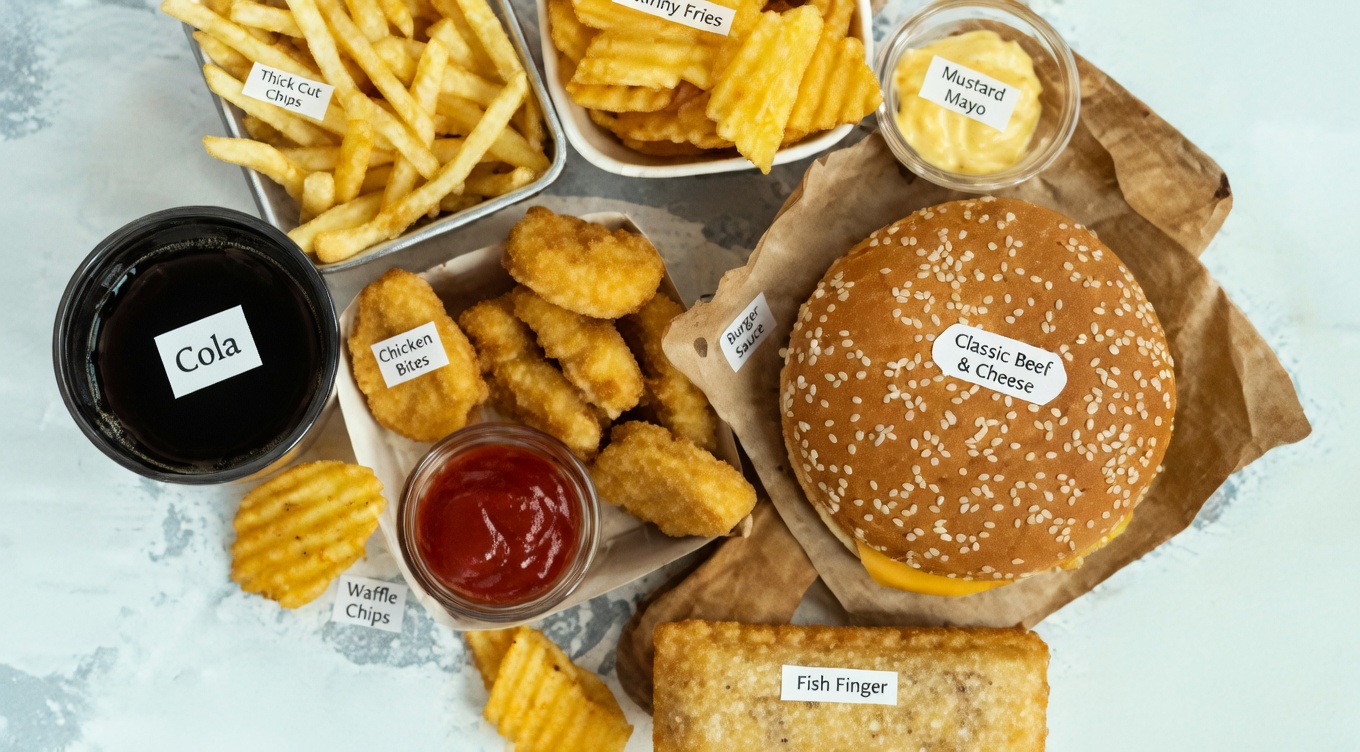
Some baked goods, packaged snacks, and fast foods may contain trans fats, which can negatively affect cholesterol levels. Over time, that can increase concern around heart health—especially if you’re already monitoring blood pressure or cholesterol.
A better choice: whole-grain snacks, nuts, seeds, and foods made with healthier fats.
Practical Tips for Healthier Swaps (Without Feeling Overwhelmed)
Changing your diet after 60 doesn’t have to happen all at once. The most sustainable approach is gradual and consistent.
- Read labels quickly: Watch for added sugars and sodium; aim for under 5g added sugar per serving when possible.
- Prep easy snack options: Wash and slice fruits/vegetables ahead of time so you’re less likely to reach for chips or sweets.
- Try one upgrade per week: For example, replace processed lunch meat with grilled chicken for a few meals.
- Pay attention to your body: Note energy, bloating, sleep quality, or joint stiffness after meals—patterns become clear fast.
Quick “Avoid vs. Swap” Guide
- Processed meats → fresh lean meats
- Sugary beverages → infused water or herbal tea
- Fried foods → baked/air-fried alternatives
- High-sodium snacks → unsalted nuts or popcorn
- Grapefruit (with meds) → oranges/berries
- Raw eggs → fully cooked or pasteurized eggs
- Unpasteurized dairy → pasteurized dairy
- Raw sprouts → cooked sprouts or cooked veggies
- Too much alcohol → moderation or herbal tea
- Trans fat foods → whole-grain options
Daily habits that help after 60
- Hydrate well, especially if you’ve had salty foods.
- Add more fiber (vegetables, legumes, whole grains) to support digestion.
- Talk to a healthcare professional before major dietary changes—particularly if you manage chronic conditions or take prescriptions.
Conclusion: Build a Diet That Supports Energy, Comfort, and Independence
Being mindful of these 10 foods to limit after 60 can reduce common frustrations like fatigue, bloating, swelling, and sleep disruption. With simple swaps and steady habits, your meals can better match your health goals—without feeling restrictive.
And the promised unexpected strategy: batch-prep your meals once a week. Having ready-to-eat options reduces impulse choices, saves time, and makes healthy eating far easier to maintain.
FAQ
What signs suggest certain foods affect me more after 60?
Common clues include bloating, unusual tiredness, swelling, headaches, or sleep changes after meals. Tracking what you eat and how you feel can reveal patterns.
Can I still enjoy treats after 60?
Yes. Focus on moderation, smaller portions, and balancing treats with nutrient-dense foods.
What’s the safest way to change my diet after 60?
Start with one change at a time (like swapping soda for infused water) and consult a qualified healthcare professional—especially if you take medications or manage medical conditions.
Medical Disclaimer
This article is for informational purposes only and is not a substitute for professional medical advice, diagnosis, or treatment. Always seek guidance from your physician or other qualified health provider regarding any health-related concerns.