
High uric acid can contribute to painful joint problems and other issues that interfere with everyday life—turning routine movements into a struggle and even disrupting sleep. While medical advice is essential, many people also look to practical lifestyle changes for extra support. Still, the idea of completely changing your diet can feel like too much—especially when discomfort strikes without warning.
Health research and clinical guidance often highlight familiar, easy-to-find foods that are naturally low in purines and rich in helpful nutrients such as vitamin C, antioxidants, and fiber. These nutrients may support the body’s normal pathways for processing and eliminating uric acid. Below is a countdown of eight evidence-informed foods that many people include regularly—ending with a standout option that has some of the strongest research behind it.

Why These Foods Matter for Uric Acid Support
These foods are commonly recommended because they tend to be lower in purines (substances that can increase uric acid as they break down) while also providing compounds linked to better overall balance. Depending on the food, benefits may include:
- Supporting normal kidney function and uric acid excretion
- Helping reduce oxidative stress and inflammation
- Contributing to healthy weight management and metabolic stability
Major health organizations and research reviews (including guidance commonly referenced by groups such as the Mayo Clinic and the Arthritis Foundation) suggest that consistent dietary patterns—not one-off “quick fixes”—are more closely associated with healthier uric acid trends and fewer painful episodes.
Hydration also matters. Pairing these foods with adequate fluid intake (often suggested as 8–12 glasses of water daily, depending on individual needs) may further support the body’s natural elimination processes.
Now, let’s get into the list—starting with dependable, everyday choices and building toward the most researched standout.
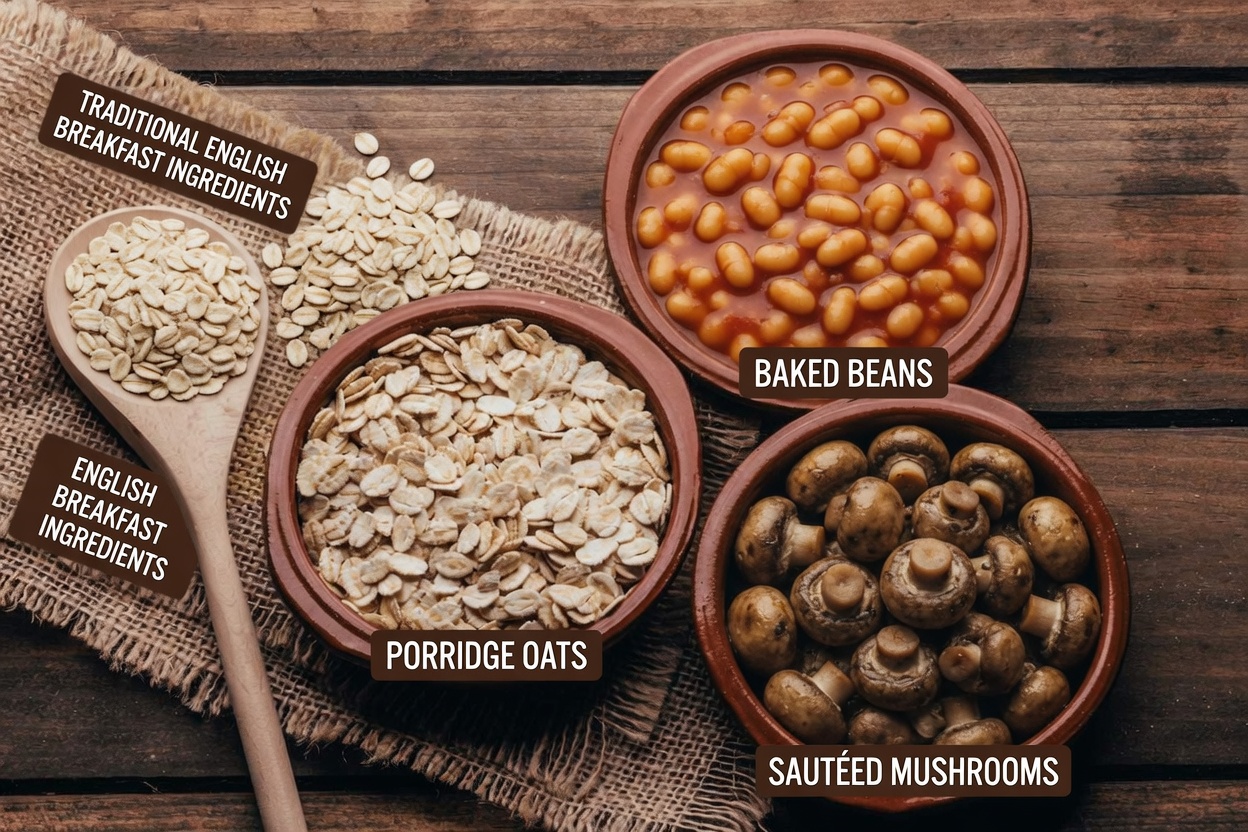
8) Whole Grains (Oats, Barley)
A warm bowl of oatmeal with a few berries is more than just comfort food—it’s also a smart, steady choice. Whole grains supply soluble fiber, which can support digestion, weight balance, and metabolic health—factors that may indirectly influence uric acid management.
A 2025 study in Arthritis Care & Research reported that people who ate whole-grain cereals or oatmeal more regularly showed a significantly lower risk of gout. Whole grains also provide longer-lasting energy without the sharp spikes often seen with refined carbohydrates.
- Try: oatmeal, barley soup, whole-grain cereal
- Choose: whole grains over refined grains for better overall support
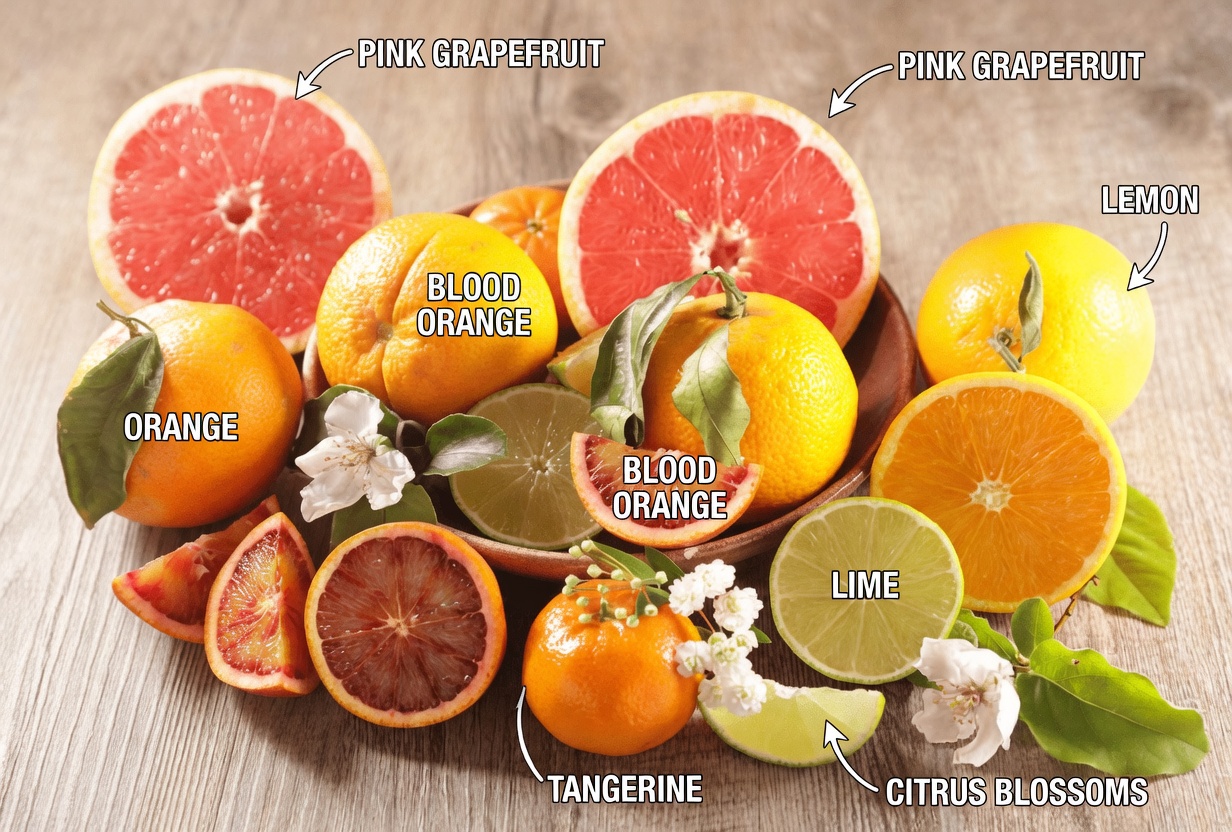
7) Citrus Fruits (Oranges, Lemons, Grapefruit)
Adding lemon to warm water or eating an orange as a snack can be a simple daily habit with potential benefits. Citrus fruits are well known for their vitamin C, which has been associated in multiple studies with improved uric acid handling—likely through supporting kidney excretion.
Many reviews suggest that higher vitamin C intake from foods (often discussed around the 500 mg/day range from diet) correlates with healthier uric acid patterns. Whole fruits are generally preferred over juice to avoid concentrated sugars.
- Try: whole oranges, fresh grapefruit, lemon squeezed into water
- Tip: choose whole fruit more often than sweetened juices
6) Berries (Strawberries, Blueberries, Raspberries)
Berries make healthy eating feel easy: sweet, colorful, and flexible in meals. They contain vitamin C, plus plant compounds such as polyphenols and antioxidants that may help address oxidative stress often associated with elevated uric acid.
Evidence frequently points to berries as part of broader plant-forward eating patterns that support inflammation control and metabolic health.
- Try: mixed berries in smoothies, yogurt, or oats
- Bonus: fresh or frozen both work well
5) Leafy Greens and Hydrating Vegetables (Spinach, Broccoli, Cucumbers)
A crisp salad with spinach and cucumbers is light, refreshing, and supportive. Most vegetables are very low in purines and provide water, potassium, and fiber, which can help maintain hydration and overall balance.
Diet patterns such as Mediterranean and DASH-style eating, frequently studied for heart and metabolic benefits, are also consistently associated with improved outcomes relevant to uric acid management—largely because vegetables form a major foundation of these diets.
Some people worry about a few vegetables that contain more purines (like asparagus). However, research and dietary guidance generally emphasize that the overall benefit of eating plenty of vegetables outweighs small differences among individual types.
- Aim for: half your plate from vegetables at meals
- Focus on: variety, volume, and consistency
4) Legumes (Lentils, Beans, Chickpeas)
A bowl of lentil soup or chickpeas in a salad can provide satisfying protein without relying on higher-purine animal options. Legumes offer plant protein and fiber, and they’re often used as a practical replacement for some meat servings.
Research suggests that swapping some animal proteins for legumes may support better uric acid outcomes—partly because plant-based purines don’t appear to trigger the same effects seen with certain animal-derived foods.
- Try: lentil soup, bean chili, hummus, chickpea salads
- Plan for: 3–4 servings per week as a starting point
3) Coffee (Regular or Decaf)
For many people, coffee is already part of daily life—and it may offer more than just a boost in alertness. Large population studies repeatedly link moderate coffee intake (including decaf) with lower uric acid levels and a reduced risk of gout.
Researchers have suggested that coffee’s bioactive compounds may help reduce uric acid production or support excretion. The fact that decaf also shows benefits suggests the effect is not purely from caffeine.
- Typical moderate range in studies: often around 2–4 cups/day, sometimes more
- Watch out for: sugar-heavy add-ins and high-calorie creamers
2) Low-Fat Dairy (Yogurt, Skim Milk)
Low-fat dairy is frequently ranked among the most practical foods for uric acid support. Proteins such as casein and lactalbumin may help the body eliminate uric acid more efficiently.
Multiple studies (including findings discussed in journals such as the Journal of Dairy Science) have reported that people with higher intake of low-fat dairy often show lower uric acid levels and fewer painful episodes.
If you’ve heard dairy automatically worsens inflammation, it’s worth noting that low-fat dairy is often associated with the opposite trend in uric acid-focused research.
- Try: plain yogurt, skim milk, low-fat kefir
- Pair with: berries or cherries for an easy combination
1) Cherries (Especially Tart Cherries)
Cherries—particularly tart varieties—are often considered the most standout single food in this category. They contain anthocyanins, powerful antioxidants associated with inflammation control and healthier uric acid patterns.
A range of research, including cohort studies and reviews, has linked cherry intake (fresh cherries, unsweetened juice, or extracts) with lower uric acid levels and a reduced risk of flare-ups. Among common foods, cherries repeatedly appear as one of the most strongly supported options.
- Simple serving ideas: 10–12 cherries, or ½ cup unsweetened tart cherry juice
- Keep it consistent: regular intake tends to matter more than occasional use
Quick Comparison: How These Foods Help (At a Glance)
- 1. Tart cherries: anthocyanins; supports lower levels and inflammation control
- 2. Low-fat dairy: casein/lactalbumin; supports uric acid excretion
- 3. Coffee (regular or decaf): bioactive compounds; linked to lower levels
- 4. Legumes: plant protein + fiber; useful lower-purine protein swap
- 5. Berries: vitamin C + polyphenols; antioxidant and anti-inflammatory support
- 6. Citrus fruits: vitamin C; supports kidney excretion
- 7. Whole grains: fiber; supports weight and metabolic balance
- 8. Vegetables/leafy greens: water + potassium + fiber; hydration and overall balance
Easy Ways to Start Using Them Today
Small changes tend to stick better than major overhauls. Try:
- Prioritize hydration: aim for 8–12 glasses of water daily, as appropriate for you
- Add foods gradually: introduce 1–2 new options per week (for example, yogurt and cherries)
- Pay attention over time: note joint comfort and energy after 4–6 weeks of consistency
- Build balanced plates: vegetables for half the plate, plus supportive protein and a fruit
Moving Forward with Simple, Consistent Choices
Many people find that steady habits—not extreme restrictions—lead to better day-to-day comfort. Common combinations include cherries with low-fat yogurt, or pairing a plant-forward meal pattern with berries, citrus, and whole grains for layered support.
The key takeaway: focus on low-purine, nutrient-dense foods, stay well-hydrated, and build a routine you can maintain long-term.