
Chronic Kidney Disease in the U.S.: Why So Many People Miss It Until It’s Advanced
According to recent data from the CDC and the National Kidney Foundation, more than 1 in 7 U.S. adults—roughly 35.5 million people—may be living with chronic kidney disease (CKD). A major challenge is that CKD often progresses quietly, so many people don’t realize anything is wrong until kidney function has already dropped.
That’s where the frustration begins: you reduce salt, monitor protein, drink enough water—and yet lab values like creatinine and estimated glomerular filtration rate (eGFR/GFR) still move in the wrong direction. The good news is that supportive nutrition doesn’t always require drastic dieting or expensive supplements. Some everyday foods may help by lowering toxin burden, calming inflammation, and delivering protective nutrients.
This article breaks down five accessible, research-supported foods that may gently support kidney wellness when used thoughtfully.

Why Kidney Health Can Feel Like a Constant Struggle
As we get older—especially after age 40–50—kidneys may face years of wear from common issues such as:
- Long-term blood pressure strain
- Blood sugar variability
- Certain medications that affect kidney workload
Over time, these factors can stress the kidney’s tiny filtering structures (the nephrons). Even with good habits like hydration and lower sodium intake, ongoing exposure to waste buildup, inflammation, and oxidative stress may still influence trends in creatinine and GFR.
A helpful shift in perspective: instead of focusing only on what to restrict, consider what to add. Some nutrient-dense plant foods may support upstream drivers of kidney stress through:
- Toxin binding in the gut
- Anti-inflammatory effects
- Antioxidant protection
Five Kidney-Supportive Foods (Simple, Affordable, and Evidence-Informed)
Insights from research and major medical institutions (including findings discussed across respected medical journals and health systems) consistently point toward plant-forward eating patterns as supportive for overall kidney health. Below are five practical foods often highlighted for their complementary benefits.
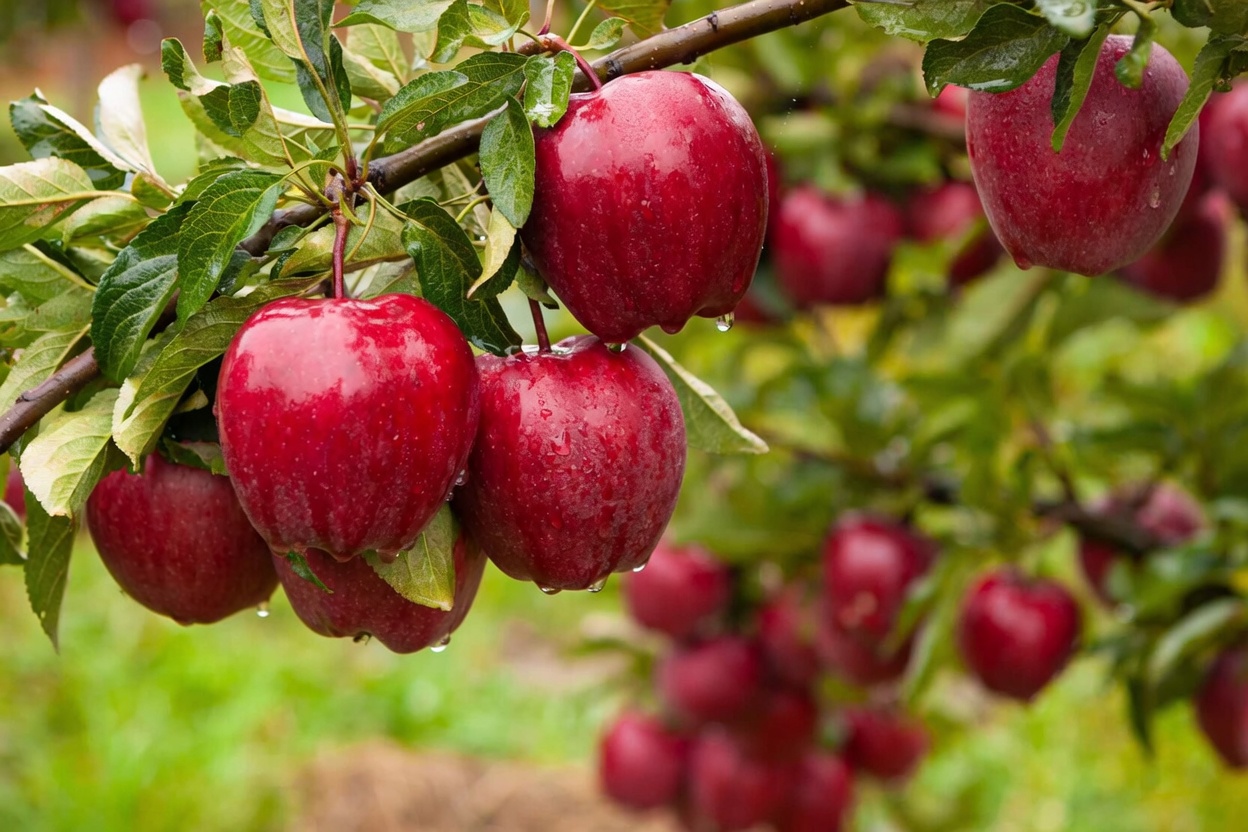
1) Apples
Apples provide pectin, a soluble fiber that may help bind certain waste compounds in the digestive tract, potentially reducing how much ends up in the bloodstream for kidney filtration. Because gut health and kidney health are closely connected, fiber-rich foods like apples can be especially valuable.
Best practice: eat apples with the skin on, since many beneficial compounds are concentrated near the peel.
2) Legumes (lentils, beans)
Beans and lentils offer plant-based protein that can generate less nitrogen waste than many animal proteins. That may translate into a lighter filtration burden related to urea and other byproducts. Legumes also supply substantial fiber, supporting beneficial gut bacteria and helping reduce overall inflammation.
Tip: if using canned beans, rinse thoroughly to reduce sodium.
3) Extra Virgin Olive Oil (EVOO)
Extra virgin olive oil contains oleic acid and protective plant compounds called polyphenols, both associated with anti-inflammatory activity. Research suggests EVOO may help lower markers related to inflammation and oxidative stress, supporting healthier blood vessels that feed the kidneys.
Use it wisely: EVOO is best drizzled after cooking rather than used for high-heat frying.
4) Red Grapes
Red grapes contain antioxidants including flavonoids, resveratrol, and proanthocyanidins. These compounds may help defend cells against oxidative damage and support circulation—important factors for protecting sensitive kidney tissue.
Portion matters: keep servings reasonable to avoid excess sugar intake.
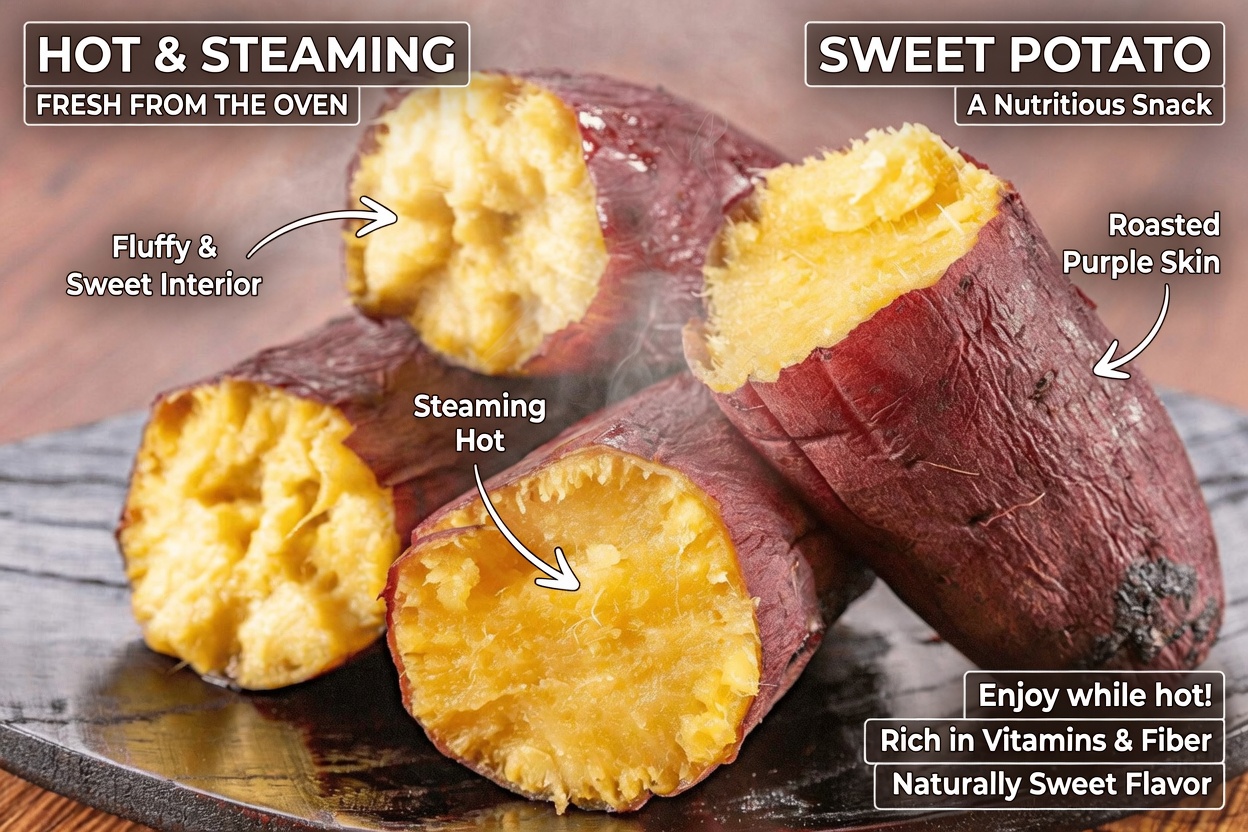
5) Sweet Potatoes
Sweet potatoes deliver beta-carotene, vitamin C, and fiber, supporting tissue integrity and blood vessel function. Their soluble fiber can also promote steadier digestion and better gut balance—another angle of support for kidney wellness.
Important note: sweet potatoes can be higher in potassium, so portion control is key for advanced CKD.
Quick Self-Check
On a scale of 1–10, how often do these foods already show up in your weekly meals? If the number is low, small additions—even just one food at first—may be a practical starting point.
Real-World Patterns: How People Actually Add These Foods
Many people say they feel “lighter” or more energetic after consistently introducing these options—such as:
- One apple daily
- Lentils or beans a few times per week
- A steady habit of olive oil drizzles
- Red grapes as a snack
- Baked sweet potatoes as a dinner staple
While personal experiences aren’t the same as medical outcomes, these routines align with broader research suggesting that plant-forward patterns may support healthier kidney-related markers over time.
12 Ways These Foods May Support Kidney Wellness (Mechanisms That Matter)
Below are research-informed reasons these foods are often considered kidney-supportive when portioned appropriately.
Foundation Support
- Gut toxin binding: pectin in apples may help trap certain wastes before they circulate.
- Lower nitrogen load: plant proteins from legumes may produce fewer problematic byproducts.
- Reduced inflammation: olive oil polyphenols may help calm inflammatory pathways.
- Antioxidant shielding: grape compounds help protect cells from oxidative stress.
Momentum Builders
- Vessel and tissue nourishment: sweet potato nutrients support repair and circulation.
- Gut–kidney connection: fiber from apples, legumes, and sweet potatoes supports healthy microbiota.
- Phosphorus advantage: plant-based phosphorus is often less absorbable than animal sources.
- Microcirculation support: polyphenols may help protect small blood vessels.
Long-Term Benefits (With Consistency)
- Potentially slower decline: nutrient patterns in studies correlate with steadier function.
- Less protein leakage risk: lower inflammation may support filtration integrity.
- Better day-to-day energy: reduced toxin burden can help with fatigue.
- Cumulative protection: benefits build through consistent daily habits.
Bonus tip: keep the apple peel—many protective flavonoids sit just beneath it.
Easy Daily Ways to Eat All Five (Simple Routine)
Start small, then build into a repeatable pattern:
- Morning: 1 medium apple (skin on), sliced; add cinnamon if desired
- Mid-morning or lunch: drizzle extra virgin olive oil over vegetables, salad, or eggs
- Lunch: ½–1 cup cooked lentils or beans (rinse canned beans well)
- Snack: 1 cup red grapes
- Dinner: 1 medium baked sweet potato (skin on), seasoned with herbs (skip added salt/butter)
Portion and Lab Note (Especially for Later-Stage CKD)
If you have advanced CKD or have been told to restrict potassium or phosphorus, portions matter. For reference (approximate):
- Apple: ~195 mg potassium
- Red grapes (1 cup): ~288 mg potassium
- Sweet potato (medium): ~540 mg potassium
Helpful strategies include:
- Rinse canned beans thoroughly
- Soak dried legumes before cooking
- Coordinate food choices with your clinician and lab results
Quick Comparison Table: Benefits, Mistakes, and Better Choices
| Food | Key Supportive Benefit | Common Mistake | Smarter Approach |
|---|---|---|---|
| Apples | Soluble fiber (pectin) for gut toxin binding | Peeling the skin | Eat skin on; choose organic if feasible |
| Legumes | Plant protein + fiber; potentially lower waste load | Not rinsing canned beans | Rinse/soak; aim for ½–1 cup, 3–4x/week |
| Extra Virgin Olive Oil | Anti-inflammatory polyphenols | High-heat frying | Use as a finishing drizzle after cooking |
| Red Grapes | Antioxidant support | Oversized portions | Keep to ~1 cup, 3–4x/week |
| Sweet Potatoes | Beta-carotene + vitamin C + fiber | Loading with butter/salt | Bake plain; season with herbs |
What Results Timeline Might Look Like
While results vary, many people notice changes in stages:
- Weeks 1–4: less bloating, steadier energy (start with 1–2 foods)
- Weeks 5–12: more noticeable day-to-day improvements; add all five and track labs
- Months 3–6: sustained comfort often reported with consistency
- Long term: benefits may accumulate with routine habits
A practical tracking method: rate how you feel after meals (energy, “lightness,” digestion) on a 1–10 scale to spot patterns.
Safety First: Key Medical Reminders
This content is educational and does not replace medical care. Always talk with your nephrologist or a registered dietitian before changing your diet—especially if you have:
- Advanced CKD
- High potassium or phosphorus
- Medication considerations (including blood pressure meds, diuretics, or others)
Ongoing lab monitoring is essential. Never adjust your plan based only on generalized nutrition advice.
Your Next Step: Small Food Choices That Add Up
Imagine the next few months with more stable energy, fewer worries about lab trends, and the confidence that your everyday meals include kidney-supportive options. Start with one change—an apple a day, a weekly lentil lunch, or switching to extra virgin olive oil—and build from there. Consistent, realistic habits in the kitchen often create the most sustainable momentum.