Why You May Want to Pee After Sex (and How to Make It Easy)
After an intimate moment, it’s tempting to stay in bed and enjoy the closeness. Still, many people feel a quiet nudge to head to the bathroom soon after sex. That instinct isn’t random—your body is responding to physical activity and fluid movement. Ignoring it won’t necessarily cause an immediate problem, but for some, discomfort can build over time and affect day-to-day comfort (and even confidence in intimate relationships). The good news: a quick bathroom trip is a simple, low-effort habit that may support overall well-being.

What Happens During Sex: The Simple Science
Sex involves close skin-to-skin contact and friction, which can shift bacteria from one area of the body to another. In some people, especially those more prone to urinary irritation, this transfer may contribute to mild urinary discomfort later on.
Health organizations, including sources like the Cleveland Clinic, often emphasize that everyday routines can influence urinary comfort. While peeing after sex isn’t a magic shield, it’s a practical step that may support long-term ease—not just immediate relief.
Potential Benefits for Women
Many women find this habit especially helpful because the urethra (the tube that carries urine out of the body) is shorter. That shorter pathway can make it easier for bacteria to move toward the bladder during sexual activity.
Emptying your bladder shortly after sex may help rinse away bacteria or irritants near the urethral opening. It’s not guaranteed to prevent problems, but many people report feeling cleaner, more comfortable, and less “off” afterward.
Benefit Highlight: The “Natural Rinse” Effect
Urination creates a flushing flow that may help clear bacteria near the urethra. Think of it as a gentle rinse that supports freshness—without adding complexity to your routine.
This habit also pairs well with broader self-care basics, like staying hydrated, which can make urination easier and more consistent.
How This Habit Can Help Men, Too
Men typically have a longer urethra, which offers some natural protection. Even so, peeing after sex can still be a useful hygiene step and may reduce lingering sensations such as mild pressure or residual discomfort.
While evidence doesn’t suggest dramatic benefits for most men, it’s a simple routine with minimal downside—and some people say it helps them feel better the next morning.
A Hygiene Boost for Everyone
Regardless of gender, urinating after sex may support cleanliness by clearing fluids and reducing potential irritants. It can also be a shared wellness habit between partners, encouraging comfort on both sides.
Best of all, it’s easy to fit into a nighttime wind-down and doesn’t require special products or elaborate steps.
Top Reasons People Choose to Pee After Sex
Here are common, widely discussed reasons this habit is recommended:
- Gentle bacterial flush: Urine flow may help move bacteria away from the urethral opening.
- Improved comfort: Emptying a full bladder can ease pressure and reduce post-sex discomfort.
- Healthier bladder routine: Regular voiding helps avoid urine stagnation and supports good urinary habits.
- Better freshness: Many people simply feel cleaner afterward.
- Fewer minor irritations: Consistency may reduce recurring mild discomfort for those prone to it.
- Pelvic comfort for men: Some men report less lingering pressure in the pelvic area.
- More peace of mind: It’s a proactive step that can increase confidence in your personal care routine.
Individual results vary, but the habit is commonly recommended because it’s simple and low risk.
Benefits by Gender: A Quick Comparison
-
Women
- Main potential benefit: May help flush irritants and support urinary comfort
- Relative risk level: Higher due to anatomy
- Recommendation: Often strongly encouraged as a routine
-
Men
- Main potential benefit: Supports hygiene and may reduce subtle pressure
- Relative risk level: Generally lower
- Recommendation: Helpful addition with little downside
-
Everyone
- Main potential benefit: Promotes freshness and proactive care
- Relative risk level: Low for this habit
- Recommendation: Easy to adopt for most people
How Soon Should You Pee After Sex? (Practical Habit Tips)
To make this routine effortless, use these simple steps:
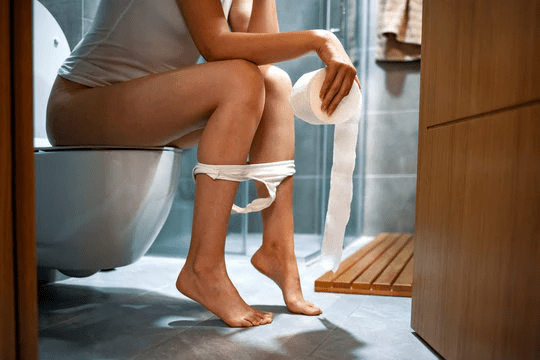
- Aim for a realistic window: Try to urinate within 15–30 minutes after sex. Sooner may help with the flushing effect.
- Stay hydrated: Drinking water throughout the day (or keeping a glass nearby at night) makes it easier to go when you want to.
- Keep cleaning gentle: If you choose to clean up, use water or unscented wipes. Skip harsh or heavily fragranced soaps.
- Don’t force it: If you don’t feel the urge, don’t strain. Make it a mindful routine rather than a strict rule.
- Keep the mood positive: Many couples treat it as a quick reset and return to bed relaxed.
If you experience persistent pain, burning, fever, unusual discharge, or frequent urinary symptoms, consult a healthcare professional.
Common Myths and Concerns
-
Myth: Peeing after sex prevents pregnancy.
It does not. Contraception is still necessary if pregnancy prevention is the goal. -
Concern: “It ruins the romance.”
For many people, it takes less than a minute and can actually improve relaxation afterward.
Mild irritation can sometimes happen from friction and doesn’t always signal a serious issue—but symptoms that persist or worsen deserve medical attention.
Real-World Experiences People Often Report
Some people say they notice fewer interruptions to daily life after adopting this habit. Others report less subtle pressure or fewer moments of discomfort. These personal stories reflect what many clinicians hear: it’s a small step that may make a noticeable difference for certain bodies.
Why This Small Habit Supports Long-Term Well-Being
Peeing after sex is a simple way to stay in tune with your body and build an easy self-care routine. It’s not about being anxious—it’s about choosing a practical step that may improve comfort over time.
Unexpected tip: Combine your bathroom trip with one deep breath or a quick stretch. It turns a functional moment into a calming mini ritual, making the habit easier to maintain.
Conclusion
Going to the bathroom after sex is a low-effort habit that may support comfort, freshness, and peace of mind. It’s easy to try, generally harmless, and can fit naturally into your routine. Pay attention to how your body feels and keep what works for you.
Frequently Asked Questions (FAQ)
-
Is peeing after sex required for everyone?
Not necessarily. However, it’s commonly recommended—especially for people who experience occasional urinary discomfort. It’s a simple hygiene practice with minimal downside. -
What if I don’t feel the urge right away?
That’s normal. Try drinking some water and aim to go within about 30 minutes. Don’t force it—listen to your body. -
Does this prevent UTIs or other medical issues?
It may support urinary comfort, but it does not guarantee prevention or replace medical care. If you have recurring symptoms, talk with a healthcare professional.
Disclaimer: This article is for informational purposes only and is not a substitute for professional medical advice. For personalized guidance, consult a qualified healthcare provider.