Natural Energy Tonic: A Healthier Alternative to Sugary Energy Drinks (Plus Easy DIY Recipes)
Most people know the routine: you wake up feeling drained, then grab a soda or energy drink for a fast “boost.” The problem is that these quick fixes often come with unwanted trade-offs—energy crashes, jitters, and even dehydration. As we get older (and busier), many of us start looking for something calmer and more supportive: a drink that hydrates, nourishes, and helps you feel energized in a more natural way.
The good news is you don’t have to depend on artificial stimulants to feel alert. A natural energy tonic made with plant-based ingredients can deliver steadier energy while supporting hydration and overall wellness.

What Is a Natural Energy Tonic?
A natural energy tonic is a refreshing, nutrient-forward drink commonly made with ingredients such as fresh fruit, herbs, coconut water, and raw honey. Unlike many commercial energy drinks that rely on refined sugar, artificial flavors, and heavy stimulants, natural tonics are designed to prioritize:
- Hydration
- Plant-based nutrients
- Electrolytes
- Antioxidants
- Gentle, optional natural stimulants
The result is typically a smoother, more balanced lift—without the intense spike-and-crash cycle associated with sugary beverages.
Why Natural Energy Tonics Are Becoming So Popular
More people are switching to natural energy tonics because they support energy in a broader, more sustainable way.
-
More stable energy
- Natural ingredients tend to provide a gradual release rather than a sharp peak followed by a crash.
-
Hydration comes first
- Fatigue is often linked to dehydration. Ingredients like coconut water and citrus help restore fluids and key electrolytes.
-
Real nutritional value
- Instead of empty calories, many tonics deliver vitamin C, antioxidants, trace minerals, and plant compounds that can better support an active day.
-
Easy to customize
- Whether you want morning focus or post-workout recovery, you can adjust:
- sweetness level
- caffeine (optional)
- ingredient combinations
- Whether you want morning focus or post-workout recovery, you can adjust:
Best Natural Ingredients for Energy and Hydration
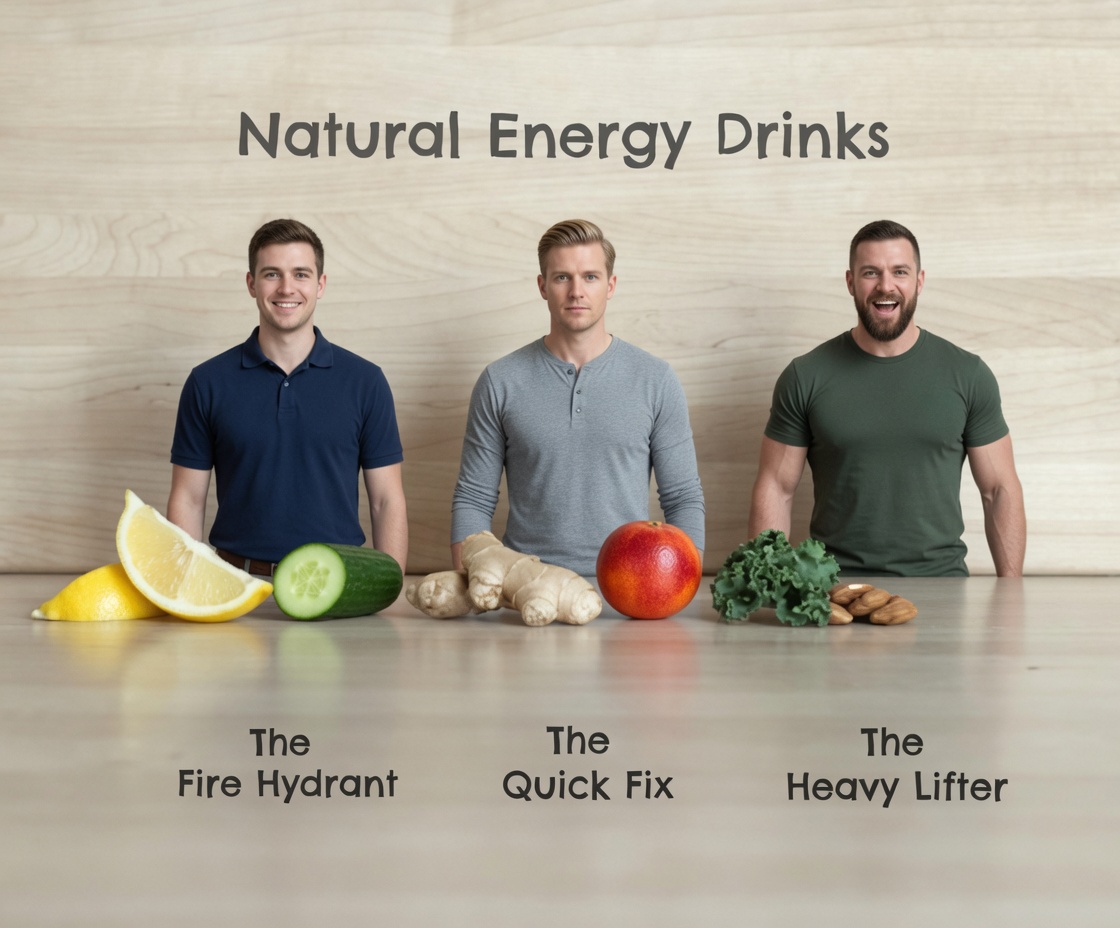
A well-made natural energy tonic works because the ingredients complement each other. Here are popular options that support energy, hydration, and stamina:
- Citrus fruits (lemon, orange, lime): Hydrating and rich in vitamin C
- Raw honey or maple syrup: Natural sweetness plus trace nutrients
- Coconut water: A well-known source of electrolytes for hydration support
- Green tea: Mild caffeine with beneficial antioxidants
- Yerba mate: Traditional stimulant known for a gentler energy boost
- Panax ginseng: Often used to support vitality and stamina
- Fresh ginger: Warming ingredient that may support circulation and comfort
- Watermelon or berries: Hydrating fruits packed with antioxidants
Easy DIY Natural Energy Tonic Recipes (Make at Home)
Try these simple, refreshing recipes whenever you want a natural energy lift.
Citrus Honey Hydration Tonic
Ingredients
- 2 cups coconut water
- Juice of 1 orange
- Juice of 1/2 lemon
- 1–2 tablespoons raw honey
- Pinch of sea salt
How to make it
- Combine everything in a jar or shaker.
- Mix well, then chill before drinking.
This is a great option for post-workout hydration or a light afternoon refresher.
Green Tea & Citrus Energizer
Ingredients
- 1–2 green tea bags
- 1 cup hot water
- 1 teaspoon lemon juice
- 1 teaspoon honey or agave
How to make it
- Brew the green tea, then let it cool.
- Stir in lemon juice and your preferred sweetener.
- Serve over ice.
Ideal for a mid-morning or afternoon pick-me-up with gentle caffeine.
Watermelon-Cherry Vitality Blend
Ingredients
- 2 cups diced watermelon
- 1/2 cup cherries (pitted)
- 1/2–1 teaspoon ginseng powder (optional)
How to make it
- Blend until smooth.
- Strain if you prefer a lighter texture.
- Serve chilled.
This blend works well as a pre-activity refresher thanks to its hydrating fruit base.
Tips to Get the Best Results
- Use fresh, seasonal produce when possible: fresher ingredients often mean better flavor and nutrient content.
- Increase sweetness slowly: it’s easy to overdo sweeteners, even natural ones.
- Sip instead of chugging: a slower pace can feel gentler and more balanced.
- Pair with balanced meals: for longer-lasting energy throughout the day.
- Pay attention to your body: moderation helps support consistent energy levels.
Natural Energy Tonic vs. Commercial Energy Drinks
-
Ingredients
- Natural tonic: plant-based components
- Commercial drinks: often include artificial additives
-
Sweeteners
- Natural tonic: moderate natural sugars
- Commercial drinks: commonly high in refined sugar
-
Caffeine
- Natural tonic: optional, usually gentler
- Commercial drinks: often high-caffeine formulas
-
Hydration
- Natural tonic: hydration-focused
- Commercial drinks: stimulation-focused
A More Balanced Way to Support Energy
A natural energy tonic can be a helpful addition to your routine—but lasting energy usually depends on the bigger picture, including:
- quality sleep
- balanced nutrition
- regular movement
- stress management
- consistent hydration
No single drink can replace healthy habits, but a well-made tonic can support them.
Final Thoughts
A natural energy tonic is more than a trendy drink—it’s a practical, mindful alternative to sugary energy drinks that supports hydration, balanced energy, and nutrient intake. With a few simple ingredients and quick recipes, you can start making your own tonics at home and feel energized in a steadier, more natural way.
FAQ (Frequently Asked Questions)
-
How often can I drink a natural energy tonic?
Many people enjoy them daily—either in the morning, during an afternoon slump, or after workouts for recovery. -
Can I add caffeine to a natural energy tonic?
Yes. Ingredients like green tea or yerba mate can naturally increase caffeine while still keeping the drink plant-based. -
Are natural energy tonics safe for people with diabetes?
These recipes use natural sweeteners, but sugar is still sugar. If you have diabetes or related concerns, consult your healthcare provider for personalized guidance.
Disclaimer
This article is for informational purposes only and is not intended to diagnose, treat, or cure any condition. Always consult a qualified healthcare professional before making significant changes to your diet or lifestyle.