When Brushing and Flossing Aren’t Enough: A Gentle Herbal Add-On for Oral Freshness
You can brush and floss every day and still notice changes—breath that doesn’t feel as clean as it once did, or gums that seem a little more sensitive. For many older adults, these small shifts can be frustrating (and sometimes embarrassing), leading to hesitation in close conversations with family or friends.
It’s also common to dismiss early warning signs as “just aging.” But daily oral comfort doesn’t have to feel like a losing battle. If you’re curious about a mild, plant-based approach that may support your routine (without replacing professional care), tulsi—also known as holy basil—is worth learning about.
What Is Tulsi (Holy Basil), and Why Has It Been Used for Centuries?
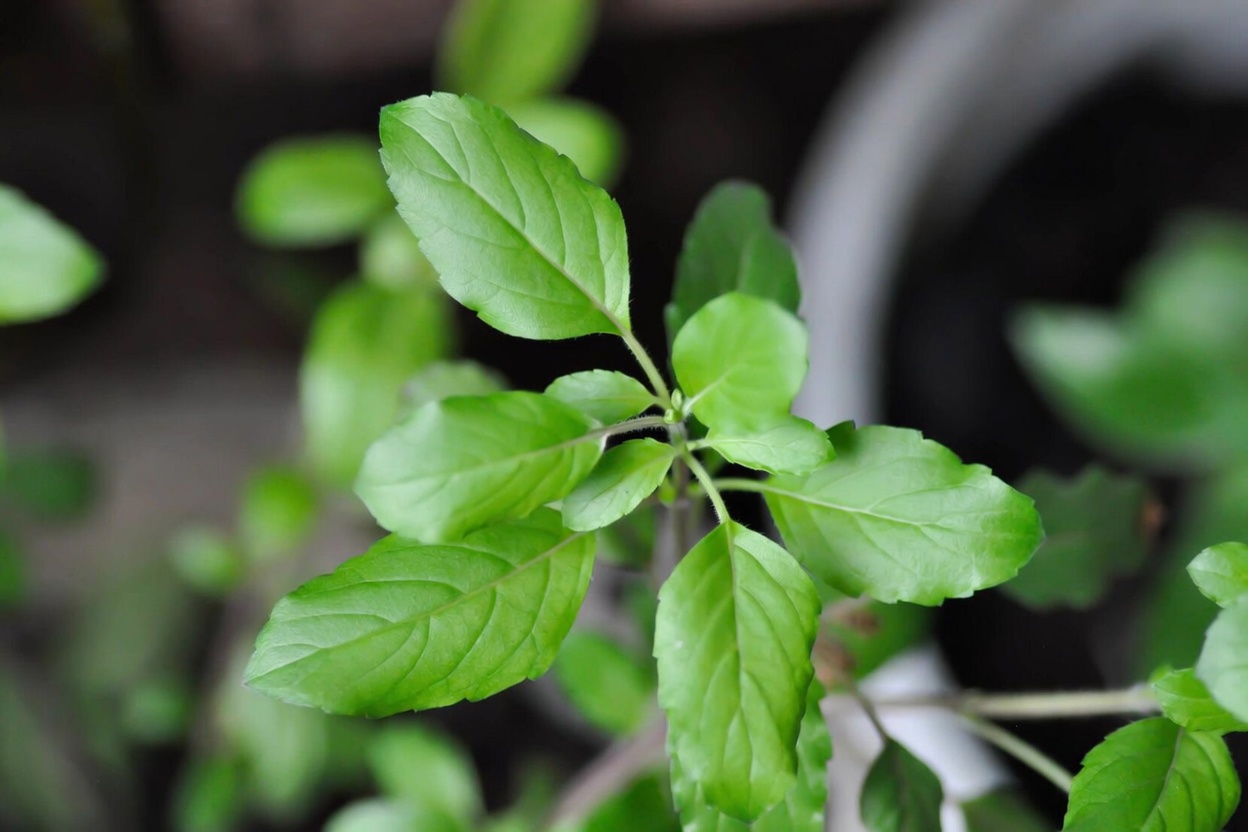
If you’ve ever crushed basil leaves between your fingers, you know how refreshing the scent can be. Tulsi (pronounced tool-see) is a distinct type of basil traditionally respected in South Asia, often linked with wellness practices and spiritual rituals.
Tulsi is not a miracle cure, and it’s important to keep expectations realistic. People value it mainly for:
- Gentle soothing comfort
- A naturally aromatic, “fresh” feeling
- Longstanding traditional wellness use
Modern research has also explored tulsi’s naturally occurring plant compounds and how they may contribute to everyday comfort—especially when paired with proven basics like brushing and flossing.
Tulsi vs. Sweet Basil: Similar Plant, Very Different Purpose
Although tulsi and common table basil may look alike, they’re typically used in different ways.
-
Traditional role
- Tulsi: wellness and ritual use
- Sweet basil: culinary flavoring
-
Aroma
- Tulsi: stronger, slightly peppery
- Sweet basil: mild and sweet
-
Notable plant compounds
- Tulsi: often associated with compounds like eugenol, rosmarinic acid, and polyphenols
- Sweet basil: generally less concentrated for these purposes
-
Typical use
- Tulsi: herbal rinses, gentle daily support
- Sweet basil: cooking and garnish
How Tulsi Can Complement Oral Care (And What It Cannot Do)
A clear reminder: tulsi does not treat cavities or gum disease, and it cannot replace diagnosis or treatment from a dental professional.
That said, research and traditional use suggest tulsi may support:
- A healthier-feeling oral environment
- Breath freshness
- Comfort in mildly sensitive gum areas
- A more pleasant “clean mouth” feeling as part of a consistent routine
Think of it this way: oral health is a team effort—toothbrush, floss, hydration, dental checkups, and daily habits do the heavy lifting. Tulsi is simply a potential supporting player.
What Research Suggests (In Simple Terms)
Studies investigating tulsi often point to naturally occurring plant actions such as:
- Antioxidant activity
- Mild antibacterial properties
- Anti-inflammatory pathways
These are not “cures.” Instead, they’re mechanisms that may contribute to feeling cleaner and more comfortable day to day—especially for people trying to stay consistent with oral hygiene.
Note: Research is ongoing, and tulsi should be used alongside evidence-based oral care, not instead of it.
How to Use Tulsi in an Easy, Everyday Oral Routine
If you’d like to try tulsi, here are simple methods many people find approachable. Choose what fits your lifestyle and comfort level.
1) Tulsi Herbal Rinse (Gentle Mouth Rinse)
You’ll need:
- 5–6 fresh or dried tulsi leaves
- 1 cup (240 ml) water
Steps:
- Boil the leaves in water for about 10 minutes.
- Let it cool completely.
- Strain the liquid.
- Rinse after brushing—swish gently and spit out.
Use once or twice daily.
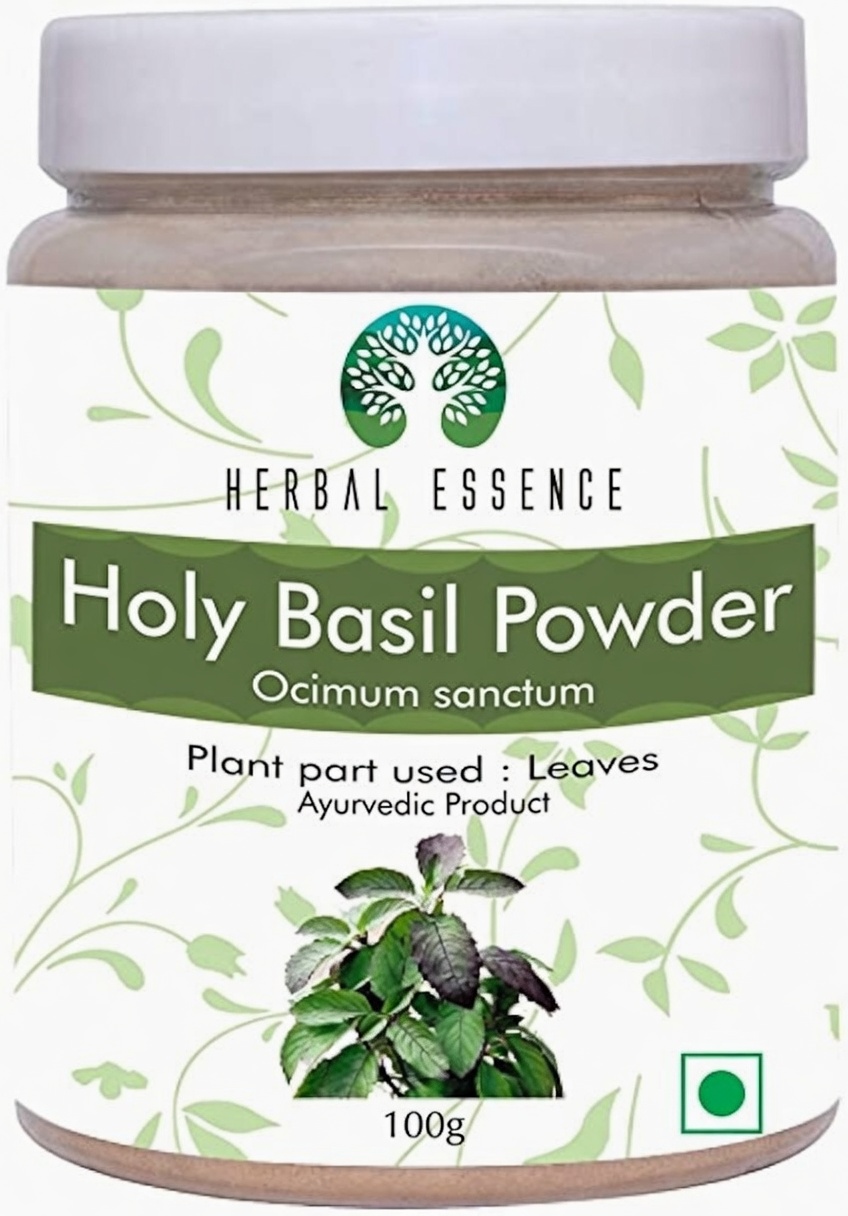
2) Tulsi Powder Mixed with Toothpaste
Steps:
- Shade-dry fresh tulsi leaves.
- Grind into a fine powder.
- Add a small pinch to your regular toothpaste.
- Brush gently—avoid aggressive pressure.
Tip: More is not better. Gums can be sensitive, especially with age.
3) Tulsi Tea for Daily Wellness Support
Steps:
- Steep 3–4 tulsi leaves in hot water for 5–10 minutes.
- Drink once daily (optional: a small amount of honey).
This isn’t an “oral treatment,” but feeling better overall often helps people stay consistent with healthy routines—including oral care.
Oral Care Basics You Should Never Skip
No herb can replace the fundamentals. Keep these non-negotiables in place:
- Brush twice daily with fluoride toothpaste
- Floss every day
- Drink plenty of water
- Choose balanced meals and limit frequent sugar
- Get regular dental checkups
Tulsi can be an addition, but your daily habits are the foundation. And when you feel more in control of your routine, it’s often easier to stick with it long-term.
Tips to Improve Comfort and Confidence (Without Overdoing It)
- Choose fresh tulsi when possible for a stronger aroma and plant activity.
- Don’t swallow concentrated rinses—spit them out.
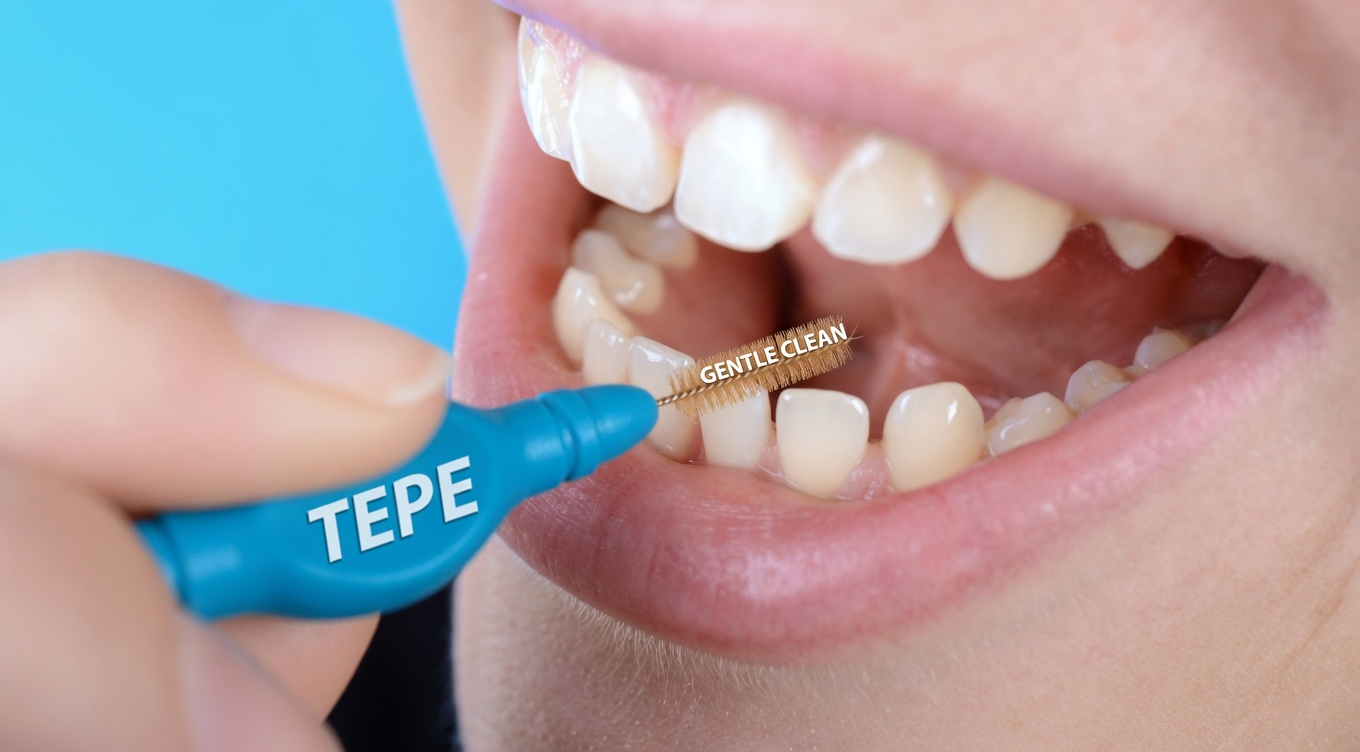
- Be gentle: gums don’t benefit from harsh scrubbing.
- Stay consistent—steady daily habits beat occasional intensity.
- If discomfort continues, speak with your dentist.
Frequently Asked Questions
Can tulsi replace toothbrushes or toothpaste?
No. Tulsi is a supportive add-on, not a substitute. Fluoride toothpaste and proper brushing remain essential.
Is tulsi safe to use daily?
Many people use tulsi tea or rinses regularly. If you notice irritation, burning, or unusual symptoms, stop using it and consult a dental professional.
Can tulsi help with bad breath?
Tulsi’s aroma and certain plant compounds may support a fresher feeling for some people, but results vary. Consistent brushing, tongue cleaning, hydration, and dental care are still the most reliable approach.
Final Thought
Life after 50 can bring more confidence and joy—and also a few quiet worries, like breath freshness or tender gums. The encouraging news is that small, steady steps matter. With consistent oral hygiene, regular dental guidance, and gentle traditions like tulsi, your routine can feel more supportive and enjoyable.
Educational note: This article is for information only. Tulsi is not a medical treatment for oral disease. Always follow your dentist’s advice for diagnosis and care.