
Hydration After 60: Why “Enough Water” Can Still Feel Like Not Enough
Many adults over 60 believe they drink plenty of water daily—yet they still deal with familiar issues like frequent urination, afternoon sluggishness, dry mouth, or feeling dizzy when standing up too fast. Research continues to flag dehydration as a meaningful risk in older adults, influencing hospital outcomes and day-to-day quality of life even when total fluid intake appears adequate.
One reason is that aging can change how the body senses thirst and manages fluid at the cellular level. The good news is that a small shift in your hydration routine—adding tiny amounts of key minerals—may help your body hold onto and use water more effectively than plain water alone.

The Overlooked Hydration Problem After Age 60
With age, the body’s fluid regulation becomes less predictable:
- A weaker thirst signal: The brain may not trigger thirst as reliably, so you may not feel “behind” until symptoms show up.
- Changes in kidney function: The kidneys may become less efficient at concentrating urine and conserving water.
- Real-life factors that amplify the issue: Certain medications, limited mobility, and routine changes can make consistent hydration harder.
Geriatric medicine reviews often connect dehydration in seniors with problems such as falls, longer hospital stays, and persistent discomfort. Some community-based studies also suggest that a sizable number of older adults live with suboptimal hydration without realizing it.
Everyday signs can include:
- Needing to urinate soon after drinking
- Ongoing fatigue
- Cooler hands and feet
- Occasional light-headedness when standing
These symptoms aren’t automatically “just aging.” They can be signals to reassess how hydration is being supported—not only the amount of water, but also how the body is using it.
Why Plain Water May Fall Short (and How Minerals Help)
Water is essential, but electrolytes (minerals that carry electrical charge) help direct where water goes in the body—especially into cells. After 60, supporting electrolyte balance can make hydration feel more effective, rather than water simply “passing through.”
Key minerals involved in cellular hydration and fluid balance include:
- Magnesium
- Sodium (ideally from unrefined salt, used sparingly)
- Potassium
- Zinc
These minerals play important roles in nerve signaling, muscle function, enzyme activity, and fluid regulation. The goal isn’t to overhaul your diet or overload supplements—just a gentle, consistent “remineralization” approach that works with how the body naturally manages fluids.
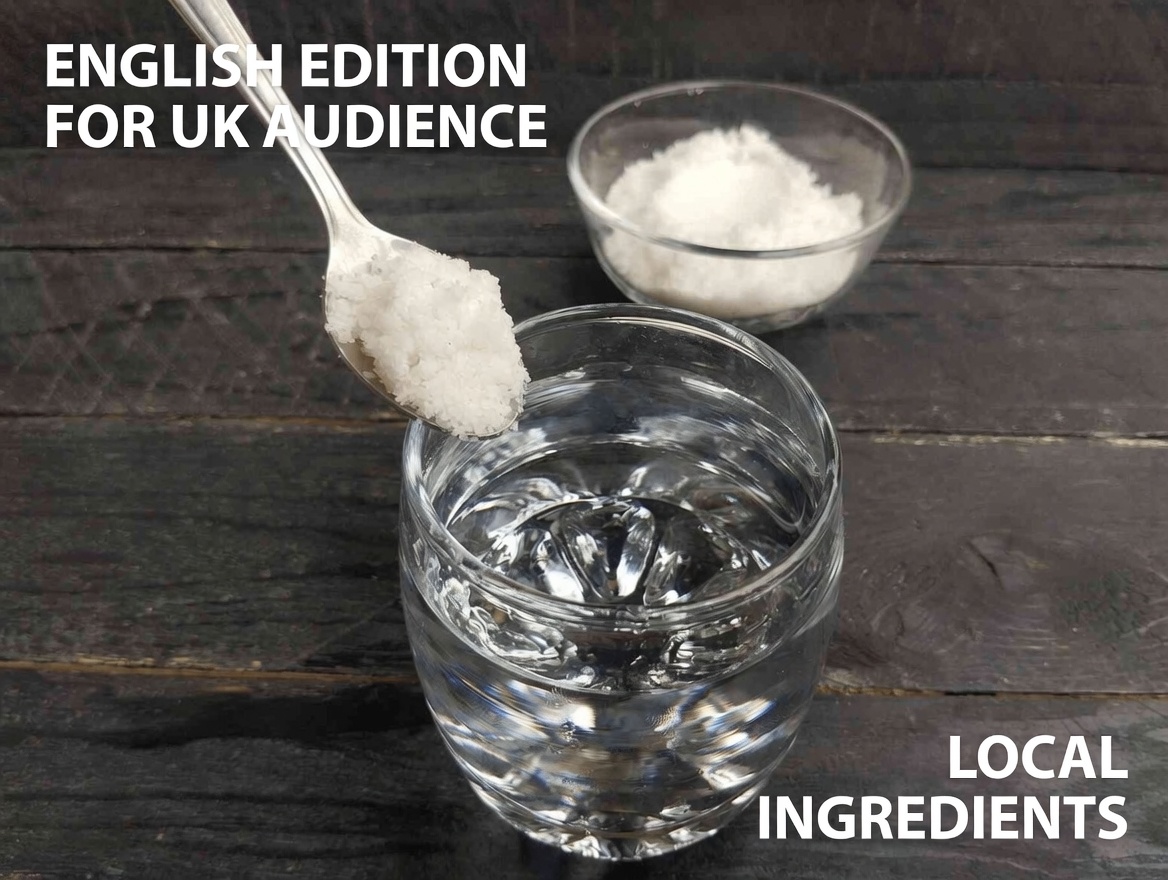
4 Minerals That Support Better Hydration (and What They Do)
-
Magnesium
- Often described as a “calming” mineral for its role in muscle relaxation, blood vessel tone, and cellular energy production.
- Many older adults run low due to dietary patterns, absorption changes, or medication use.
-
Natural sodium (from unrefined salt such as Celtic or Himalayan)
- Helps maintain fluid balance and blood volume.
- A very small pinch can be enough when used thoughtfully.
-
Potassium
- Works alongside sodium to balance fluid inside and outside cells.
- Supports heart rhythm, muscle performance, and may reduce mild puffiness in some people.
-
Zinc
- Supports hundreds of enzyme processes, influencing immune function, mood, and tissue repair—areas that often become more sensitive with age.
These minerals aren’t a “cure,” but they can strengthen the daily habits that make hydration feel steadier and more comfortable.
Real-World Examples: Small Changes, Noticeable Shifts
Under appropriate guidance, some older adults report benefits from simple, consistent adjustments:
- A 69-year-old used magnesium plus a tiny pinch of salt in the morning and noticed fewer urgent bathroom trips and more stable afternoons.
- A 71-year-old gardener added magnesium to warm water and felt less muscle tightness during activity.
- A 66-year-old teacher used a small amount of unrefined salt and reported less ankle puffiness and improved steadiness when standing.
- A 74-year-old golfer added potassium support in the evening and experienced fewer nighttime disruptions and better sleep.
- A 65-year-old yoga practitioner included zinc midday and described more consistent energy and improved mood over time.
These stories highlight a pattern: small, repeatable steps often work better than extreme interventions.
9 Possible Benefits of Better Electrolyte-Supported Hydration
When hydration includes light mineral support, people commonly report:
- Fewer nighttime bathroom trips and deeper sleep
- Warmer hands and feet (often linked to improved circulation comfort)
- More stability when standing or changing positions
- Less muscle tightness or cramping
- Clearer focus during tasks and conversations
- Reduced evening ankle/foot swelling
- More even energy (fewer crashes)
- Faster recovery after light movement or exercise
- A greater overall sense of lightness and well-being
Results vary, but this list reflects how balanced fluids and minerals can feel in daily life.
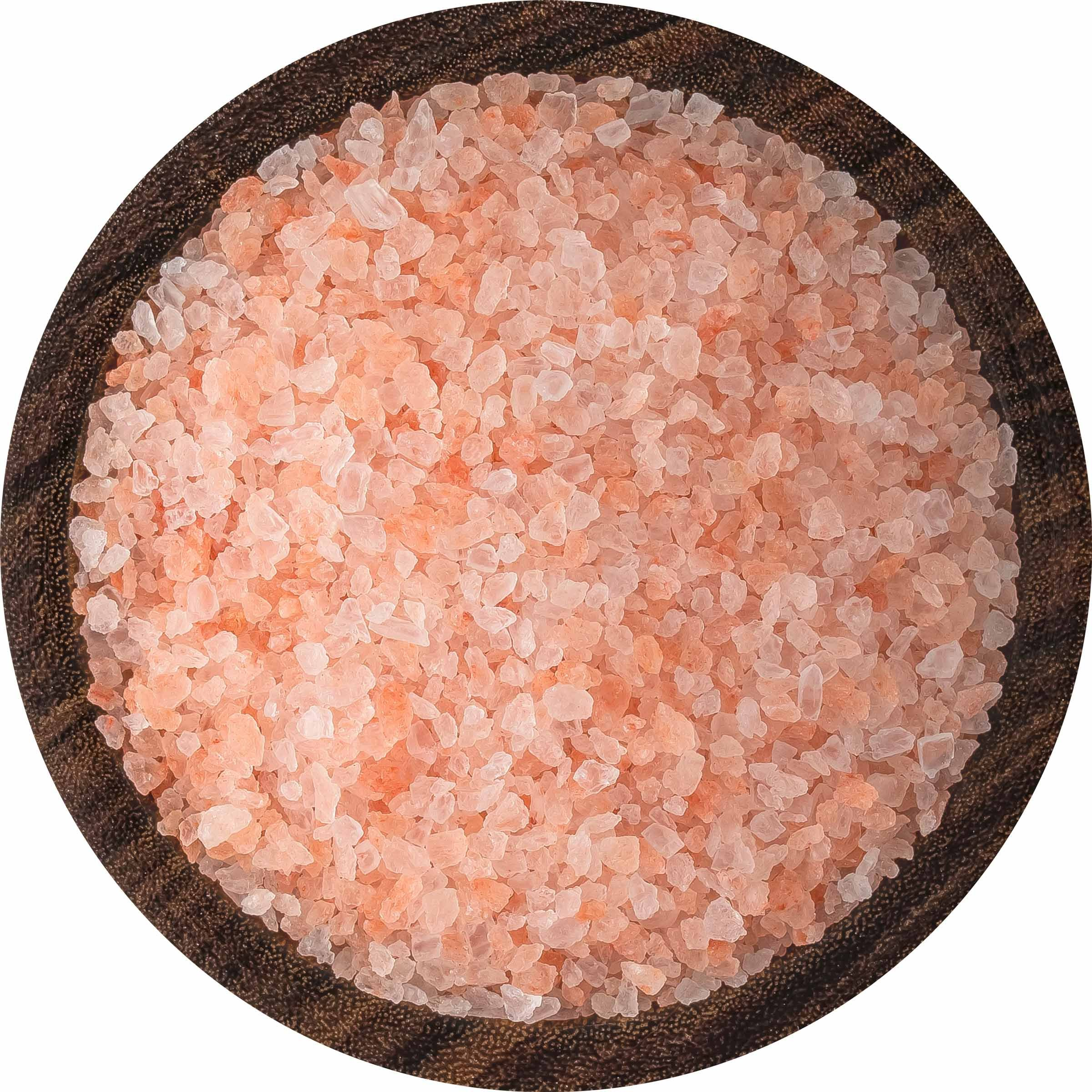
Plain Water vs. Lightly Mineralized Water (Quick Comparison)
-
Bathroom frequency
- Plain water: often frequent, even after small amounts
- Lightly mineralized water: often more spaced out
-
Afternoon energy
- Plain water: dips are common
- Lightly mineralized water: tends to feel steadier
-
Hands and feet temperature
- Plain water: cooler extremities are common
- Lightly mineralized water: many report feeling warmer
-
Standing up quickly
- Plain water: light-headedness may happen
- Lightly mineralized water: often improved stability
A Simple 30-Day Starter Protocol (Gentle and Practical)
Start low, keep it simple, and pay attention to how you feel.
Week 1
- Morning: Warm water + magnesium glycinate (or similar gentle form) + a tiny pinch of unrefined salt (taste should be barely noticeable)
- Midday: Water + a few drops of liquid zinc (if using zinc)
- Evening: Water + a potassium source (for example, a low-sugar electrolyte mix)
Week 2
- Add a lemon slice in the morning for taste (optional)
- Keep the same schedule
Week 3
- Watch for patterns in:
- energy
- bathroom frequency
- dizziness on standing
- muscle tightness
- Stay consistent
Week 4
- Review what changed (if anything)
- Consider a doctor check-in if you want labs or personalized guidance
Helpful tips
- Keep mineral amounts small enough that flavor is subtle.
- Sip slowly instead of chugging.
- Track sleep, energy, urination frequency, and dizziness for clearer feedback.
Quick Reference Guide (Easy to Remember)
- Cellular support: magnesium (often morning)
- Fluid volume support: a tiny pinch of unrefined salt (often morning)
- Fluid balance: potassium (often evening)
- Enzyme support: zinc (often midday)
Why Start This Today?
Putting it off may mean continuing the same daily annoyances—bathroom interruptions, energy dips, and that “off” feeling even when you drink water regularly. This is a low-effort change that may deliver meaningful comfort and stability for many older adults.
3 Simple Next Steps
- Save this protocol so you can try it tomorrow morning.
- Begin with one remineralized glass of water and observe how you respond.
- Share this with a friend or family member who often mentions fatigue, dizziness, or poor hydration.
P.S. Try sipping slowly while taking a few deep breaths—some people find it improves the experience by supporting relaxation and vagal tone.
Medical Disclaimer (Please Read)
This article is for educational purposes only and does not replace medical advice. Speak with your healthcare provider before changing your hydration routine or adding minerals such as sodium, potassium, magnesium, or zinc, especially if you have kidney disease, heart conditions, high blood pressure, or if you take medications like diuretics or blood pressure drugs. Start slowly, monitor symptoms, and adjust only with appropriate professional guidance.