Diabetes Often Develops Quietly: Why Subtle Symptoms Matter
Recent CDC figures covering August 2021–August 2023 estimate that 15.8% of U.S. adults live with diabetes, and about 4.5%—roughly 11 million people—are undiagnosed. That means millions may be dealing with rising blood sugar without realizing it, because early symptoms can feel harmless or easy to blame on stress, aging, or a busy lifestyle.
Many adults—especially after 40 or 50—dismiss ongoing fatigue, minor skin irritation, or broken sleep as “normal.” Yet these small shifts can reflect blood sugar fluctuations that gradually dehydrate tissues, irritate nerves, and strain the body. The challenge is that when these signals are ignored, the underlying problem may continue progressing in the background.
The upside: noticing quieter clues early can lead to timely conversations with a healthcare professional. Below are 11 lesser-known signs explained through common medical understanding, plus practical steps you can start right away. Stay to the end for the key link that connects many of them.
Why These “Small” Signs Deserve Your Attention
When glucose stays elevated, it can pull fluid from tissues, stress the kidneys, affect small blood vessels, and contribute to nerve irritation—a ripple effect that shows up in unexpected places. Resources such as the Mayo Clinic and the American Diabetes Association emphasize that early recognition supports better day-to-day management through lifestyle changes and professional guidance.
One more important point: these symptoms often overlap. What looks like separate issues—itchy skin, night waking, fatigue—may actually be pieces of the same pattern. Spotting that pattern earlier can make a noticeable difference in how you feel.
1) Persistent Itchy Skin
Dry, itchy skin that doesn’t improve even with regular moisturizing can become exhausting—especially if it affects concentration or sleep. High blood sugar can increase urination, which may lead to dehydration and leave the skin more prone to irritation. In addition, the skin can become a friendlier environment for minor infections.
Many people notice this first on the legs or lower body. If itching lingers despite consistent skincare, it’s worth paying attention—especially if other symptoms are present.
2) Frequent Nighttime Urination (Nocturia)
If you wake up repeatedly to use the bathroom, sleep quality drops fast. With high blood sugar, the kidneys work harder to eliminate extra glucose, pulling more water along with it and increasing urine volume—often most noticeable at night.
This is not always just “drinking too much water late.” Logging how often you wake up can help reveal a consistent trend.
3) Blurred or Fluctuating Vision
If your phone screen suddenly looks fuzzy and then later seems fine again, it can feel random. Elevated glucose may cause temporary swelling in the eye’s lens, changing how light is focused. Vision may improve when levels stabilize, but repeated shifts are a reason to take the pattern seriously.
Eye professionals commonly stress that steady blood sugar management supports long-term eye health.
4) Restless Legs or Uncomfortable Sensations at Night
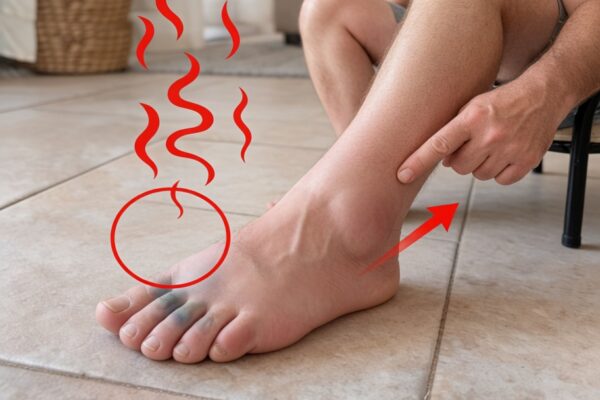
That crawling, tingling, or “can’t-get-comfortable” feeling in the legs can wreck nighttime rest. Over time, high blood sugar may contribute to nerve irritation (neuropathy), which can show up as odd sensations—especially when you’re trying to relax.
Some people get short-term relief from gentle movement, such as light stretching or a brief walk before bed.
5) Night Sweats or Sudden Sweating
Waking up damp, clammy, or sweaty can be unsettling. While many factors can contribute, nighttime blood sugar dips (hypoglycemia) can trigger sweating in some people—particularly those already managing diabetes.
Depending on medical guidance, checking levels or having a small snack may help in certain situations.

6) Trouble Staying Asleep or Poor Sleep Quality
Broken sleep isn’t always caused by a single issue. Bathroom trips, discomfort, and blood sugar swings can all interrupt deeper sleep stages, leading to daytime exhaustion. In some cases, related factors (including weight) may increase the risk of breathing disruptions during sleep.
Improving sleep often starts by identifying the recurring trigger—then addressing it consistently.
7) Leg Cramps That Strike at Night
Sudden cramps in the calves or feet can jolt you awake. They may be linked to dehydration, electrolyte shifts, circulation changes, or nerve effects associated with prolonged high blood sugar.
A consistent stretching routine and better hydration earlier in the day can reduce how often cramps appear for some people.
8) Increased Thirst That Hits at Night
Waking up intensely thirsty—even after drinking during the day—can happen when the body is losing fluid through increased urination. This creates a frustrating loop: more urination leads to more thirst, which can worsen sleep disruption.
Tracking when thirst spikes (not just how much you drink) can help you connect it to other symptoms like nocturia.
9) Dry Mouth and Oral Discomfort
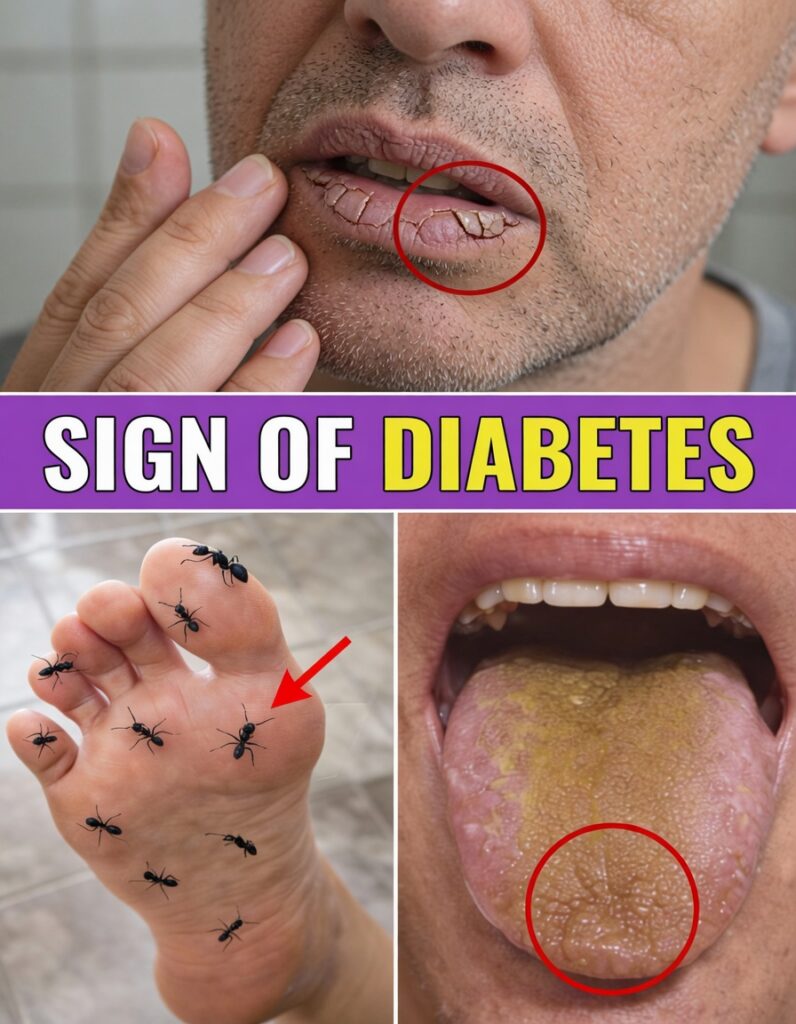
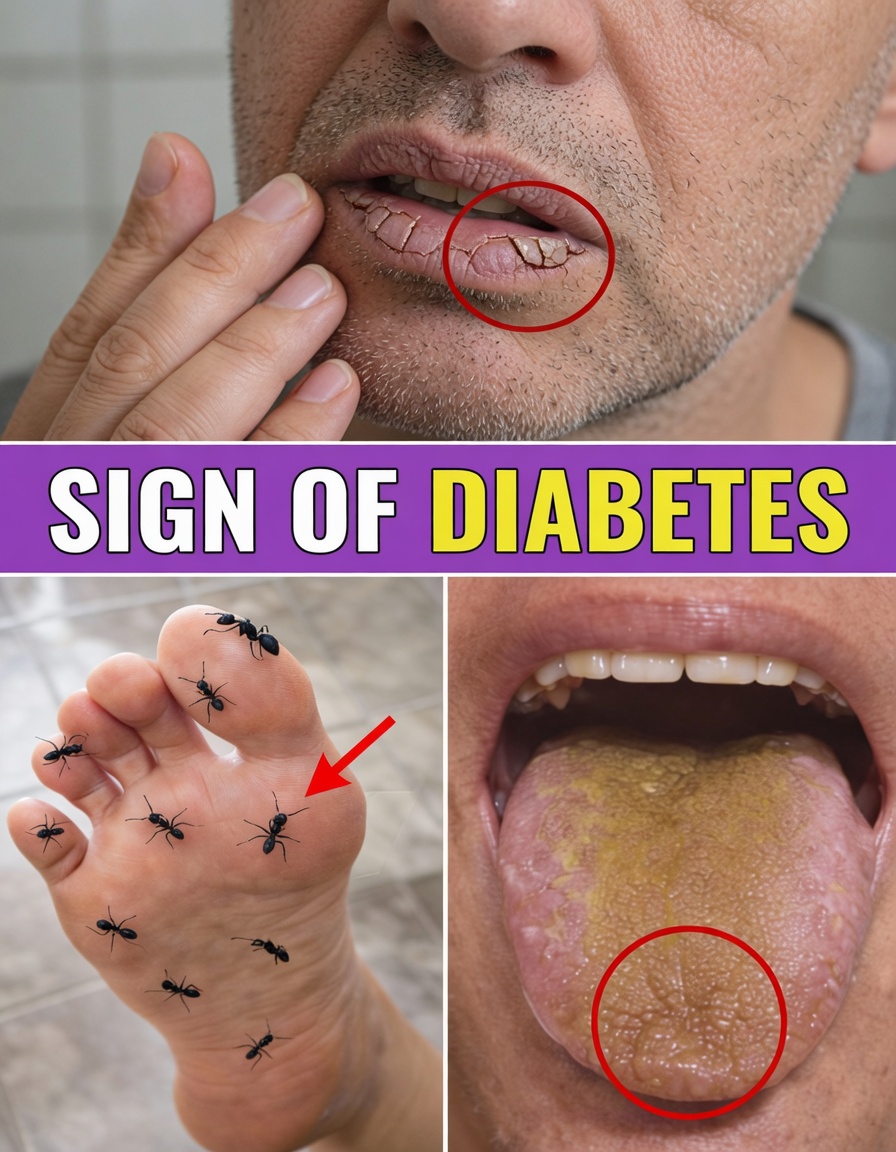
Ongoing dry mouth can make eating, speaking, and sleeping uncomfortable. When blood sugar contributes to dehydration, the mouth may become drier, which can also increase the chance of oral and dental problems because bacteria thrive more easily in that environment.
Staying hydrated and maintaining consistent oral care can improve comfort and support dental health.
10) Tingling, Burning, or Numbness in Hands or Feet
Pins-and-needles sensations often begin subtly and gradually intensify. Persistently high glucose can damage nerves over time, leading to numbness, tingling, or burning in the extremities.
Catching this early matters: addressing overall health habits and glucose management may help slow progression.
11) Unexplained Fatigue That Doesn’t Go Away
Ongoing tiredness is one of the most common—but most overlooked—signals. When the body can’t use glucose efficiently for energy, fatigue can persist even after a full night of sleep.
Many people notice improvements with small, consistent adjustments to meals, movement, hydration, and sleep routines.

Quick Comparison of Common Subtle Signs
- Itchy skin: dehydration and irritation; can disrupt comfort and sleep; try hydration + gentle moisturizing
- Nocturia: kidneys clearing excess glucose; leads to broken sleep; track frequency and timing
- Blurred vision: temporary lens changes; affects reading and focus; note patterns and schedule an eye check
- Restless legs: possible nerve irritation; reduces sleep quality; try light stretching or walking
- Night sweats: sometimes linked to blood sugar dips; sudden wake-ups; discuss monitoring with a clinician
- Leg cramps: dehydration/electrolytes/nerve effects; painful interruptions; stretch routinely and hydrate earlier
Practical Steps You Can Start Today
-
Weeks 1–2: Track symptoms daily
- Use a notes app or journal.
- Rate issues (itching, fatigue, bathroom trips, sleep quality) on a 1–10 scale and note timing.
-
Weeks 3–4: Make small, realistic changes
- Drink more water earlier in the day.
- Add a light evening walk or gentle stretching.
- Build more balanced meals (protein + fiber + healthy fats).
-
After 1 month: Review patterns with a healthcare provider
- Bring your notes to discuss whether screening or labs are appropriate.
Many organizations recommend routine diabetes screening for adults over 45, and earlier if risk factors are present.
The Overlooked Connection Tying These Signs Together
Most of these symptoms share one root: elevated or unstable blood sugar affecting fluids, nerves, and energy production. When that underlying issue is addressed through consistent habits and professional support, improvements often appear in multiple areas—sleep, skin comfort, and daily energy—rather than just one symptom at a time.
It’s rarely about dramatic overnight change. It’s about noticing early signals and responding sooner.
Final Thoughts
Recognizing lesser-known signs of diabetes can help you act before symptoms become more disruptive. Start by identifying what feels “off” in your routine, track it briefly, and bring those patterns to your next medical visit.
Frequently Asked Questions
What should I do if I notice several of these signs?
Track them for 1–2 weeks, then discuss your notes with a healthcare provider. They can recommend appropriate screening tests and next steps.
Are these signs only linked to type 2 diabetes?
Many of these symptoms can appear in both type 1 and type 2 diabetes, but type 2 often develops more gradually, which can make early signs easier to miss.
Can lifestyle changes help?
Small, consistent habits—such as balanced meals, regular movement, hydration, and better sleep routines—can support healthier blood sugar patterns. Work with a clinician for personalized guidance, especially if symptoms are persistent or worsening.