Millions of adults live with knee pain and stiffness linked to osteoarthritis—often feeling it first thing in the morning, after exercise, or during everyday activities like climbing stairs, standing from a chair, or playing with family. Over time, this discomfort can limit independence and make simple routines feel harder than they should.
The encouraging news: building meals around nutrient-dense whole foods may help support joint function, cartilage maintenance, and overall comfort. Many of these foods work by supplying anti-inflammatory fats, antioxidants, and building blocks used in connective tissue—without making unrealistic promises of “regrowing” cartilage or curing osteoarthritis.
What This Guide Covers (and Why It Matters)
Below you’ll find research-supported foods that deliver key nutrients often associated with joint health, including:
- Omega-3 fatty acids (inflammation support)
- Antioxidants (oxidative stress defense)
- Collagen precursors and connective-tissue nutrients
- Compounds that support joint lubrication and tissue resilience
- One standout micronutrient commonly linked to knee comfort: vitamin D
By choosing these options consistently, you can take practical steps toward healthier knees and better daily mobility.
The Real Challenge: How Knee Cartilage Changes Over Time
Cartilage is designed to cushion your knee joint, but with age—especially after 40–50—several factors can work against it:
- Natural wear and tear
- Reduced nutrient delivery to joint tissues
- Ongoing, low-grade inflammation
Studies suggest that roughly 1 in 4 adults over 45 experiences symptoms associated with knee osteoarthritis, and the likelihood tends to increase with age. Common complaints include:
- Morning stiffness
- Swelling or tenderness
- Aching that worsens after activity
- Symptoms that can fluctuate with weather or temperature shifts
These changes don’t only affect the body. Reduced mobility can contribute to inactivity, weight changes, and even mood challenges. While braces and topical products may offer temporary help, long-term support often starts with daily nutrition—especially choices that may help reduce inflammatory signals and support cartilage and joint fluid dynamics.
The Gut–Joint Connection: Start with Probiotic Foods
Your gut microbiome influences whole-body inflammation, and systemic inflammation can affect joint comfort. Research suggests probiotics may help modulate inflammation pathways relevant to osteoarthritis symptoms.
Simple options include:
- Plain yogurt with live cultures
- Kefir (a fermented milk drink with diverse beneficial microbes)
A practical habit to try:
- Drink 1 cup of plain kefir daily
- Track morning stiffness on a 1–10 scale for a few weeks to see whether you notice a personal shift
Brown Rice: Whole-Grain Support for Joint Moisture
Compared with refined grains, brown rice retains more fiber and micronutrients. Whole grains are often associated with better inflammatory balance, and brown rice may provide supportive compounds involved in tissue hydration and overall joint function.
Try this swap:
- Replace white rice with ½–1 cup cooked brown rice
- Aim for 4–5 times per week
- Cook in vegetable broth and add a small drizzle of olive oil for flavor and to support absorption of fat-soluble nutrients in the meal
Quick comparison:
- White rice: refined, lower in fiber and micronutrients
- Brown rice: whole grain, richer in naturally occurring supportive nutrients
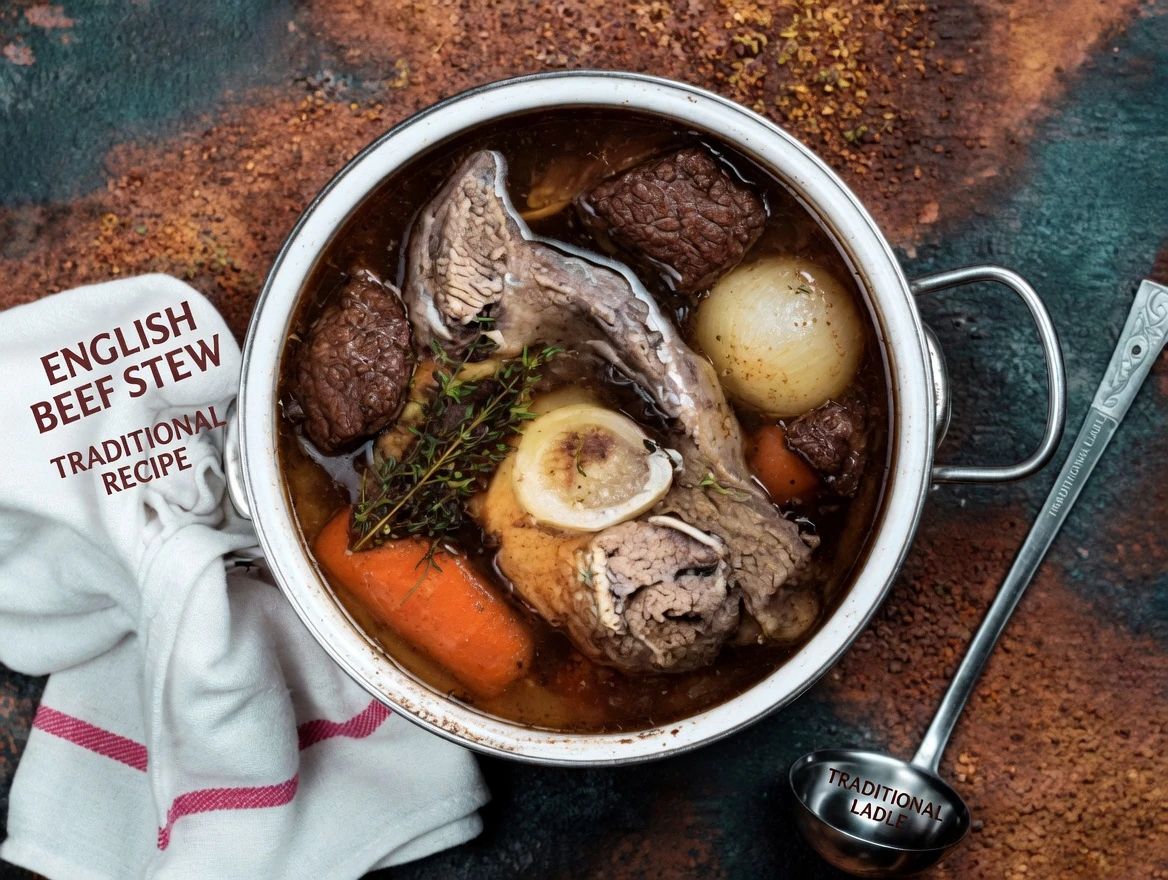
Bone Broth: Collagen and Cartilage-Associated Compounds
Slow-simmered bone broth contains nutrients commonly discussed in joint wellness research, including:
- Collagen and amino acids used in connective tissue
- Naturally occurring compounds associated with cartilage support (often referenced alongside glucosamine and chondroitin)
How to use it:
- Simmer bones (often grass-fed or quality-sourced) for 12–24 hours
- Sip 1 cup daily, or use it as a base for soups and grains
Self-check idea:
- Note how often your knees feel “creaky” or stiff during stairs—small nutrition upgrades can feel gradual, not instant.
Fatty Fish: Omega-3s for Inflammation Balance
Fatty fish is one of the most studied foods for inflammation support due to EPA and DHA omega-3 fatty acids. Research has repeatedly linked omega-3 intake with lower inflammatory markers and improved comfort in some people with joint concerns.
Top choices:
- Wild-caught salmon
- Sardines
- Mackerel
- Herring
Practical target:
- 3–4 oz per serving
- 2–3 times per week
- Bake or grill with herbs, lemon, and extra-virgin olive oil
Blueberries: Antioxidant Protection for Joint Tissues
Oxidative stress can contribute to tissue wear over time. Blueberries are rich in anthocyanins—antioxidants studied for their protective effects in lab and animal research related to joint structures.
Easy daily serving:
- Add ½ cup fresh or frozen blueberries to oatmeal, smoothies, yogurt, or snacks
Sulfur-Rich Foods: Support for Collagen Formation
Sulfur-containing foods provide nutrients used in structural and connective tissue processes, including pathways involved in collagen formation.
Include regularly:
- Eggs (about 1–2 daily, if appropriate for you)
- Garlic in cooking
- Asparagus (3–4 times per week)
Pineapple: Bromelain and Comfort Support
Fresh pineapple contains bromelain, an enzyme studied for anti-inflammatory effects. Some research suggests it may help reduce swelling and support comfort in joint conditions.
Best approach:
- Eat 1 cup of fresh pineapple (not syrup-packed canned versions)
- Watch added sugar intake if choosing packaged options
Nuts and Seeds: Minerals + Healthy Fats for Joint and Bone Wellness
Nuts and seeds provide minerals often associated with musculoskeletal support, including magnesium, zinc, and boron, plus healthy fats (and some plant omega-3s).
Great options:
- Almonds
- Walnuts
- Flaxseeds
- Pumpkin seeds
Simple habit:
- Eat a small handful daily, or sprinkle seeds onto salads and oatmeal
Beans and Legumes: Plant Protein for Tissue Repair
Legumes provide plant protein, fiber, and micronutrients that support overall tissue maintenance—useful when you’re aiming to protect strength and mobility.
Choose from:
- Lentils
- Chickpeas
- Black beans
Tip for digestion:
- Soak overnight and cook thoroughly, especially if you’re sensitive to legumes
Avocado: Vitamin E + Monounsaturated Fats
Avocado delivers monounsaturated fats and vitamin E, an antioxidant that helps protect cells from oxidative damage.
Easy add-on:
- Use ½ avocado daily in salads, sandwiches, bowls, or on toast
Cruciferous Vegetables: Broccoli, Kale, Cabbage
Cruciferous vegetables provide:
- Vitamin C, needed for collagen synthesis
- Sulfur-related compounds supportive of connective tissue pathways
- Sulforaphane, studied for potential cartilage-protective effects in research settings
Aim for:
- Several servings per week
- Light steaming (often easier to digest than raw for many people)

A Simple 8-Week Food Plan (Easy, Consistent, Realistic)
Use this gradual approach to build momentum without overhauling everything at once:
-
Weeks 1–2: Start with kefir + brown rice
- 1 cup kefir daily
- ½ cup cooked brown rice daily (or most days)
- Goal: notice changes in morning stiffness or daily comfort
-
Weeks 3–4: Add bone broth + fatty fish
- 1 cup bone broth daily
- Fatty fish 2–3 servings per week
- Goal: support inflammation balance and mobility
-
Weeks 5–8: Rotate in daily “support foods”
- Blueberries, pineapple, nuts/seeds, cruciferous vegetables, legumes, avocado
- Goal: build a steady anti-inflammatory pattern you can maintain
Foods to Limit (or Test Carefully)
Some foods are more likely to promote inflammation or make symptoms feel worse for certain individuals:
- Processed meats
- Sugary snacks and drinks
- Refined carbohydrates
- Excess saturated fat
Also, some people report sensitivity to nightshades (like tomatoes and peppers). This is individual—consider a personal trial rather than assuming they’re universally harmful.
The Key Vitamin Often Overlooked: Vitamin D
Among micronutrients, vitamin D stands out for joint-related discussions because it’s essential for:
- Bone health
- Calcium regulation and utilization
- Musculoskeletal function
Low vitamin D levels have been associated in studies with increased joint discomfort and poorer function in some populations. Consider sources such as:
- Sensible sunlight exposure
- Fatty fish
- Fortified foods
- A blood test and supplement plan guided by your clinician, if needed
Small, consistent changes can add up—imagine moving with more confidence in the next month, especially on stairs or during longer walks. Start with one step: kefir today, salmon this week, or a daily serving of berries.
Medical Note
This article is for informational purposes only and does not replace professional medical advice. Always consult your healthcare provider before making dietary changes, especially if you have existing conditions or take medications.
FAQ
What foods best support knee joint health naturally?
Prioritize an anti-inflammatory pattern that includes fatty fish (omega-3s), berries (antioxidants), bone broth (connective tissue nutrients), and whole grains like brown rice, similar to principles found in Mediterranean-style eating.
How is vitamin D connected to knee comfort?
Vitamin D supports bone and musculoskeletal function. Low levels are associated in research with greater joint issues in some groups, so maintaining adequate levels through sunlight, diet, or clinician guidance may help overall joint wellness.
Can diet alone manage osteoarthritis symptoms?
Nutrition can support joint comfort, inflammation balance, and mobility—especially when combined with movement, weight management, sleep, and appropriate medical care. It’s an important piece, but not the only tool.
P.S. Many people like pairing bone broth with kefir as a daily routine—one for connective tissue nutrients and one for probiotic support.