
Aging and Mental Sharpness: How Everyday Foods Can Support Brain Health
As the years go by, it’s common to notice small shifts in cognitive performance—forgetting a name that used to come easily, hitting an afternoon energy dip, or feeling slightly less “quick” in conversations. These changes can be discouraging, especially if you’re working, staying socially active, or simply trying to feel like yourself day to day.
Science suggests that some age-related brain changes are natural. However, your daily habits—particularly your nutrition—can meaningfully influence brain function, memory support, and overall cognitive well-being. The encouraging part is that brain-supporting choices don’t have to be complicated or unpleasant. Many nutrient-dense foods contain compounds linked to healthier blood flow, lower oxidative stress, and better focus.
In this guide, you’ll learn about five research-backed foods often discussed in brain health conversations, including perspectives shared by experts such as Dr. Daniel Amen, known for analyzing large numbers of brain scans. Stay to the end for a frequently overlooked timing tip that can amplify results.

Why Brain Health Becomes a Bigger Priority After 50
Life after 50 can be full—career responsibilities, family commitments, and long-term planning often intensify. Yet mental stamina doesn’t always keep pace. That’s partly because the brain is metabolically demanding, using a significant share of the body’s daily energy. When inflammation rises, circulation declines, or key nutrients are lacking, cognitive performance may feel less steady.
While gradual changes in brain volume and processing speed are a normal part of aging, consistent healthy routines can help you maintain strong cognitive function. Many people turn to brain games, puzzles, and apps—and those can help. But nutrition provides the foundation your brain relies on every day.
Research frequently highlights nutrients like:
- Omega-3 fatty acids for brain cell structure
- Flavonoids for circulation and cellular protection
- Magnesium and zinc for nerve signaling and memory pathways
- Antioxidants to defend against oxidative stress and support healthy aging
Now, let’s get specific.
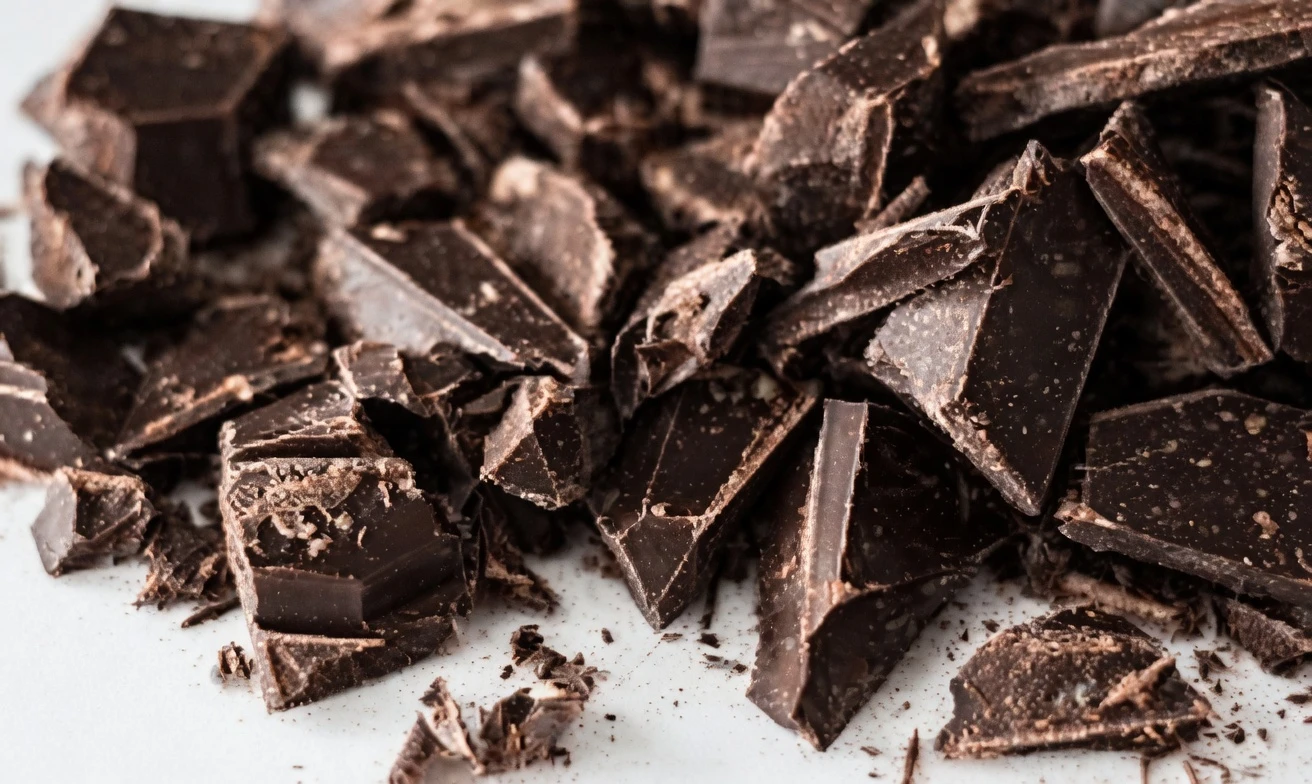
Food #1: Dark Chocolate (85%+ Cacao) for Healthier Brain Circulation
High-cacao dark chocolate is more than a dessert—it’s a concentrated source of flavanols, including epicatechin, which are widely studied for their potential to support blood vessel function and cerebral circulation.
Multiple studies connect flavanol-rich cocoa with improved blood flow to the brain, which can matter for mental clarity, attention, and overall cognitive performance—especially as circulation naturally becomes a bigger concern with age.
How to use it:
- Aim for 20–30 grams (roughly 1–2 small squares)
- Many people prefer it in the evening, as a calming routine that still delivers beneficial compounds
Anecdotally, some people report feeling both more alert and more relaxed when they regularly include high-cacao chocolate—consistent with research on flavonoids and vascular support.
Food #2: Pumpkin Seeds for Magnesium, Zinc, and Mood Support
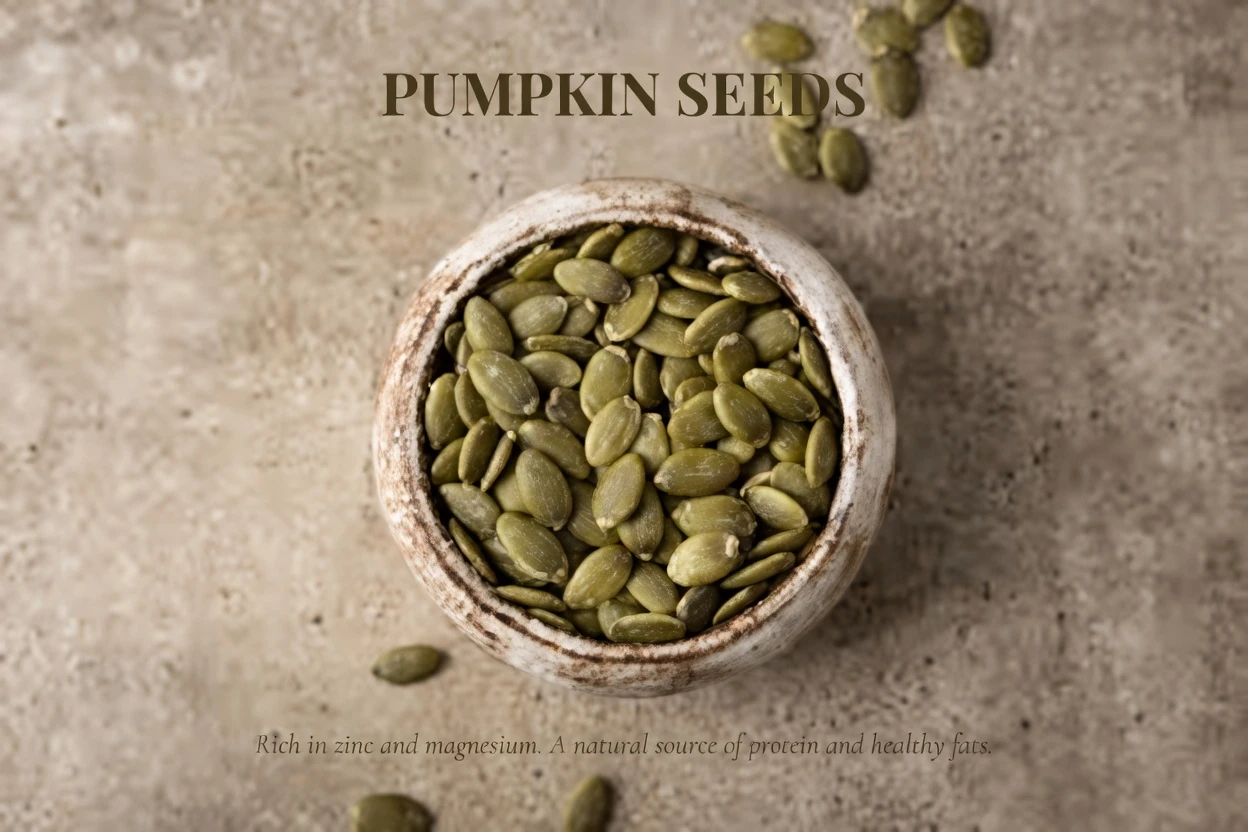
Pumpkin seeds are a compact, affordable source of brain-relevant minerals—especially magnesium and zinc.
- Magnesium supports healthy nerve function and may promote relaxation and steadier stress response.
- Zinc is involved in memory processes and communication between brain cells (neural signaling).
Pumpkin seeds also contain tryptophan, an amino acid used in the production of serotonin, which plays an important role in mood balance and emotional stability.
Easy daily habit:
- Eat about ¼ cup as a snack
- Sprinkle on salads, oatmeal, or yogurt for a simple nutrition upgrade
For people who notice occasional dips in focus or motivation, improving magnesium and zinc intake through whole foods can be a practical step.
Food #3: Wild-Caught Fatty Fish (Salmon, Sardines, Mackerel) for Omega-3 Brain Structure
Fatty fish is one of the most reliable dietary sources of DHA and EPA, two omega-3 fats strongly associated with brain structure and function. DHA, in particular, is a key building block in brain cell membranes—important for communication between neurons.
Omega-3 intake is also linked to lower everyday inflammation, which may affect memory, mood, and mental sharpness over time.
Recommended frequency:
- Aim for 2–3 servings per week
If you don’t eat fish, alternatives include omega-3 sources like walnuts, flaxseed, chia, or algae-based omega-3 supplements (discuss options with a qualified clinician if needed).
Food #4: Organic Blueberries for Antioxidant Support and Memory Performance
Blueberries—especially wild varieties—are rich in anthocyanins, powerful antioxidants shown to reach brain tissue. Oxidative stress is a normal part of aging, and antioxidant-rich foods are studied for their potential role in protecting cells and supporting cognitive longevity.
Clinical research, including studies involving older adults, has found that consistent blueberry intake is associated with improvements in memory-related tasks and overall cognitive scores over time.
Simple serving idea:
- Eat ½ to 1 cup daily
- Use fresh or frozen blueberries in smoothies, oatmeal, or as a snack
The key benefit is regular exposure to antioxidant compounds that help the brain handle age-related wear and tear.
Food #5: Green Tea or Matcha for Calm, Focused Alertness
If you want mental clarity without feeling overstimulated, green tea is a standout option. It contains L-theanine, an amino acid that supports “relaxed alertness” by influencing neurotransmitters such as GABA.
Because green tea also includes a modest amount of caffeine, the pairing can promote steady focus with fewer jitters compared to stronger caffeine sources. On top of that, green tea provides catechins, antioxidant compounds studied for brain and cardiovascular support.
How to use it:
- Drink 1–2 cups per day
- Many people prefer morning or early afternoon to protect sleep quality
Practical Ways to Get Better Results from These Brain-Healthy Foods
- Use timing strategically: Certain nutrients (including flavonoids and tryptophan-containing foods) can fit well in the evening, aligning with overnight brain maintenance processes such as waste clearance.
- Combine foods for synergy: Pair healthy fats (like fish, nuts, or seeds) with nutrients that absorb better alongside fat.
- Be consistent: Small daily habits matter more than occasional “perfect” days.
- Reduce common detractors: Cutting back on ultra-processed foods and added sugar may help lower inflammation that can interfere with cognitive well-being.
A Simple 60-Day Starter Plan (Low Effort, Easy to Track)
-
Weeks 1–2:
- Add dark chocolate (evening)
- Eat pumpkin seeds daily
-
Weeks 3–4:
- Add blueberries most days
- Eat fatty fish 2–3 times per week
-
Weeks 5–8:
- Add green tea or matcha daily
- Track focus and mood using a simple 1–10 rating to notice patterns
Look for small wins—more stable energy, better recall, improved mood resilience—then build from there.
Common Questions About Brain-Supporting Foods
-
How quickly can I feel a difference?
Many people notice subtle changes in mood or focus within a few weeks, while research often shows clearer effects after 8–12 weeks of consistent intake. -
Can I support brain health without eating fish?
Yes. Consider plant-based omega-3 sources such as walnuts, flaxseed, chia, or algae-derived omega-3 options. -
Are these foods safe for everyone?
Generally, yes—when eaten in reasonable portions. However, consider factors like caffeine sensitivity (dark chocolate and tea) or medical conditions. If you take medications or manage chronic health issues, consult your healthcare professional.
Final Takeaway: A Delicious, Evidence-Informed Approach to Brain Health
Adding dark chocolate, pumpkin seeds, fatty fish, blueberries, and green tea to your routine is a practical, enjoyable way to support brain health after 50—alongside sleep, movement, and stress management. Start small tonight: one square of high-cacao chocolate and a handful of pumpkin seeds can be an easy first step toward better cognitive well-being over time.
Medical disclaimer: This article is for informational purposes only and does not replace professional medical advice. Speak with your healthcare provider before making significant dietary changes, especially if you have medical conditions or take medications.