Many adults in their 40s and beyond notice more frequent colds, gradually rising blood pressure, occasional tiredness, or subtle worries about heart health and daily energy—especially as work and family demands increase. It can be discouraging when you’re already eating reasonably well and staying active, yet progress feels slow or unpredictable. One surprisingly simple food—raw garlic—has attracted scientific interest because it contains natural compounds that may support multiple areas of wellness. The key detail: eating garlic raw helps preserve allicin, a beneficial sulfur compound that can be reduced by heat. Research suggests that when raw garlic is used consistently, it may lead to small but meaningful improvements over time.
Why Raw Garlic Matters More After 40
As we age, the body may take longer to rebound from everyday stressors such as minor infections or low-grade inflammation. At the same time, health metrics like blood pressure and cholesterol often trend upward for many people. Raw garlic contains alliin, which turns into allicin when garlic is crushed or chopped. Allicin is frequently linked in research to garlic’s supportive effects.
Because cooking can significantly reduce allicin, raw garlic typically delivers more of this active potential. Studies also point to garlic’s antioxidant and anti-inflammatory characteristics—two properties that matter in midlife when recovery and resilience can start to feel different than they did at 25.
What Science Suggests Two Raw Cloves a Day May Support
Below are research-backed areas where regular garlic intake (often via raw garlic or allicin-containing preparations) has shown potential benefits. Individual results vary, but the overall pattern is consistent: regular intake matters more than occasional use.
1) Immune Support for Colds and Minor Infections
If you’ve noticed that colds disrupt your routine more than they used to, garlic may offer useful immune support. In a well-known 12-week study of 146 participants, people using an allicin-containing garlic preparation experienced substantially fewer colds and shorter symptom duration compared with placebo. Allicin may help support immune activity, including functions associated with natural killer (NK) cells.
2) Support for Natural Detox Pathways (Heavy Metals and Environmental Stressors)
Everyday exposure to environmental substances can contribute to feeling “off,” even when you can’t pinpoint why. Garlic’s sulfur compounds have been studied for their ability to bind certain heavy metals (such as lead or cadmium) and may support normal liver and kidney clearance processes. Evidence includes animal research and some human observations.
Practical tip: crush or chop garlic and let it rest for about 10 minutes before eating. This waiting period helps allicin form more fully.
3) Healthier Blood Pressure Levels
Blood pressure concerns become increasingly common with age. Multiple meta-analyses suggest garlic preparations delivering allicin-related compounds can reduce systolic blood pressure by around 5 mmHg on average, with larger changes (often 8–9 mmHg) reported among people who already have hypertension. These shifts are modest, but they can be meaningful—especially when paired with other lifestyle habits.
4) Balanced Cholesterol and Lipid Profiles
If you’re monitoring cholesterol, evidence from randomized trials and reviews indicates garlic may modestly improve lipid markers—particularly in people who start with higher values. Some analyses report reductions in total cholesterol and LDL (“bad”) cholesterol, sometimes around 10% in elevated cases, with improvements building over weeks to months.
5) Lower Everyday Inflammation
Low-level chronic inflammation is often associated with fatigue, aches, and slower recovery. Garlic compounds such as allicin and ajoene have been studied for their ability to influence inflammatory pathways and may help lower markers like CRP (C-reactive protein) in some populations. This effect is generally described as gentle, not dramatic.
6) Liver Function Support
The liver plays a central role in handling daily toxin exposure from food, alcohol, and the environment. Garlic contains nutrients and compounds (including selenium and sulfur-based elements) that may support detox enzymes and cellular protection in research models, potentially helping the liver cope with routine stress.
7) Antioxidant Defense for Cellular Protection
Oxidative stress accumulates over time and is tied to aging and long-term health. Garlic contains antioxidant-related compounds (including alliin and plant polyphenols such as quercetin) that can help neutralize free radicals in laboratory and human observations—supporting cell and DNA integrity.
8) Potential Long-Term Cellular Health Benefits
Population studies have linked higher garlic intake with lower risk for certain cancers (notably gastric and colorectal). Proposed mechanisms include antimicrobial effects and interference with harmful cellular processes. However, this evidence is promising but not conclusive, and more controlled research is needed.

9) Brain and Cognitive Wellness
Many people notice occasional “brain fog” or mild memory slips in midlife. Preclinical studies suggest garlic’s antioxidant and anti-inflammatory actions may support neuron protection and circulation, which could be relevant to cognitive resilience. Human evidence is still developing, but the biological rationale is compelling.
10) Skin Support and Healing
Garlic is known for antimicrobial properties, and its nutrients may support tissue repair. Some people use it for minor skin concerns (topically or through diet), though topical use can irritate sensitive skin. As part of a diet, garlic may contribute to overall skin vitality and recovery.
11) Bone and Joint Comfort
Garlic provides micronutrients such as zinc, along with anti-inflammatory compounds that may support bone and joint comfort. Some studies suggest potential benefits for bone density and stiffness, though research varies and results depend on broader diet and lifestyle factors.
12) Daily Vitality and Energy Support
Taken together, two raw cloves a day may offer broad, multi-system support—helping with immune resilience, cardiovascular metrics, inflammation balance, antioxidant protection, and overall day-to-day well-being. Many people describe improved “steady energy” after several weeks, though experiences differ.
Quick Evidence Snapshot: Garlic’s Key Wellness Areas
-
Immune support
- Main compound: Allicin
- Evidence level: Stronger support in trials using allicin-containing preparations
- Typical outcome: fewer colds and shorter duration in some studies
-
Blood pressure
- Main compounds: Allicin and polysulfides
- Evidence level: Strong meta-analytic support
- Typical outcome: ~5 mmHg systolic reduction on average (often more in hypertension)
-
Cholesterol balance
- Main compounds: Sulfur compounds + antioxidants
- Evidence level: Moderate
- Typical outcome: modest improvements, especially with elevated baseline values
-
Inflammation support
- Main compounds: Ajoene and allicin
- Evidence level: Moderate
- Typical outcome: potential reductions in markers like CRP
-
Antioxidant and detox support
- Main compounds: Multiple sulfur elements
- Evidence level: Moderate (mix of animal and human evidence)
- Typical outcome: cellular protection and support for detox pathways
Easy Ways to Eat Two Raw Garlic Cloves Daily
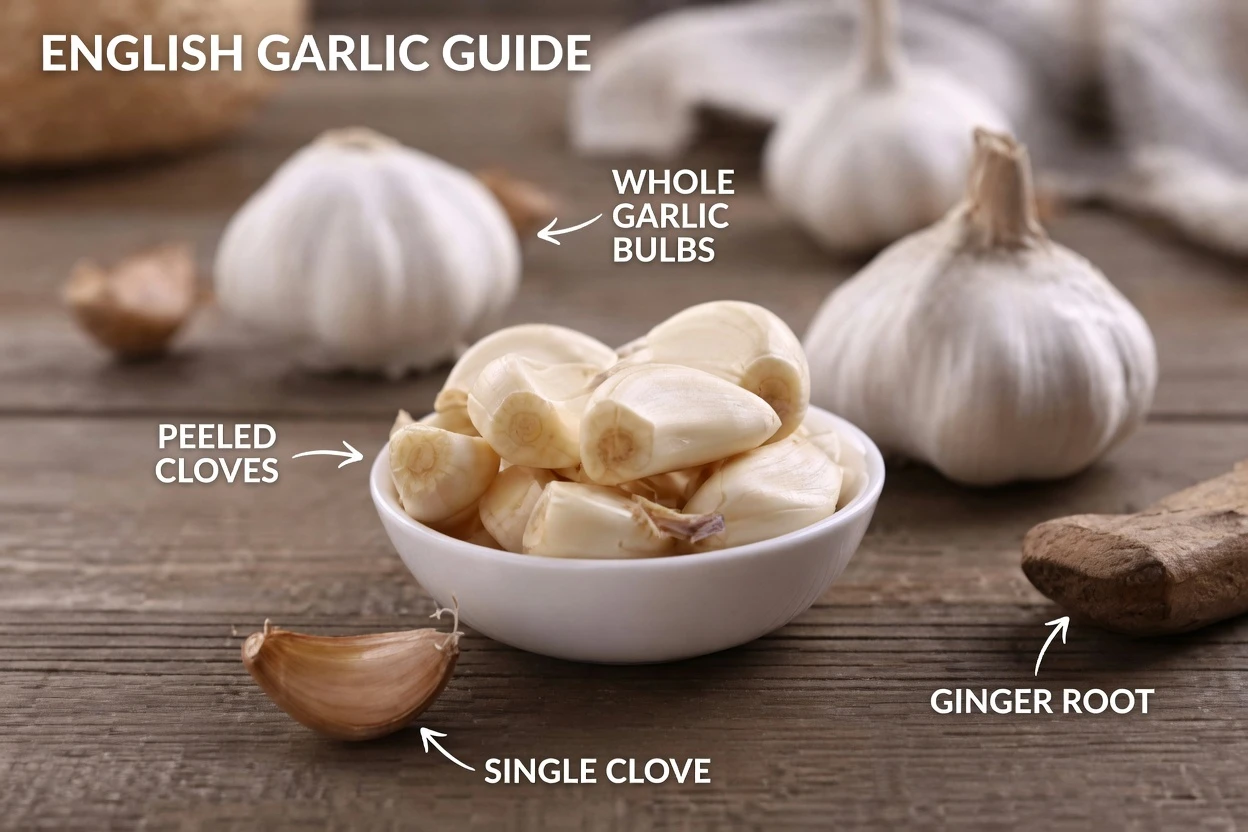
- Crush or chop two fresh cloves, then wait 10 minutes before eating to boost allicin formation.
- Mix into salad dressing, yogurt, or honey-water to soften the taste.
- Add to avocado toast or stir into soups after cooking (avoid heating it if you want maximum allicin).
- If you’re new to raw garlic, begin with one clove daily and increase gradually—consistency beats intensity.
FAQ
How do I prepare raw garlic for the best effect?
Crush or finely chop it and let it sit for about 10 minutes before eating. This helps increase allicin formation.
Is raw garlic safe for everyone?
Many people tolerate culinary amounts well, but raw garlic can cause heartburn, digestive discomfort, or irritation in some individuals. It may also interact with blood-thinning medications. If you have medical conditions or take medications, consult a clinician first.
Are garlic supplements a good alternative?
Garlic supplements (including aged garlic extract) can be more consistent and easier on the stomach and odor. Many studies use supplements rather than whole raw cloves. Raw garlic provides freshly formed allicin, but the best choice depends on your health status and tolerance.
Medical Disclaimer
This article is for informational purposes only and does not replace professional medical advice. Speak with a qualified healthcare provider before making dietary changes—especially if you have a medical condition or take medications. Garlic may have blood-thinning effects and can interact with certain drugs.