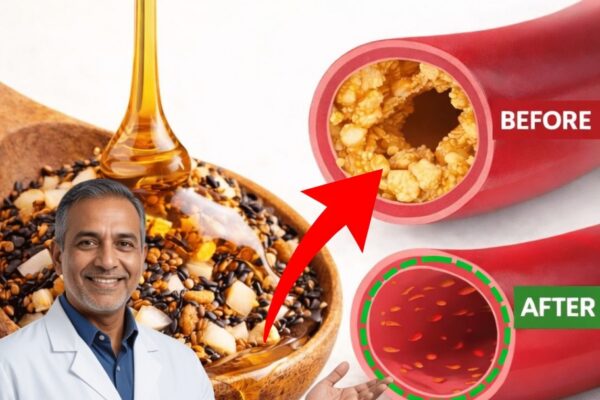
Keeping your arteries in good shape is essential for strong heart function and steady circulation. Over time, everyday factors—like a processed diet, chronic stress, and long hours of sitting—can make cardiovascular wellness harder to maintain. That’s why many people look for simple, natural habits that fit into real life. Research suggests that specific herbal infusions may help support healthy cholesterol, blood pressure, and inflammation levels. There’s also one practical strategy that often gets missed—and it can make these drinks feel even more beneficial. You’ll find it at the end.

Why Artery Health Deserves More Attention
Your arteries are the “highways” that carry oxygen and nutrients to every organ and tissue. When plaque accumulates or blood vessels become less elastic, the heart must work harder to move blood efficiently. Evidence continues to show that daily lifestyle choices—including what you drink consistently—can support smoother blood flow and healthier vessel function over the long term.
Next, explore six research-supported herbal drinks commonly used for cardiovascular support.
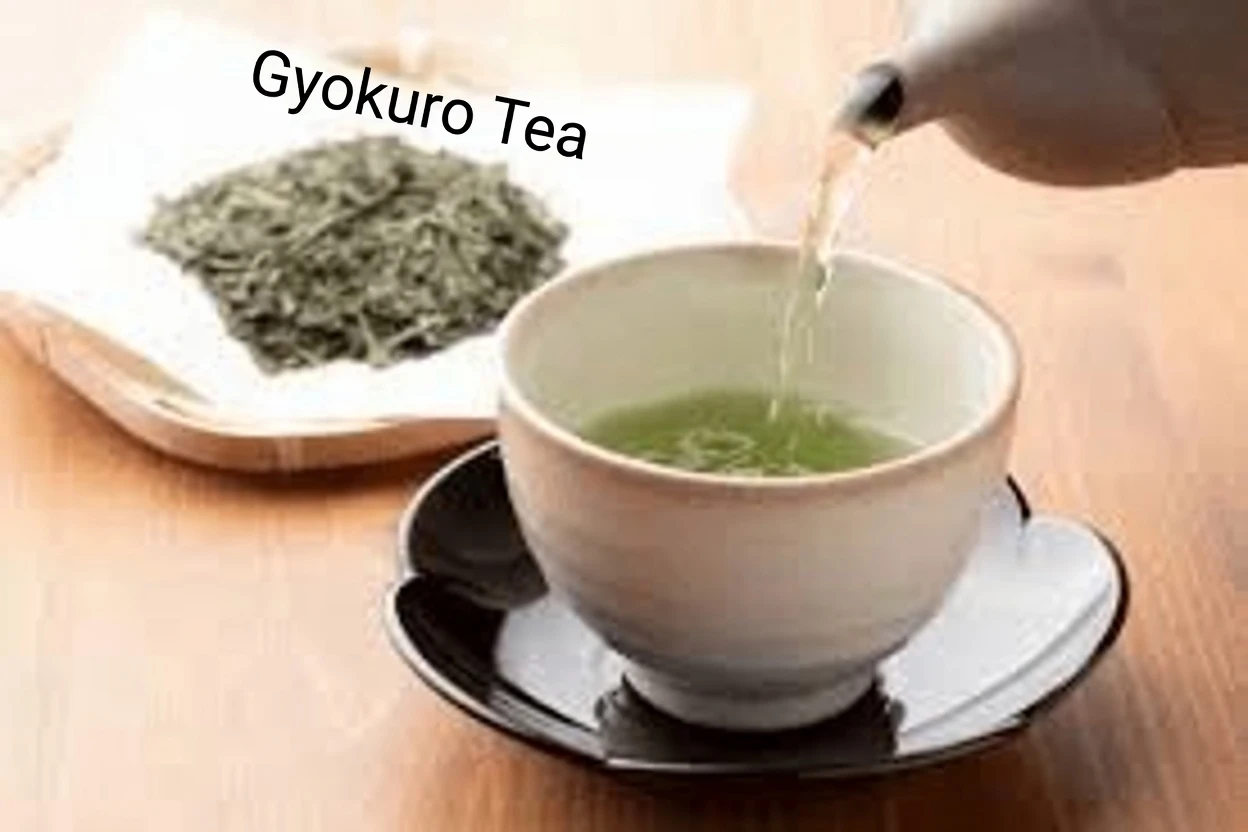
1) Green Tea: Antioxidant-Rich Support for Cholesterol and Vessels
Green tea is one of the most studied beverages in the heart-health space, largely thanks to catechins—plant antioxidants linked with improved cardiovascular markers.
Research (including analyses of clinical trials) indicates that regular green tea intake may help reduce LDL (“bad”) cholesterol and total cholesterol, while also supporting blood vessel function.
Potential benefits
- Helps protect LDL from oxidation due to catechin antioxidants
- Supports arterial flexibility and endothelial health (the inner lining of blood vessels)
- Encourages healthy circulation overall
How to use it
- Aim for 1–2 cups per day using quality tea bags or loose leaf.
- Keep it unsweetened; add lemon if you want extra brightness without sugar.
Many people also enjoy the gentle mental and energy lift that comes with a consistent morning cup.
2) Hibiscus Tea: A Bright, Tart Option for Blood Pressure Support
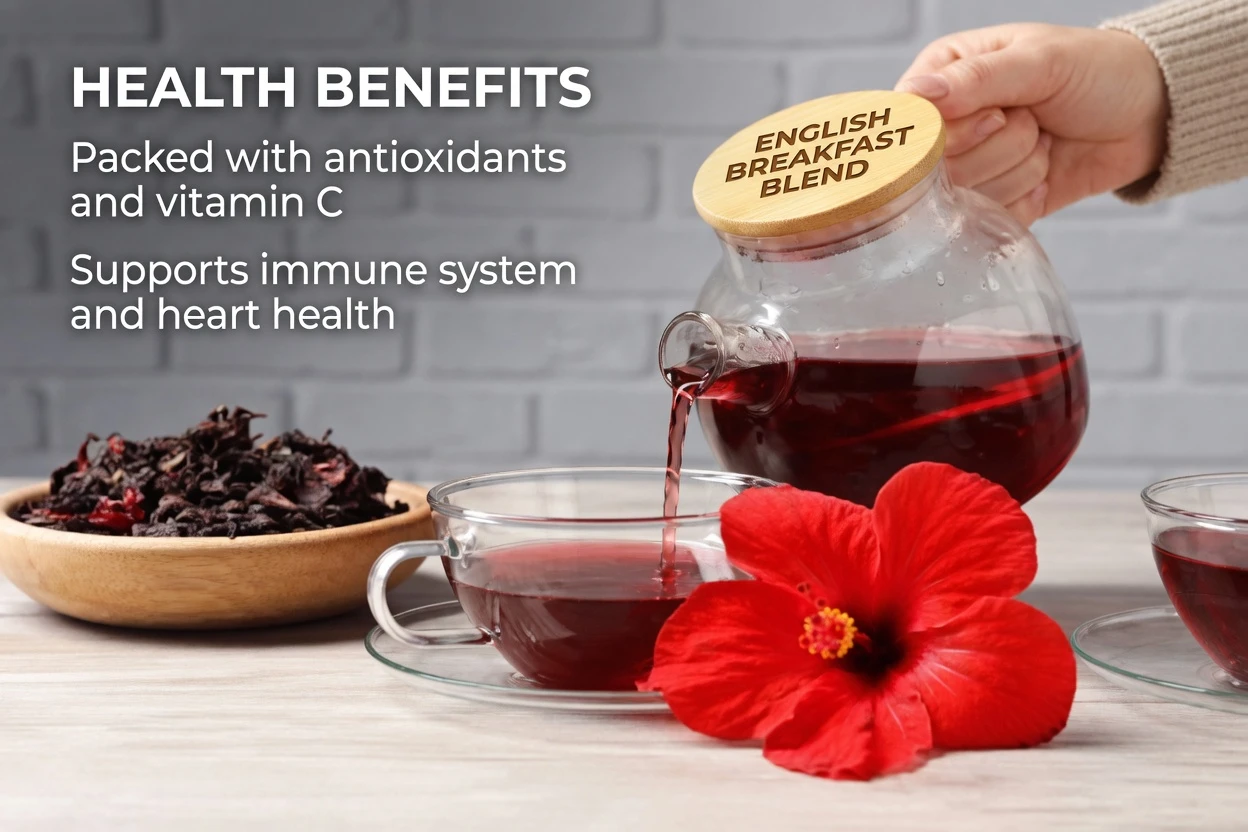
Hibiscus tea—made from the deep red calyces of the hibiscus flower—has a bold flavor and a strong reputation in the blood-pressure category.
Systematic reviews and meta-analyses suggest hibiscus may naturally support lower systolic blood pressure. Some studies also report improvements in total cholesterol and triglycerides.
Potential benefits
- Supports healthier blood pressure readings
- May assist with total cholesterol and triglyceride management
- Provides antioxidant and anti-inflammatory plant compounds
How to use it
- Steep 1–2 teaspoons of dried hibiscus in hot water for 5–10 minutes.
- Enjoy hot or iced.
- If you take blood pressure medication, check with your clinician before making it a daily habit.
Its color and tangy taste make it a popular alternative to sweetened fruit drinks.
3) Dandelion Tea: Mild Diuretic Support for Fluid Balance
Dandelion (often dismissed as a weed) has roots and leaves that can be brewed into an earthy tea. It’s traditionally used for digestion and “cleansing,” and research highlights its diuretic and antioxidant properties—both relevant to cardiovascular wellness.
Potential benefits
- Supports normal fluid balance, which may influence blood pressure
- Offers antioxidant compounds such as polyphenols
- Provides gentle, supportive “detox-style” benefits through traditional use
How to use it
- Choose roasted dandelion root for a deeper, coffee-like flavor.
- Start with 1 cup daily, then increase to up to 2 cups if well tolerated.
If you’re new to it, begin slowly to avoid digestive discomfort.
4) Ginger + Lemon Infusion: A Simple Daily Drink for Circulation
This refreshing combination pairs ginger’s warming compounds with lemon’s vitamin C and bright flavor. Ginger has been studied for its role in inflammatory balance and metabolic markers, while lemon contributes nutrients associated with blood vessel resilience.
Potential benefits
- Supports circulation and healthy blood flow
- Ginger may help calm inflammatory pathways and support cholesterol balance
- Lemon’s vitamin C contributes to maintaining flexible, healthy vessels
How to use it
- Slice a 1-inch piece of fresh ginger and add ½ lemon to hot water.
- Steep 5–10 minutes.
- Many people prefer it in the morning or after meals for digestive comfort.
It’s an easy upgrade from plain water when you want something energizing but simple.
5) Turmeric Tea: “Golden” Support for Inflammation and Vascular Protection
Turmeric contains curcumin, a widely studied compound known for its anti-inflammatory activity. Research suggests curcumin may support healthy lipid levels and help protect vascular tissues—especially when absorption is improved.
Potential benefits
- Helps support healthy vascular tone and arterial flexibility
- May assist with balanced cholesterol and blood lipid markers
- Supports the cardiovascular system through inflammation management
How to use it
- Simmer 1 teaspoon turmeric powder in water (or milk) for 10 minutes.
- Add 1/8 teaspoon black pepper, which can dramatically increase curcumin absorption in research settings.
- Sweeten lightly with honey if desired.
This tea is often described as comforting—especially in cooler weather.

6) Garlic Tea: Uncommon, Yet Research-Backed for Vascular Wellness
Garlic isn’t the first ingredient most people think of for tea, but it contains sulfur compounds (including those linked to allicin activity) that have been studied for cardiovascular support.
Scientific reviews connect garlic intake with improvements in cholesterol, blood pressure, and blood vessel elasticity in many populations.
Potential benefits
- Supports healthy blood pressure and cholesterol levels
- May help maintain flexible, responsive blood vessels
- Can support healthier plaque-related risk factors over time
How to use it
- Crush or chop 2–3 cloves and simmer in water for 10 minutes.
- Strain and add lemon or ginger to improve taste.
Cooking garlic this way often softens the sharp bite and makes it easier to drink.
Quick Guide: Choosing the Right Infusion for Your Goals
Use this simple match-up to get started:
- For cholesterol support: green tea, turmeric tea
- For blood pressure support: hibiscus tea, garlic tea
- For inflammation and circulation: ginger-lemon infusion, turmeric tea
- For gentle fluid-balance support (“detox” style): dandelion tea
Feel free to mix and match—enjoyment matters, and consistency is easier when you like what you’re drinking.
Final Takeaway: Small Sips Build Stronger Habits
Adding herbal infusions to your routine can be a practical, enjoyable way to support artery health naturally. For best results, pair them with heart-smart basics: balanced meals, regular movement, stress reduction, and quality sleep. Small steps, repeated daily, often create the biggest long-term changes.
The overlooked tip that makes a difference: rotate your teas weekly. Switching between herbs can reduce taste fatigue and increase the variety of beneficial plant compounds you consume—helping you stay consistent while broadening nutritional support.
FAQ
How many cups per day are reasonable for potential benefits?
Most research patterns fall around 1–3 cups daily, depending on the herb and the person. Start with 1 cup, observe how you feel, and adjust gradually.
Can herbal infusions replace heart or blood pressure medications?
No. These drinks can support general wellness, but they do not replace prescribed treatments. Continue your medical plan unless your clinician advises otherwise.
Are there interactions or side effects to consider?
Yes. Some herbs may not be appropriate for everyone:
- Hibiscus and dandelion may interact with blood pressure medications or influence fluid balance.
- Garlic and turmeric can have mild blood-thinning effects for some individuals.
If you have a condition or take medication, consult a qualified healthcare professional before making these infusions a daily habit.
Disclaimer
This article is for educational purposes only and is not medical advice. Herbal infusions may support a healthy lifestyle, but they are not a substitute for professional care. If you have high blood pressure, heart disease, high cholesterol, or take any medications, speak with your healthcare provider before adding new herbal teas. Individual results can vary.