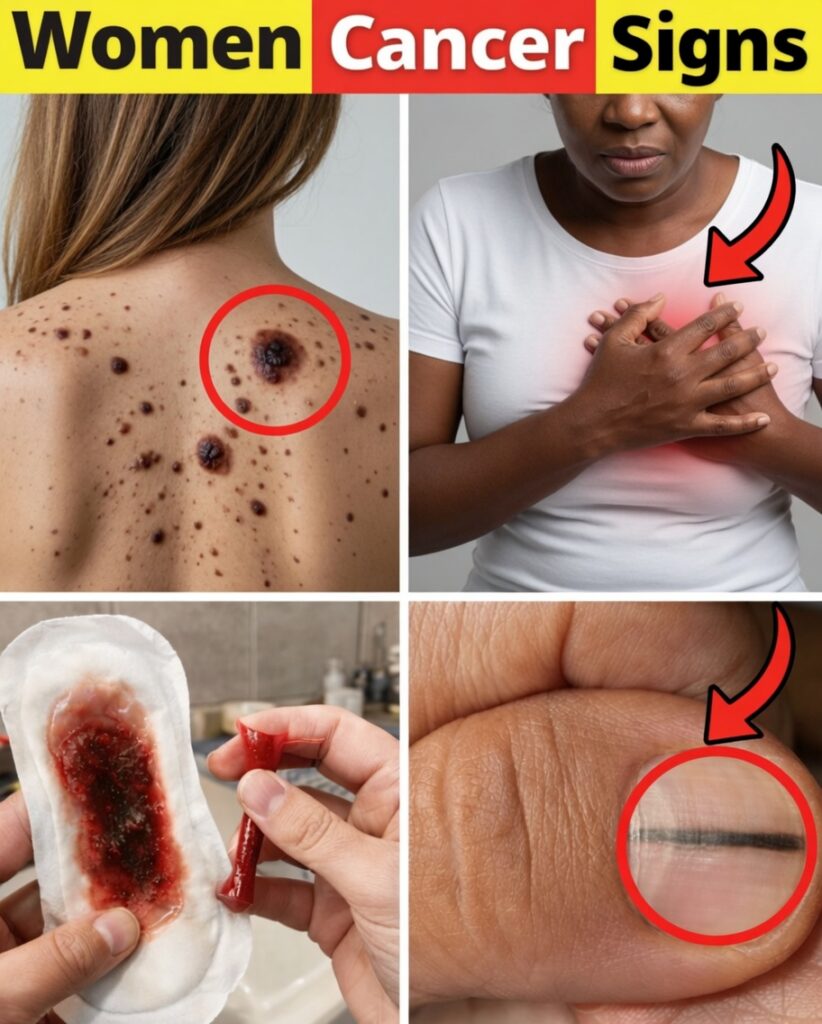
Don’t Dismiss Subtle Body Changes: 14 Physical Signs Women Often Overlook
In the middle of packed schedules, nonstop obligations, and chronic tiredness, it’s easy to ignore small shifts in how your body feels. Many women brush symptoms aside with thoughts like, “It’s just stress,” “It’s my age,” or “I’m simply run down.”
But when certain changes seem minor yet continue for weeks, they can act as quiet warning signals.
The sooner a sign is recognized, the more it can change the outcome—sometimes dramatically.
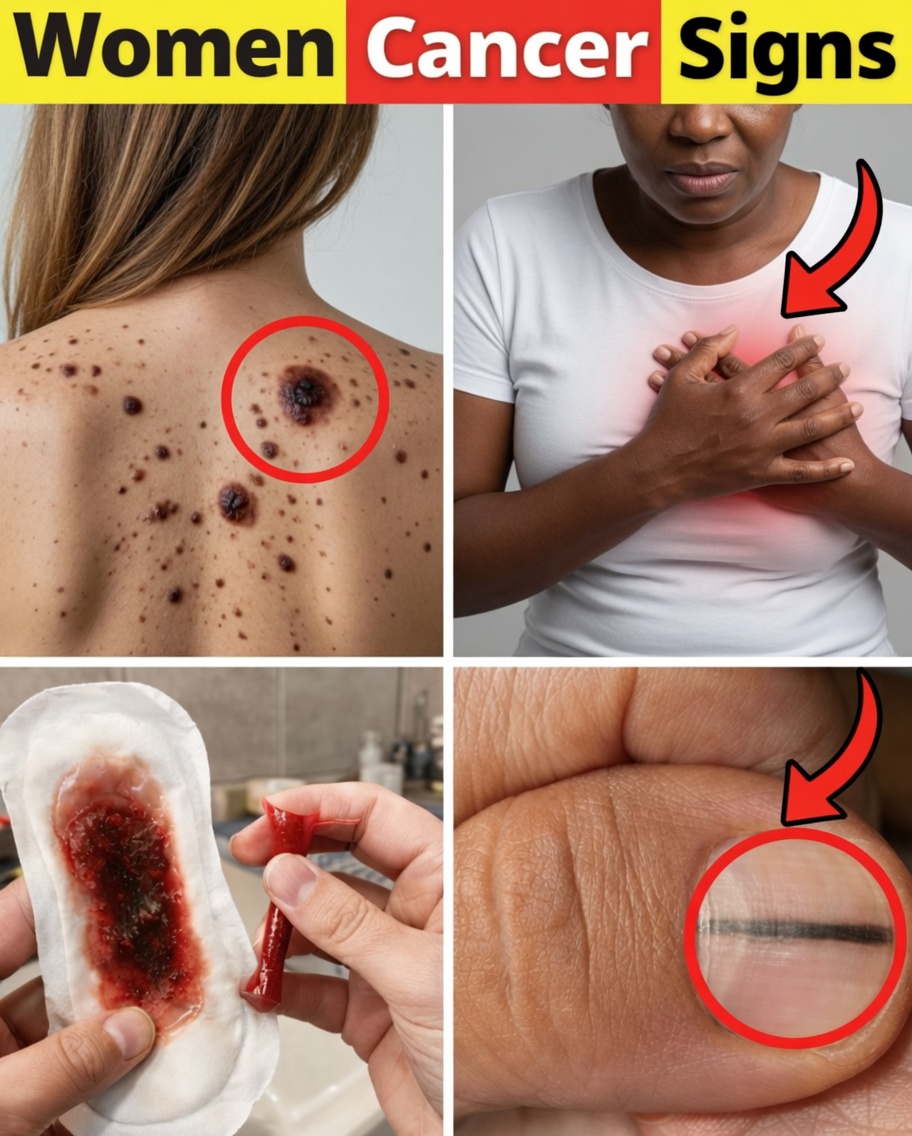
Below are 14 visible or physical red flags that are frequently misunderstood or minimized. Knowing them doesn’t mean assuming the worst—but it can help you decide when it’s time to get checked.
1. Unexplained Weight Loss Without Trying
Dropping 5–10 kg (or more) over 6–12 months without changing your diet, exercise, or routine is a classic red flag.
Be especially cautious if weight loss is paired with:
- Reduced appetite
- Feeling full after only a few bites
- On-and-off mild nausea
2. Deep Fatigue That Sleep Doesn’t Improve
Normal tiredness comes and goes. But persistent, heavy exhaustion can feel very different:
- You wake up already drained
- Even 9–10 hours of sleep doesn’t help
- Simple daily tasks suddenly feel unusually difficult
This type of fatigue is often discussed in connection with conditions such as leukemia, lymphoma, colon cancer, and pancreatic cancer, among others.
3. Ongoing Changes in Bowel Habits
Your stool patterns can provide very clear health clues. Pay attention if any of the following persist:
- Constipation and diarrhea alternating for weeks
- Noticeably thinner stools (sometimes described as “pencil-thin”)
- A constant sensation of incomplete bowel emptying
- Frequent urge to go, but little comes out

4. Frequent Bloating and Feeling Full Very Quickly
Daily or near-daily bloating—especially with early fullness—is considered a key early warning sign associated with ovarian cancer, and it’s one of the most commonly ignored.
Take it seriously when:
- Bloating occurs almost every day
- You feel full after a small amount of food
- Your abdomen looks or feels more distended (clothes get tighter)
Many women assume it’s digestion, hormones, or aging—until it persists.
5. Skin and Mole Changes You Shouldn’t Ignore (ABCDE + More)
Use the ABCDE method to evaluate moles:
- A – Asymmetry
- B – Irregular borders
- C – Multiple colors in one mole
- D – Diameter larger than 6 mm (bigger than a pencil eraser)
- E – Evolving (rapid change in size, shape, or color)
Other important skin-related signs include:
- Sudden jaundice (yellowing of skin and eyes)
- Intense itching without a visible rash (often worse at night)
- New widespread redness or darkening of the skin
6. A Cough or Hoarseness That Won’t Go Away
Seek medical advice if you notice:
- A dry cough lasting more than 3–4 weeks without a cold
- A hoarse voice that doesn’t return to normal after 3 weeks
- Any blood when coughing, even small streaks
This is especially important for people who smoke or previously smoked.
7. Breast Changes That Aren’t Just “A Lump”
Breast health isn’t only about finding a lump. Other warning signs include:
- A nipple that suddenly turns inward (retraction)
- Skin texture resembling an orange peel (peau d’orange)
- Redness, warmth, or swelling in one breast without fever
- A scaly, crusted, eczema-like rash around the nipple that won’t heal
- Bloody nipple discharge (particularly from one side)

8. Swollen Lymph Nodes or Lumps That Persist
Check these areas regularly:
- Neck (especially above the collarbone)
- Armpits
- Groin
Concerning features include nodes that:
- Feel hard or stone-like
- Seem fixed in place rather than movable
- Grow gradually over several weeks
- Don’t hurt when pressed
9. Unusual Vaginal Bleeding (Bleeding After Menopause Is Never “Normal”)
Situations that should always be evaluated:
- Any bleeding after menopause, even light spotting
- Repeated bleeding between periods
- Periods that suddenly become much heavier and longer than usual
- Strong-smelling discharge, especially if watery, pink, or brown
10. Blood Appearing Where It Shouldn’t
These symptoms should be treated as high-priority:
- Blood in urine (even a pink tint)
- Bright red blood on toilet paper or in the toilet bowl
- Black, tar-like stools
- Blood mixed into otherwise normal-looking stool
11. Swallowing Problems That Gradually Worsen
Watch for patterns such as:
- Food feeling stuck in the middle of the chest
- Pain during swallowing
- Needing lots of water to push food down
- Later progression to difficulty swallowing liquids
12. Mouth Sores or White Patches That Don’t Heal
Any mouth ulcer, sore, or white/red patch on the tongue, gums, inner cheek, or mouth lining should be checked if it:
- Lasts longer than 3 weeks
- Enlarges over time
- Bleeds easily when touched
- Feels firm or thickened around the edges
This risk is especially relevant for people who smoke, chew betel nut, or drink alcohol frequently.
13. Persistent Pain With No Clear Explanation
Pain deserves attention when it’s new, ongoing, and unexplained—especially:
- A constant dull ache in the upper abdomen or back (pancreas area)
- Pelvic pain that doesn’t match your menstrual cycle
- Unexplained bone pain (spine, hips, ribs)
- A new headache that feels very different from your usual pattern

14. Several Mild Symptoms Happening at the Same Time
Often, the most dangerous situation isn’t one dramatic symptom—it’s multiple subtle changes appearing together.
A commonly missed combination may look like:
- Unexplained weight loss
- Early fullness
- Mild bloating
- Low-level fatigue
- Back pain
When several “small” warning lights turn on at once, it’s worth taking seriously.
What to Do Next: A Practical Action Plan
-
Track it clearly
- Write down when it started, how often it occurs, severity, and what improves or worsens it.
-
Don’t wait longer than 2–3 weeks
- If a symptom continues beyond 2–3 weeks, schedule a medical evaluation.
-
See the right specialist first
- Unusual bleeding → Gynecologist
- Breast changes → Breast specialist or Gynecologist
- Ongoing cough/hoarseness → ENT specialist
- Bowel changes or blood in stool → Gastroenterologist
- Multiple unexplained symptoms → Internal Medicine physician (start here)
-
Say what you’re worried about—directly
- “I read that this symptom can sometimes be associated with cancer. I’d like to check it to be safe.”
Early detection can significantly improve outcomes. And importantly: most of these signs are not cancer. But when cancer is the cause, finding it early often leads to far better treatment results.
Final Note (Important)
I am not a doctor, and this article is not meant to diagnose any condition. The signs above are widely discussed in medical literature, but only a qualified clinician can determine the cause through appropriate examinations and tests.
If any symptom worries you, please see a healthcare professional. Peace of mind is worth far more than avoiding temporary fear.
Have you ever ignored one of these warning signs for a long time before getting it checked? Share your experience in the comments—your story may help someone else act sooner.