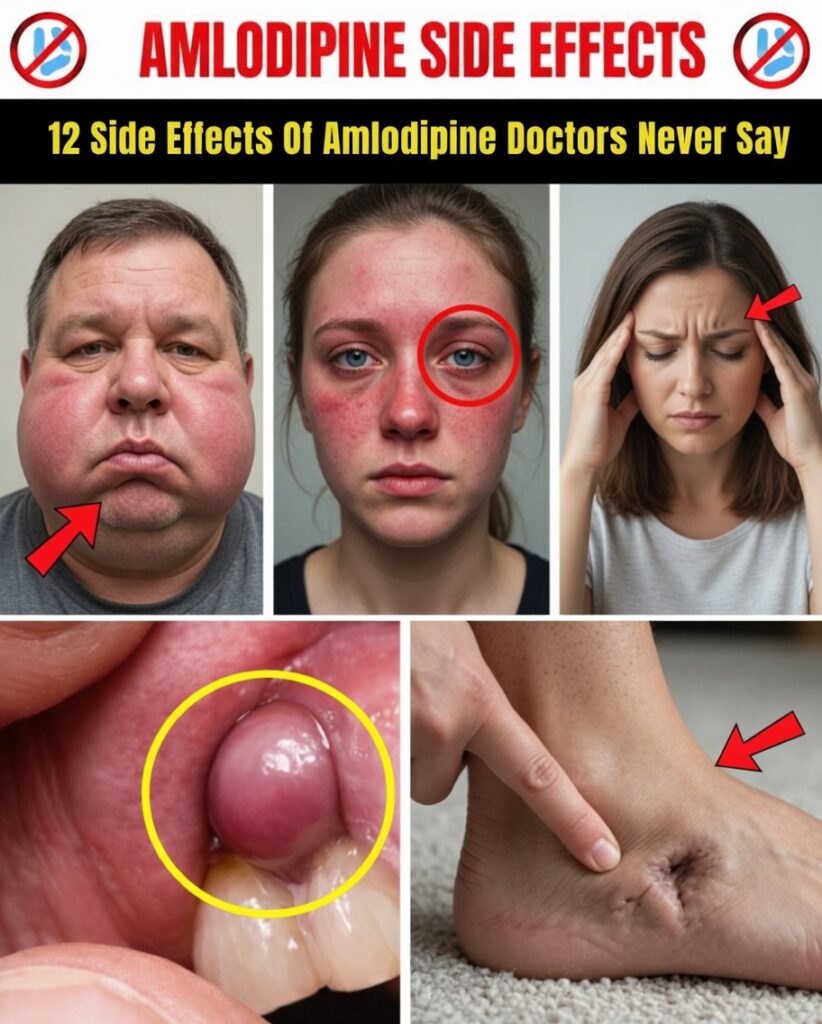
Amlodipine is among the most widely prescribed medicines for high blood pressure (hypertension) and chest pain (angina), supporting heart health for millions of people every day. Still, many patients notice unexpected changes after starting it—such as ankle swelling, unusual fatigue, or other subtle shifts that are often dismissed as “normal aging” or everyday stress. When these changes quietly affect mobility, stamina, or confidence, they can feel confusing and isolating.
The encouraging part is that many of these reactions are recognized in clinical research and real-world patient reports. Learning what can happen—and who may be more likely to experience certain effects—helps you spot patterns early and have clearer, more productive conversations with your healthcare provider.
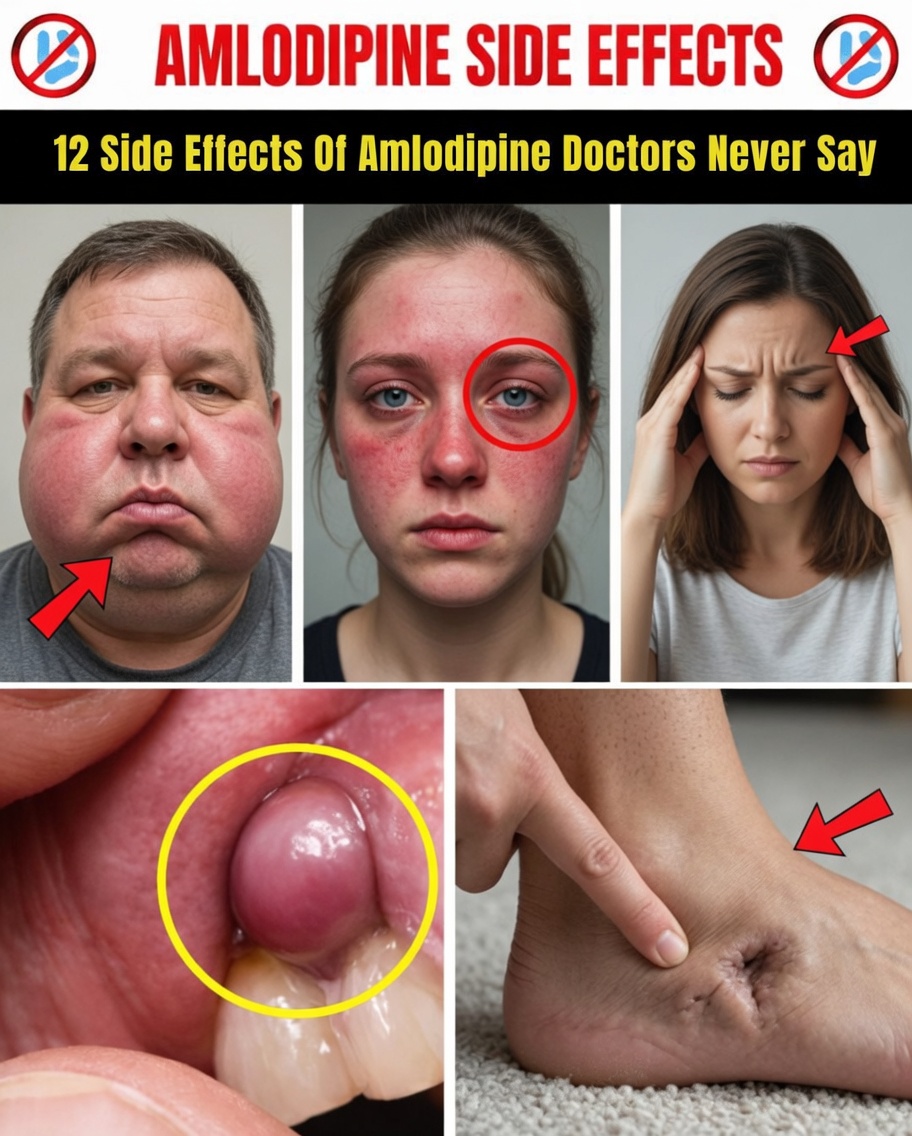
One important detail that is frequently overlooked: some side effects occur more often in specific groups, including women and people taking higher doses. Below are 12 less-discussed amlodipine side effects, drawn from research findings and patient experiences, along with practical ways to monitor them.
Why Amlodipine Side Effects Can Feel “Unexpected”
For many adults (especially those over 50), taking amlodipine becomes a routine part of protecting the heart and blood vessels. Over time, however, gradual changes can slip in: shoes feeling tighter due to swelling that gets blamed on weight gain, or persistent tiredness attributed to a busy schedule. While most people tolerate amlodipine well, studies and prescribing data suggest that some effects occur more often than patients expect—and the likelihood can depend on:
- Dose (higher doses tend to increase certain reactions)
- Sex (women report some issues more frequently in clinical datasets)
- Duration of use (some effects appear after weeks or months)
These effects are not always dangerous, but when they accumulate, they can reduce quality of life and sometimes lead people to stop taking medication. Awareness is the first step toward better self-monitoring and safer adjustments.
12 Lesser-Discussed Side Effects of Amlodipine
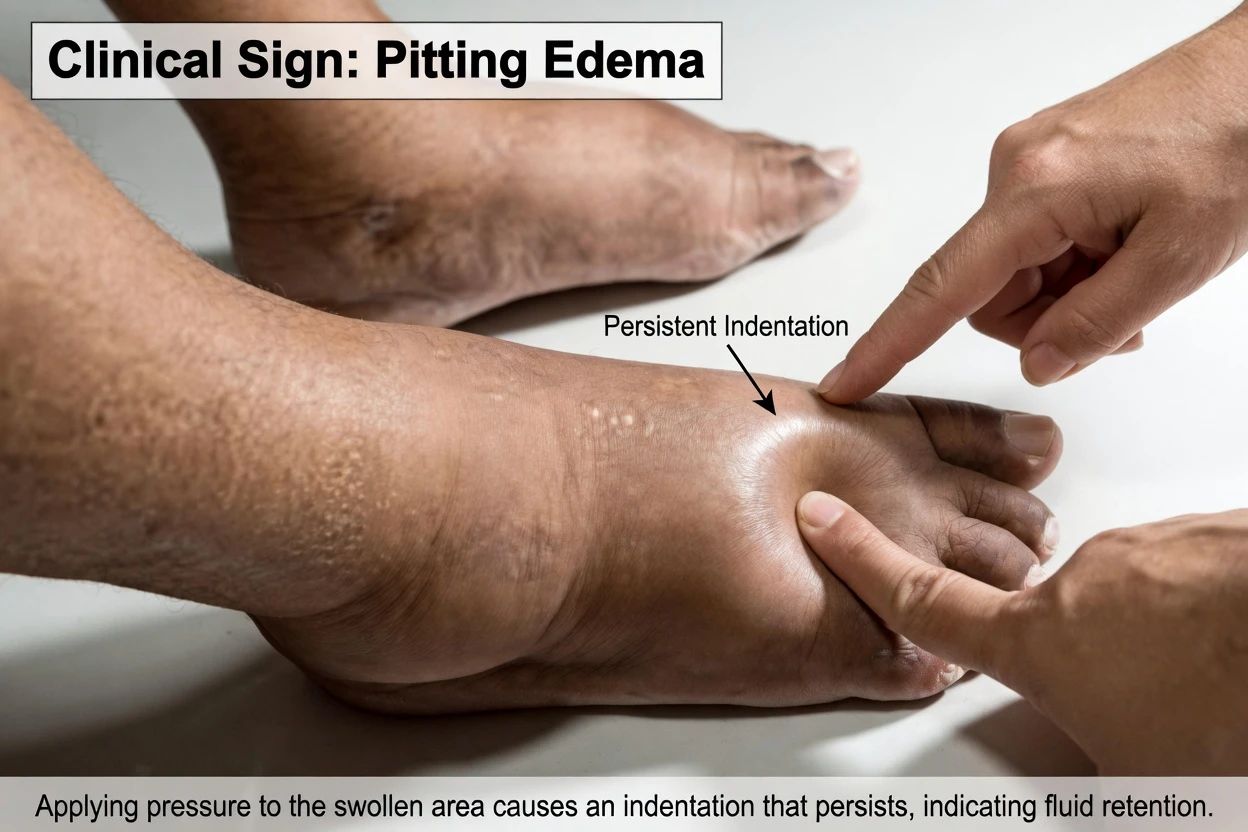
1) Swollen Ankles and Legs (Peripheral Edema)
Peripheral edema is one of the most frequently reported amlodipine issues. It can make ankles look puffy, shoes feel tight, and walking feel more tiring. Based on prescribing information and clinical studies, it may affect up to 10–15% of users, and rates tend to rise at higher doses (such as 10 mg). Reports also suggest it appears more often in women.
This swelling happens because amlodipine relaxes blood vessels, which can shift fluid into surrounding tissues—especially in the lower legs.
What may help:
- Elevating legs when resting
- Compression socks (if appropriate for you)
- Discussing a dose adjustment with your clinician if swelling is persistent
Tracking whether swelling worsens after long periods of standing can provide useful clues for your next appointment.
2) Possible Liver-Related Changes (Rare)
Liver concerns are uncommon, but there are case reports describing changes in liver enzymes or vague symptoms that lead to additional testing. For someone experiencing unexplained fatigue or discomfort, it’s worth keeping on the radar.
Practical step:
- Routine bloodwork during checkups often detects issues early.
- If fatigue feels unusual or persistent, mention it rather than assuming it’s unrelated.
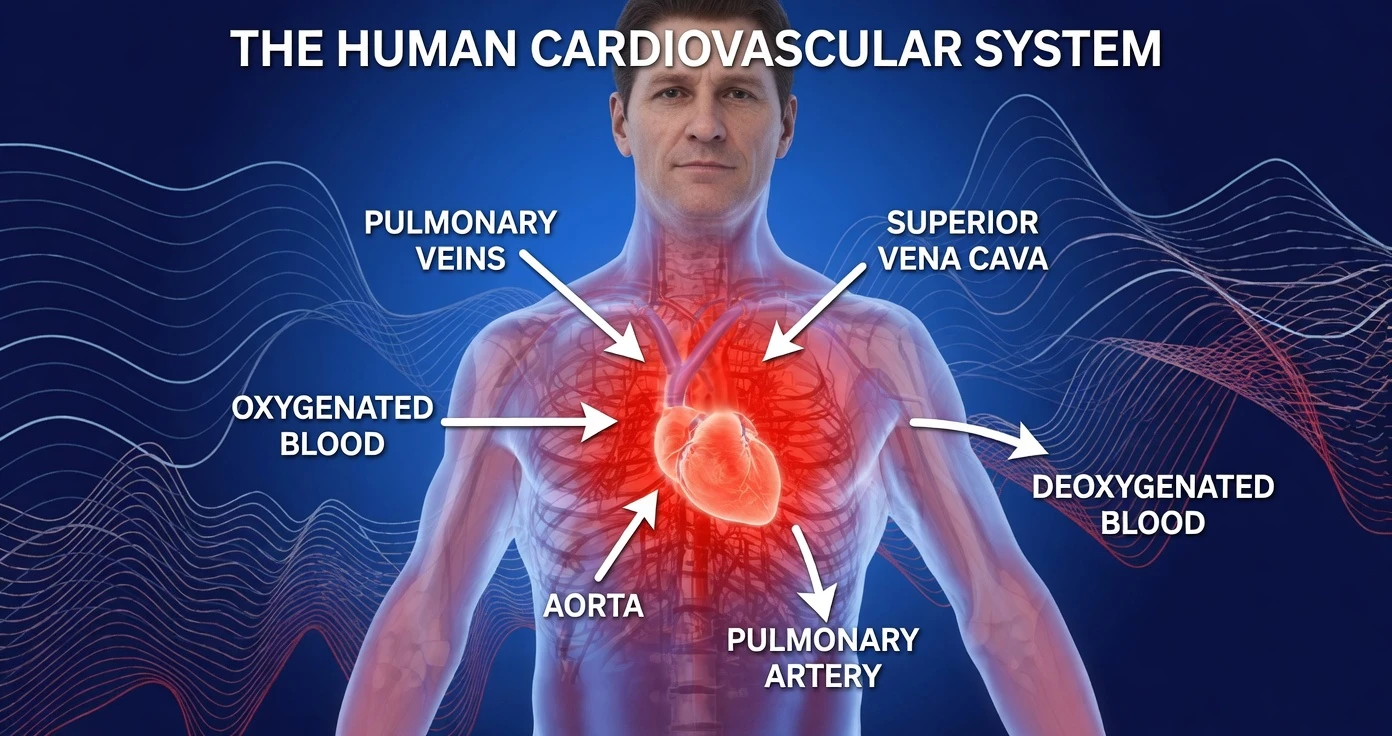
3) Heart Palpitations or “Fluttering” Sensations
Some people describe a racing heartbeat, skipped beats, or a fluttering sensation. Clinical data suggests palpitations occur in roughly 1–4.5% of users, more often at higher doses and somewhat more frequently in women.
This may be linked to the way blood vessel relaxation can trigger a reflex increase in heart rate in some individuals.
Helpful monitoring:
- Note timing (morning vs evening)
- Record triggers (after meals, caffeine, stress, exertion)
- Share patterns with your clinician to determine whether a medication adjustment is needed
4) Gum Changes (Gingival Overgrowth)
A lesser-known but documented effect is gingival overgrowth, where gums become swollen or appear enlarged. Reports often place it around 1–2%, with increased likelihood during longer use or at higher doses.
Ways to reduce impact:
- Consistent brushing and flossing
- Regular dental cleanings
- Tell your dentist you’re taking amlodipine so they can assess medication-related gum changes appropriately
5) Dizziness or Lightheadedness
Feeling dizzy—especially when standing up quickly—can occur in about 3–4% of users and can raise fall risk, particularly in older adults.
Strategies that often help:
- Stand up gradually (especially from bed or a chair)
- Stay adequately hydrated (as advised by your clinician)
- Log episodes with blood pressure readings if you monitor at home
6) Nausea or Stomach Upset
Some people develop mild digestive discomfort such as queasiness, stomach unease, or general nausea (often cited around 2–3%). This may relate to changes in gut motility and blood flow.
Common coping options:
- Taking the medication with food (if your prescriber agrees)
- Eating smaller meals
- Talking to your provider if symptoms don’t settle
7) Facial Flushing or Sudden Warmth
Facial flushing—redness or warmth in the face—can feel awkward in social situations. Reported rates are often around 1–3%, with a higher frequency noted in women.
What to know:
- Flushing may ease as your body adapts
- Dose changes can reduce it
- Practical comfort steps include cool environments and light clothing
8) Ongoing Fatigue or Reduced Energy
Some patients report a persistent “drained” feeling even with adequate rest (commonly around 4–5% in reported data). For certain people, it builds gradually and becomes easier to overlook.
A useful approach:
- Track energy levels for 1–2 weeks alongside sleep, activity, meals, and medication timing
- Share your notes with your clinician to rule out other causes and consider adjustments
9) Muscle Cramps or Stiffness
Occasional muscle aches, cramps, or stiffness—particularly in the legs—have been reported. Mechanisms can vary, but changes in circulation and calcium-channel activity may play a role for some individuals.
Supportive steps:
- Gentle stretching
- Adequate hydration (as appropriate for your health conditions)
- Regular movement breaks if you sit or stand for long periods
- Report severe or worsening symptoms promptly
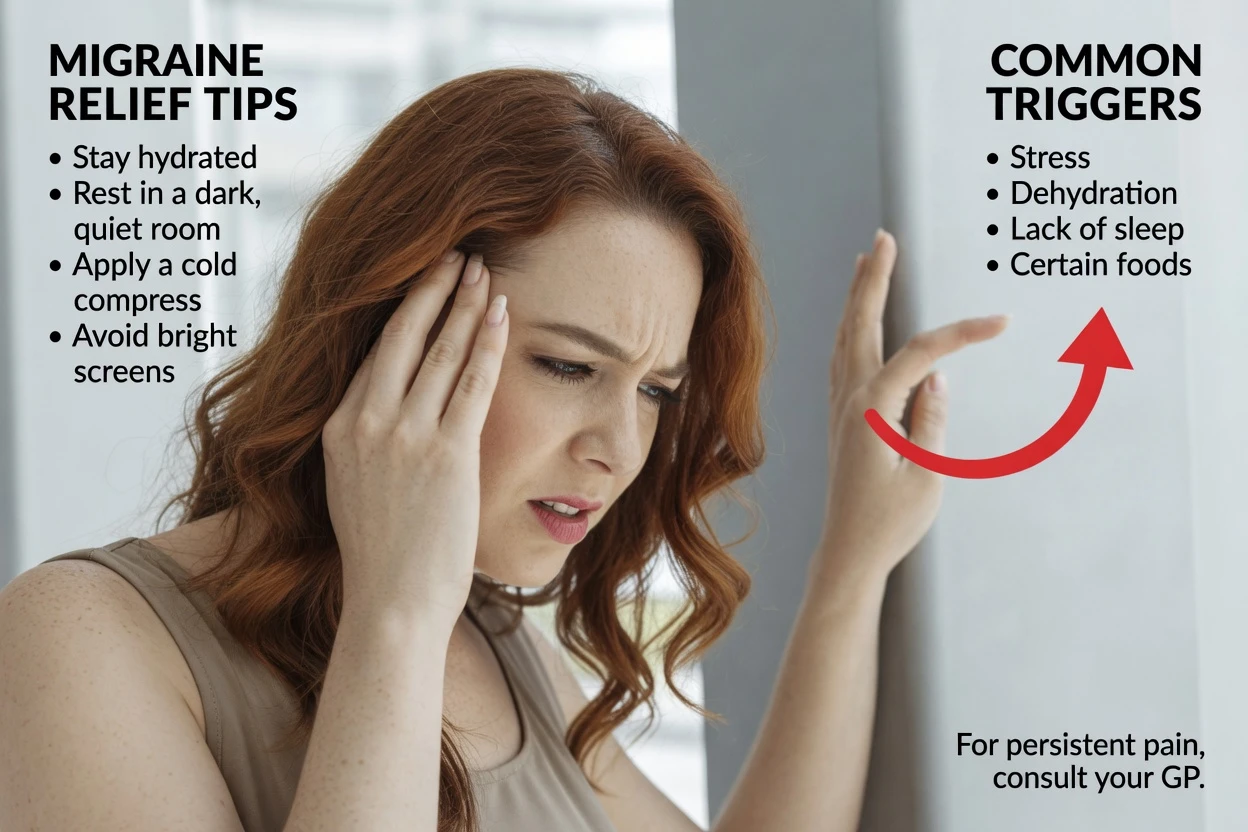
10) Mood Changes or Sleep Disruption
Post-marketing monitoring and patient reports include subtle changes such as difficulty sleeping, restlessness, or low mood. These effects can be hard to link to one cause, especially during stressful periods.
What can help clarify:
- Keep a simple sleep log (bedtime, awakenings, sleep quality)
- Note major stressors and caffeine/alcohol intake
- Discuss concerns openly—your clinician can help evaluate medication contribution vs other factors
11) Low Blood Pressure Episodes (Including Orthostatic Hypotension)
Although amlodipine is used to lower blood pressure, some people experience drops that cause faintness, especially when standing. This is reported more often in older adults or those taking multiple blood pressure medications.
Practical safety tips:
- Stand slowly
- Monitor home blood pressure (if recommended)
- Report repeated dizziness, near-fainting, or falls
12) Breathing Difficulties or Chest Symptoms (Rare but Important)
Rare reports mention shortness of breath or chest-related concerns. Any new, worsening, or unexplained breathing difficulty or chest symptom should be treated as urgent and evaluated promptly.
Reported Rates: A Quick Snapshot (Varies by Dose and Individual)
Rates differ by study design, dose, and patient characteristics, but commonly cited figures include:
- Peripheral edema: up to 10–15% (dose-dependent; higher in women)
- Palpitations: ~1–4.5% (reported more in women)
- Fatigue: ~4.5%
- Flushing: ~1–3% (reported more in women)
- Dizziness: ~3–4%
- Gingival overgrowth: ~1–2%
What Influences Side Effects? Key Factors
Your experience with amlodipine may differ based on:
- Dose level: lower doses are often better tolerated
- Sex: women may report certain reactions more frequently
- Age: sensitivity to blood pressure shifts can increase over time
- Heat and climate: warm weather may worsen swelling
- Genetics and other medications: drug interactions and individual biology matter
A Simple Monitoring Timeline (Practical Next Steps)
-
Weeks 1–4:
- Note new symptoms daily (brief bullet points are enough)
-
Months 3–6:
- Review patterns with your clinician
- Discuss whether dose adjustment or alternative options make sense
-
Ongoing support:
- Heart-healthy habits can improve tolerance, including:
- Moderate movement (as appropriate)
- Hydration guidance from your clinician
- A lower-sodium eating pattern if recommended
- Heart-healthy habits can improve tolerance, including:
Tip: Bring your symptom log to appointments. It turns vague discomfort into concrete, time-based information your doctor can act on.
Moving Forward with Confidence
Simply recognizing that these amlodipine side effects can happen—especially in certain groups or at higher doses—can change how you manage your health. Many people feel better after small adjustments, better tracking, or a clearer discussion with their clinician.
If something feels “off,” don’t ignore it. Your daily experience is clinically relevant, and early action can protect both comfort and long-term heart health.
Frequently Asked Questions
What should I do if amlodipine causes swelling?
Common first steps include:
- Elevate your legs when resting
- Reduce sodium intake if advised
- Speak with your clinician—dose changes or supportive measures may help
Are side effects more likely at higher doses?
Yes. Many reactions (including ankle swelling and flushing) are dose-dependent, so clinicians often start lower and adjust upward only if needed.