Rethink Your Shower Routine: Timing and Temperature Can Affect Circulation
You might hop into a cold shower first thing in the morning to “wake up,” or wait until late at night when the house is quiet and you just want to relax. These routines feel harmless, but sudden shifts in body temperature—especially at the wrong time of day—can place extra demand on blood pressure and circulation, particularly as we get older or live with daily stress.
Evidence suggests that water temperature and shower timing may influence how your blood vessels respond, which matters for long-term cardiovascular comfort. The reassuring part is that you don’t need drastic changes. Small adjustments—warmer water, better timing, and gradual exposure—can support steadier blood flow and make showers feel safer and more pleasant.

Why Shower Timing Influences Blood Flow
Your body runs on a biological clock that affects heart rate, blood pressure, and blood vessel tone throughout the day. When you expose yourself to very hot or very cold water—especially when your body is less stable (like right after waking or when exhausted)—your circulation may react quickly, causing temporary shifts in blood pressure and vessel constriction or dilation.
Research on bathing patterns and cardiovascular responses indicates that extreme temperature changes and bathing during periods of fatigue can increase strain for people who are more vulnerable (for example, older adults or those managing blood pressure concerns).
The goal is not to avoid showering. It’s to match your shower to times when your body is naturally more alert and adaptable, especially during colder seasons when temperature drops have been associated with higher cardiovascular stress.
Best Times to Shower: Practical Morning and Evening Guidance
Choosing a shower time when your body is more stable can reduce the “shock effect” and help circulation stay smoother.
-
Morning (after you’re fully awake):
Wait until you’ve been up and moving for about 30–60 minutes. This gives your blood pressure time to normalize after sleep. Start with lukewarm water before adjusting warmer. -
Afternoon to early evening (ideally before 8–10 PM):
In many climates—especially in colder months—these hours often coincide with a warmer indoor/outdoor environment, making temperature transitions easier. Showering earlier in the evening also allows your body to settle before bed. -
Try to avoid late-night showers (after 10 PM) when possible:
Nighttime air is usually cooler, which can intensify the contrast between room temperature and water temperature. For people with blood pressure variability or heart-related concerns, that contrast may trigger stronger vessel responses.
Quick Comparison of Common Shower Times
- Immediately after waking: Higher chance of abrupt changes while the body is still “booting up.”
- Mid-morning (around 9–11 AM): Often a comfortable window; you’re more active and stable.
- Afternoon (around 1–4 PM): Frequently the warmest part of the day in many regions.
- Early evening (before 8–10 PM): Good for relaxation without pushing too close to bedtime.
- Late night (after 10 PM): Cooler environment; greater temperature contrast risk.
Safer Shower Habits That Support Heart Health
A heart-friendly shower routine is mostly about avoiding extremes and letting your body adapt gradually.
-
Use warm water (not extreme hot or cold)
A helpful target is 93–99°F (34–37°C). Warm water is less likely to provoke sudden vessel tightening (cold) or rapid dilation (very hot). -
Ease in slowly
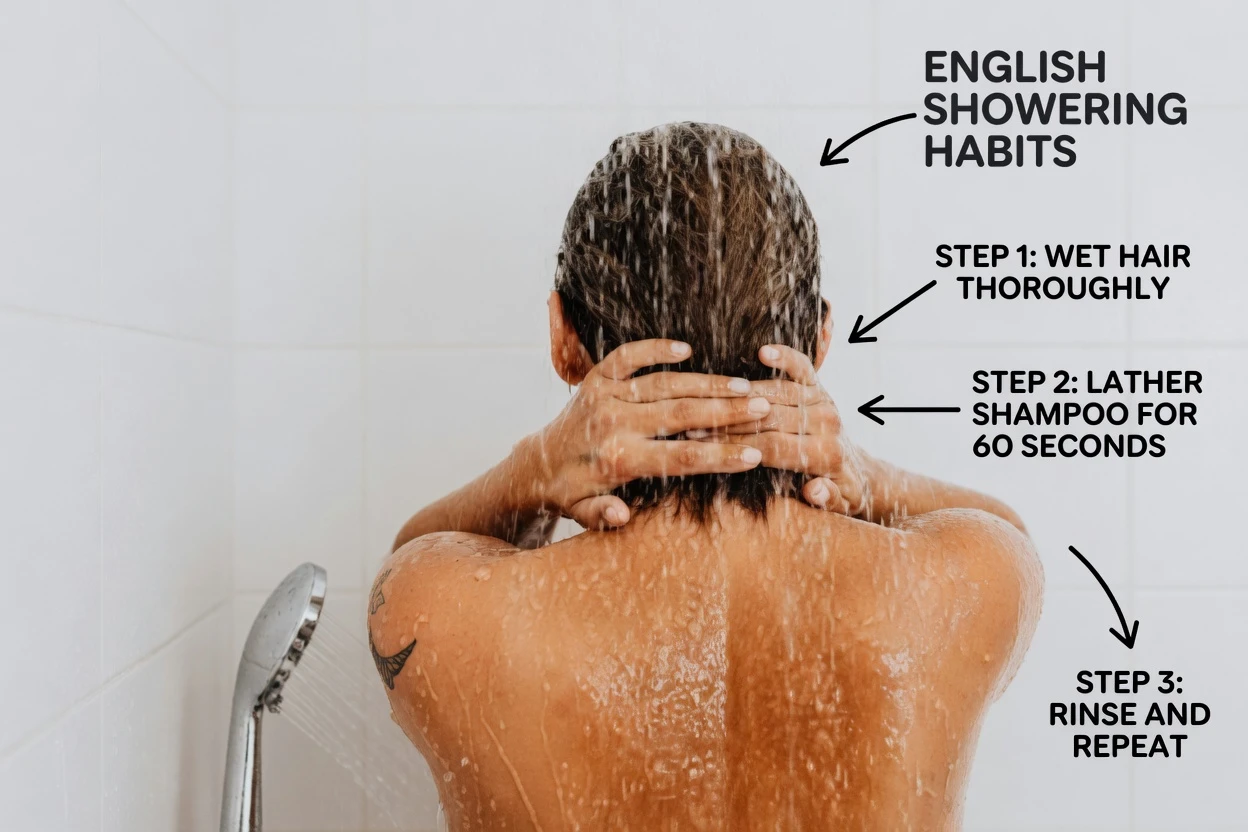
Wet your feet, legs, and arms first, then move toward the torso and head. This step-by-step method helps your circulation adjust. -
Keep showers brief
Aim for 10–15 minutes to avoid fatigue and reduce dehydration risk. -
Pay attention to “high-risk” moments
Consider delaying your shower if you are:- Extremely tired
- Very hungry
- Just finished intense exercise
- Recently consumed alcohol
- Coming in from very hot or very cold weather
For people with hypertension or cardiovascular concerns, checking blood pressure before bathing can be a simple way to feel more confident and informed.
Adjusting Shower Timing by Season
Temperature outside (and inside your home) changes how hard your body must work to maintain balance.

-
Cold seasons:
Because the body expends more effort to stay warm, choose warmer times of day, such as mid-morning or early afternoon, to reduce the impact of temperature contrast. -
Warm seasons:
An early evening shower can feel calming and refreshing without the same cold-shock concerns. Consistency still matters—avoid extremes and sudden changes.
Extra Daily Habits That Complement Smart Shower Timing
Pairing good timing with a few simple behaviors can further support comfortable circulation:
- Hydrate before and after showering (dehydration can thicken blood and increase workload)
- Avoid alcohol right before bathing (it can interfere with blood pressure regulation)
- Move gently afterward (light stretching or easy movement helps your body settle)
Summary: Make Showering Work With Your Body, Not Against It
Showering at more stable times—after fully waking up, during afternoon warmth, or earlier in the evening—and using warm water plus gradual exposure can help reduce unnecessary cardiovascular strain and encourage steadier circulation.
These aren’t complicated lifestyle overhauls. They’re small, practical changes that can make everyday bathing feel safer and more comfortable over time. Try shifting your next shower into a more supportive time window and observe how your body responds.
FAQ
-
Is showering late at night really more risky?
Research doesn’t prove a universal cause-and-effect for everyone, but cooler nighttime temperatures can increase temperature contrast and intensify vessel reactions—especially in people with blood pressure fluctuations. An earlier evening shower is often gentler. -
Can cold showers negatively affect circulation?
Sudden cold exposure can cause temporary blood vessel constriction, which may increase strain in certain individuals. For most people, warm or lukewarm showers are easier on circulation. -
Should people with high blood pressure avoid specific shower times?
Many benefit from showering at stable times, using warm water, and avoiding bathing when fatigued or after alcohol. For personalized guidance, it’s best to speak with a clinician.
Disclaimer: This content is for informational purposes only and does not replace medical advice. Consult a qualified healthcare professional before changing your routine, especially if you have cardiovascular conditions or other pre-existing health concerns.