The Viral Soursop–Turmeric–Hibiscus Drink: What It Can (and Can’t) Do for Your Health
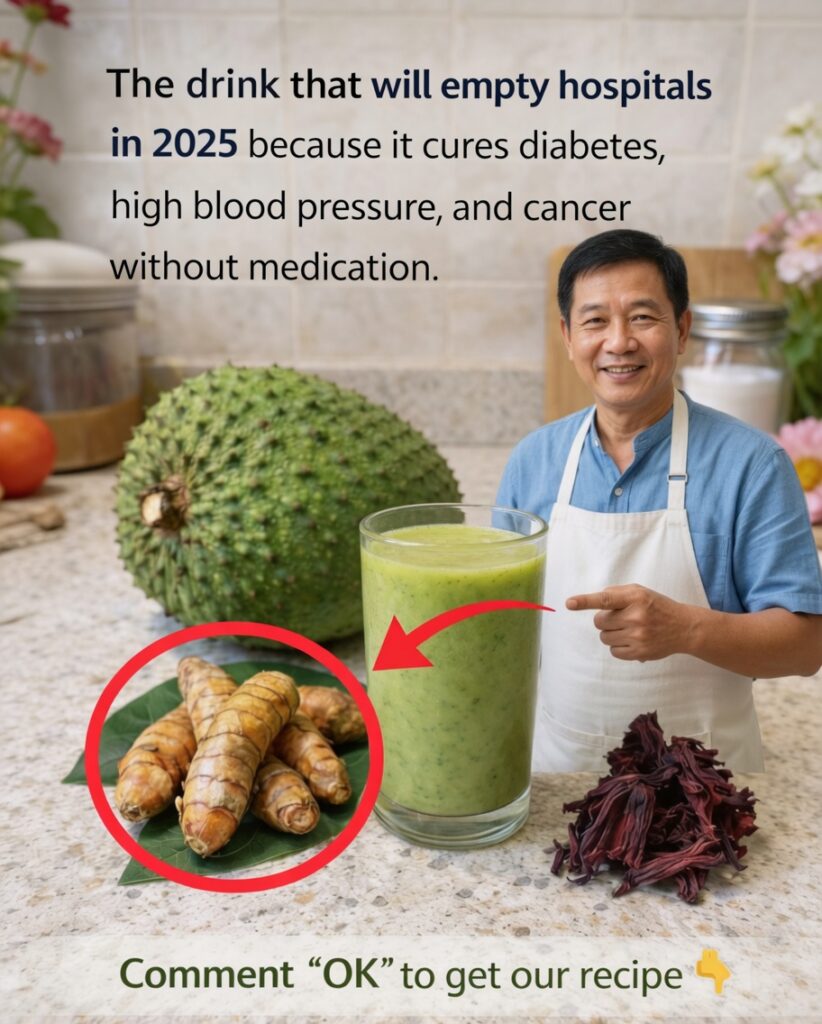
Every year, social platforms explode with a new “miracle” beverage said to deliver instant, life-changing results. Lately, a colorful blend made with soursop (graviola/guanabana), turmeric, and hibiscus has gone viral—sometimes with dramatic suggestions that it could boost wellness so much that hospitals would see fewer patients. Posts often credit it with major gains in energy, better blood sugar control, and improved heart health.
The enthusiasm makes sense: many people want natural, accessible ways to feel better. Still, the most extreme claims often go well beyond what solid research supports. Below is a grounded look at what this trending drink contains, what science actually suggests about its potential benefits, and how to enjoy it safely with realistic expectations.
What Is the Trending Soursop, Turmeric, and Hibiscus Drink?
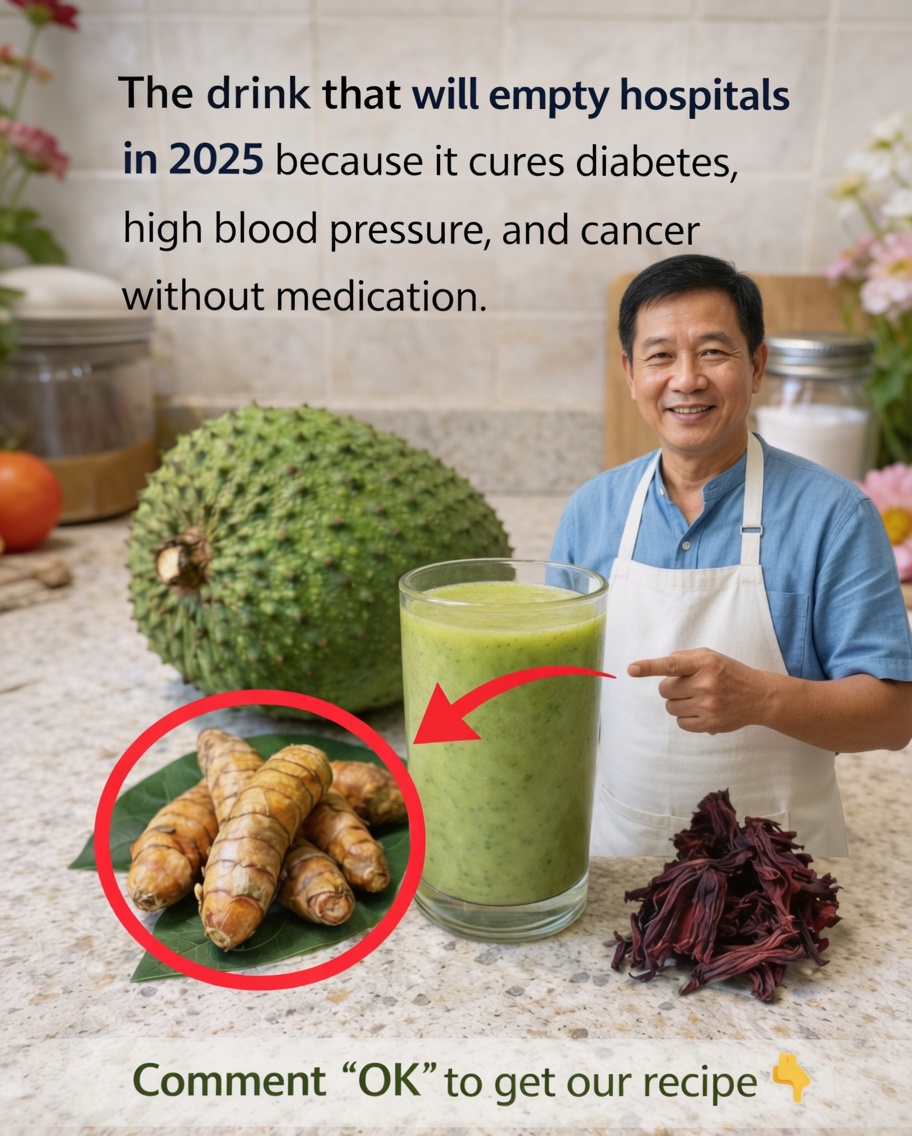
Most versions of this wellness drink combine three main ingredients:
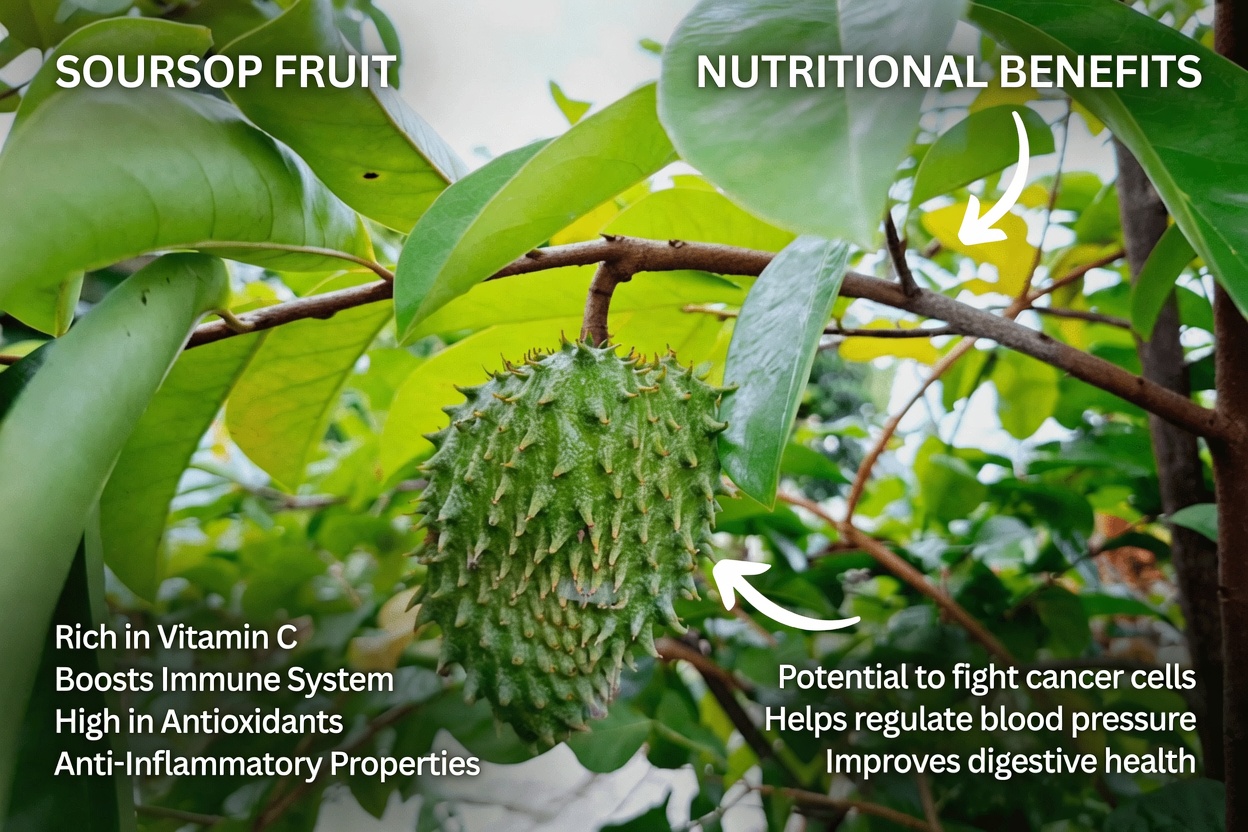
- Soursop: A tropical fruit known for vitamin C, fiber, and a range of antioxidants.
- Turmeric: The bright yellow root that contains curcumin, widely studied for anti-inflammatory activity.
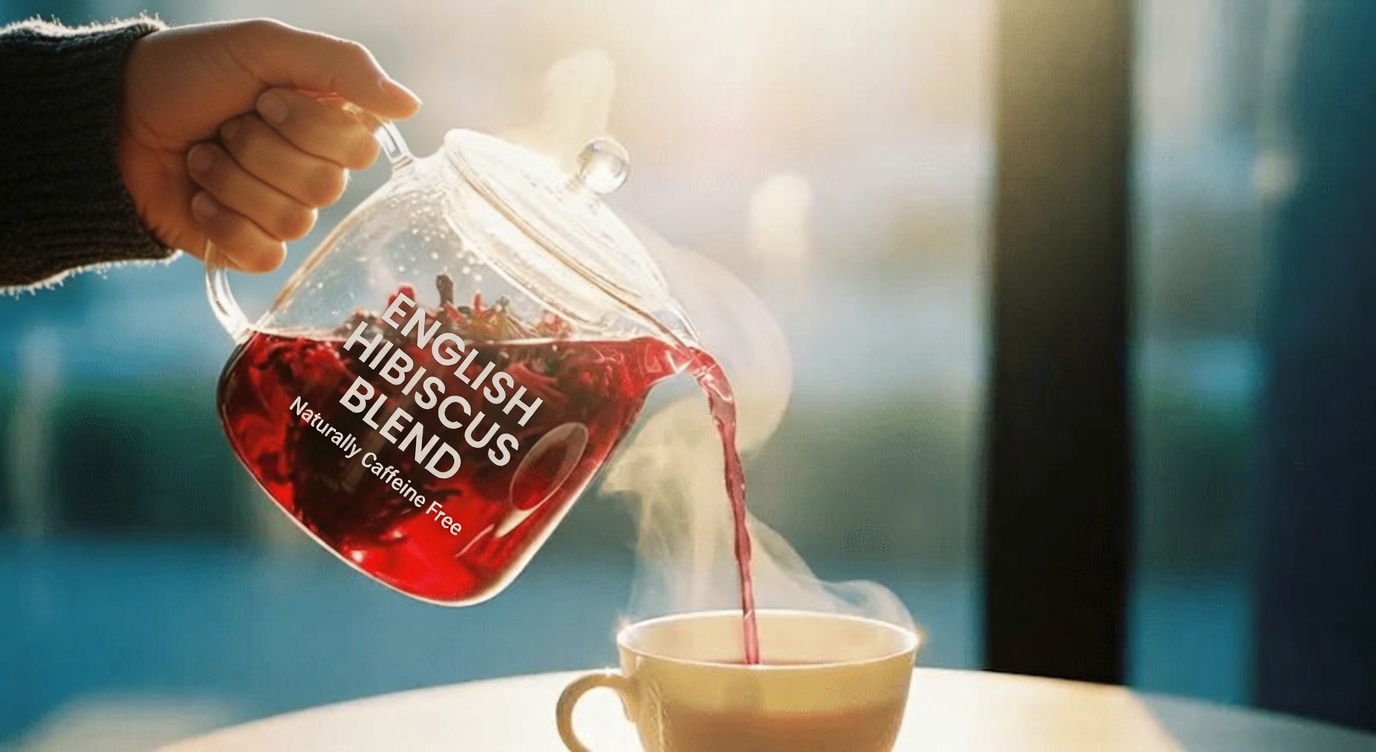
- Hibiscus: Often steeped into a tangy, ruby-red tea; researched for potential cardiovascular support, especially blood pressure.
Common add-ins include:
- Ginger (for heat and digestion-friendly flavor)
- Lemon (for acidity and freshness)
- Honey (for mild sweetness)
Blended together, it becomes a refreshing, plant-forward beverage that can be relatively low in added sugar and rich in naturally occurring plant compounds. However, mixing healthy ingredients does not create a “super formula” that replaces medical care or guarantees dramatic results.
Could It Help Support Blood Sugar Balance?
Blood sugar management is a top concern for people with prediabetes and type 2 diabetes. Online claims sometimes imply this drink can “normalize” blood glucose or reduce the need for other interventions.
What research suggests is more nuanced:
- Curcumin (from turmeric) has been studied for its potential to support insulin sensitivity and markers of metabolic health, particularly when used alongside broader lifestyle changes.
- Hibiscus and soursop contribute antioxidants that may help reduce oxidative stress, which is often discussed in relation to metabolic challenges.
- A consistent plant-rich dietary pattern is strongly associated with better long-term metabolic outcomes—more than any single beverage.
Even so, no drink can replace:
- Medical guidance
- Regular monitoring
- Evidence-based treatment plans (when needed)
Foundations still matter most: balanced meals, consistent movement, sleep quality, and sustainable habits.
How It May Relate to Blood Pressure and Heart Support
Among the three ingredients, hibiscus has the strongest body of evidence in this area. Multiple systematic reviews and meta-analyses of randomized trials indicate that regular hibiscus tea may produce modest reductions in blood pressure, especially systolic blood pressure in people starting with elevated readings.
Some analyses report effects that resemble certain lifestyle approaches, with larger improvements often observed in participants with higher baseline blood pressure. Meanwhile:
- Turmeric’s anti-inflammatory profile and overall antioxidant intake may indirectly support vascular function (for example, through effects on endothelial health).
- Hydration and reduced intake of sugary drinks may further support cardiovascular goals.
These findings are promising as supportive nutrition—not as a substitute for prescribed medications or clinician oversight. Changing or stopping treatment because of a viral drink is not supported by evidence and could be dangerous.
The Biggest Myth: Cancer “Cures” and Disease Claims
The most serious misinformation around this blend involves cancer prevention or treatment. In laboratory research, certain soursop compounds (including acetogenins) and curcumin have been explored for possible effects on cellular pathways under controlled conditions.
However, it’s critical to understand what that means:
- Many of these findings come from test-tube or animal studies
- There is no reliable evidence from human clinical trials showing this drink can prevent, treat, or cure cancer
A nutrient-dense diet can support overall resilience and general wellness, but claims that it can replace conventional care are misleading. Anyone undergoing treatment should discuss diet and supplements with a qualified healthcare provider.
Why This Drink Still Has Real Value (Without the Hype)
Even though the “miracle” narrative is exaggerated, this soursop turmeric hibiscus drink can be a smart wellness choice when used appropriately:
- Antioxidant-rich ingredients that support the body’s defense against everyday oxidative stress
- Anti-inflammatory potential, largely associated with curcumin and other plant compounds
- Great hydration with flavor, making it easier to skip sugary beverages
- Plant-forward nutrition, aligning with heart-friendly and anti-inflammatory eating patterns
Evidence-informed highlights by ingredient
- Soursop: Provides vitamin C and fiber; early research explores possible digestive and blood pressure support, but human evidence is limited.
- Turmeric (curcumin): Studied for inflammation and insulin sensitivity; absorption improves when combined with fat and/or black pepper (piperine).
- Hibiscus: Linked to modest blood pressure improvements in meta-analyses; also contains polyphenols and vitamin C.
A Practical, Safer Way to Make and Enjoy It
If you want to try a balanced version at home, here’s a simple approach:
- Brew hibiscus tea: Steep dried hibiscus calyces (about 1–2 tablespoons per cup) in hot water for 10–15 minutes. Cool.
- Add soursop: Blend in fresh soursop pulp (about ½ fruit, seeds removed). If soursop is hard to find, use pineapple or mango for a similar texture.
- Add turmeric: Use about 1 inch fresh turmeric (peeled) or ½ teaspoon turmeric powder.
- Optional: add ½ inch ginger and a squeeze of lemon.
- Blend until smooth; strain if you prefer a lighter texture. Dilute with water to taste.
- Enjoy chilled or warm. Start with about 1 cup per day, ideally alongside meals.
Tip: This drink works best as part of a bigger routine—balanced eating, regular activity, and periodic check-ups.
The Bottom Line
This viral soursop–turmeric–hibiscus blend won’t “empty hospitals,” and it isn’t a cure for diabetes, hypertension, cancer, or any serious condition. It also should not replace medications, treatment plans, or professional medical advice.
What it can do is add more plant nutrients to your day, support hydration, and provide a flavorful alternative to high-sugar drinks. Sustainable health comes from consistent habits—not a single trending recipe.
Frequently Asked Questions
Is it safe to drink this blend daily?
For most people, yes—in moderation. Start with a smaller amount to assess tolerance. If you take medications or manage a health condition, use extra caution: hibiscus may interact with some blood pressure medications.
Can I use powders instead of fresh ingredients?
Yes. Dried hibiscus and turmeric powder are convenient and effective. For soursop, frozen pulp or prepared blends can work when fresh fruit isn’t available.
Does black pepper really improve turmeric benefits?
It can. Piperine (in black pepper) may enhance curcumin absorption, so a small pinch is often used when turmeric is part of a drink or meal.
Disclaimer: This article is for informational purposes only and does not replace professional medical advice, diagnosis, or treatment. Always consult a qualified healthcare provider before changing your diet or routine, especially if you have a medical condition or take medications.