
Cloves: Benefits, Risks, and How to Use Them Safely
Cloves are prized around the world for their rich, warming scent and their long-standing role in both cooking and traditional home care. Because they’re a natural spice, many people assume cloves are automatically safe in any amount. In reality, cloves contain eugenol—a highly active compound that can cause unwanted side effects when taken in large quantities, used too frequently, or consumed in concentrated forms such as essential oil.
Most people tolerate small culinary amounts well. However, research summaries from reputable health sources (including WebMD and NCBI) suggest that higher doses may irritate tissues, interfere with blood clotting, or place extra stress on certain organs. Knowing these less-discussed risks helps you enjoy cloves responsibly—without accidental harm.
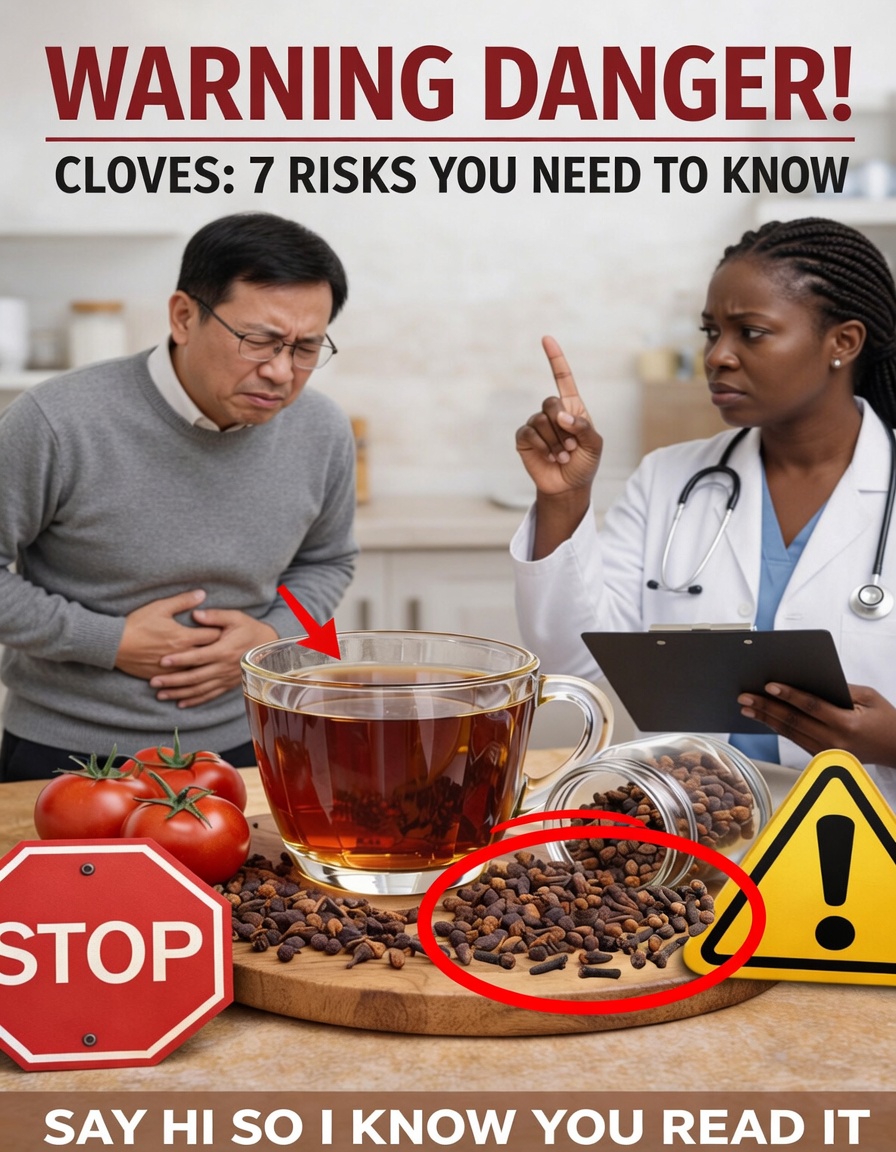
Why Cloves Can Trigger Side Effects
Cloves owe many of their noticeable effects to eugenol, which makes up a significant portion of the spice. Eugenol can influence several systems in the body, including digestion, circulation, liver processing, and the nervous system. In small amounts, this potency is usually not a concern. But when intake becomes excessive—or when eugenol is taken in concentrated forms—its strength can shift from helpful to problematic.
Below are the key concerns that often surprise regular clove users.
1. Stomach Irritation and Digestive Discomfort
Overconsumption of cloves can lead to heartburn, nausea, bloating, or stomach pain, especially if taken on an empty stomach. The reason is simple: eugenol may irritate the stomach lining, particularly in people with sensitive digestion.
If you have acid reflux (GERD) or a “delicate” gut, even moderate clove tea or frequent clove-heavy remedies may feel too harsh.
2. Possible Liver Stress (Especially with Concentrated Oil)
Your liver helps metabolize compounds like eugenol. While typical culinary use is considered low-risk, high or prolonged exposure—most notably through clove essential oil—can increase strain. Reports referenced by resources such as LiverTox (NCBI) indicate that overdose cases involving clove oil have been associated with liver stress.
People with existing liver conditions should be especially cautious with any concentrated clove products.

3. Blood-Thinning Effects and Bleeding Risk
Eugenol may slow blood clotting, creating a mild anticoagulant-like effect. This matters if you take:
- Prescription blood thinners
- Aspirin
- Certain cardiovascular medications
Using cloves alongside these may raise the likelihood of easy bruising or bleeding, a concern also discussed in consumer medical references such as WebMD. If you’re on these medications or have a bleeding disorder, professional guidance is essential.
4. Blood Sugar Changes (A Concern for People with Diabetes)
Some evidence suggests cloves may support lower blood glucose in certain individuals. That may sound beneficial, but it can become risky if blood sugar drops too far—especially for people who use insulin or other glucose-lowering medications. Potential symptoms include:
- Dizziness
- Shakiness
- Weakness
- Confusion
If you have diabetes, it’s best to monitor closely and avoid making clove remedies a daily habit without medical input.
5. Mouth and Gum Sensitivity from Direct Use
Chewing whole cloves or placing clove material directly against the gums can cause:
- Burning sensation
- Numbness
- Tongue irritation
- Gum soreness over time
This is one reason dental products that contain eugenol can sometimes cause localized discomfort. “Natural” does not always mean gentle—especially with repeated contact.
6. Rare (But Possible) Allergic Reactions
Although uncommon, clove sensitivity can occur. Signs may include:
- Itching or rash
- Swelling around the lips or mouth
- Irritation after contact or ingestion
These reactions may be linked to eugenol or related aromatic compounds. If you’ve reacted to other strong spices, start with very small amounts.

7. Pregnancy Precautions
High clove intake is generally not recommended during pregnancy. Limited data is available, but there is concern that eugenol may have stimulating properties that could potentially influence uterine activity. The safest approach is to keep cloves at normal food-level use and consult your healthcare provider for personalized advice.
8. Medication Interactions Beyond Blood Thinners
Cloves may also overlap with medications used for:
- Diabetes management
- Heart conditions
- Liver-related support
Because eugenol can influence clotting and may affect how the body processes certain compounds, it could potentially change how some medications perform. A quick check with a doctor or pharmacist can prevent avoidable complications.
9. The Biggest Risk: Clove Essential Oil
Clove essential oil is far more concentrated than the spice. Swallowing even small amounts of undiluted oil has been linked to serious problems, including:
- Toxicity
- Nervous system effects
- Severe irritation
This is especially dangerous for children. Clove oil should not be ingested without expert supervision, and if used topically, it must be properly diluted.
Safe Ways to Use Cloves Daily
Cloves can still be part of a healthy routine when used with moderation. Practical safety tips include:
- Use small culinary amounts: About 1–2 whole cloves or ¼–½ teaspoon ground cloves in food per day.
- Keep “remedy” use short-term: Strong clove teas or concentrated preparations should be limited to roughly 7–10 days.
- Brew a mild tea: Steep just a few clove buds, not a large handful.
- Avoid high-risk situations: Use extra caution if pregnant, taking blood thinners, or managing diabetes without medical guidance.
- Prefer food over oils: Culinary cloves are typically much safer than essential oil use.
Conclusion
Cloves offer bold flavor and a strong cultural tradition—but they’re also potent. The key is balance: small amounts in cooking are usually safe, while excessive intake or concentrated products can increase the risk of side effects. With mindful use, you can enjoy cloves’ warmth and aroma while protecting your health.
FAQ
Are cloves safe to use every day in cooking?
Yes. For most people, small culinary amounts (a pinch in recipes) are generally safe and unlikely to cause problems.
Can clove tea support digestion without side effects?
A mild clove tea made with 1–2 buds may feel soothing for some people. Start small, and avoid it if you have stomach sensitivity or take medications that may interact.
Is clove oil a safe home remedy for tooth pain?
Diluted clove oil is traditionally used for minor oral discomfort, but apply sparingly and stop if irritation occurs. Do not swallow undiluted clove oil, and see a dentist for persistent pain.
Disclaimer
This article is for informational purposes only and does not provide medical advice. Always consult a qualified healthcare professional before changing your diet or using herbal remedies—especially if you have health conditions or take medications.