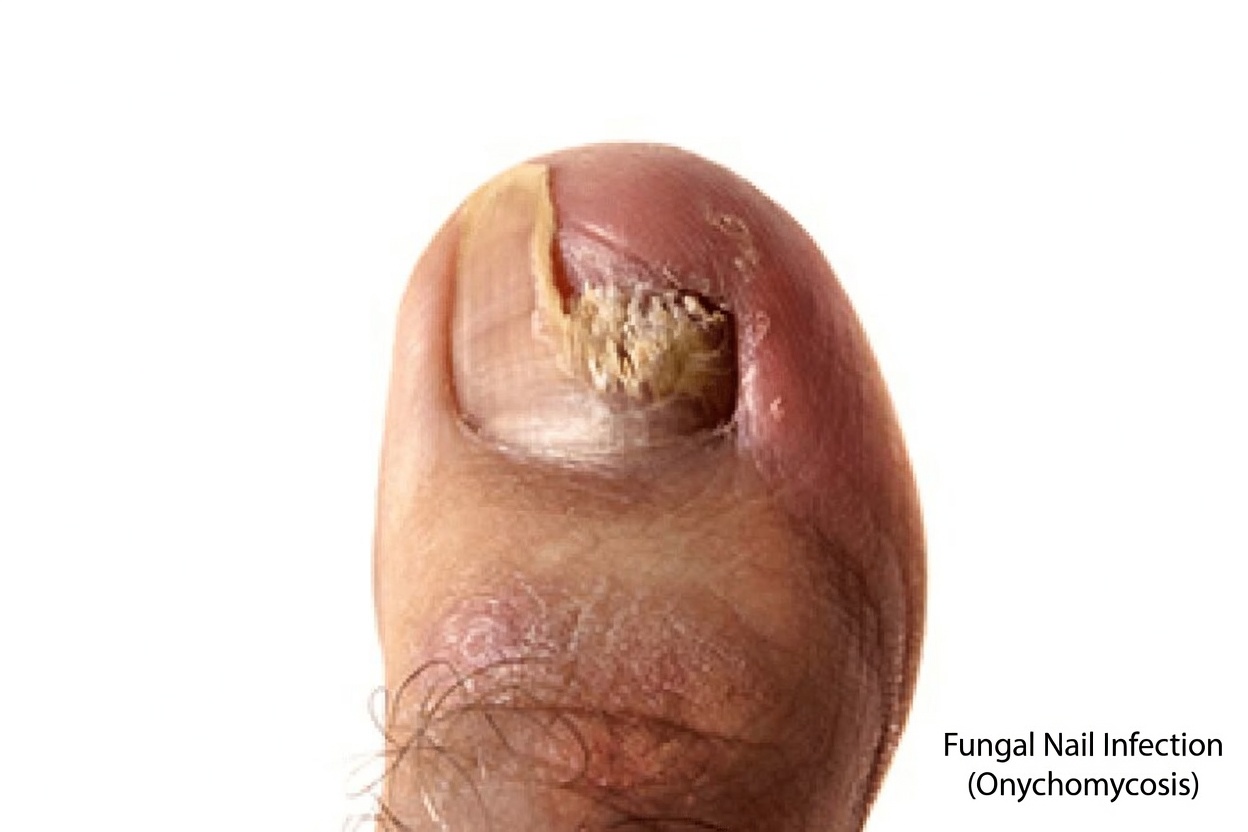
Toenail fungus can transform healthy nails into ones that look yellowed, thickened, and fragile, which often makes people reluctant to show their feet. Many end up hiding their toes in closed-toe shoes—even in warm weather—while mild discomfort and appearance concerns quietly chip away at everyday confidence. Because of this, plenty of people explore simple home options such as apple cider vinegar for toenail fungus support, especially as part of a gentle, consistent routine.

Understanding Toenail Fungus and How It Affects Daily Life
Toenail fungus is extremely common and often begins with a small white or yellow mark beneath the nail. Without proper care, the infection may progress, leading to classic toenail fungus symptoms like thickening, crumbling edges, and a rough, uneven surface. These visible changes can make everyday moments—like wearing sandals or flip-flops—feel surprisingly stressful.
Fungus tends to thrive in warm, damp environments, which is why it can persist when feet stay moist after showers, swimming, or workouts. Living with it day after day can be frustrating, but many people look into apple cider vinegar for toenail fungus as a mild, at-home approach.
Why Apple Cider Vinegar Is a Popular Home Option
Apple cider vinegar (ACV) contains acetic acid, which creates an acidic environment. Laboratory research has suggested that acidic conditions may help limit the growth of certain fungi in controlled settings—one reason ACV has become a widely discussed natural option.
Supporters also point out that ACV’s low pH may help maintain the skin’s natural protective environment around the nail. Many people specifically choose raw, unfiltered apple cider vinegar with “the mother,” believing its natural compounds add extra value, even though results can vary from person to person.
While the science around acetic acid has been explored in dermatology and mycology contexts, it’s important to remember that home care outcomes differ widely. Still, many like ACV because it’s budget-friendly, easy to find, and simple to use.

Practical Ways to Use Apple Cider Vinegar for Toenail Fungus
Below are three common methods people try when using apple cider vinegar for toenail fungus at home.
Method 1: Apple Cider Vinegar Foot Soak
A soak is one of the most popular approaches because it’s simple and can be relaxing.
What you need
- 1 part apple cider vinegar
- 1 part warm water
How to do it
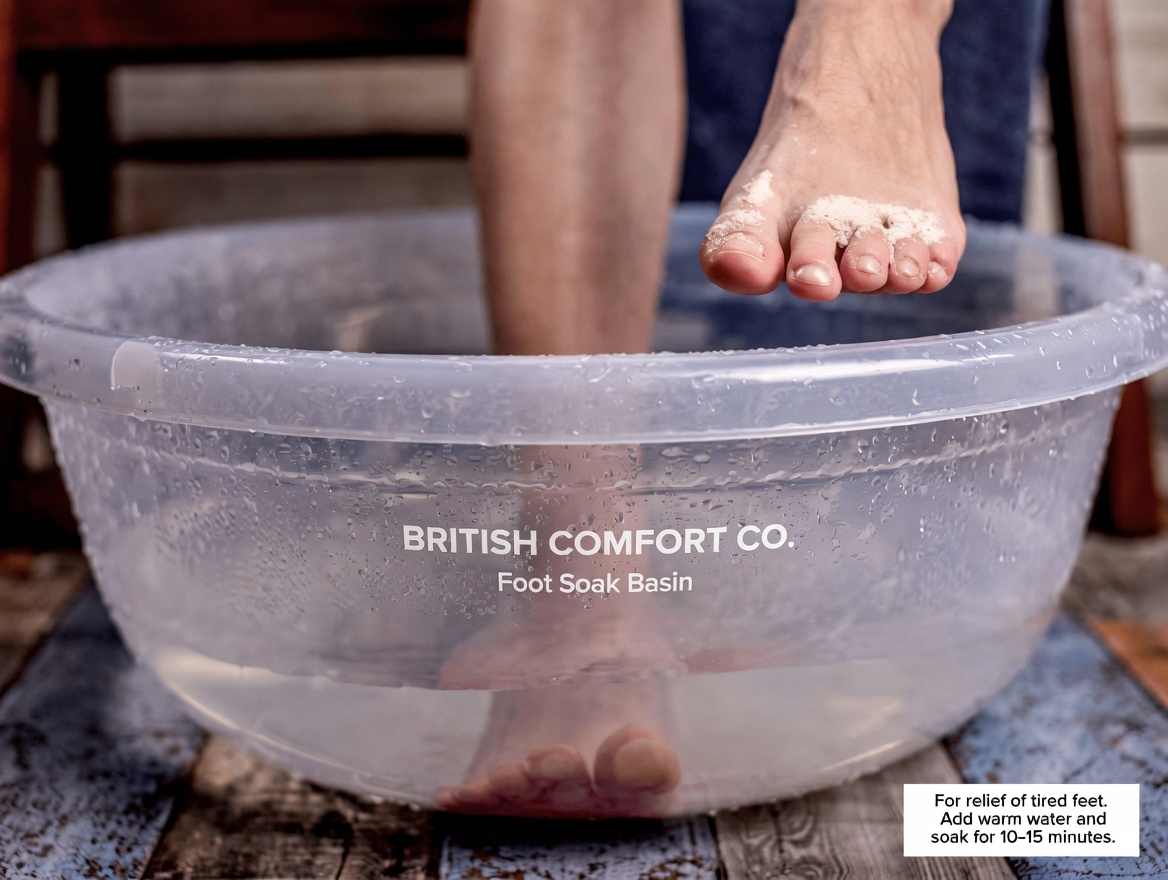
- Combine equal amounts of apple cider vinegar and warm water in a basin large enough for your feet.
- Soak the affected toes for 15–20 minutes.
- Dry your feet completely afterward—especially around the toes.
Regular soaking may help the solution reach areas where fungus can linger around and under the nail. Consistency matters most, and many people only notice change after steady daily use.
Method 2: Apple Cider Vinegar + Baking Soda Paste
For a more targeted application, some people combine ACV with baking soda for a gentle, scrub-like effect.
What you need
- 1 tablespoon apple cider vinegar
- Baking soda (enough to make a paste)
How to do it
- Stir in baking soda slowly until the mixture becomes spreadable.
- Apply a thin layer to the affected nail and nearby skin.
- Leave on for 10–15 minutes.
- Rinse well and dry thoroughly.
This method is often chosen for thicker nails, where people want both direct contact and mild surface cleansing.
Method 3: Apple Cider Vinegar + Coconut Oil Blend
Coconut oil is commonly used to moisturize dry skin and is also frequently mentioned for its potential antifungal support.
What you need
- 1 teaspoon apple cider vinegar
- 1 teaspoon virgin coconut oil
How to do it
- Mix the two ingredients.
- Massage into the nail, cuticle, and surrounding skin.
- Leave on for at least 30 minutes, or overnight with clean cotton socks.
- Wash off in the morning and dry your feet well.
The oil can help reduce dryness and irritation while keeping the area more comfortable during long-term routines.
Daily Habits That Help ACV Routines Work Better
Using apple cider vinegar for toenail fungus tends to be more effective when paired with solid hygiene and moisture control. Helpful habits include:
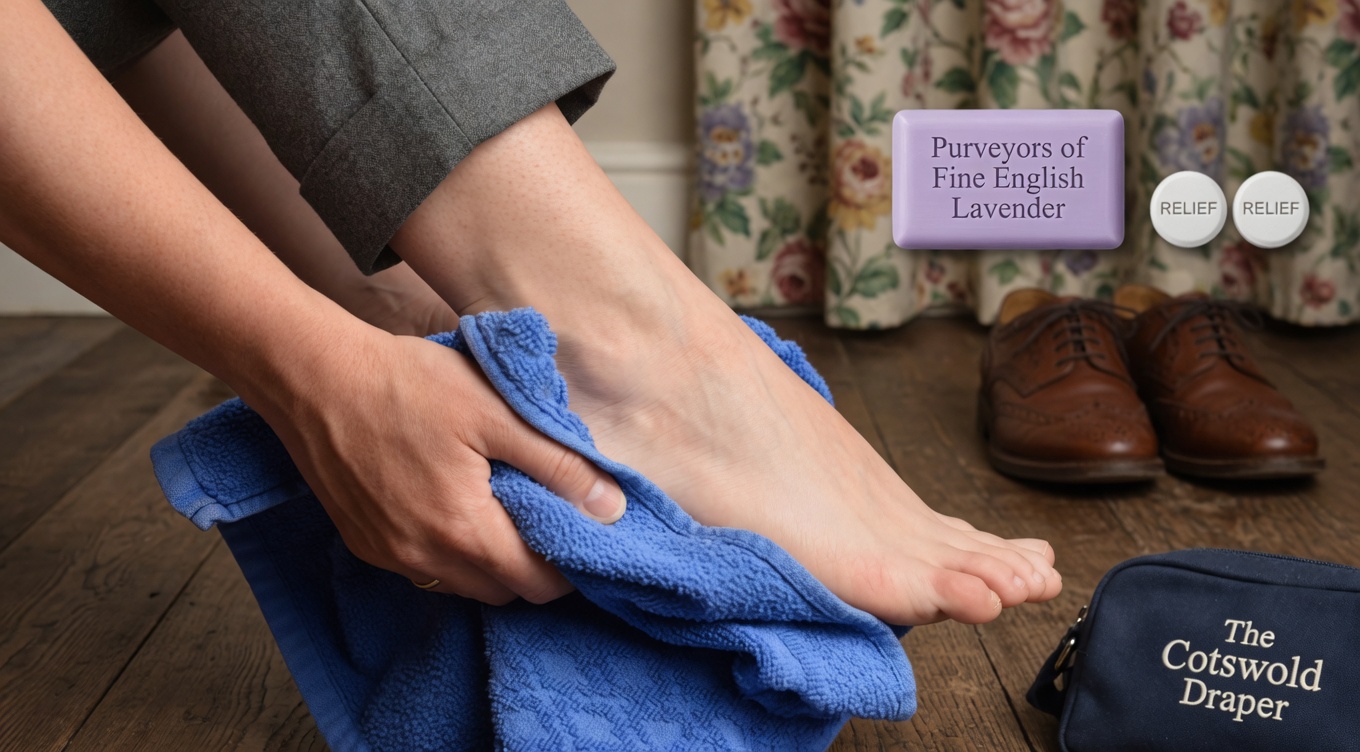
- Dry your feet completely, especially between the toes after bathing or any treatment
- Wear breathable footwear, such as mesh shoes or open-toe options when appropriate
- Trim nails straight across to reduce corners where debris and fungus may collect
- Use clean towels daily to avoid reintroducing fungal spores
- Rotate shoes so each pair has time to air out fully
Small, repeatable steps like these can make a meaningful difference over time.
Timeline: What Results Can Realistically Look Like
Toenails grow slowly—roughly 1 mm per month—so changes are rarely fast. Even with consistent use, visible improvement from apple cider vinegar for toenail fungus may take weeks to months, especially if the nail is significantly thickened.
If the nail becomes increasingly painful, the discoloration spreads, or the infection worsens, it’s best to speak with a healthcare professional promptly.
Conclusion
Apple cider vinegar is an accessible, low-cost option that many people explore to support nail health at home. Whether you choose a soak, a paste, or an oil blend, combining ACV with good foot hygiene and moisture control gives you a practical routine to try. Results vary, but for many, the simplicity and affordability of apple cider vinegar for toenail fungus make it worth considering.
FAQ
How long should I use apple cider vinegar for toenail fungus?
Many people apply it daily for 3–6 months or longer, because toenails grow slowly and changes typically appear gradually.
Can I use regular vinegar instead of apple cider vinegar?
White vinegar also contains acetic acid and is sometimes used similarly. However, many prefer apple cider vinegar due to its additional natural compounds, especially when using raw, unfiltered ACV.
Is apple cider vinegar safe for everyone?
ACV is generally used topically, but it can irritate sensitive skin. Do a patch test first, avoid use on open cuts or sores, and consult a clinician if you have diabetes, poor circulation, or neuropathy.