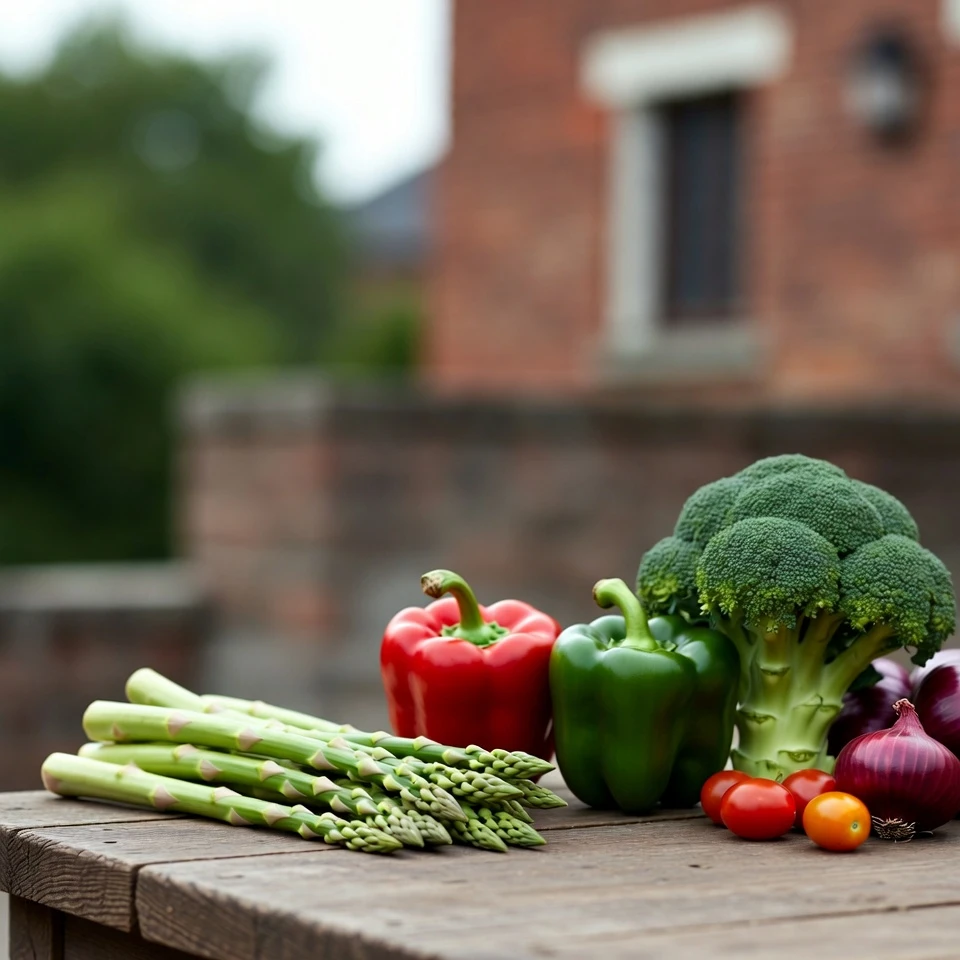
Millions of adults in the United States are living with diabetes or prediabetes, and the day-to-day reality can be exhausting: inconsistent energy, post-meal crashes, and ongoing worries about long-term complications. Even with medication, carb tracking, or strict diet rules, many people still feel stuck.
One practical, research-supported step is to eat more nutrient-dense, low-glycemic, non-starchy vegetables. These options are generally budget-friendly, easy to cook, and rich in fiber, antioxidants, and minerals that can help support steadier blood sugar as part of an overall balanced lifestyle.
Below, you’ll find a ranked list of the top 10 vegetables for blood sugar support, selected for their low glycemic index (GI), fiber content, and bioactive compounds linked to insulin sensitivity and metabolic health—plus simple ways to add them to everyday meals.
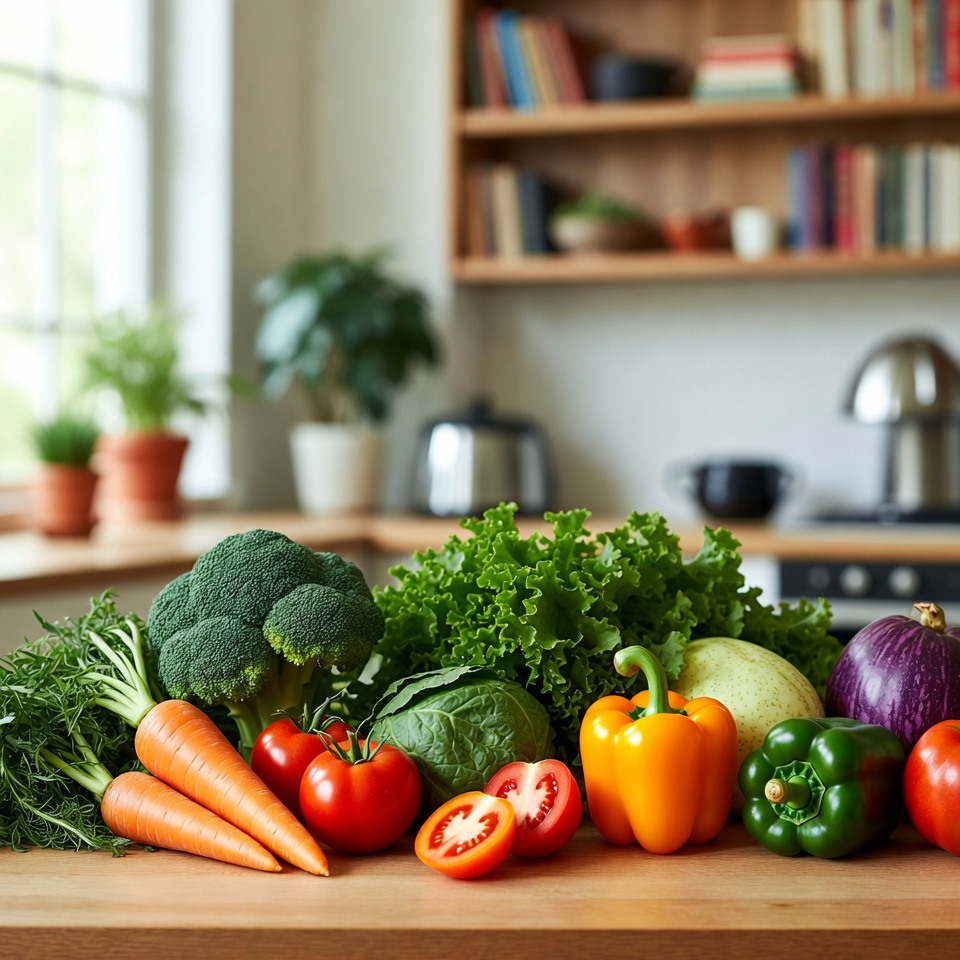
Why Vegetables Help Stabilize Blood Sugar
Blood sugar control often becomes more challenging with age due to shifts such as:
- Lower muscle mass, which reduces glucose storage capacity
- Higher inflammation, which may worsen insulin resistance
- Changes in gut health, affecting how the body processes carbs
Multiple studies link diets higher in non-starchy vegetables—especially leafy greens and cruciferous vegetables—with improved glycemic control and a reduced risk of type 2 diabetes. These vegetables tend to be:
- Low in digestible carbohydrates
- High in fiber, helping slow glucose absorption after meals
- Rich in magnesium, potassium, and polyphenols, which support healthy insulin signaling
Not every vegetable impacts blood sugar the same way. The strongest choices typically combine:
- Very low GI (often under ~20–30)
- Soluble fiber
- Unique protective compounds (such as glucosinolates, anthocyanins, or carotenoids)
A common guideline echoed by organizations such as the American Diabetes Association (ADA) is to fill about half your plate with non-starchy vegetables, reducing overall glycemic load without feeling deprived.
Top 10 Vegetables for Better Blood Sugar Balance (Ranked)
1. Broccoli (GI ~15) — The Cruciferous Standout
Broccoli ranks first thanks to sulforaphane, a compound studied for its role in reducing oxidative stress and supporting insulin sensitivity. Human research on broccoli sprout preparations suggests potential improvements in fasting glucose for some individuals. Its fiber content also helps slow digestion and post-meal glucose rise.
- Best ways to eat it: Lightly steam or roast 1–2 cups; add to soups, grain bowls, or stir-fries.
2. Spinach (GI ~15) — Magnesium-Packed Leafy Green
Spinach is rich in magnesium, a mineral closely tied to insulin function and glucose metabolism. It also contains beneficial antioxidants (including lutein). Higher intake of leafy greens is associated in observational research with meaningfully lower type 2 diabetes risk.
- Best ways to eat it: Use 2–3 cups raw in salads or smoothies, or quickly sauté as a side dish.
3. Kale (GI ~15) — Fiber + Powerful Antioxidants
Kale offers an impressive mix of fiber and antioxidant compounds (including carotenoids). Like other leafy greens, it supports a lower glycemic load while adding volume and satiety to meals.
- Best ways to eat it: Massage into salads, blend into smoothies, or bake into crispy kale chips.
4. Brussels Sprouts (GI ~15) — Fiber-Rich and Sulfur-Containing
Brussels sprouts contain glucosinolates, which are linked to protective metabolic effects, along with fiber that can help reduce post-meal glucose spikes. Research on cruciferous vegetable intake also ties these foods to improved inflammation markers.
- Best ways to eat it: Roast 1–2 cups with olive oil, pepper, and garlic for a naturally sweet flavor.
5. Bitter Melon (Very low GI) — Traditional Glucose Support
Bitter melon is known for compounds such as polypeptide-p, studied for insulin-like activity. Some clinical studies in prediabetes and type 2 diabetes suggest it may help reduce fasting blood glucose when used consistently (results vary by person and preparation).
- Best ways to eat it: Start small (about 2 oz), stir-fry or add to curries; cooking helps soften the bitterness.
6. Okra (GI ~20) — Soluble Fiber That Slows Absorption
Okra’s signature “gel” is mucilage, a type of soluble fiber that may slow carbohydrate absorption. Meta-analyses of clinical research report improvements in fasting blood glucose among people with diabetes or prediabetes when okra is used regularly.
- Best ways to eat it: Add to stews and soups, or slice and soak overnight (some people drink the infused water).
7. Red Cabbage (Low GI) — Anthocyanin-Rich Protection
The deep purple color of red cabbage signals anthocyanins, antioxidants associated with reduced inflammation and improved insulin resistance in preclinical research. Combined with fiber, red cabbage is a strong choice for steady glucose support.
- Best ways to eat it: Shred into slaws, sauté for stir-fries, or add to wraps and salads.
8. Tomatoes (Very low GI) — Lycopene for Metabolic Health
Tomatoes provide lycopene, studied for cardiovascular and metabolic support, including endothelial health—an important consideration for people managing diabetes. Their low GI makes them easy to include without triggering spikes.
- Best ways to eat it: Enjoy 1–2 tomatoes daily fresh, or use tomato-based sauces with minimal added sugar.
9. Green Beans (Very low GI/GL) — Easy Volume Without the Spike
Green beans are low-impact, fiber-containing vegetables with helpful plant compounds (including flavonoids) that support oxidative balance. Their low glycemic load makes them ideal for adding volume to meals.
- Best ways to eat it: Steam, roast, or sauté with olive oil and herbs.
10. Asparagus (Low GI) — Chromium + Folate Support
Asparagus provides chromium (involved in glucose utilization) and folate, plus a nutrient profile that supports overall cardiometabolic health. Some studies link asparagus intake to favorable effects on insulin-related markers.
- Best ways to eat it: Grill or steam 6–8 spears per serving; finish with lemon and olive oil.
Quick Comparison Table: GI, Benefits, and Easy Daily Ideas
| Rank | Vegetable | Approx. GI | Blood Sugar-Friendly Benefit | Key Compound | Simple Daily Use |
|---|---|---|---|---|---|
| 1 | Broccoli | ~15 | Supports insulin sensitivity | Sulforaphane | Steam ~2 cups |
| 2 | Spinach | ~15 | Magnesium supports glucose handling | Alpha-lipoic acid (plus antioxidants) | 2–3 cups in salads/smoothies |
| 3 | Kale | ~15 | Fiber supports slower absorption | Carotenoids | Chips or smoothies |
| 4 | Brussels sprouts | ~15 | Fiber + anti-inflammatory potential | Glucosinolates | Roast 1–2 cups |
| 5 | Bitter melon | Very low | May support glucose regulation | Polypeptide-p | Stir-fry small portions |
| 6 | Okra | ~20 | Soluble fiber slows carb uptake | Mucilage (soluble fiber) | Add to stews/soak slices |
| 7 | Red cabbage | Low | Antioxidant support for insulin resistance | Anthocyanins | Slaws and stir-fries |
| 8 | Tomatoes | Very low | Supports vascular and metabolic health | Lycopene | 1–2 daily fresh or in sauces |
| 9 | Green beans | Very low | Low glycemic load, high volume | Flavonoids | Steam or sauté |
| 10 | Asparagus | Low | Supports glucose use and overall metabolism | Chromium + folate | Grill 6–8 spears |
A Simple 4-Week Plan to Build the Habit
-
Week 1: Prioritize broccoli and spinach
- Aim for about 2 cups daily (total, not necessarily each), and observe energy and post-meal comfort.
-
Week 2: Add kale and Brussels sprouts
- Work toward 1–2 cups per meal of non-starchy vegetables.
-
Week 3: Experiment with okra or bitter melon
- Start with small portions and find recipes you enjoy.
-
Week 4: Rotate all 10 vegetables
- Use the “half-plate vegetables” approach at most meals.
- Helpful tip: Light steaming cruciferous vegetables can help preserve beneficial compounds. Pair vegetables with protein and healthy fats to further support a steadier post-meal glucose response.
The Plate Method: A Daily Strategy That’s Easy to Follow
A widely used ADA-friendly approach is the plate method:
- Half the plate: non-starchy vegetables (like the list above)
- One quarter: lean protein
- One quarter: higher-fiber carbohydrates (as appropriate for your plan)
This structure can significantly reduce overall glycemic load while improving fullness, micronutrient intake, and long-term consistency.
Choose 2–3 vegetables from this list to start tomorrow, and build from there.
FAQ
Which vegetable is the easiest to eat every day?
Spinach and broccoli are often the most beginner-friendly: mild flavor, widely available, and easy to add to multiple meals.
Are these vegetables safe if I have kidney issues?
Some of these options can be high in potassium. If you have kidney disease or potassium restrictions, follow guidance from your clinician or a registered dietitian for personalized portion sizes.
How many vegetables should I eat per day?
General guidance (including USDA-style recommendations) often falls around 2–4 cups daily, depending on calorie needs. For blood sugar support, emphasize non-starchy vegetables and use the half-plate method when possible.
Medical Disclaimer
This article is for informational purposes only and does not replace medical advice. Consult your healthcare provider or a registered dietitian before changing your diet, especially if you have diabetes, take glucose-lowering medications, or manage other health conditions. Monitor blood sugar as recommended and discuss any dietary adjustments with your care team.