
Nearly 2 million Americans receive a cancer diagnosis every year. According to the American Cancer Society, as many as 40% of cases may be associated with modifiable factors—including diet, physical activity, alcohol intake, and other lifestyle choices. While no single food can prevent or cure cancer, eating more nutrient-dense fruits is a practical, everyday way to support overall wellness and potentially lower long-term risk through fiber, antioxidants, and protective plant compounds.
Confusing “superfood” trends can make healthy eating feel complicated. Yet some of the most helpful options are also the most affordable and widely available. What if two familiar fruits—often already in the kitchen—could help support oxidative balance, natural detox pathways, and cellular health? Below are the two fruits that repeatedly stand out in population research and lab studies, plus easy ways to add them to your routine.

Why Diet Matters More Than Ever for Long-Term Cancer Risk
Cancer typically develops over many years as cells accumulate damage from factors such as:
- Oxidative stress (free-radical damage)
- Chronic inflammation
- DNA changes and impaired cellular repair
- Exposure to toxins and reduced detox capacity over time
Aging can intensify several of these processes, including higher inflammation and slower detoxification. The American Cancer Society continues to highlight fruit- and vegetable-rich eating patterns as one of the most consistent, modifiable behaviors associated with lower incidence of certain cancers.
The challenge is that many adults still don’t meet daily produce recommendations, and broad advice like “eat more plants” doesn’t always tell people where to begin. The good news: everyday fruits can provide reliable, accessible nutritional support—without needing exotic ingredients or expensive supplements.
What Makes Certain Fruits Show Up in Research Again and Again
Across lab research and large population studies, scientists frequently focus on plant compounds that may help the body:
- Activate detoxification enzymes that neutralize potentially harmful substances
- Reduce oxidative stress via antioxidant activity
- Support a healthier inflammatory response
- Promote immune function and cellular repair
Some foods touch one pathway; fewer support several at once. In epidemiological findings, citrus fruits and melons repeatedly appear due to inverse associations with risks for cancers such as stomach, esophageal, lung, and colorectal (associations vary by study and population).
Fruit #1: Lemons — A Citrus Option Often Linked to Detox Support
Lemons are frequently discussed in nutrition research and integrative wellness because they offer a concentrated mix of beneficial compounds, including:
- Limonene (especially in the peel and to some extent the juice)
- Flavonoids such as hesperidin and naringenin
- Vitamin C
- Citric acid
These nutrients and phytochemicals have been connected in research to potential supportive effects such as:
- Helping the body support phase I and phase II liver detox enzymes
- Providing antioxidant protection against free-radical damage
- Contributing to a less favorable internal environment for certain harmful cellular changes
- Supporting inflammation balance
Observational research has associated regular citrus intake with lower risk of several cancers, including stomach, esophageal, pancreatic, and breast cancer (association does not prove causation). In lab and animal models, limonene has shown potential influence on tumor-related biological processes—one reason lemon peel and zest often receive attention.
A practical example: a woman in her 50s with strong family history concerns began using whole lemon more consistently (including a small amount of peel when organic and thoroughly washed). Over several months, she reported improvements in digestion and day-to-day energy, along with a greater sense of control in her routine.
If you rated your current detox-supporting habits from 1–10, lemons can be one of the simplest daily upgrades.

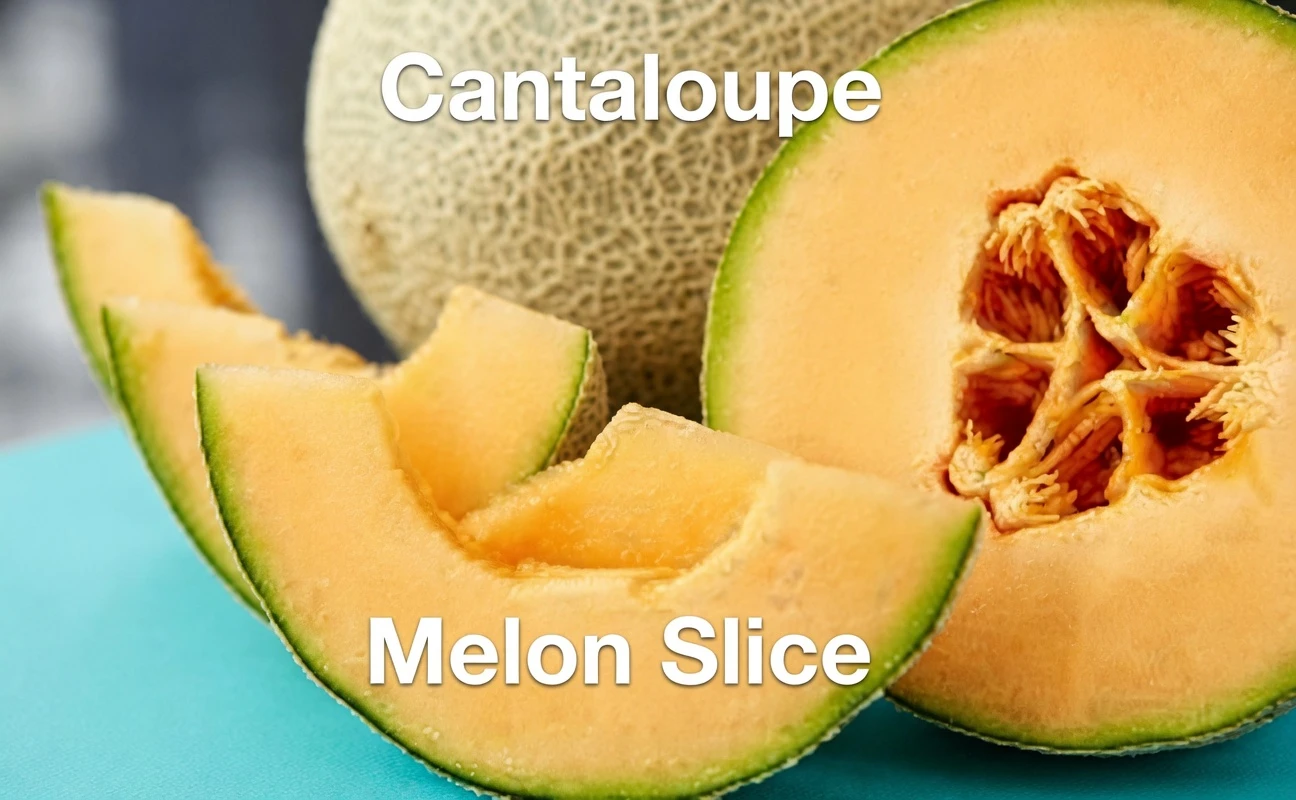
Fruit #2: Melons (Cantaloupe and Honeydew) — Hydration Plus Carotenoids
Melons are often treated as “just a refreshing snack,” but they deliver meaningful nutritional benefits, especially for people who struggle with hydration or fiber intake.
Key nutrients and compounds include:
- Beta-carotene (a precursor to vitamin A; especially notable in cantaloupe)
- Vitamin C
- Potassium
- High water content
- Cucurbitacins (found more in the rind and seeds; studied for biological activity)
Research links these melon components to supportive functions such as:
- Antioxidant activity that may help protect DNA (beta-carotene is a major focus)
- Supporting natural elimination via hydration plus fiber
- Lab-observed effects on cell growth signaling in certain experimental models
- Supporting immune function and inflammation balance
Epidemiological research often finds that higher intake of carotenoid-rich foods correlates with lower risk for cancers such as lung and colorectal, which may be particularly relevant for individuals with a smoking history or oxidative stress burden.
One example: a man in his late 50s dealing with digestive discomfort started eating about half a melon daily. He reported better regularity and less bloating, and subsequent check-ins reflected positive shifts in overall wellness markers.
If your current fruit variety scored 1–10, melons can help raise that number quickly—especially because they’re easy to eat consistently.
Quick Comparison: Lemons and Melons vs. Other Popular “Health Foods”
-
Lemons
- Key compounds: limonene, flavonoids, vitamin C
- Cost/access: very accessible and low cost
- Daily use: extremely easy (water, dressings, marinades)
- Research theme: observational links with certain cancer risks; strong phytochemical interest
-
Melons (cantaloupe/honeydew)
- Key compounds: beta-carotene, vitamin C, water, cucurbitacins
- Cost/access: widely available and affordable
- Daily use: very easy snack or smoothie base
- Research theme: carotenoid-rich patterns linked with lung/colorectal protection in population data
-
Broccoli
- Key compound: sulforaphane
- Research theme: strong detox enzyme support (well-studied)
-
Berries
- Key compounds: anthocyanins
- Research theme: antioxidant and vascular/inflammation support
-
Turmeric
- Key compound: curcumin
- Research theme: promising, but absorption (bioavailability) can be limiting
Practical Ways to Get the Most Benefit (Without Overcomplicating It)
-
Morning lemon water
- Squeeze one lemon into warm water.
- If organic and thoroughly washed, add a little fresh zest for more limonene.
-
Simple melon serving
- Eat ½ to 1 cup of fresh cantaloupe or honeydew mid-morning or as an afternoon snack.
- Slice close to the rind to keep more fiber-rich flesh.
-
Combined smoothie idea
- Blend frozen melon chunks with fresh lemon juice and a handful of greens (such as arugula) for an easy antioxidant boost.
-
Consistency over intensity
- Small daily habits matter more than occasional “perfect” days.
-
Synergy tip
- Pair fruit with other plant foods (especially cruciferous vegetables) to support multiple protective pathways.
When People Often Notice Changes
Individual results vary, but a realistic timeline many people report with consistent fruit intake includes:
- Days 1–14: improved hydration, digestion, and steadier energy
- Weeks 3–8: a general improvement in well-being and routine adherence
- Months 3–6: stronger habit formation; potential positive changes during routine health check-ins
- Year 1 and beyond: compounding benefits when combined with screenings and other healthy lifestyle choices
The core idea is consistency: lemons support detox-related pathways, while melons strengthen hydration and antioxidant defenses.
Final Thoughts: Two Small Daily Choices That Support Proactive Health
Imagine 90 days from now: more refreshed mornings, a clearer routine, and confidence that your daily choices support long-term wellness. Lemons and melons are simple, accessible, and enjoyable ways to increase protective plant compounds without major lifestyle disruption.
Try this starting tomorrow: lemon water in the morning and one serving of melon during the day. Track your “proactive health score” from 1–10 and see how it changes over time.
Medical disclaimer: This article is for informational purposes only and is not medical advice. No food alone prevents or treats cancer. Speak with a qualified healthcare professional before making dietary changes—especially if you have medical conditions, are undergoing treatment, or have a strong family history. Routine screenings and professional guidance remain essential.
FAQ
-
Can lemons and melons replace other cancer-prevention strategies?
No. They work best as part of a full approach: balanced diet, regular activity, no smoking, limited alcohol, healthy sleep, and recommended screenings. -
Is it safe to eat lemon peel?
If the lemon is organic and thoroughly washed, small amounts of zest can be used for extra limonene. Start with a little to avoid digestive discomfort. -
How much melon counts as a serving?
About 1 cup diced melon is a typical serving and is easy to fit into most daily routines.