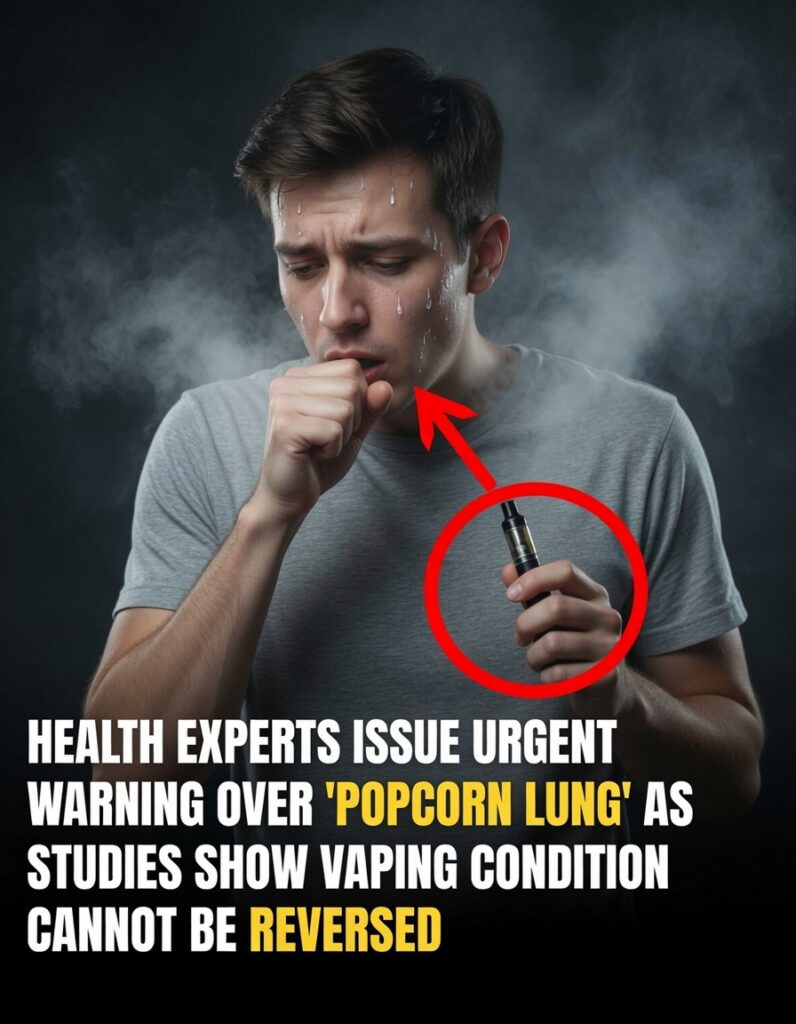
Many adults over 40 try vaping as a stepping-stone away from traditional cigarettes. However, growing conversations about vaping-related popcorn lung raise an important concern: a rare but serious condition that may contribute to long-lasting breathing problems. When your lungs feel compromised, even ordinary moments—walking upstairs, gardening, or keeping up with grandchildren—can become draining, frustrating, and stressful.
Understanding the potential connection between vaping and popcorn lung helps you make clearer, more confident choices about your respiratory health. Stay to the end for an unexpected, practical strategy that may help support healthier breathing habits.
What Is Popcorn Lung?
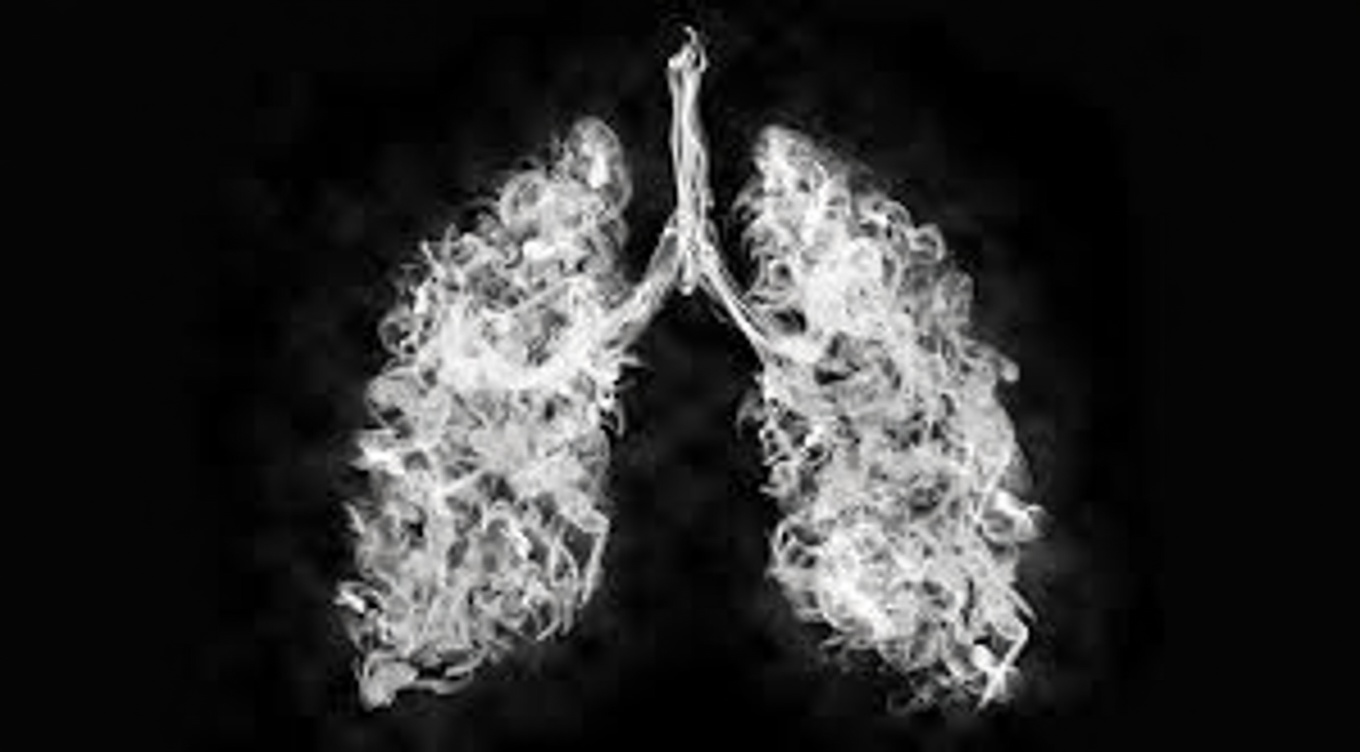
Popcorn lung is the everyday term for bronchiolitis obliterans, a rare disease that injures and scars the small airways (bronchioles) in the lungs. Over time, this scarring can narrow the air passages, making it harder to move air in and out—so even light activities can leave you feeling winded.
A key point experts emphasize is that the damage is considered irreversible. That means once the small airways are significantly scarred, treatment often focuses on managing symptoms, not fully restoring the lungs to their previous state.
The name “popcorn lung” originally came from workers in certain factories who developed similar lung injury after exposure to specific chemicals. Today, concerns have shifted toward inhaled chemicals in vapor, bringing the discussion into everyday life.
How Vaping May Be Linked to Popcorn Lung
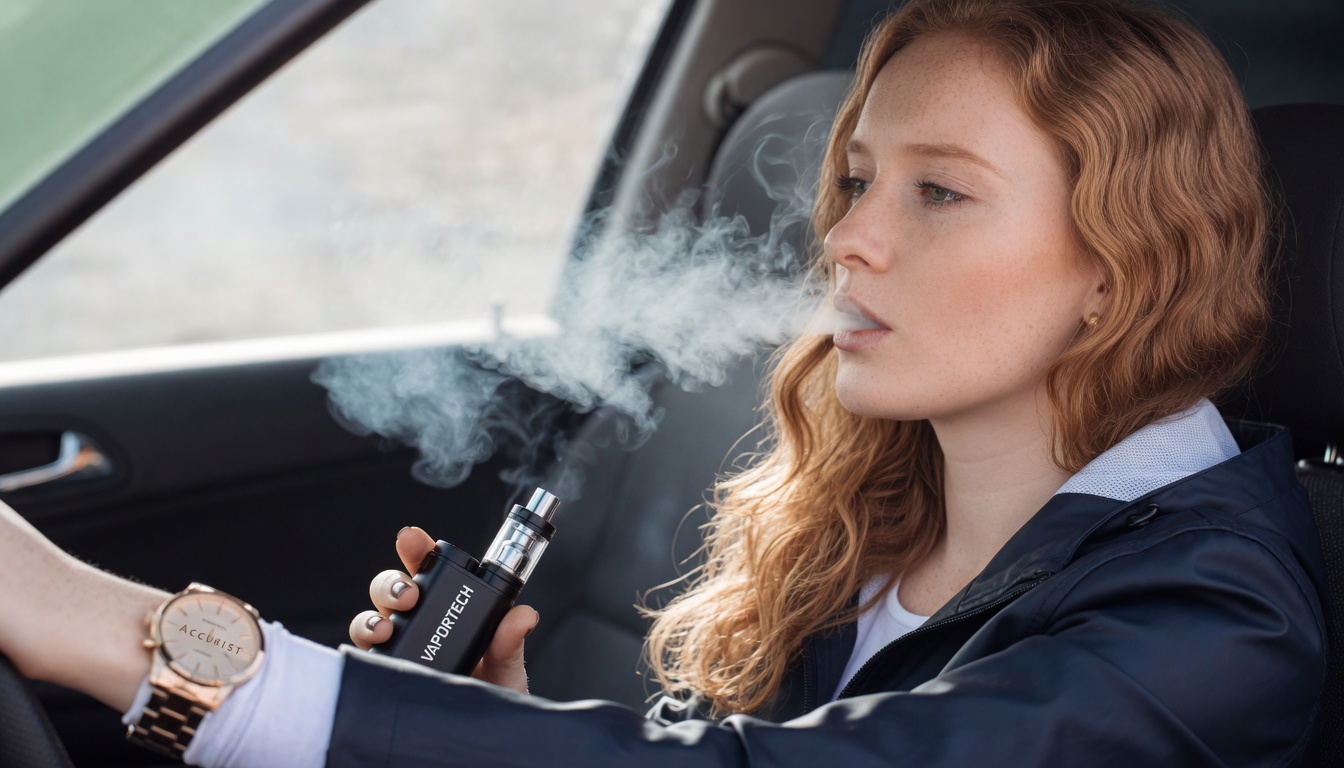
The concern around vaping and popcorn lung centers on certain flavoring chemicals—most notably diacetyl, which has been used in some e-liquids. While some substances may be acceptable to eat, inhaling them is a different exposure route, and researchers have warned that inhalation can irritate and damage delicate lung tissue.
Repeated exposure matters. Vaping can deliver these chemicals to the lungs again and again, potentially increasing inflammation and the chance of long-term airway injury. Reports describing real-world cases—including widely discussed instances involving young people after years of vaping—have intensified public attention and concern.
It’s also important to note that not every vape product contains diacetyl today, but the history of flavored products and inconsistent product standards continue to raise alarms among health organizations and clinicians.
Symptoms to Watch For
One reason vaping-linked popcorn lung can be missed early is that symptoms may resemble a lingering cold—until they don’t go away. If you notice breathing changes that persist and gradually limit your daily activities, it’s worth taking seriously.
Common symptoms associated with popcorn lung may include:
- Persistent, dry cough that disrupts sleep or makes conversations uncomfortable
- Shortness of breath, even during light activity (such as walking or climbing stairs)
- Wheezing or a whistling sound while breathing
- Ongoing fatigue that seems tied to breathing effort or reduced stamina
Ignoring persistent symptoms can increase anxiety and uncertainty—especially when you can’t do the things that once felt effortless.
Risks and Long-Term Effects of Popcorn Lung From Vaping
The primary long-term concern is permanent scarring of the small airways, which can lead to progressively more difficult breathing and reduced ability to stay active. For many people, that means everyday quality of life takes the hit first—less energy, fewer outings, and more limitations.
Specialists also warn that damaged airways may increase vulnerability to respiratory infections, adding another layer of health stress as you age. In severe situations, ongoing injury can contribute to major respiratory complications.
Some research discussions also connect chronic airway inflammation to broader, long-term respiratory issues, including conditions such as COPD, reinforcing why early awareness and behavior changes matter.
Short-Term vs. Long-Term Effects (At a Glance)
| Aspect | Short-Term Effects | Long-Term Effects |
|---|---|---|
| Breathing | Mild wheezing | Chronic shortness of breath |
| Daily impact | Occasional fatigue | Reduced physical capacity and activity limits |
| Health risks | Airway inflammation | Scarring and higher infection risk |
Prevention Strategies to Reduce Risk
Avoiding popcorn lung risk from vaping starts with reducing exposure to potentially harmful inhaled chemicals—especially from flavored products, which have been a recurring concern in expert discussions.
Practical steps that may help:
- Review your vaping patterns: Track when and why you vape to identify stress triggers and routines.
- Consider nicotine replacement options: Products like patches or gum may help you step away from inhalation-based habits.
- Use support systems: Groups, quit programs, or trusted friends can reduce the “doing it alone” feeling.
- Choose lung-supportive foods: Antioxidant-rich foods (such as berries) are often suggested as part of a respiratory-friendly diet.
- Schedule regular check-ups: If symptoms appear, early evaluation can help clarify what’s happening and guide next steps.
Alternatives to Vaping for Healthier Breathing Habits
Switching away from vaping can feel like giving up a fast, familiar way to manage stress. But replacing the ritual—rather than relying on willpower alone—often makes change more sustainable.
Options many people find helpful include:
- Gentle physical activity: Walking, stretching, or yoga can curb cravings while supporting endurance.
- Herbal tea rituals: A calming routine without inhaled vapor.
- Behavioral support: Counseling or app-based programs that address habits, cues, and coping strategies.
- Mindfulness breathing practices: Structured breathing can provide a quick “reset” during cravings and may improve your awareness of respiratory comfort.
Wrapping Up: Put Lung Health First
Understanding the potential relationship between vaping, diacetyl exposure, and popcorn lung (bronchiolitis obliterans) helps you weigh short-term comfort against long-term respiratory health. If you vape and notice a persistent cough, wheezing, unusual fatigue, or shortness of breath, don’t dismiss it as “just getting older.”
The surprising strategy: replace the urge-to-vape moment with a 60–90 second controlled breathing routine (for example, slow nasal inhale, relaxed exhale, repeat). It sounds simple, but swapping the stress-relief cue—not just the nicotine source—can make it easier to step away from vaping while supporting calmer, steadier breathing throughout the day.