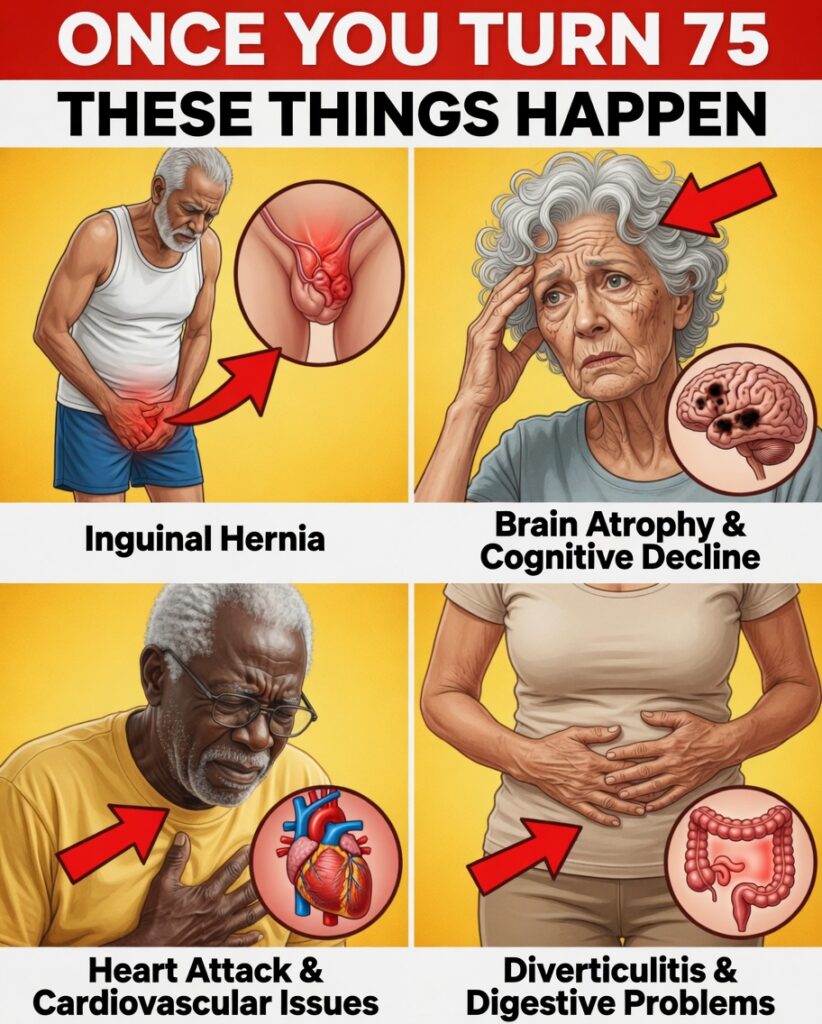
Life After 75: Understanding Body Changes and Staying Independent
Many older adults begin to notice small but meaningful shifts after age 75—waking earlier than they used to, feeling colder (or overheated) more easily, or getting tired faster than expected. These body changes after 75 can be frustrating because they make everyday routines feel harder and can chip away at confidence and independence. The good news: once you understand what’s happening, you can make simple adjustments that often improve comfort and quality of life.
Stay with it—there’s a surprisingly powerful “combo strategy” at the end that links these changes together in one daily routine.
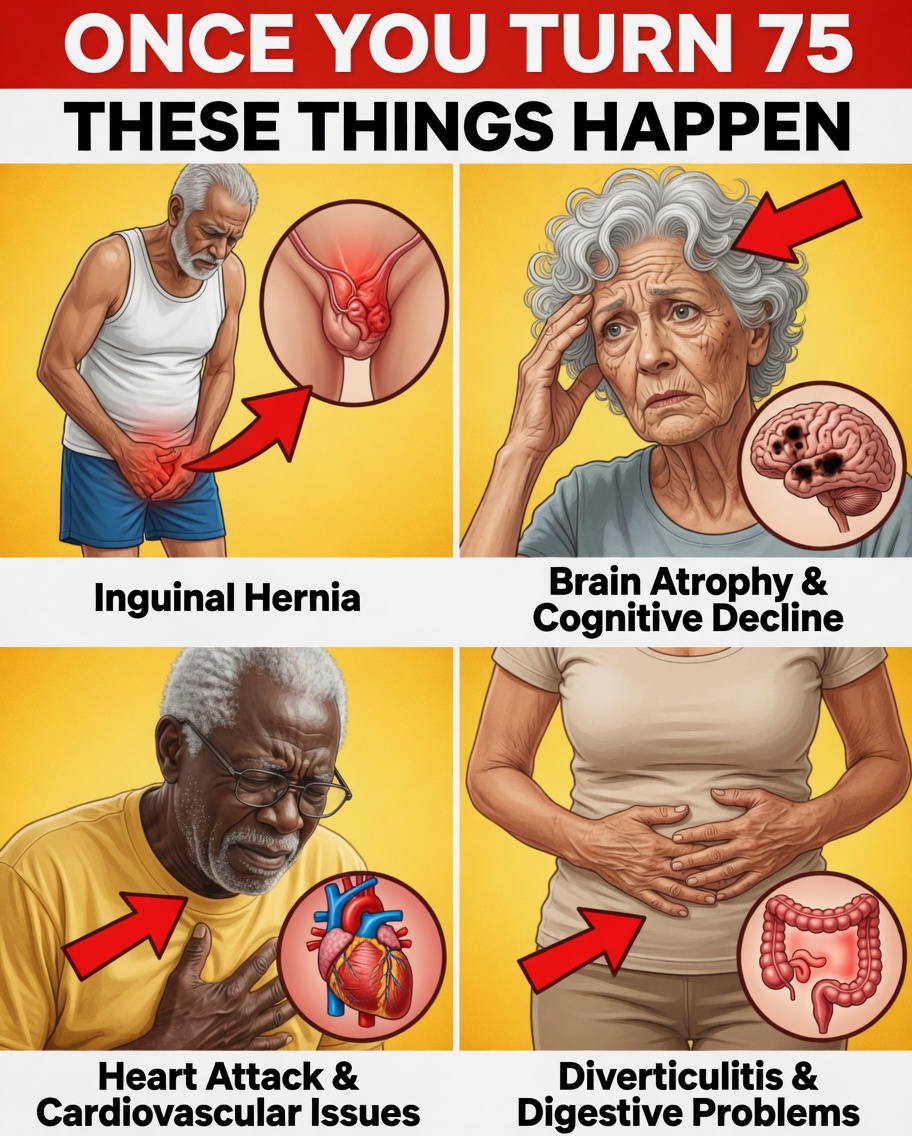
The Reality of Body Changes After Turning 75
For many people, the years after 75 bring changes that feel abrupt: sleep becomes lighter, energy can drop, digestion may feel less predictable, and stability may not feel as automatic as it once did. Findings shared by organizations such as the National Institute on Aging reinforce that these shifts are common across many populations and backgrounds.
It’s completely normal to feel disappointed when your body doesn’t respond the way it used to. What helps is realizing something important: these changes often interact. Improving one area—like sleep—can make digestion, mood, and balance easier to manage too.
Next, let’s start with a change that affects nearly every part of the day: your sleep.

Change #5: Sleep Patterns Often Shift After 75
A frequent body change after 75 is a reshaping of sleep structure. Many people fall asleep earlier, wake earlier, and get less deep sleep overall. Because deep sleep supports recovery, mood, and energy, this shift can leave you feeling tired before the day even begins—and more irritable or less motivated as the hours go on.
Helpful ways to support better rest include:
- Go to bed when you feel naturally sleepy, even if it’s earlier than before
- Get morning sunlight to help reset your internal clock
- Keep the bedroom comfortably cool to support deeper sleep
Small sleep-focused changes can improve how you feel during the entire day—especially when combined with the next challenge: temperature sensitivity.

Change #4: Temperature Regulation Becomes Less Reliable
Another common body change after 75 involves a weaker “internal thermostat.” You may feel chilled in rooms others find comfortable, or you may struggle more in heat than you once did. Guidance from public health organizations such as the CDC highlights that older adults can be more vulnerable to temperature extremes.
This sensitivity can lead to staying home more often, skipping activities, or worrying about weather changes. Practical adjustments can make daily life easier:
- Keep indoor temperatures steady, ideally around 68–74°F (20–23°C)
- Dress in layers so you can adjust quickly
- Drink fluids regularly, since thirst signals often weaken with age
- Choose indoor movement during heat waves or cold snaps to stay active safely
Once temperature comfort improves, many people notice better sleep and more energy—both of which support the next area: digestion.

Change #3: Digestion Can Slow Down After 75
A slower digestive system is a classic body change after 75. You might notice bloating, fullness, or discomfort after meals, which can reduce appetite and lead to skipped meals—raising the risk of nutrient shortfalls. Research commonly links this to slower transit time and lower digestive enzyme activity.
To support digestion without overhauling your entire diet:
- Eat smaller meals more often instead of a few large ones
- Chew thoroughly and slow down while eating
- Add fermented foods (as tolerated) for gut support
- If needed, discuss digestive aids with a qualified professional
Comfortable digestion makes it easier to stay nourished—which matters a lot for strength and balance. Speaking of balance, that’s next.

Change #2: Balance and Stability Often Decline
Many people experience balance changes as a major body change after 75. Uneven sidewalks, dim lighting, or quick turns can feel riskier than they used to. Research suggests this often happens because multiple systems—vision, sensation in the feet, inner ear function, and reaction time—may all become less sharp.
A near-fall can create real anxiety and cause people to limit movement, which can actually worsen strength and stability over time. To support safer mobility:
- Practice Tai Chi daily, which has strong evidence for reducing fall risk
- Improve safety at home (for example: better lighting, clear pathways)
- Wear supportive shoes consistently, even indoors
- Plan errands and activities during your highest-energy times
Better balance protects freedom and confidence. And the final change affects nearly everything: muscle strength.

Change #1: Muscle Maintenance Becomes Essential
One of the most impactful body changes after 75 is faster muscle loss, often referred to as sarcopenia. This can make daily tasks—standing from a chair, climbing steps, carrying groceries—feel surprisingly demanding. Many older adults also worry about becoming dependent on others, which can be emotionally heavy.
Aging research links muscle loss to shifts in hormones, reduced activity, and slower recovery. The most effective approach is consistent, realistic maintenance:
- Prioritize protein-rich meals, spread across the day
- Do resistance exercises a few times per week (adapted to your level)
- Support healthy vitamin D levels with professional guidance
- Build in recovery time between strength sessions
Strength supports balance, temperature tolerance, and even sleep quality—which leads into a quick knowledge check.

Mid-Article Quiz: Check Your Understanding
- How many key body changes after 75 were covered? (5)
- Which change feels most familiar in your daily life? Write it down
- What might the “combined strategy” at the end include? Hint: light, food, movement
- Rate your understanding now vs. the beginning on a 1–10 scale
- Ready to apply this? Let’s make it practical.
Quick Comparison: Challenges and Strategies for Body Changes After 75
-
Sleep
- Core issue: fragmented, lighter sleep
- Strategy 1: earlier bedtime
- Strategy 2: morning light
- Potential benefit: better energy and mood
-
Temperature regulation
- Core issue: reduced tolerance to cold/heat
- Strategy 1: stable home temperature
- Strategy 2: layered clothing
- Potential benefit: improved comfort and willingness to go out
-
Digestion
- Core issue: slower processing and discomfort
- Strategy 1: smaller meals
- Strategy 2: fermented foods
- Potential benefit: improved nutrition and appetite
-
Balance
- Core issue: weaker stability systems
- Strategy 1: Tai Chi
- Strategy 2: home safety upgrades
- Potential benefit: fewer falls and more confidence
-
Muscle
- Core issue: accelerated muscle loss
- Strategy 1: protein timing
- Strategy 2: resistance training
- Potential benefit: stronger mobility and independence
A 30-Day Starter Plan to Adapt After 75
-
Week 1: Sleep + Temperature
- Adjust bedtime to your natural drowsiness
- Stabilize thermostat settings and prepare easy layers
-
Week 2: Digestion
- Shift to smaller meals
- Add a gut-friendly food (if tolerated)
-
Week 3: Balance
- Begin short daily Tai Chi practice
- Improve lighting and remove trip hazards at home
-
Week 4: Muscle
- Increase protein consistency across meals
- Add resistance exercises a few times weekly
This timeline keeps changes gradual, realistic, and easier to maintain.
Moving Forward: Embracing Body Changes After 75
Body changes after 75 don’t have to define your quality of life. With awareness and small, targeted adjustments, many people preserve energy, comfort, and independence. Start with the one change that bothers you most—momentum builds quickly.
The “tie-it-all-together” strategy:
Combine morning sunlight, a protein-focused breakfast, and a brief balance practice each day. This trio supports sleep rhythms, muscle health, stability, and overall vitality.
FAQ: Common Questions About Body Changes After 75
-
What causes body changes after 75?
Most are tied to natural physiological shifts in hormones, cells, and body systems, widely observed across populations. -
Can lifestyle prevent body changes after 75?
You can’t fully prevent them, but habits like movement, nutrition, and sleep routines can strongly influence how much they affect daily life. -
When should I speak to a doctor?
If changes significantly limit daily function, worsen quickly, or create safety concerns (like falls), consult a healthcare professional.
Medical disclaimer: This article is for informational purposes only and is not a substitute for professional medical advice. Always consult your healthcare provider before making changes to your routine.