
Eye Floaters: Why They Appear, When to Worry, and What to Do Next
Tiny dots, wispy threads, or cobweb-like shapes drifting across your vision can be unsettling—especially the first time you notice them. They often slip away the moment you try to stare directly at them, which can make the experience even more confusing. When eye floaters start to interfere with reading, driving, or simply enjoying a crisp view, it’s natural to feel concerned.
The reassuring reality is that most eye floaters are a normal age-related change and do not threaten your eyesight. Still, knowing when floaters may signal something more serious can reduce anxiety and help you act quickly if needed.
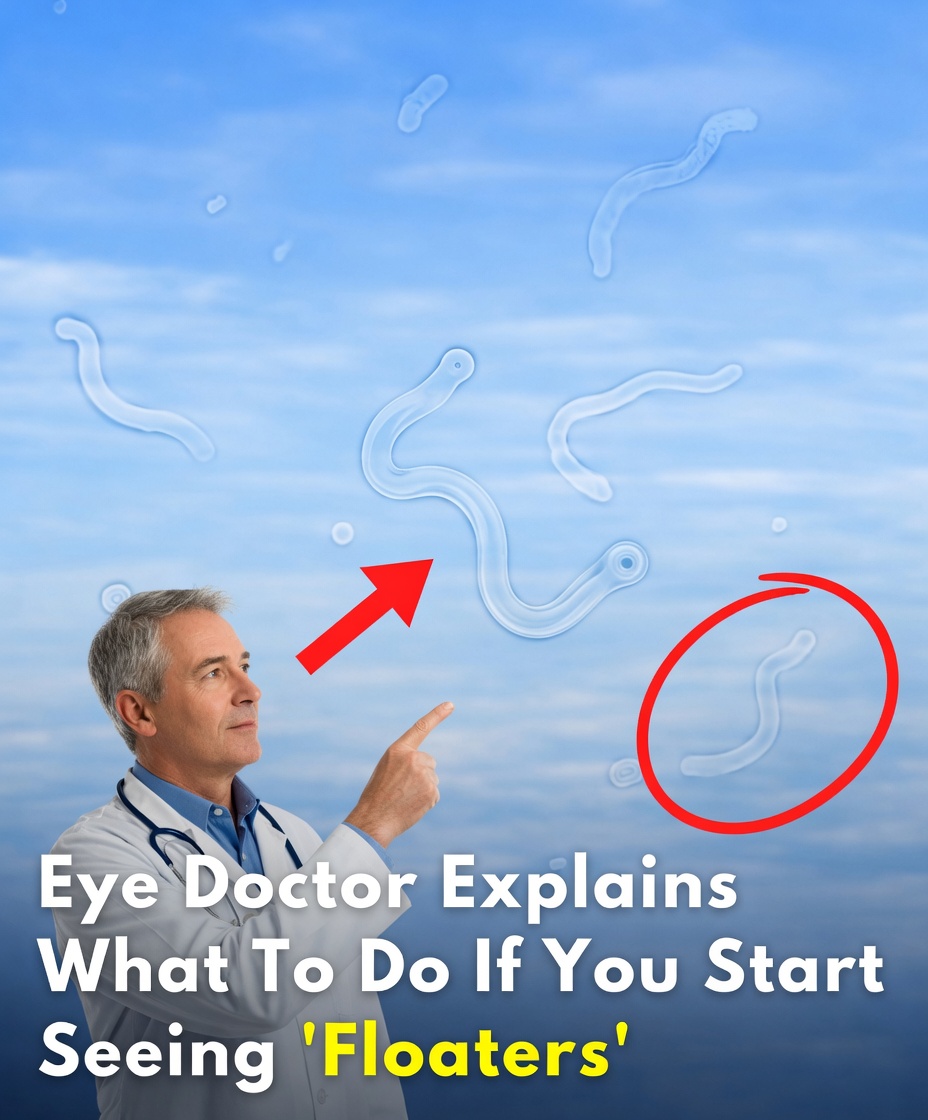
What Are Eye Floaters?
Eye floaters are shadowy shapes that seem to drift through your field of vision. People describe them in many ways, including:
- Black or gray specks
- Squiggly lines or strings
- Thread-like strands
- Cobweb patterns
Floaters typically move when your eyes move and may “dart” away when you try to focus on them. At first, they can be intensely distracting—some people feel constantly aware of them, which can add stress and raise fears about long-term vision changes.
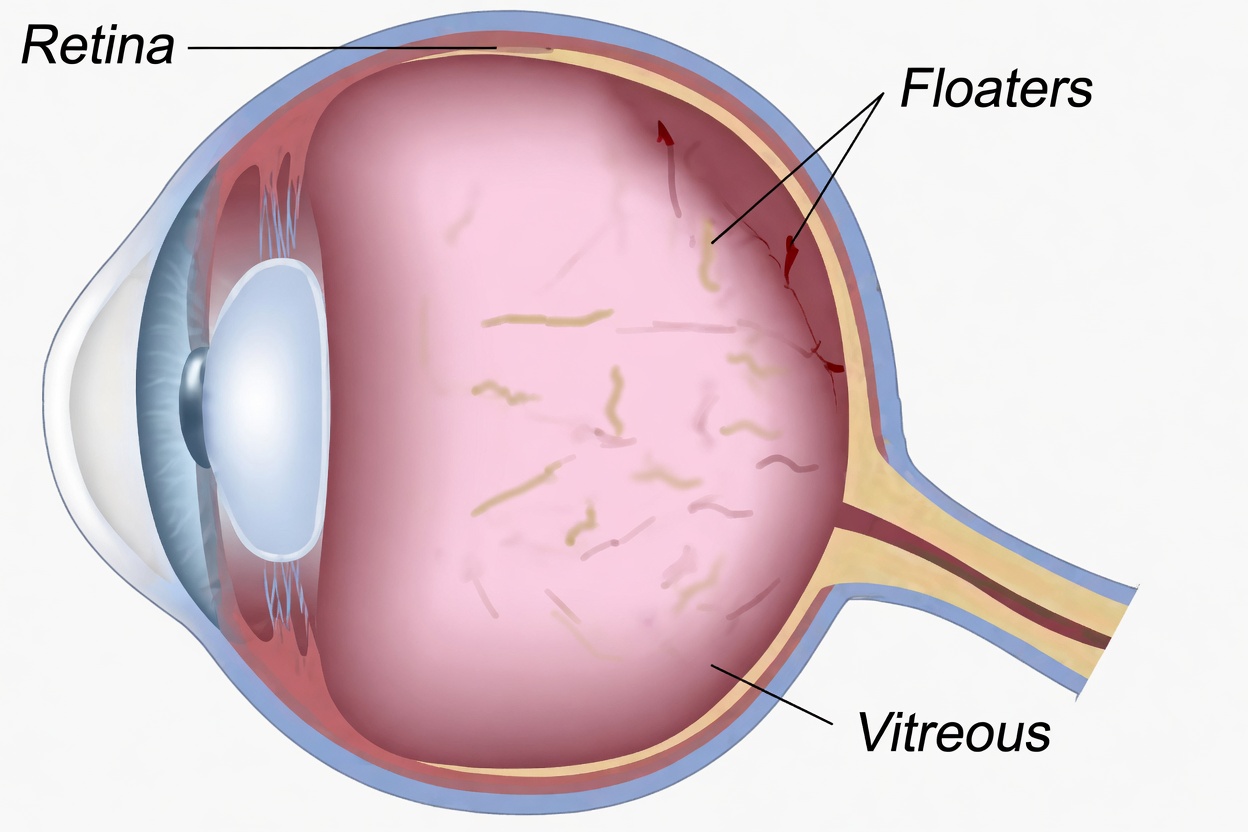
These shapes aren’t on the surface of your eye. Instead, they are shadows cast on the retina by tiny clumps or strands inside the vitreous, the clear gel that fills the space between the lens and the retina.

Common Causes of Eye Floaters
The most common reason for eye floaters is natural aging of the vitreous. Over time, the vitreous can shrink and become more watery. As it changes, small clumps or fibers form and cast shadows on the retina—creating the “floating” shapes you see.
Other situations that can trigger or increase eye floaters include:
- Inflammation inside the eye
- Bleeding within the eye
- After cataract surgery
- Eye injury or trauma
Floaters are especially common after age 50 and are often more noticeable when looking at bright, uniform backgrounds—such as a blue sky, a computer screen, or a white wall.
When Eye Floaters May Be a Serious Warning Sign
Most floaters are harmless, but a sudden change can sometimes indicate a more urgent problem. If the vitreous pulls away from the retina with enough force, it may cause a retinal tear. Without treatment, a tear can progress to retinal detachment, which is a medical emergency.
Floaters can feel scary on their own, but the concern becomes much higher when they appear alongside symptoms like flashes of light or a shadow moving across your vision. Recognizing these red flags early is critical for protecting sight.

Symptoms That Need Immediate Eye Care
Contact an eye care professional promptly if new eye floaters come with any of the following:
- A sudden shower of new floaters
- Flashes of light, especially in peripheral vision
- A dark curtain or shadow moving across your vision
- Blurred vision or loss of side vision
- Eye pain or redness along with floaters
Benign vs. Potentially Serious Eye Floaters
-
More likely benign
- Gradual onset over months or years
- Few floaters that stay relatively stable
- No flashes or vision loss
- More noticeable in bright light
- Common with aging
-
Potentially serious
- Sudden onset or rapid increase
- Many new floaters appearing at once
- Flashes, shadows, or vision changes
- May follow injury or surgery
- Can persist regardless of lighting
What to Do If You Notice New Eye Floaters
The best approach is balanced: don’t ignore new floaters—but don’t panic. Pay attention to what’s happening over the next day or two, especially whether the floaters are increasing or accompanied by other symptoms.
Because worry can linger and affect daily life, an eye exam often provides clarity and peace of mind. If floaters are new, persistent, or disruptive, schedule an eye appointment soon. An eye doctor can dilate your pupils and examine both the vitreous and retina carefully to rule out a tear or detachment.
Practical Habits That Support Eye Health
You can’t always prevent eye floaters, but you can support overall vision health and reduce strain that may make floaters more noticeable:
- Use the 20-20-20 rule: every 20 minutes, look 20 feet away for 20 seconds
- Wear UV-protective sunglasses outdoors
- Stay hydrated to support normal eye function
- Manage systemic conditions that affect vision, such as diabetes
- Eat antioxidant-rich foods (including leafy greens, berries, and fish)
- Avoid rubbing your eyes forcefully
- Get regular comprehensive eye exams
Over time, many people find that the brain adapts to benign floaters, so they become easier to ignore—even if they don’t fully disappear.
Final Thoughts on Managing Eye Floaters
Eye floaters are extremely common, and in most cases they’re simply part of normal aging. The most important takeaway is this: take sudden changes seriously. Getting prompt evaluation for rapidly increasing floaters—or floaters with flashes or shadows—can help prevent rare but serious complications.
Frequently Asked Questions About Eye Floaters
Are eye floaters dangerous?
Most eye floaters are harmless and age-related. However, a sudden burst of new floaters should be evaluated to rule out retinal problems.
Can eye floaters go away on their own?
Floaters often become less noticeable over time as they settle or as your brain adapts. They may not disappear completely, but they frequently become less disruptive.
When should I see a doctor for eye floaters?
Seek prompt care if floaters appear suddenly, increase quickly, or occur with flashes, shadows/curtain-like darkness, blurred vision, or vision loss.