Hand Numbness and Stiffness: Why It Happens and What You Can Do
Waking up at night with a “pins-and-needles” feeling in your hand can be unsettling—especially when it doesn’t disappear after a few minutes. In other cases, your fingers may suddenly feel stiff during the day, making it harder to hold a phone, grip a steering wheel, or carry a cup without dropping it.
While many people dismiss hand numbness and stiffness as a temporary inconvenience, symptoms that linger or worsen often signal nerve compression, reduced circulation, or an underlying health issue. The upside is that once you understand the most common causes, you can make smarter decisions early—often with simple daily adjustments that add up over time.
What Causes Numbness and Stiffness in the Hands?
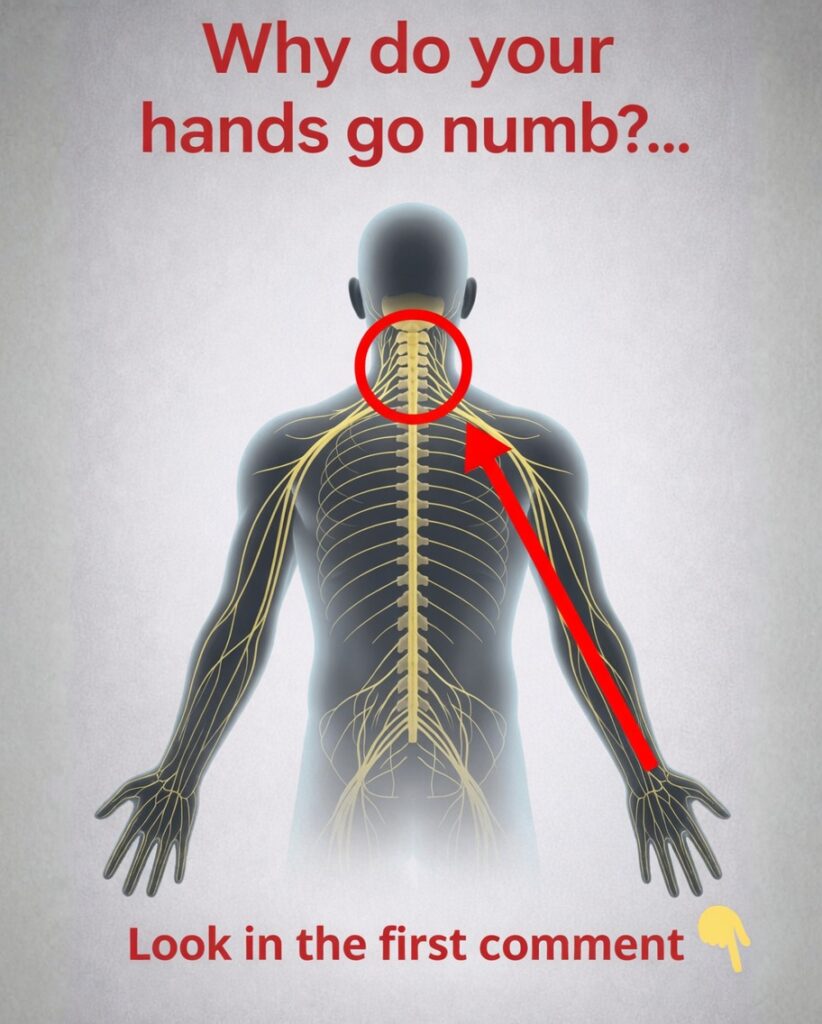
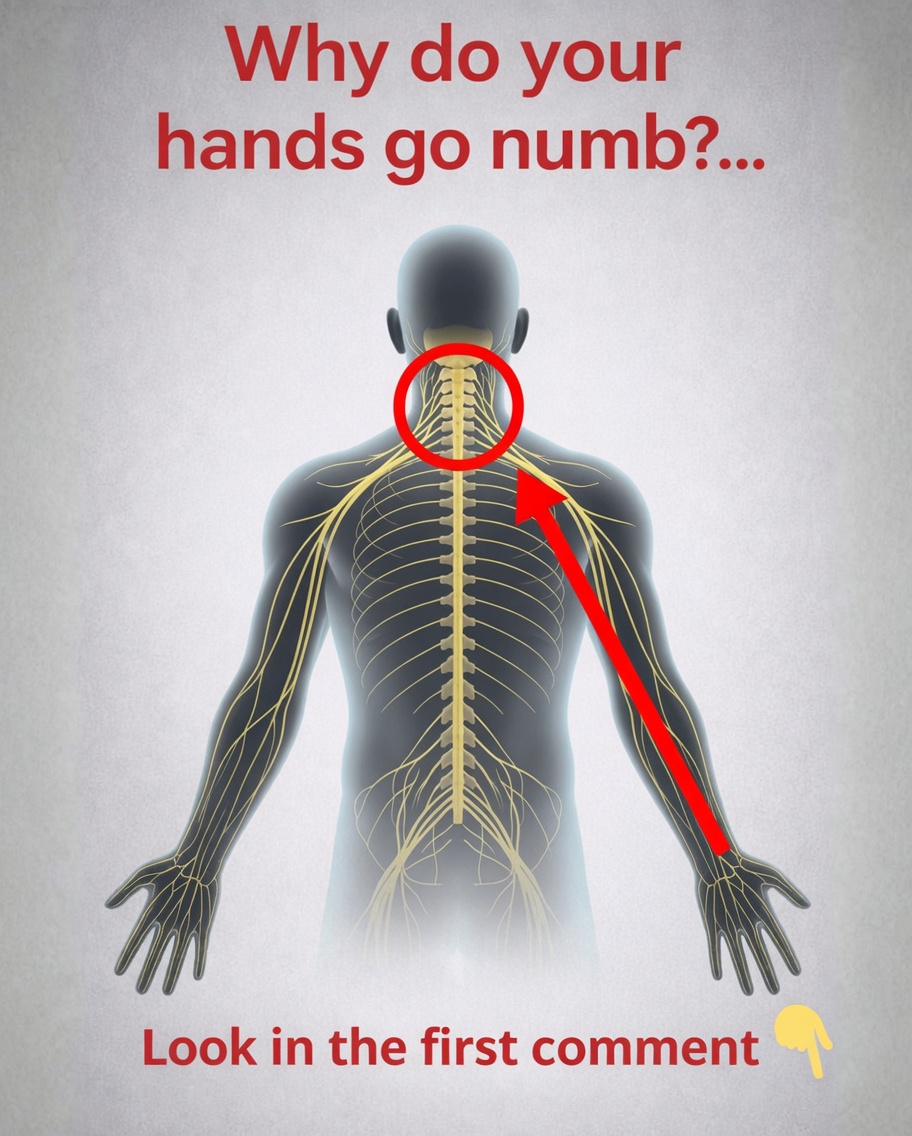
In most cases, numbness and stiffness happen when the nerves that carry signals to the palm and fingers become irritated, compressed, or disrupted. Those nerves travel from the neck through the shoulder and arm into the wrist and hand—so problems can start in more than one location.
Trusted medical sources such as Mayo Clinic and Healthline commonly associate these sensations with issues along this nerve pathway, including overuse, posture-related strain, and certain medical conditions. Identifying the likely cause often starts with noticing when symptoms occur, which fingers are affected, and whether pain or weakness is present.
Common Conditions Linked to Hand Numbness
Below are frequent causes doctors and researchers often discuss when evaluating hand tingling, stiffness, or numbness.
1) Carpal Tunnel Syndrome
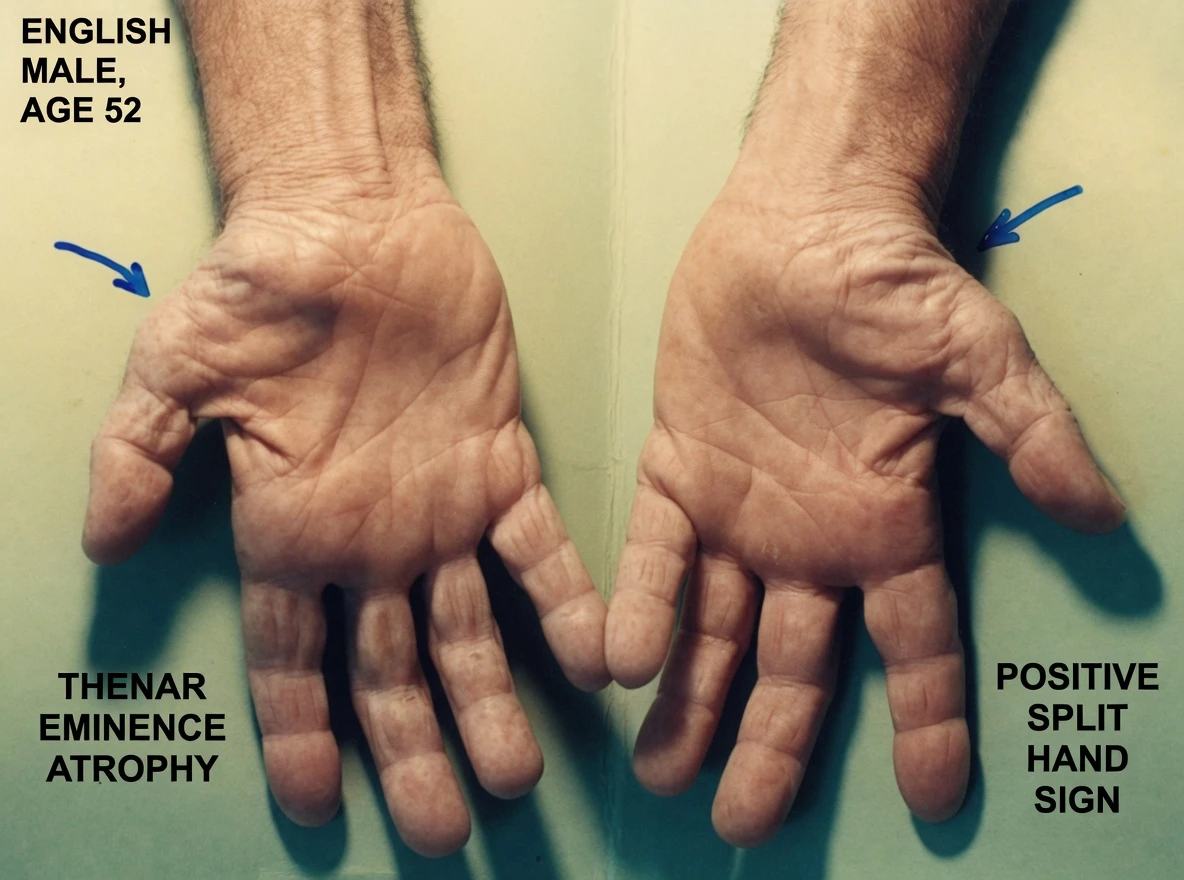
Carpal tunnel syndrome occurs when the median nerve is compressed as it passes through a narrow passage in the wrist. Typical signs include:
- Numbness or tingling in the thumb, index, and middle fingers
- Symptoms that feel worse at night
- Flare-ups after repetitive wrist activity such as typing, using tools, or long periods of phone use
This is one of the most common explanations for hand numbness, particularly in people with repetitive hand or wrist motions in daily life or work.
2) Neck-Related Nerve Compression (Cervical Spondylosis or Herniated Disc)
Sometimes the problem begins higher up. Cervical spondylosis (age-related wear in the neck) or a herniated disc can irritate nerves as they exit the spine. This may lead to:
- Tingling or numbness that starts in the neck or shoulder
- Sensations that travel down the arm into the hand
- Neck stiffness, limited range of motion, or aching that accompanies hand symptoms
Poor posture over time and age-related spinal changes can increase the likelihood of this pattern.
3) Peripheral Neuropathy (Peripheral Nerve Damage)
Peripheral neuropathy refers to nerve damage outside the brain and spinal cord. Potential contributors include:
- Diabetes
- Infections (for example, shingles)
- Inflammatory or autoimmune conditions
Symptoms can involve widespread tingling, burning, numbness, or reduced sensation—sometimes affecting both hands and possibly the feet as well.
4) Nutrient Deficiencies That Affect Nerve Signaling
Low levels of certain nutrients can disrupt normal nerve function. Deficiencies commonly discussed in relation to numbness include:
- Vitamin B12
- Magnesium
- Potassium
Low intake, absorption problems, or other health conditions can contribute. In some cases, nutrient-related symptoms may be accompanied by fatigue or other general complaints.
5) Everyday Positioning and Habit Triggers
Not all numbness is caused by a medical condition. Many short-term episodes come from simple mechanics, such as:
- Sleeping with an arm tucked under your head
- Holding a phone for a long time with the wrist bent
- Carrying heavy bags in an awkward way
- Maintaining a fixed posture for hours without breaks
These habits can temporarily reduce blood flow or irritate a nerve, leading to brief numbness that improves after changing position.
Quick Clues to Help You Spot Patterns
Use these general patterns as a guide (not a diagnosis):
- Carpal tunnel syndrome: thumb-side fingers; often worse at night; linked to repetitive wrist use
- Neck nerve pressure: begins around neck/shoulder; radiates down the arm; may include neck pain or stiffness
- Nutrient-related issues: may affect both hands more evenly; may come with broader symptoms like fatigue
- Position-related numbness: improves quickly after moving; no lasting weakness
Simple At-Home Steps to Reduce Hand Numbness and Stiffness
These approaches are not a substitute for medical care, but many people find them helpful—especially when symptoms are mild or clearly linked to posture or repetitive strain. Stop if anything increases pain or discomfort.
Improve Your Ergonomics and Posture
- Keep your back supported and shoulders relaxed
- Aim for straight, neutral wrists (not bent up or down)
- Take brief breaks every 20–30 minutes
- Gently open/close your hands, stretch fingers, and shake out tension
Use Nighttime Wrist Support (When Appropriate)
A soft, over-the-counter wrist splint can keep the wrist in a neutral position during sleep. For many people with mild carpal tunnel-type symptoms, this can reduce nighttime flare-ups by limiting nerve pressure.
Add Gentle Neck and Shoulder Mobility
If tension in the neck and shoulders contributes to symptoms, try:
- Slow head tilts side to side
- Controlled shoulder rolls backward
Repeat 5–10 times, a few times per day, without forcing range of motion.
Support Nerve Health Through Food
Consider nutrient-dense foods that commonly support nerve function, such as:
- Leafy greens
- Nuts and seeds
- Eggs
- Fish
- Fortified cereals
If you suspect a deficiency (especially vitamin B12), a healthcare provider can confirm it with testing.
Stay Active (Without Overloading Wrists or Neck)
Low-impact movement can improve circulation and reduce stiffness. Options like walking or swimming may help without excessive strain.
A key point many people underestimate: small, consistent daily changes often matter more than one intense stretch session or a short-lived posture fix.
When to Seek Medical Help Quickly
Arrange prompt medical evaluation if numbness or stiffness:
- Continues for days or weeks without improvement
- Comes with significant pain, hand weakness, or difficulty gripping objects
- Affects both hands evenly or spreads beyond the hands
- Appears suddenly with confusion, slurred speech, dizziness, or balance problems (seek emergency care immediately—these can be signs of a serious neurological event)
Medical organizations such as Mayo Clinic emphasize that early evaluation is especially important when symptoms interfere with daily function.
Key Takeaway: Regain Comfort by Understanding the Cause
Hand numbness and stiffness can feel alarming, but many cases are linked to manageable factors such as repetitive strain, posture, sleep positioning, and lifestyle habits. Tracking patterns, improving ergonomics, and supporting overall nerve health can reduce symptoms and help prevent worsening.
One simple habit that often makes a noticeable difference: keeping your wrist in a neutral position during sleep and daily tasks, which can significantly reduce nighttime tingling for many people.
Frequently Asked Questions
What is the most common cause of hand numbness?
Carpal tunnel syndrome is one of the most common causes, especially with repetitive wrist use. Neck-related nerve compression and nutrient deficiencies are also frequently considered.
Can hand numbness go away on its own?
Yes—when numbness is caused by temporary positioning or short-term strain, it often improves after changing posture and resting. Persistent symptoms should be assessed.
Is hand numbness always serious?
Not always. Many cases are mild and reversible. However, ongoing, worsening, or sudden symptoms—especially with weakness or neurological signs—require medical attention.
Disclaimer
This article is for informational purposes only and does not replace professional medical advice. If you have persistent, severe, or concerning symptoms, consult a qualified healthcare provider for evaluation and personalized guidance.