Winter Itchy Legs in January: Why It Happens and How to Get Fast Relief
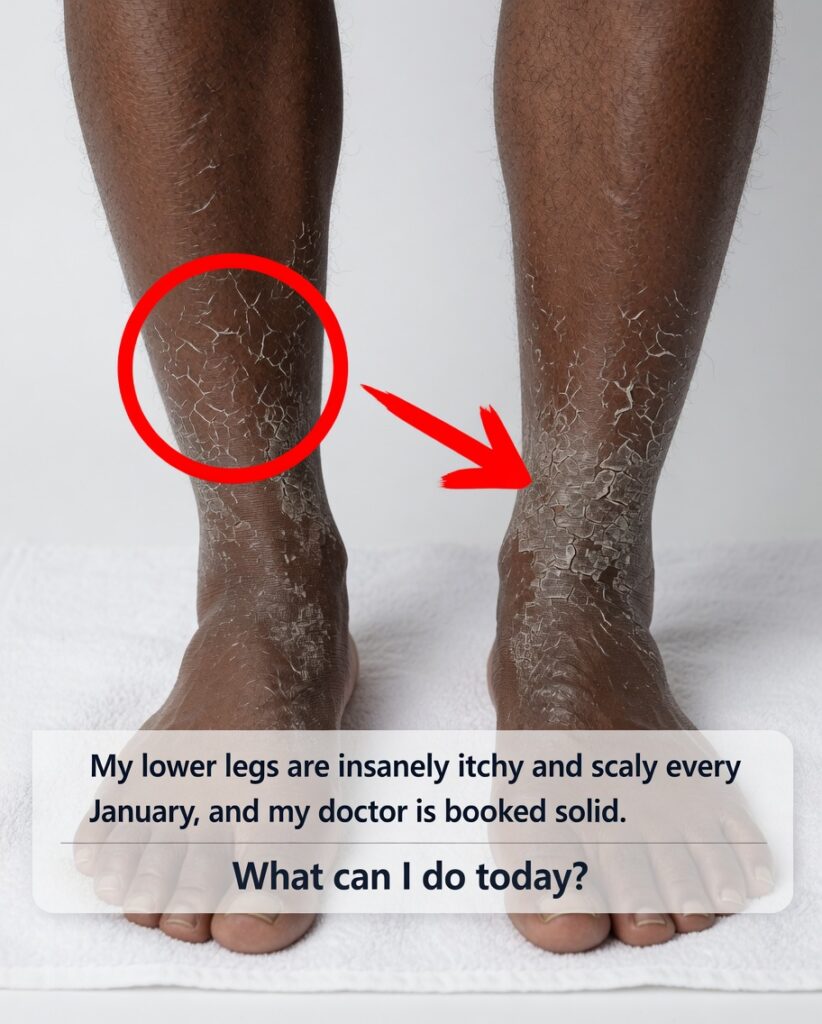
Every January, once the holiday season ends and winter air takes over, a familiar problem shows up for many people: dry, flaky, intensely itchy lower legs. It often starts as mild roughness, then turns into a stubborn cycle of scratching, visible scaling, and skin that feels tight and uncomfortable.
If you’re dealing with this seasonal irritation and can’t see a doctor immediately, you’re not alone. Winter-related skin dryness is extremely common, especially on the shins and lower legs. The good news is that a few practical, evidence-based changes can help quickly—starting today. One of the most effective strategies is a simple timing trick dermatologists recommend for locking in moisture, and it can make a noticeable difference.
Why Lower Legs Get So Dry in Winter
Cold weather creates a “perfect storm” for dry, irritated skin:
- Outdoor air holds less moisture during winter.
- Indoor heating lowers humidity even more, pulling water from your skin.
- Low humidity speeds up transepidermal water loss, weakening the skin barrier.
Your lower legs take the hit hardest because they naturally have:
- Fewer sebaceous (oil) glands than many other body areas
- Thinner skin, which loses moisture more easily
- Slower circulation, meaning the skin may repair itself more slowly
Add in long hot showers, harsh cleansers, and friction from thick winter clothing, and mild dryness can quickly turn into persistent itching and scaling.
Is It Just Dry Skin, or “Winter Itch”?
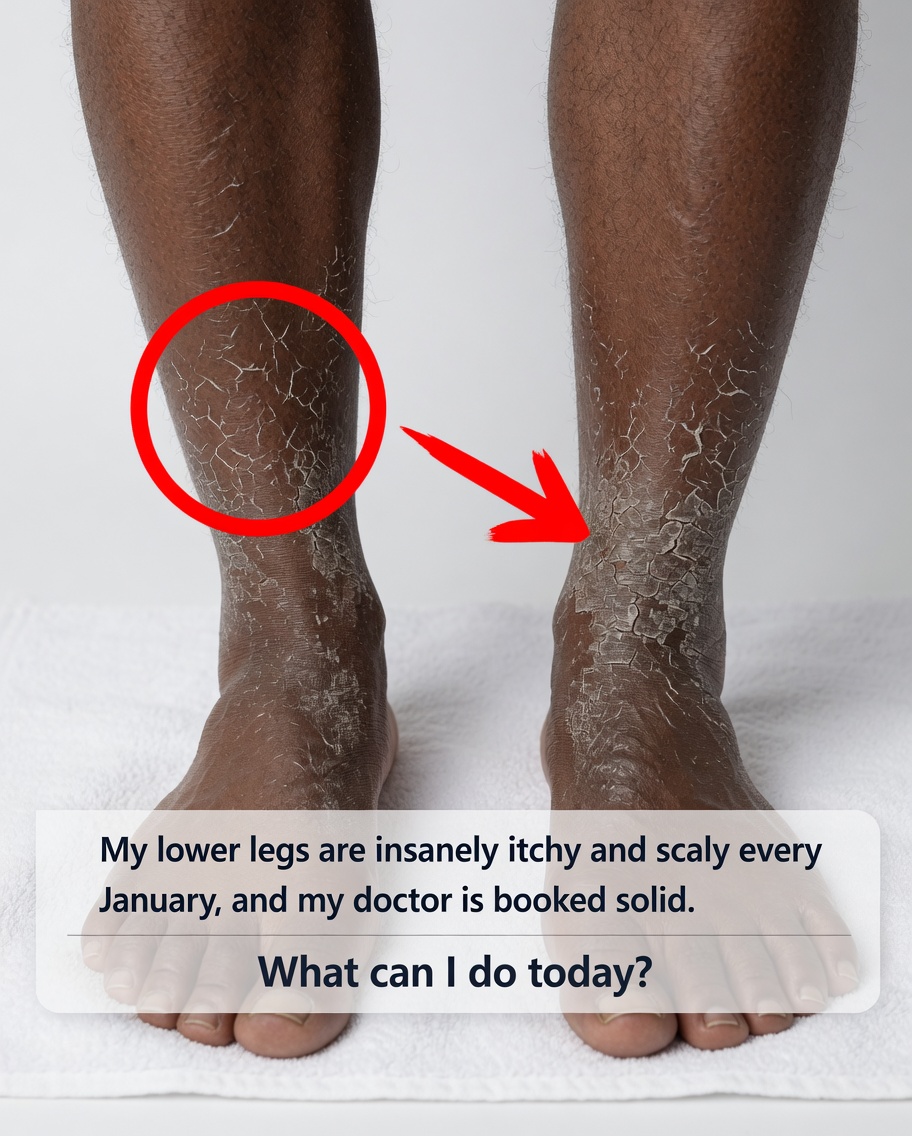
What many people call winter itch is often linked to asteatotic eczema—a dry-skin-related form of eczema that commonly flares during cold, low-humidity months. It tends to show up on the shins and lower legs.
Common signs include:
- A cracked, “crazy paving” or dry riverbed appearance
- Pink or red tones under flaky patches
- Itching that keeps coming back despite basic lotion
- A tight, sometimes mildly stinging or burning sensation
Unlike ordinary dryness, winter itch often worsens without targeted care, but it usually improves when you focus on barrier repair and gentler routines.
Stop the Damage: What to Avoid Immediately
Before buying new products, remove the habits that strip your skin’s natural protection. Many everyday “clean” or “fresh-smelling” routines can quietly make winter itching worse.
Avoid starting now:
- Fragranced soaps and body washes
- Deodorant-style or antibacterial cleansers
- Scrubs, loofahs, or aggressive exfoliation
- Products containing alcohol or strong perfumes
Also consider your clothing. Wool and tight synthetic fabrics can rub and trigger more irritation, while looser cotton and soft breathable layers reduce friction.
Fix Your Shower Routine Tonight (It Matters More Than You Think)
A long, hot shower may feel comforting in winter, but it can also remove the oils your skin needs to stay calm and hydrated.
Use this winter-skin shower plan:
- Keep showers under 10 minutes
- Choose lukewarm water instead of hot
- Use a fragrance-free, gentle hydrating cleanser
- Wash lightly—don’t scrub your lower legs
After showering, pat your skin dry with a soft towel (don’t rub). The goal is to keep your skin slightly damp, not completely dry.
The “3-Minute Rule”: The Most Overlooked Moisturizing Trick
Here’s the technique many people miss: apply moisturizer within about three minutes of stepping out of the shower, while your skin is still damp.
Why this works:
- Damp skin holds water better
- Moisturizer applied immediately helps seal in hydration
- It supports faster barrier repair compared with applying lotion to fully dry skin
This “soak and seal” approach is simple, but it can be the turning point for winter itchy legs.
Choose a Moisturizer That Can Actually Handle Severe Dryness
When your legs are scaly and tight, light lotions often aren’t enough. What works best in winter is a thick, simple formula that protects the skin barrier.
Look for:
- Heavy creams or ointments (greasier, but more effective at sealing moisture)
- Ingredients such as:
- Ceramides (support the skin barrier)
- Glycerin (draws water into the skin)
- Petrolatum (locks moisture in)
- Shea butter (softens and reduces roughness)
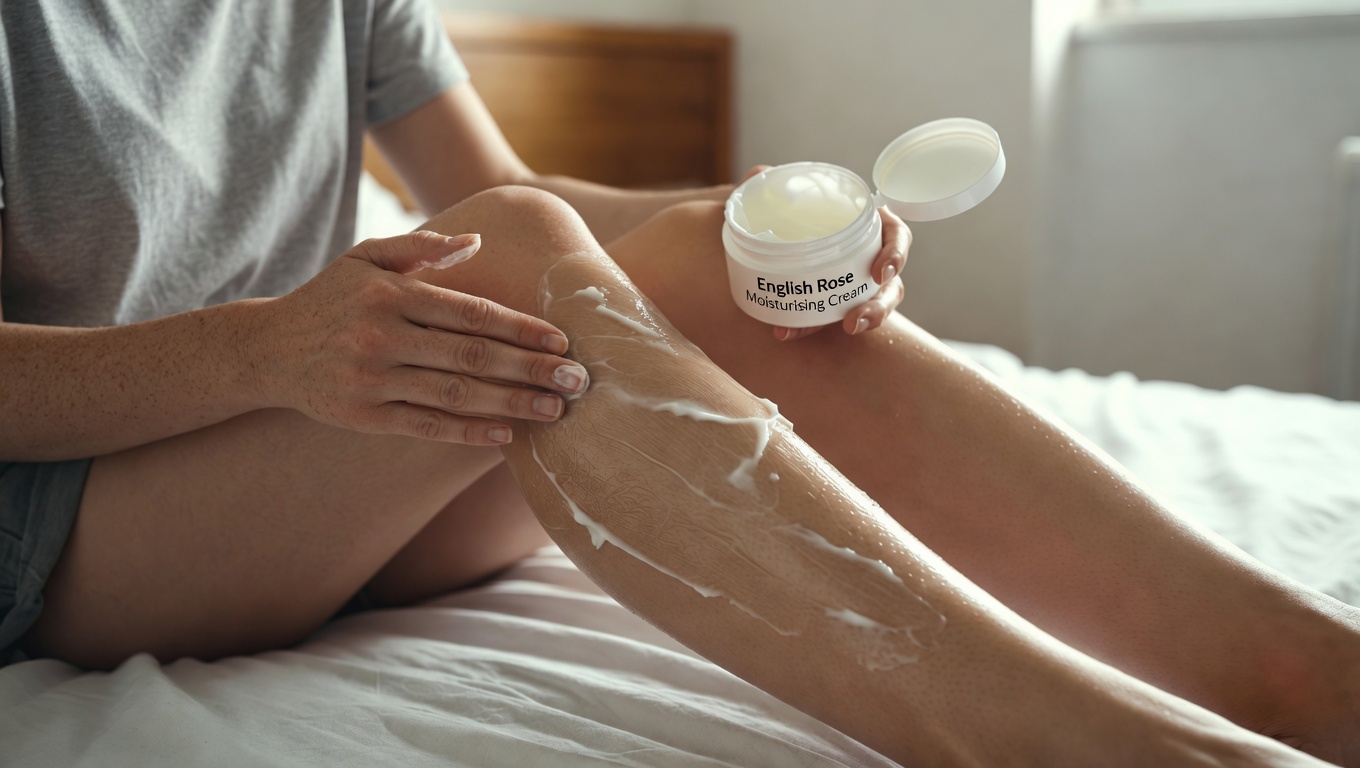
Apply generously—especially at night—and reapply during the day if your skin feels tight or itchy.
When OTC Hydrocortisone Can Help
If itching is intense or you see obvious redness, an over-the-counter 1% hydrocortisone cream can offer short-term relief.
Use it carefully:
- Apply a thin layer once or twice daily to affected areas
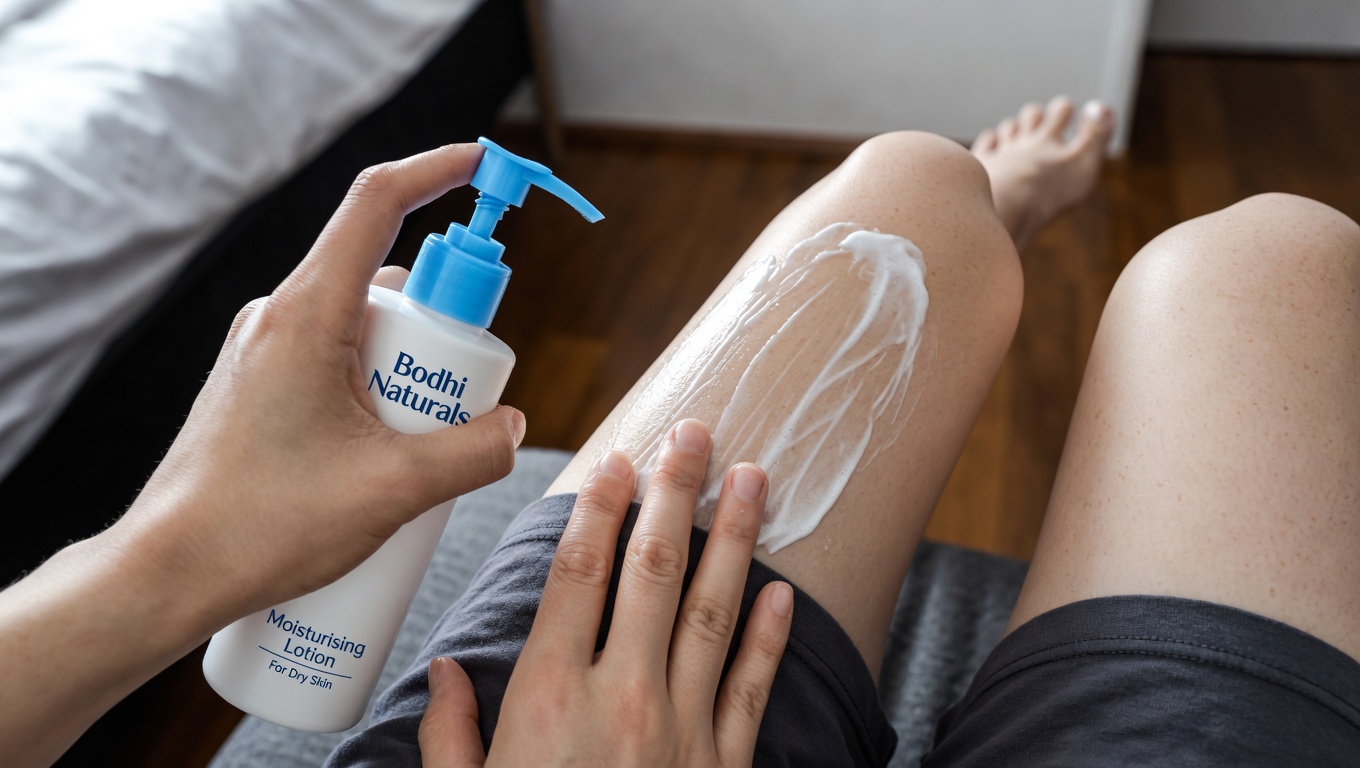
- After it absorbs, apply your moisturizer
- Limit use to 5–7 days, unless a clinician advises otherwise
Extended or frequent steroid use can lead to side effects such as skin thinning, so it’s best used as a temporary tool.
Social Media Remedies: What’s Safe vs. What to Skip
Quick-fix skincare tips on TikTok and similar platforms can be tempting, but irritated winter skin is easy to aggravate further.
Worth trying (gentle options):
- Colloidal oatmeal baths, creams, or fragrance-free oatmeal products
Avoid completely:
- Lemon juice or citrus “brightening” hacks
- Baking soda pastes
- Apple cider vinegar applications
- Undiluted essential oils
These can disrupt skin pH and worsen irritation, turning dry legs into a bigger problem.
Clothing and Laundry Tweaks That Reduce Itching
It’s not just skincare—fabric and detergent choices can keep irritation going.
Better clothing options:
- Loose cotton pants or soft, non-compressive leggings
- Breathable natural fibers instead of itchy wool or abrasive synthetics
Laundry changes that help:
- Use fragrance-free, hypoallergenic detergent
- Skip fabric softeners (they can leave irritating residue)
- Add an extra rinse cycle to remove leftover detergent
Add Humidity Back to Your Home
Dry indoor air works against every moisturizing step you take. A humidifier can help maintain an ideal indoor range of 30–50% humidity, which supports overnight hydration and reduces itching.
Keep it clean to prevent mold or bacterial buildup—maintenance is key.
Red Flags: When to See a Clinician
Many cases improve with consistent, gentle care, but get medical guidance if you notice:
- Cracks that bleed, ooze, or crust
- Thickened, discolored, or persistent patches
- Itching that seriously disrupts sleep
- No meaningful improvement after 2–3 weeks of careful routines
Other skin conditions can mimic winter dryness, so a professional evaluation helps ensure you’re treating the right problem.
How to Prepare for Your Appointment (So You Get Answers Faster)
If you’re planning to see a doctor or dermatologist, bring simple notes to make the visit more productive:
- When symptoms started and whether they come and go
- What makes it worse (heat, showers, fabrics, products)
- What you’ve tried so far
- Progress photos taken weekly
This helps your provider identify patterns and choose the best treatment plan.
Final Takeaway: Relief Comes from Consistency, Not Complexity
Itchy, flaky winter legs can feel relentless, but in many cases it’s a seasonal barrier issue—not a personal failure or a mysterious condition. Focus on:
- Gentle cleansing
- Short, lukewarm showers
- Moisturizing within the 3-minute window
- Thick, barrier-supporting creams or ointments
- Eliminating irritants and friction
For many people, skin feels calmer within days—and continues improving with steady care.
FAQ
Why do my lower legs itch more in winter than other areas?
Lower legs have fewer oil glands, thinner skin, and often slower circulation, so they lose moisture faster in cold, dry conditions—especially with indoor heating.
How long does it take for winter itchy legs to improve?
With consistent habits—especially thick moisturizers and the 3-minute post-shower rule—many people notice improvement within a few days to a week, though full recovery can take longer depending on severity.