Natural Remedies for Swollen Legs and Feet: 5 Simple Ways to Reduce Puffiness
Swollen legs and feet can make everyday tasks—like standing, walking, or even wearing your usual shoes—feel uncomfortable. The skin may feel tight, your legs can feel heavy, and the discomfort often builds by the end of the day. In many cases, this fluid buildup is linked to common triggers such as long hours on your feet, salty foods, heat, or circulation changes.
The encouraging part is that many people find improvement with gentle, natural strategies that support circulation and fluid balance. Below are five time-tested, easy-to-try remedies that may help reduce swollen legs naturally.
Why Legs Swell: Common Causes of Swollen Legs
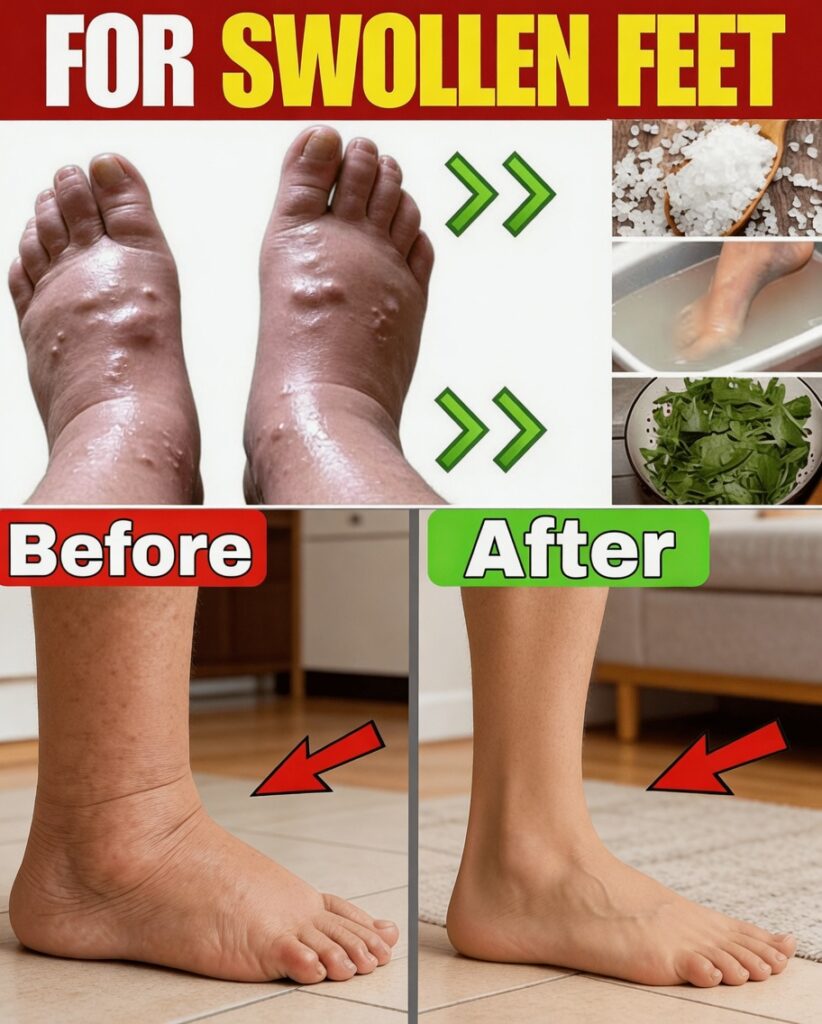
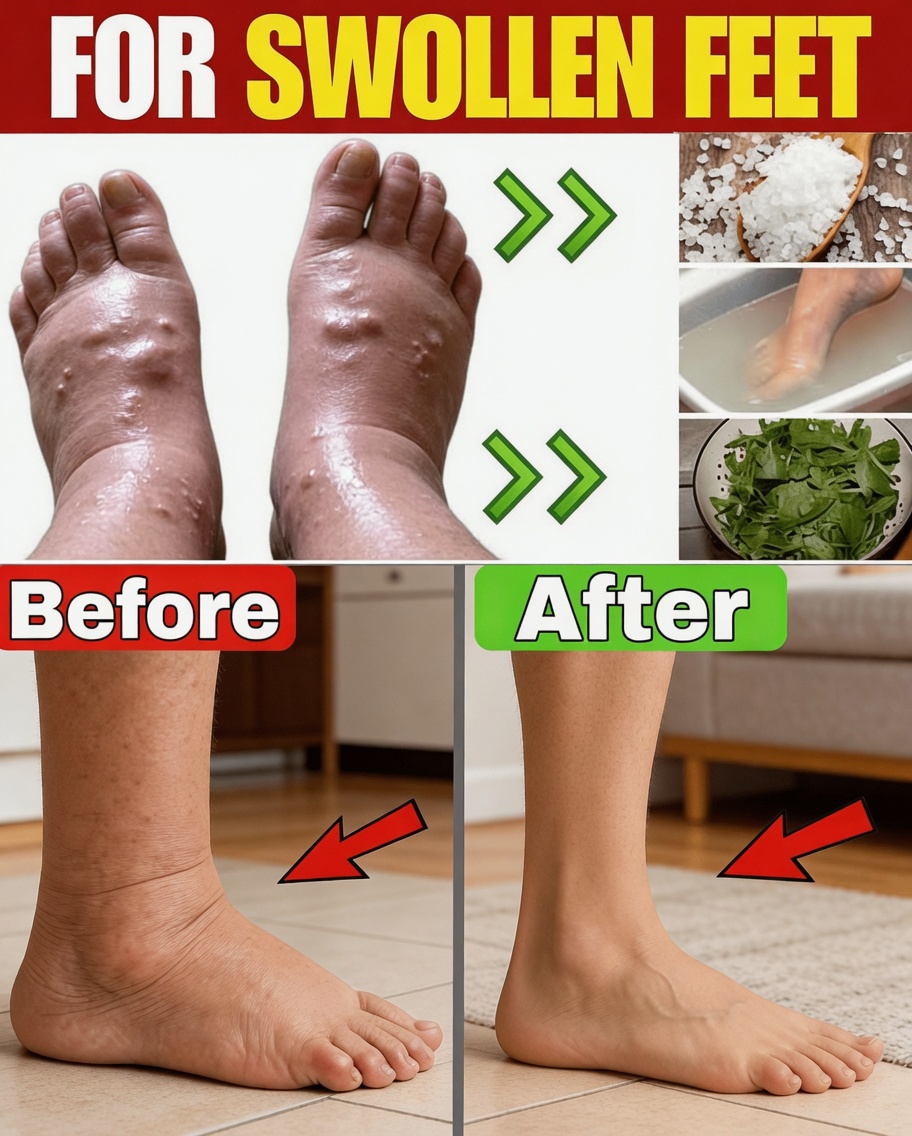
Leg swelling often happens when fluid collects in the lower extremities, leading to puffiness around the ankles, calves, and feet. You might notice:
- Shoes and socks feeling tighter than usual
- Heaviness or aching after sitting or standing too long
- Swelling that gets worse in warm weather
- Increased puffiness after high-sodium meals
Occasional swelling is common. However, ongoing or worsening swollen legs should be taken seriously and evaluated if needed. The natural options below focus on encouraging drainage, improving circulation, and reducing water retention.
1. Epsom Salt Soak for Swollen Legs
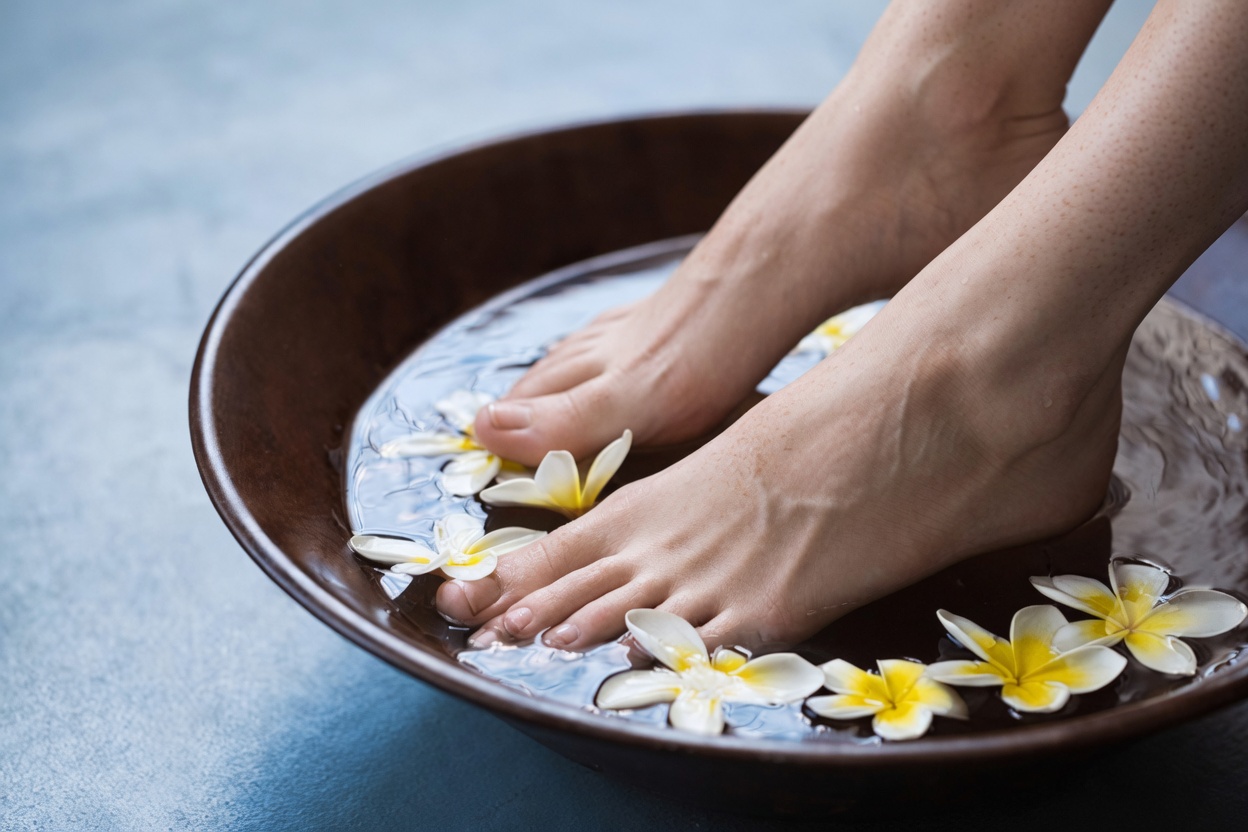
A warm soak can feel especially soothing when your legs are heavy and tight. Epsom salt (magnesium sulfate) is traditionally used to relax muscles and may support overall comfort when swelling is mild.
How to do it:
- Fill a basin or tub with comfortably warm water.
- Add ½ cup of Epsom salt and stir until dissolved.
- Soak feet and lower legs for 15–20 minutes.
- Optional: add a few drops of lavender essential oil for a calming effect.
With regular use, this simple routine may help reduce the “stretched” feeling that often comes with swollen legs.

2. Elevate Your Legs to Reduce Swelling
When fluid pools in the lower legs, gravity can make swelling feel worse. Raising your legs above heart level supports natural drainage and may quickly ease the heavy sensation.
How to do it:
- Lie down in a comfortable position.
- Place your legs on pillows or against a wall so they are higher than your heart.
- Stay there for 15–30 minutes, 1–3 times per day if possible.
This is one of the simplest methods for swollen legs, and many people feel relief relatively quickly—especially after a long day.
3. Parsley or Dandelion Tea to Support Fluid Balance
Water retention can increase swelling, especially when paired with higher sodium intake. In traditional use, parsley and dandelion are considered gentle, natural diuretics that may help the body manage excess fluid.
How to prepare:
- Add fresh parsley or dandelion leaves to hot water.
- Steep for 10 minutes.
- Strain and drink 1–2 cups daily.
If you’re managing swollen legs often, a warm herbal tea can be a simple daily habit that supports your overall fluid balance.
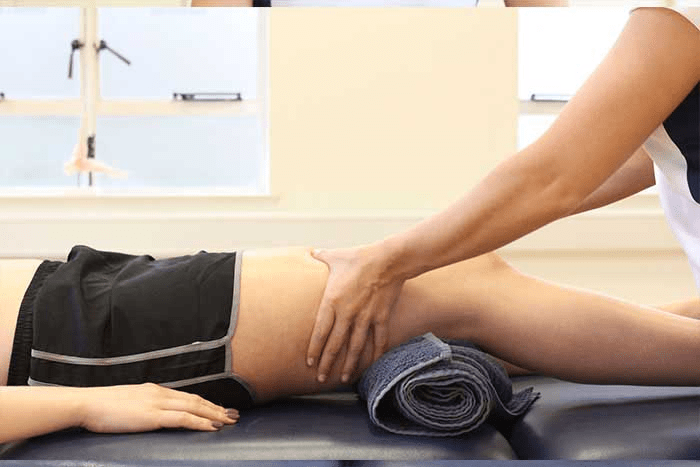
4. Gentle Upward Massage for Swollen Legs Relief
When circulation slows—especially after long periods of sitting or inactivity—swelling and pressure can feel more intense. A light massage may help encourage lymphatic flow and reduce that “stuck” heavy feeling.
How to do it safely:
- Use a carrier oil (such as almond or coconut oil).
- Optional: add diluted essential oils like cypress or grapefruit.
- Massage with light, upward strokes from ankles toward knees.
- Continue for 10–15 minutes.
Keep pressure gentle—this should feel relaxing, not painful.
5. Stay Active and Hydrated to Help Prevent Swollen Legs
It’s easy to assume drinking less would reduce swelling, but dehydration can encourage the body to hold onto fluid. Also, staying still for too long can worsen pooling in the legs.
Support your legs with:
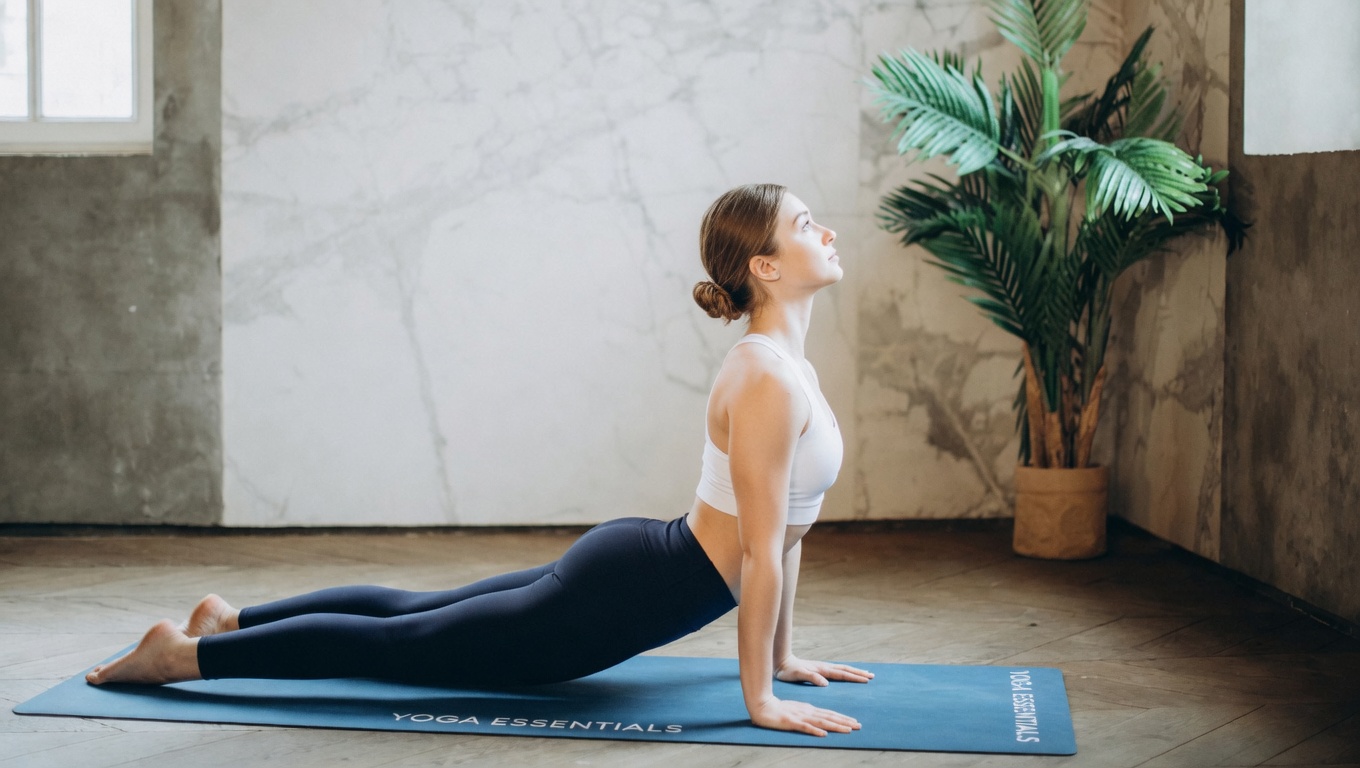
- Light movement (walking, stretching, yoga)
- Regular position changes (avoid staying seated or standing too long)
- Adequate hydration throughout the day
A consistent routine of gentle activity plus enough water may help reduce swollen legs over time and prevent frequent flare-ups.
Extra Tips That May Help with Swollen Legs
- Cut back on high-sodium foods: limit processed snacks, fast food, and packaged meals
- Take movement breaks: stand up, stretch, or walk briefly every hour
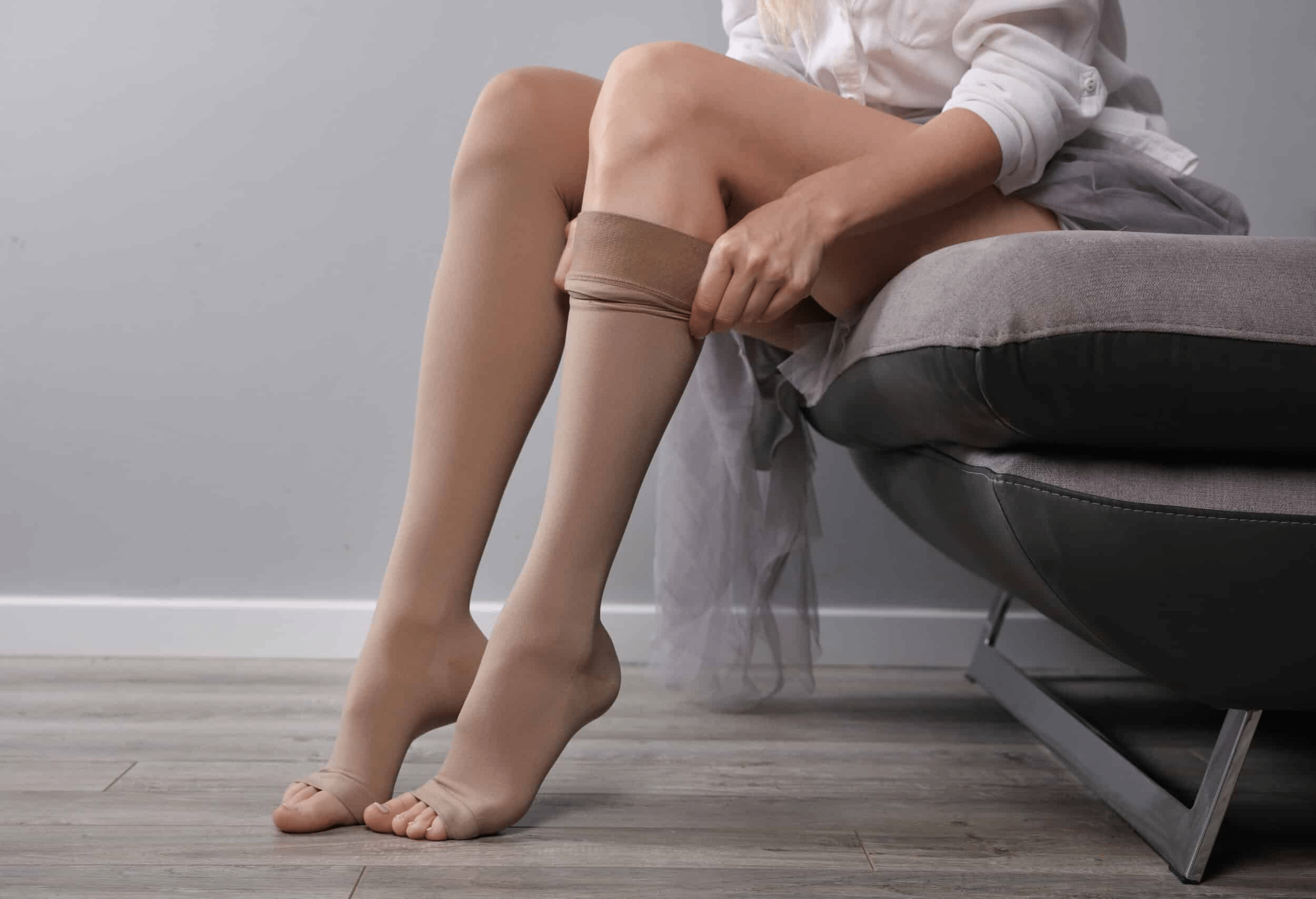
- Consider compression socks: helpful for some people with occasional swelling (especially during travel or long work shifts)
Small adjustments can significantly improve comfort when paired with the remedies above.
Simple Steps to Start Today
- Pick one method (elevation or soaking are easy starting points).
- Try it consistently for a few days and track how your legs feel.
- Add another approach gradually if needed.
- Pay attention to your body and adjust based on what helps.
With regular care, many people notice their legs feel lighter and less tight.
Frequently Asked Questions
How fast can natural remedies help swollen legs?
Some people notice improvement within hours—especially with leg elevation. Other methods (like lifestyle changes or herbal support) may work more gradually over several days with consistent use.
When should I see a doctor about swollen legs?
Seek medical advice if swelling is persistent, worsening, painful, one-sided, or comes with symptoms like shortness of breath or chest discomfort. These can signal an underlying condition that needs evaluation.
Can I use these remedies along with medical treatment?
Often, yes. It’s best to tell your healthcare provider what you’re trying so they can guide you based on your personal health needs.
Medical Disclaimer
This article is for informational purposes only and is not a substitute for professional medical advice, diagnosis, or treatment. Consult a qualified healthcare provider about persistent swollen legs or before starting any new remedy—especially if you have existing health conditions or take medications.