Subtle Changes After 40: Could They Be Silent Symptoms of Fatty Liver?
Many people in their 40s and older tend to dismiss small shifts—like ongoing tiredness or mild, occasional discomfort—as “normal aging” or the result of a packed schedule. Yet sometimes these low-key issues can be silent symptoms of fatty liver, a condition where excess fat gradually builds up in the liver. Over time, it may affect your energy, comfort, and ability to enjoy everyday life—and it can eventually contribute to more noticeable health problems.
The good news is that spotting early clues gives you a chance to bring them to a healthcare professional and consider lifestyle changes that support liver function. And by the end of this article, you’ll also learn about an unexpected everyday habit that research suggests may help protect liver health in a surprising way.
What Is Fatty Liver Disease (MASLD)?
Fatty liver disease—now often called metabolic dysfunction–associated steatotic liver disease (MASLD)—happens when fat accumulates inside liver cells. It can develop quietly, with few or no obvious warning signs at first. Among middle-aged adults, it’s increasingly common, affecting up to about one in three people, and it’s frequently associated with:
- Obesity or excess abdominal weight
- Type 2 diabetes or insulin resistance
- High cholesterol or triglycerides
What makes MASLD especially frustrating is that the silent symptoms of fatty liver can resemble everyday stress or burnout. You may feel “not quite right” without a clear explanation—struggling to keep up at work, at home, or during social activities.
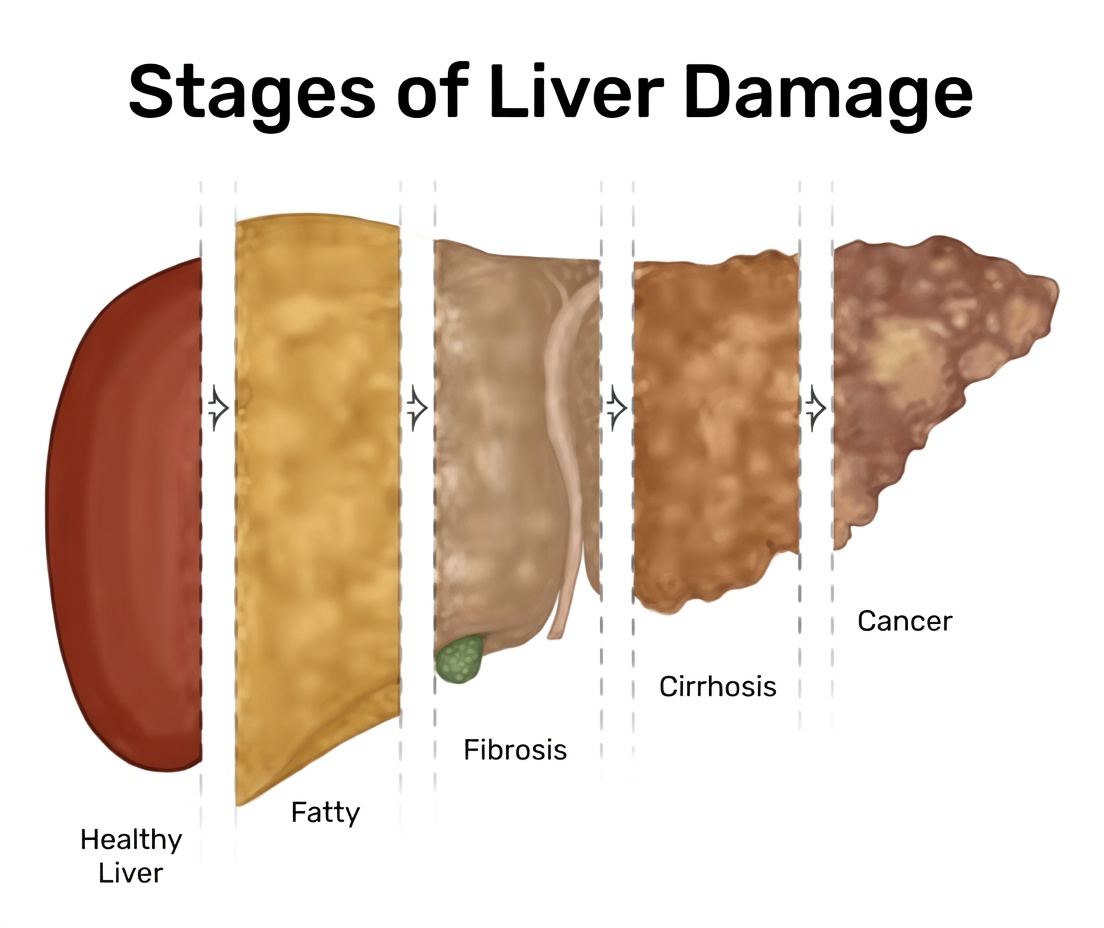
Importantly, fatty liver isn’t only about fat storage. Evidence suggests that without changes or treatment, it may progress to liver inflammation and scarring (often discussed as steatohepatitis). Many people only discover the issue after routine bloodwork shows elevated liver enzymes.
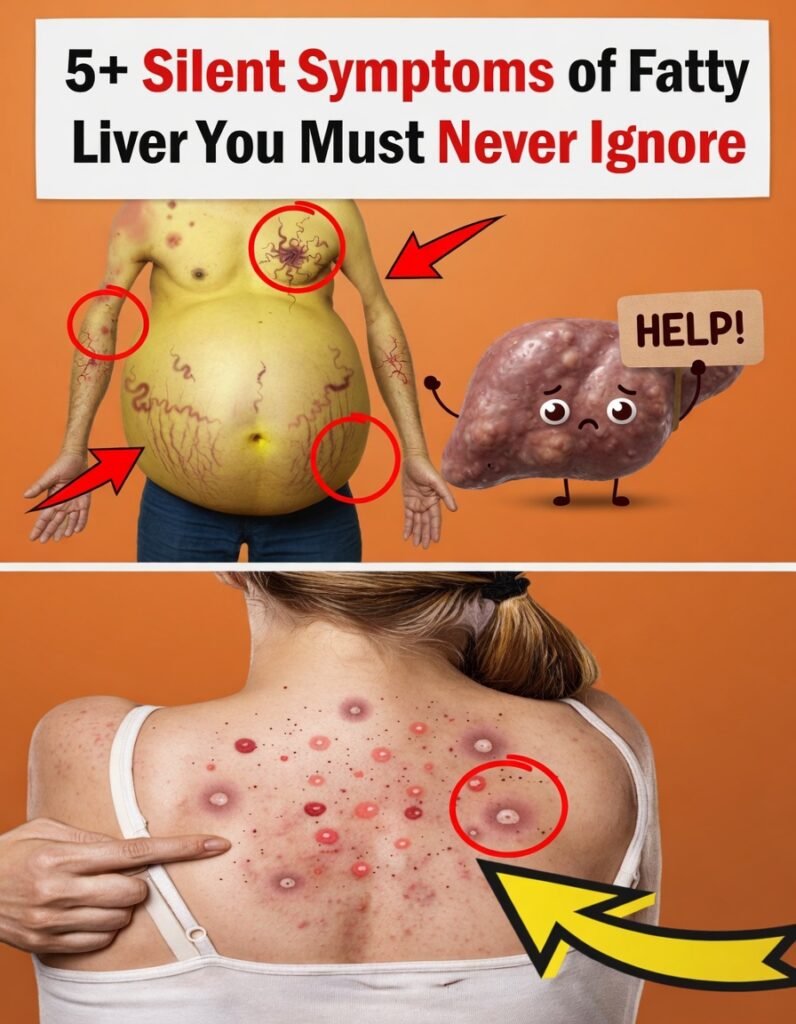
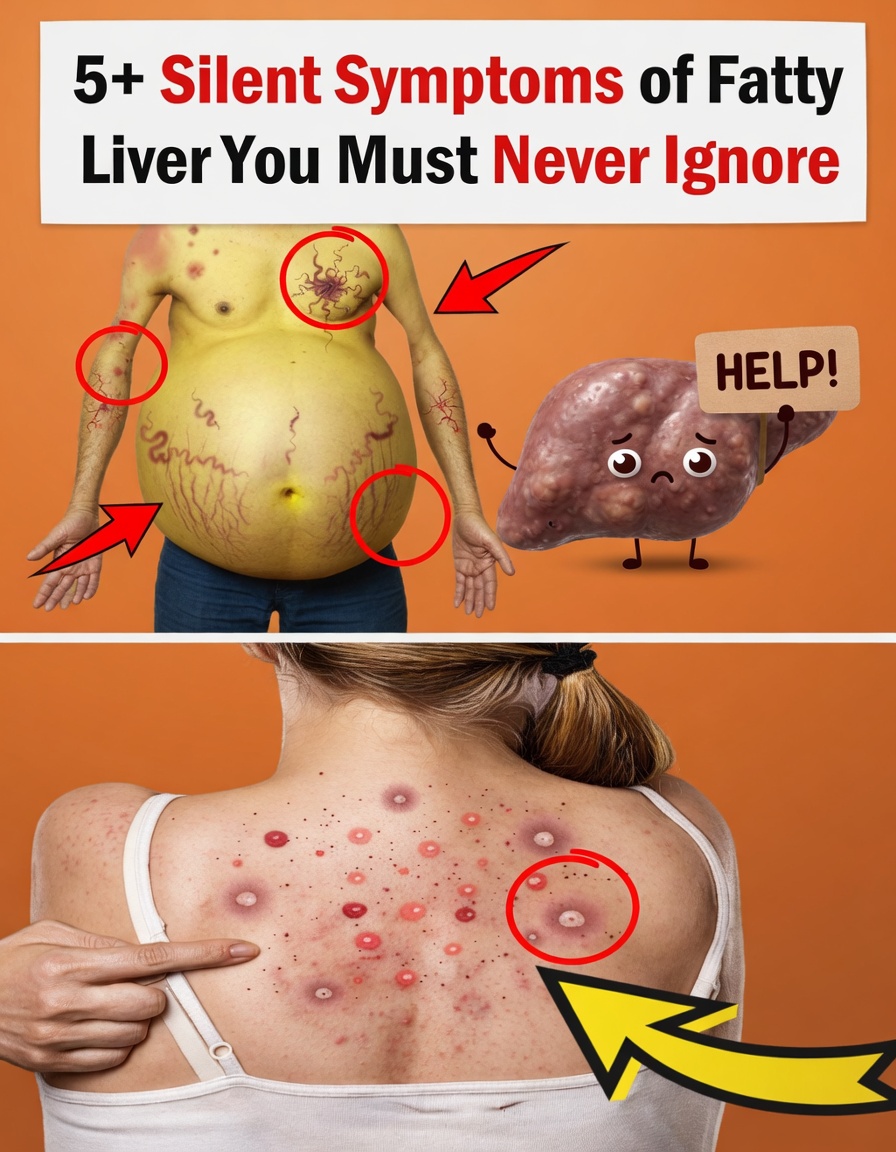
6 Silent Symptoms of Fatty Liver to Watch For
1. Persistent Fatigue That Doesn’t Improve With Rest
A frequent silent symptom of fatty liver is ongoing fatigue—the kind that lingers even after a full night’s sleep. You might wake up feeling fine, then hit a wall by midday, making normal tasks feel unusually draining.
This can happen when the liver isn’t working at its best, affecting how efficiently your body processes nutrients and manages energy. Reputable medical sources (including the Mayo Clinic) note that this kind of fatigue is often brushed off as aging or overwork, even when it may reflect underlying liver stress.
2. Mild Upper-Right Abdominal Discomfort
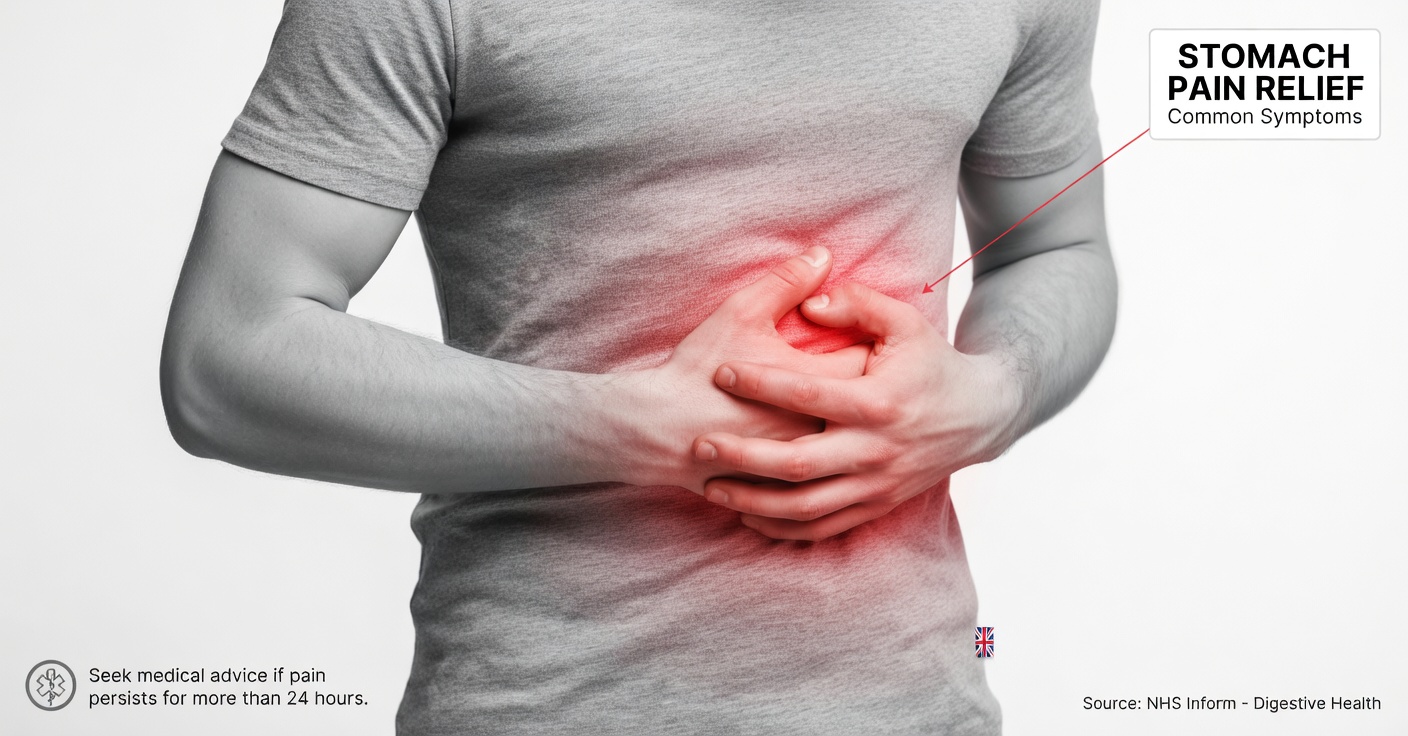
Another common but easily ignored sign is a dull ache, pressure, or sense of fullness in the upper-right abdomen (under the ribs). It may feel subtle, come and go, or worsen after meals or long periods of sitting.
This sensation can occur when the liver becomes slightly enlarged from fat buildup and presses on nearby tissues. Because it can resemble indigestion or a muscle strain, many people don’t connect it to silent symptoms of fatty liver—especially when it’s intermittent.
3. Unexplained Weight Changes (Gain or Difficulty Losing)
Fatty liver can be linked with metabolic changes that make it easier to store fat—especially around the midsection—and harder to lose weight even with consistent effort. This can be discouraging and may affect confidence and motivation.
In some cases, as the condition becomes more advanced, people may notice unintentional weight loss, sometimes connected with reduced appetite. Either pattern can be a clue that something metabolic is shifting beneath the surface.

4. Loss of Appetite Over Time
A lesser-known silent symptom of fatty liver is a gradual drop in appetite. Meals that used to be enjoyable may start to feel unappealing, leading to smaller portions or skipped meals.
This may relate to the liver’s role in digestion and hormone signaling that helps regulate hunger. Because appetite loss can develop slowly, it’s often overlooked until it contributes to lower energy, weakness, or nutritional gaps.
5. Itchy Skin Without an Obvious Rash
Ongoing itchiness—especially when there’s no clear rash or allergy trigger—can be another potential signal. One explanation is that reduced liver efficiency may contribute to bile salt buildup, which can irritate the skin.
This itching may be more noticeable at night, disrupting sleep and adding to daily discomfort. While itching is often discussed in more advanced liver concerns, it can also appear in milder, earlier forms and still deserves attention when persistent.

6. Brain Fog and Trouble Concentrating
“Brain fog” can show up as forgetfulness, reduced focus, slower thinking, or difficulty multitasking. The liver plays a critical role in filtering substances from the blood; when that process is less efficient, it may contribute to mental cloudiness.
Because concentration issues are often blamed on stress, poor sleep, or aging, this symptom is easy to miss—yet it can significantly affect work performance, relationships, and overall quality of life.
Quick Comparison: How These Symptoms Affect Daily Life
| Silent symptom of fatty liver | What it can feel like | Common impact |
|---|---|---|
| Persistent fatigue | Constant tiredness despite rest | Lower productivity, higher stress |
| Upper-right abdominal discomfort | Dull ache/pressure under right ribs | Irritability, reduced comfort |
| Unexplained weight changes | Weight gain (especially belly) or difficulty losing | Motivation dips, body-image stress |
| Loss of appetite | Food becomes less appealing | Nutrient gaps, social withdrawal |
| Itchy skin | Persistent itching without rash | Poor sleep, self-consciousness |
| Brain fog | Trouble focusing or remembering | Work/relationship strain, frustration |
Practical Steps That Can Support Liver Health
If these silent symptoms of fatty liver sound familiar, consider discussing them with a healthcare professional. Alongside medical guidance, the following habits are widely recommended to support overall liver function and metabolic health:
- Choose a balanced, whole-food diet
- Emphasize vegetables, fruit, legumes, whole grains, and lean proteins
- Reduce ultra-processed foods and excess added sugars where possible
- Aim for regular physical activity
- Even consistent walking and basic strength work can support metabolic health
- Work toward a healthy waistline
- Abdominal fat is strongly linked with metabolic risk factors associated with MASLD
- Address related conditions
- Managing blood sugar, cholesterol, and triglycerides can help reduce liver strain
- Keep up with routine checkups
- Fatty liver is often found through labs (like liver enzymes) or imaging during regular care
The Unexpected Everyday Habit: Coffee (In Moderation)
Here’s the intriguing piece many people don’t expect: multiple studies have associated regular coffee consumption with markers of improved liver health. Research suggests coffee may support the liver by influencing inflammation and other protective pathways. If you already drink coffee, this can be reassuring; if you don’t, it’s worth discussing with your clinician—especially if you have other health considerations (like anxiety, reflux, pregnancy, or heart rhythm concerns).
The key is moderation and personalization: coffee isn’t a cure, but it may be a helpful part of an overall liver-supportive lifestyle.
When to Seek Medical Advice
Consider making an appointment if you notice a cluster of symptoms—especially persistent fatigue, upper-right abdominal discomfort, unexplained weight changes, or brain fog. A clinician can evaluate your risk factors and may recommend simple steps such as blood tests (including liver enzymes) and, when appropriate, imaging.
Recognizing silent symptoms of fatty liver early can make it easier to take meaningful action—and protect your long-term health.