Pumpkin Seeds for Muscle Health in Seniors: 12 Practical Reasons to Consider Them
Many older adults notice a gradual loss of muscle strength over the years. Tasks that once felt routine—climbing stairs, carrying groceries, getting up from a chair—can start to feel harder, more tiring, and even discouraging. Beyond the frustration, weaker muscles may increase concerns about balance, falls, and losing the independence you’ve worked so hard to keep.
A small, everyday nutrition upgrade may help: pumpkin seeds. Thanks to nutrients such as magnesium, protein, iron, and zinc, pumpkin seeds may support muscle health in seniors in several practical ways.
In this guide, you’ll find 12 realistic reasons pumpkin seeds may help with common muscle challenges in later life—plus an exclusive tip at the end to make the benefits easier to use consistently.
1) May Support Muscle Strength Through Magnesium and Protein
If muscle weakness is making daily activities feel like a struggle, pumpkin seeds offer a simple way to add key building blocks to your meals. Magnesium plays a central role in muscle function, while protein supports muscle tissue maintenance.
Many people use pumpkin seeds as a topping for salads, soups, or vegetables as an easy habit. If you’re exploring pumpkin seeds for muscle health in seniors, starting small and using them regularly can be a gentle first step.
2) May Help Reduce Early Muscle Fatigue
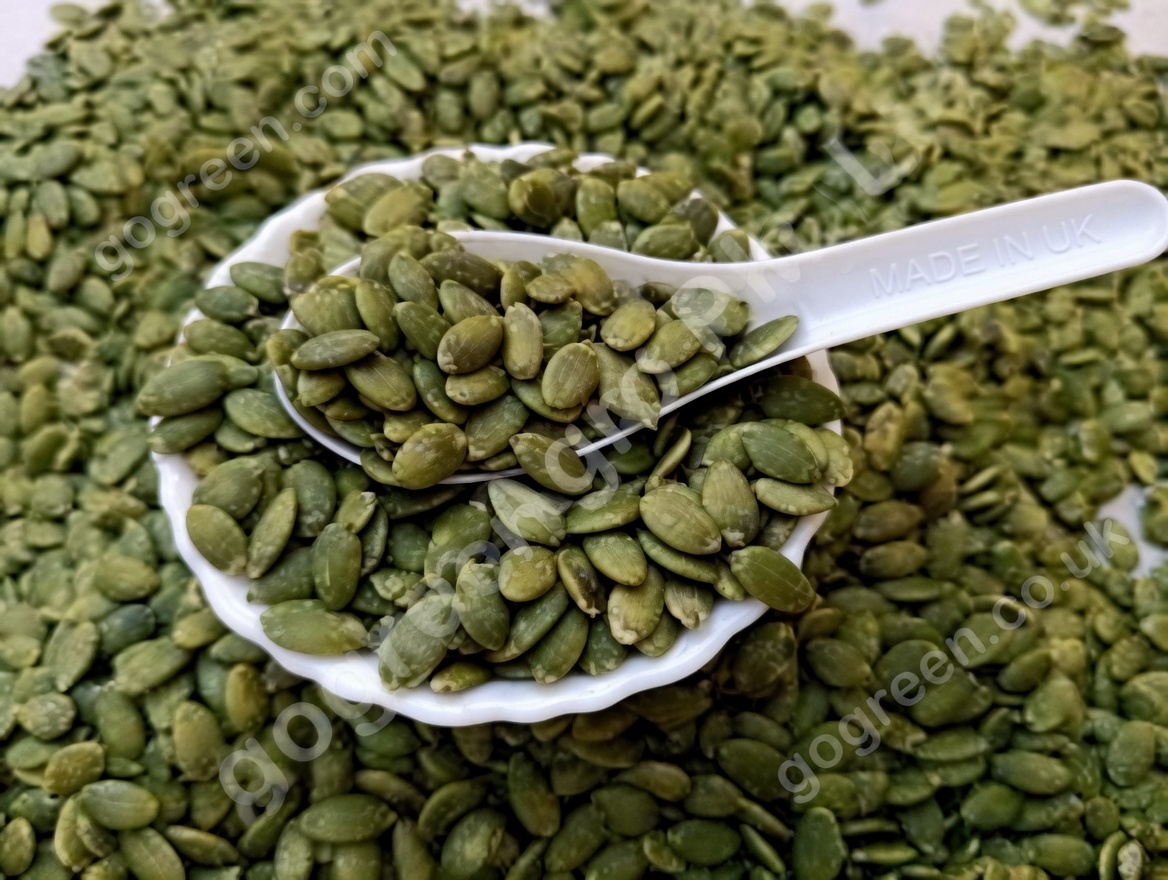
Feeling tired “too soon” can limit walking, gardening, travel, and social life. Pumpkin seeds contain iron and zinc, minerals involved in energy-related processes in the body, which may help reduce the sense of muscle fatigue over time.
As a practical option, some seniors find that a small handful as a snack helps them feel steadier through the afternoon—without complicated routines.
3) May Support Muscle Repair After Activity
Slower recovery—even after light movement—can be discouraging for active seniors. The protein in pumpkin seeds supports the body’s natural repair and rebuilding processes, which may help muscles feel ready again sooner.
A convenient approach is blending pumpkin seeds into smoothies or adding them to yogurt, especially on days you’re more active than usual.
4) Supports Bone Strength That Works Together With Muscles
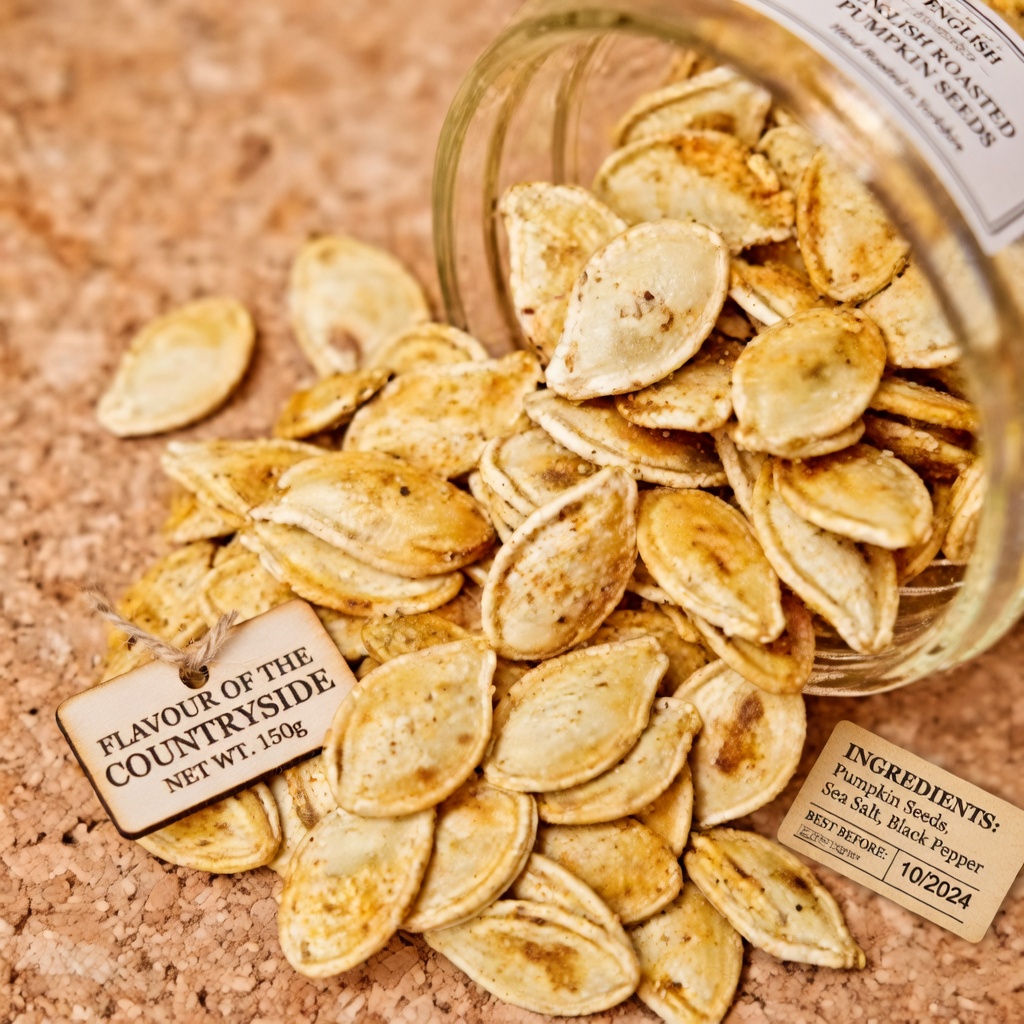
Muscles and bones work as a system: when bones are supported, movement often feels more stable and confident. Pumpkin seeds provide magnesium and phosphorus, nutrients linked to bone health—an important partner to muscle health in seniors, especially for balance and stability.
Some older adults find that adding pumpkin seeds to breakfast foods (like oatmeal or yogurt) is an easy way to stay consistent.
5) May Improve Muscle Endurance Through Better Oxygen Support
When muscles tire quickly, it can be hard to keep up with hobbies or family activities. Iron helps support oxygen transport in the body, which may contribute to better endurance during movement.
Using pumpkin seeds as a topping on oatmeal or salads is a simple way to add iron-rich nutrition without changing your entire diet.
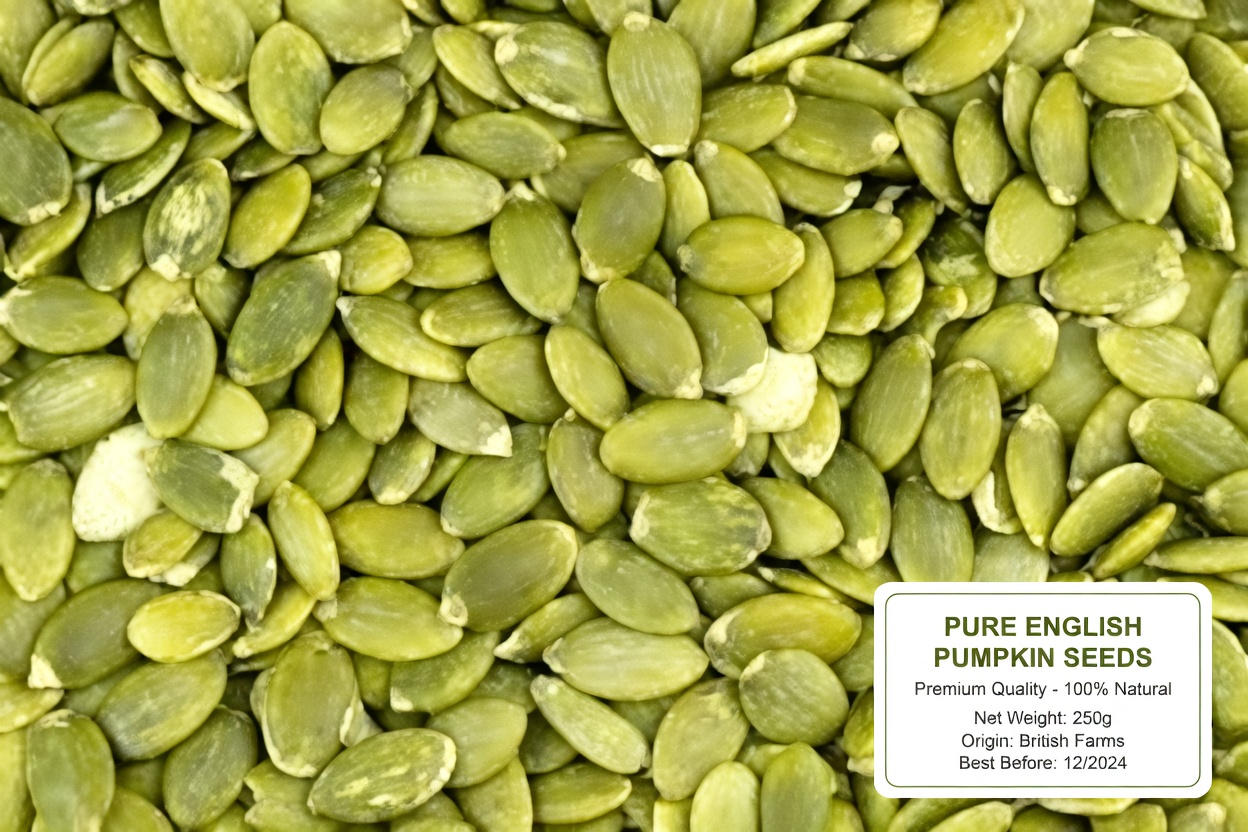
6) May Support Circulation, Helping Muscles Feel Less Heavy
Poor circulation can make legs and muscles feel sluggish, especially during walks. Pumpkin seeds contain antioxidants and other supportive nutrients that may help promote healthy blood flow—important for delivering oxygen and nutrients to muscle tissue.
For seniors focused on daily comfort, consistent intake may be more helpful than occasional use.
7) May Reduce Muscle Cramps, Especially at Night
Night cramps can disrupt sleep, recovery, and energy the next day. Pumpkin seeds are known for their high magnesium content, and magnesium is commonly associated with muscle relaxation and cramp support.
A small serving in the evening (for example, sprinkled on yogurt) may be a simple habit for those who experience frequent cramps.
8) May Support Joint Comfort by Helping Manage Inflammation
As muscles weaken, joints may carry more stress—making movement feel stiff or uncomfortable. Pumpkin seeds are often linked with anti-inflammatory nutrition, which may indirectly support joint comfort and smoother mobility.
This can matter for everyday tasks such as carrying items, climbing stairs, or standing longer in the kitchen.
9) May Help Maintain Mobility and Everyday Independence
Mobility often depends on a combination of strength, balance, and recovery. With protein and minerals that support muscle function, pumpkin seeds may contribute to maintaining mobility when used consistently as part of an overall routine.
For example, sprinkling them onto meals you already eat (salads, soups, grain bowls) can be easier than adding an entirely new snack.
10) May Support Daily Energy Levels
Low energy can make exercise, walking, and even household tasks feel overwhelming. Iron and magnesium play roles in energy metabolism, and pumpkin seeds provide both—supporting overall vitality in a way that can complement other healthy habits.
Many seniors prefer adding pumpkin seeds to breakfast so the nutritional benefits support the rest of the day.
11) May Support Mood and Motivation (Mind–Body Connection)
Muscle weakness can affect confidence and motivation, sometimes creating a cycle: less strength leads to less activity, which can further reduce strength. Nutrients such as magnesium have been associated with relaxation and mood balance, which may help support a healthier mind–body rhythm.
A steadier mood can make it easier to stay consistent with movement, nutrition, and daily routines that protect muscle health in seniors.
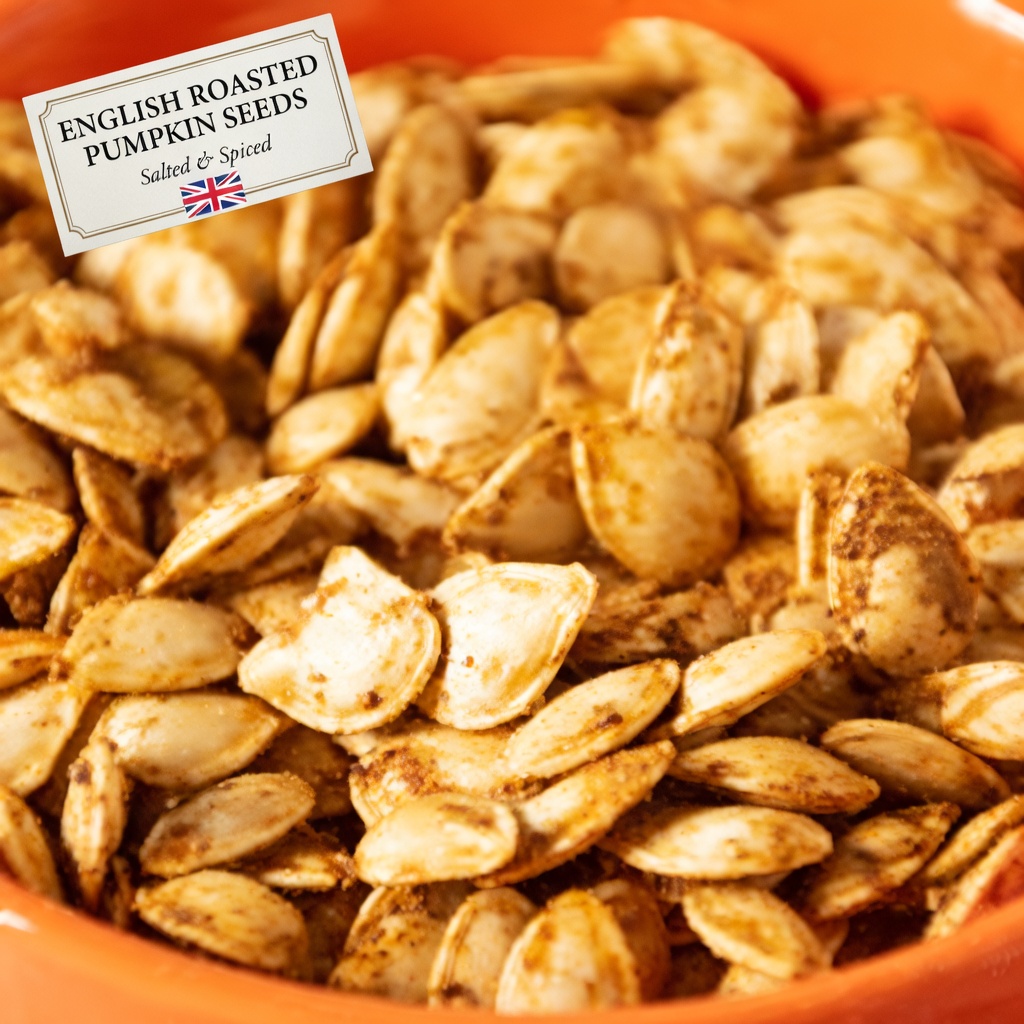
12) May Support Muscle Coordination Through Nervous System Function
Muscle performance isn’t only about “muscle tissue”—it also depends on nerve signaling. Magnesium supports normal nerve function, which is part of coordination and smooth movement. For seniors focused on feeling stable and confident, this can be an overlooked piece of the puzzle.
Over time, better coordination can support safer movement patterns and reduce the fear of missteps.
Exclusive Tip: Use Pumpkin Seeds Strategically for Better Consistency
To get the most from pumpkin seeds for muscle health in seniors, focus on a routine you can maintain:
- Pair them with protein-rich foods (yogurt, eggs, beans, fish, lean poultry) to support muscle maintenance.
- Use them as a “topping habit” rather than a separate snack: salads, oatmeal, soups, and smoothies are easy options.
- Start small and stay consistent—regular use matters more than large, occasional servings.
Pumpkin seeds are not a cure-all, but as an affordable, easy-to-use food, they can be a practical addition for seniors who want to support strength, recovery, endurance, and overall confidence in daily movement.