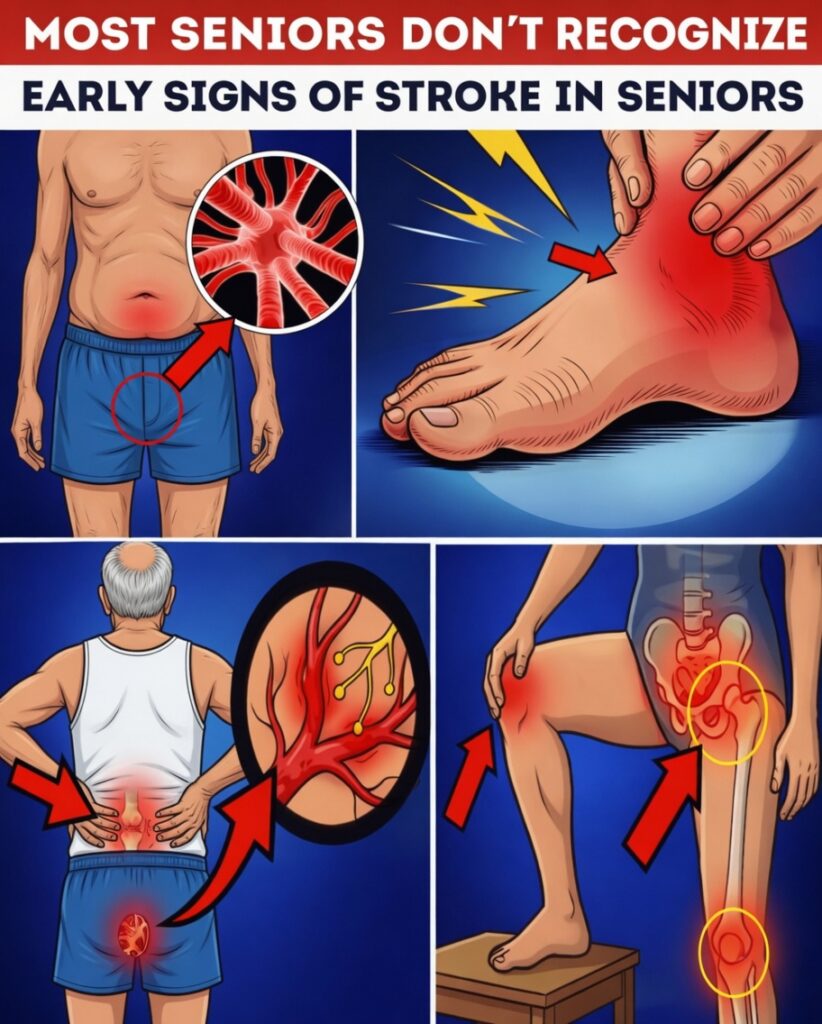
Early Warning Signs of Stroke: 10 Red Flags You Should Never Ignore
Stroke impacts millions of people every year, and its effects can be life-changing—altering independence, routines, and the way families function day to day. For many, the most unsettling part is how suddenly the ability to move, speak, or see can change.
What makes this even more dangerous is that the early warning signs of stroke may show up as brief, reversible episodes that disappear quickly. Because they fade, they’re often blamed on stress, fatigue, dehydration, or “just getting older.” Yet these short events can be powerful signals of serious vascular risk ahead. Learning to recognize the early warning signs of stroke can help you respond faster and protect the quality of life you value most.
Why Early Warning Signs of Stroke Matter More Than Ever
As we age, blood vessels and circulation face increasing strain. That can raise the odds of temporary blockages or bleeding events—sometimes appearing as short-lived symptoms that resolve on their own.
The problem is that many adults experience odd, fleeting changes and don’t connect them to the early warning signs of stroke. When those moments are ignored, families may lose a crucial opportunity to act early, reduce risk, and prevent more severe outcomes. Awareness doesn’t create fear—it turns uncertainty into preparedness and confidence.
10 Early Warning Signs of Stroke (With Real-Life Context and What to Do)
1) Sudden Weakness or Numbness on One Side
You might notice one arm or leg suddenly feels heavy, weak, or numb—like it won’t cooperate while pouring coffee, texting, or buttoning a shirt. This is one of the most classic early warning signs of stroke, and even if it resolves within minutes, it can signal unstable blood flow.
A 62-year-old accountant once brushed off a brief episode of right-arm weakness as a “pinched nerve.” Later, the symptoms returned more seriously. If you feel this even briefly, treat it as urgent and get evaluated.
2) Sudden Trouble Speaking or Understanding
If your speech becomes slurred, words won’t come out correctly, or you suddenly can’t understand what someone is saying, it may be linked to a temporary disruption in brain language regions—another key early warning sign of stroke.
One nurse reported being unable to name common objects during a phone conversation and blamed exhaustion. If speech suddenly shifts from normal—even for a moment—take it seriously.
3) Sudden Vision Changes (One Eye) or Double Vision
A fast “curtain” over one eye, blurry vision, or sudden double vision that clears quickly can indicate issues with carotid or retinal blood flow. These events are often dismissed as screen strain, but they can be major early warning signs of stroke.
If vision changes appear unexpectedly, don’t wait for it to happen again—seek medical guidance promptly.
4) Sudden Dizziness, Loss of Balance, or Coordination Problems
A sudden spinning sensation, unexpected unsteadiness, or difficulty walking straight can point to stroke-related changes in certain brain areas. This is frequently mistaken for an inner-ear issue.
If dizziness happens alongside numbness, weakness, vision changes, or speech trouble, assume it could be among the early warning signs of stroke and get checked.

Quick Mid-Article Check-In
- How many signs have you seen so far that feel familiar?
- Which symptom would you be most likely to dismiss?
- Are you noticing how often the early warning signs of stroke can look “minor” at first?
5) Sudden Severe “Worst Headache of Your Life”
A thunderclap headache that peaks within seconds—especially with nausea, neck stiffness, or unusual neurological symptoms—can be an emergency until proven otherwise. It may represent one of the most serious early warning signs of stroke.
If a headache is extreme, sudden, and unlike your usual pattern, don’t label it as stress—seek urgent evaluation.
6) Sudden Loss of Part of Your Visual Field
If half of your vision seems to disappear—so you miss objects on one side or can’t see part of a room—this isn’t typical fatigue. It can reflect a disruption in brain visual pathways and is a distinct early warning sign of stroke.
Often, family members notice it first (for example, you bump into objects). Treat sudden visual field loss as urgent.
7) Sudden Confusion or Difficulty Doing Familiar Tasks
If a routine action—dialing a phone number, following a familiar recipe, or completing a basic task—suddenly feels impossible, it may be more than a normal lapse. Sudden confusion is one of the early warning signs of stroke that can occur when brain blood flow is briefly compromised.
Track these moments and don’t ignore them, especially if they appear abruptly.
8) Sudden Change in Walking or Gait
A dragging foot, veering to one side, or a sudden shift in how you walk is different from gradual stiffness or long-term joint issues. Abrupt gait changes can be among the early warning signs of stroke, particularly when paired with weakness or balance trouble.
If walking changes appear suddenly, act quickly rather than “waiting it out.”
9) Sudden Tilting Sensation, Falling Feeling, or Limb Incoordination
If the ground seems to tilt, your limbs suddenly feel poorly coordinated, or you feel like you might fall—sometimes with nausea—this may indicate a problem in posterior brain regions and can be an important early warning sign of stroke.
Because it can resemble a stomach bug or vertigo, it’s often dismissed. Pay attention to clusters of symptoms.
10) Any Brief, Reversible Stroke-Like Episode (TIA)
A transient ischemic attack (TIA) is a short episode that looks like a stroke but fully resolves. It is one of the strongest early warning signs of stroke, and it should be treated as a medical emergency.
The risk of a major stroke can be highest soon after a TIA. Even if symptoms disappear, getting immediate care can reduce long-term harm.

Putting It Together: Use the BE FAST Stroke Checklist
Because the early warning signs of stroke often overlap, the BE FAST tool helps you recognize patterns quickly:
- B — Balance: sudden dizziness or loss of coordination
- E — Eyes: sudden vision changes
- F — Face: facial drooping or uneven smile
- A — Arms: arm (or leg) weakness on one side
- S — Speech: slurred speech or trouble speaking/understanding
- T — Time: call for help immediately
Using BE FAST gives you a simple, reliable way to respond without hesitation.
Common Excuses vs. Reality: Don’t Talk Yourself Out of Getting Help
-
One-sided weakness: often blamed on fatigue or a pinched nerve
- Reality: may reflect a brief clot disrupting blood flow
- Action: get evaluated immediately
-
Speech trouble: often dismissed as being tired or stressed
- Reality: language centers may be temporarily affected
- Action: seek urgent medical assessment
-
Vision changes: often attributed to eye strain
- Reality: can be a warning sign from arteries supplying the eye/brain
- Action: contact a healthcare professional right away
-
Severe headache: often called a migraine or stress
- Reality: unusual sudden intensity requires urgent rule-out
- Action: go to emergency services if it’s abrupt and atypical
A Simple 4-Week Action Plan to Stay Ahead of Stroke Risk
-
Week 1: Build a daily baseline
- Do a quick self-check: smile evenly, raise both arms, speak a simple sentence clearly.
-
Week 2: Track suspicious episodes
- Write down any brief symptoms related to the early warning signs of stroke (what happened, how long it lasted, what you were doing).
-
Weeks 3–4: Schedule a risk-factor check
- Review blood pressure and other health factors connected to stroke risk with your clinician.
-
Ongoing: Teach your household BE FAST
- Make sure family members can recognize and respond to the early warning signs of stroke.
Keep emergency contacts accessible—when stroke is possible, time matters.
Why Acting on Early Warning Signs of Stroke Can Change Everything
Staying alert to the early warning signs of stroke helps protect mobility, independence, and peace of mind. Many people only realize later that a “small, weird episode” was a major warning—while others turn that moment into early treatment and prevention.
What to Do Next (3 Steps)
- Save and share this guide so loved ones can recognize the early warning signs of stroke.
- Practice BE FAST today so you can respond quickly under stress.
- If any early warning sign of stroke appears—even briefly—seek medical attention immediately.