
If you’ve been dealing with persistent fatigue, occasional digestive upset, or skin that looks lackluster even after trying multiple products, it’s easy to feel stuck. Expensive wellness trends can add up fast—yet the results often don’t last. That’s why many people are returning to simple, everyday options like thyme, a familiar kitchen herb that can offer gentle, practical support.
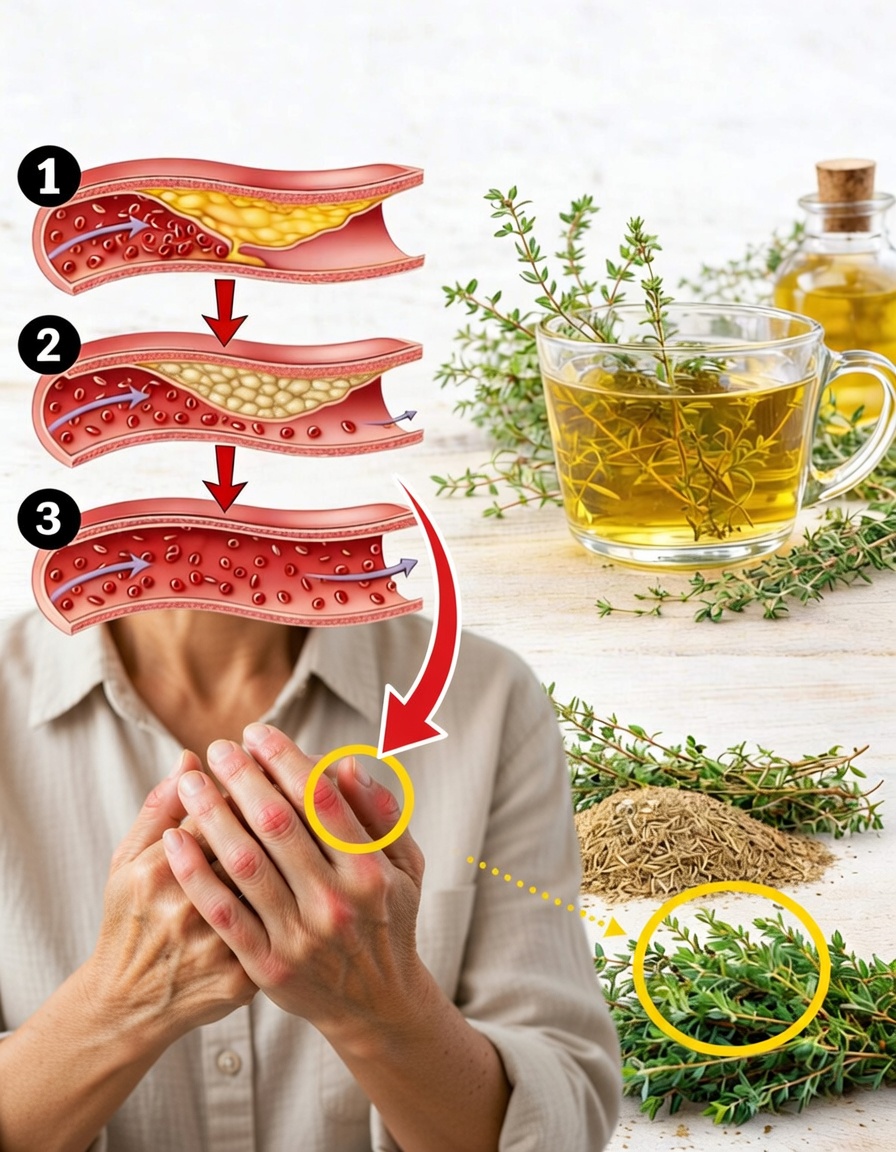
Keep reading—later you’ll find a two-minute thyme habit that makes using this herb feel effortless and consistent.
Why Thyme Deserves a Spot in Your Daily Wellness Routine
Across many traditions, thyme has long been used as more than a seasoning. If you’re over complicated routines and want something natural that fits real life, thyme is an easy place to start: it’s widely available, budget-friendly, and flexible enough to use in food, tea, aromatherapy, and even home care.
Research points to key plant compounds in thyme—especially thymol and carvacrol—that may help the body handle everyday stressors that can leave you feeling depleted. Another advantage: you know exactly what you’re using, without relying on pricey, heavily marketed products.
Thyme isn’t only about taste. With regular use, it can support multiple areas of everyday wellness in a gentle, steady way.
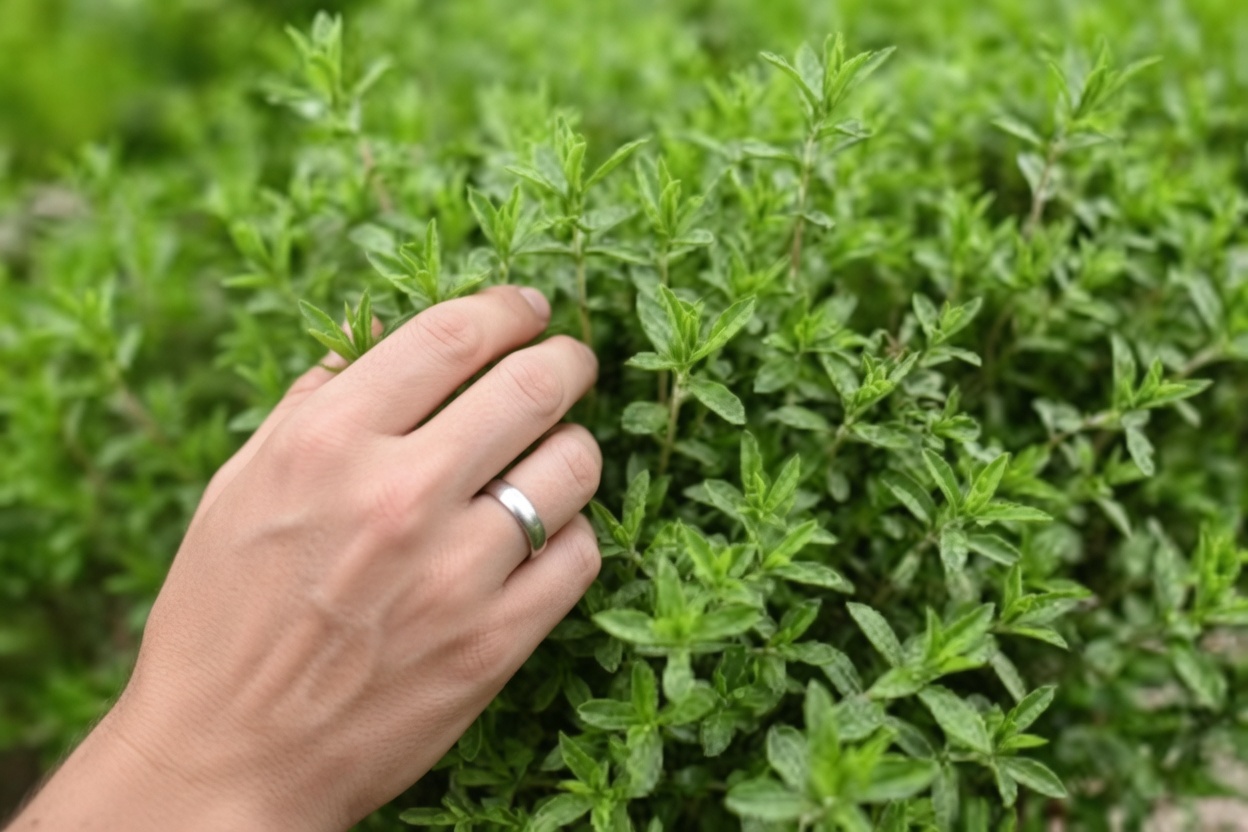
8 Benefits of Thyme for Everyday Wellness
Thyme is naturally rich in antioxidants, which help support the body against oxidative stress—something many people experience from busy schedules, poor sleep, and constant stimulation. By making thyme part of your routine, you may feel more refreshed and less weighed down by that “afternoon crash” sensation.
1) Supports Immune Function
When seasonal shifts or stressful periods make you feel run down, thyme can be a simple addition to help maintain normal immune function. It contains vitamin C and other nutrients commonly associated with immune support, making it an easy, food-first option.
2) Helps Maintain Respiratory Comfort
Thyme has a long history of traditional use for airway and breathing comfort, especially when congestion or irritation makes breathing feel heavier than usual. Many people find it soothing during tougher times of the year.
3) Promotes Digestive Ease
If you occasionally experience bloating or discomfort after meals, thyme’s traditional carminative qualities may help support comfortable digestion. Using thyme in cooking can make meals feel lighter and more enjoyable.
4) Provides Anti-Inflammatory Support
Everyday activity can lead to stiffness and general discomfort. Thyme contains compounds studied for supporting the body’s normal inflammatory response, which may help you feel more comfortable as you move through your day.
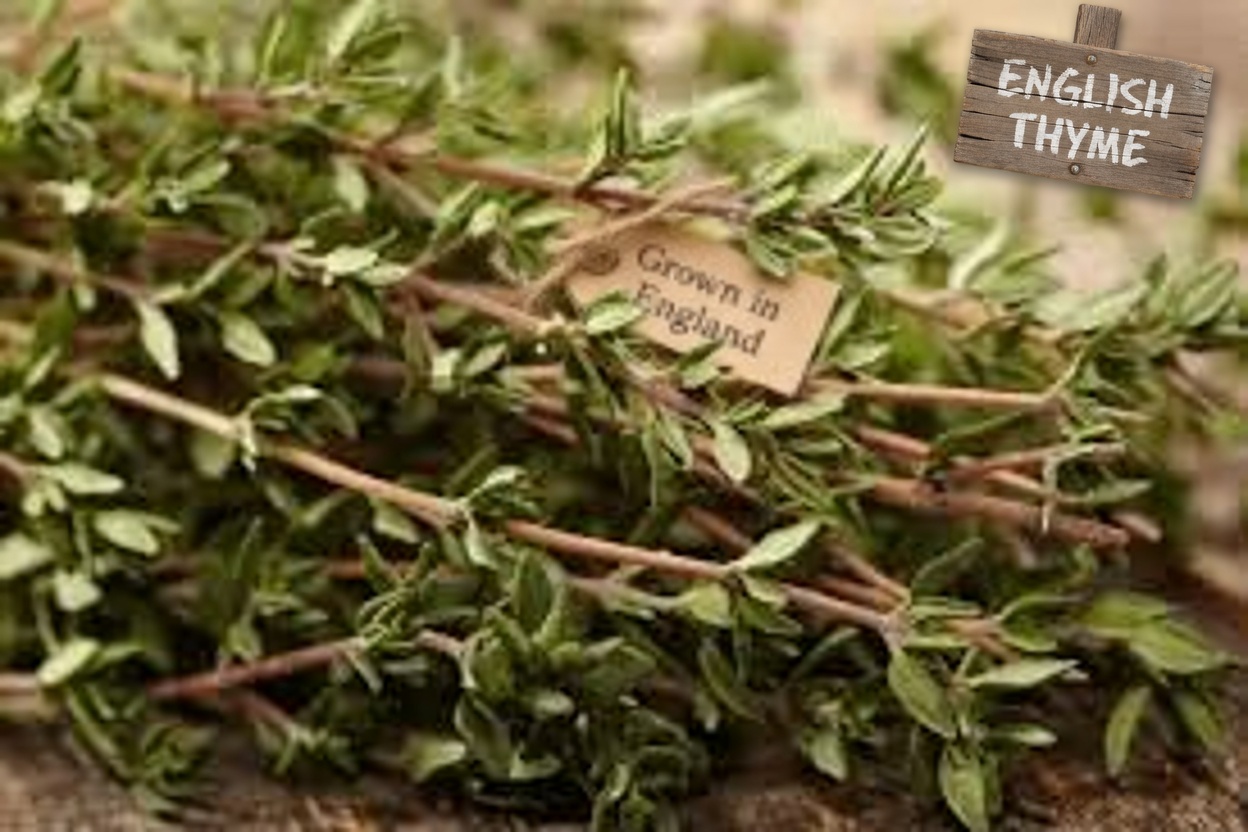
5) Supports Clearer-Looking Skin
For those dealing with breakouts or dullness, thyme is known for its antibacterial properties. When used appropriately (especially in diluted topical forms), it may help support skin that looks cleaner and more balanced over time.
6) Supports Heart Health
If you’re focused on circulation and long-term cardiovascular wellness, thyme’s antioxidants and plant compounds may contribute to healthy blood flow and overall heart support as part of a balanced lifestyle.
7) Encourages Relaxation and Stress Relief
After a long day, thyme can also support a calmer mood. Thyme essential oil is commonly used in aromatherapy for its grounding scent, which many people associate with relaxation and emotional reset.
8) Enhances Overall Vitality
When you combine thyme’s broad range of properties—antioxidant support, digestive comfort, seasonal wellness support, and more—it often contributes to a general sense of day-to-day vitality when used consistently.
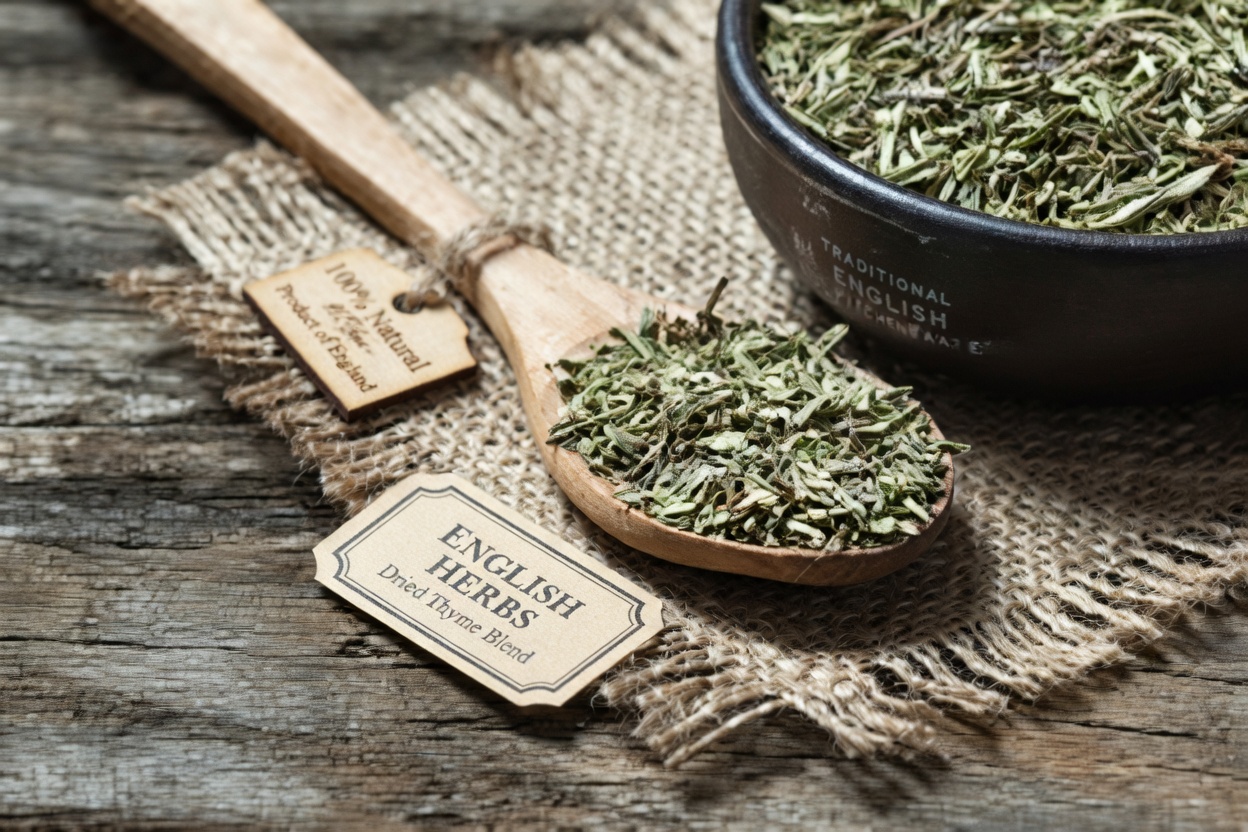
Common Everyday Uses of Thyme
Thyme is one of the easiest herbs to use in daily cooking. Its earthy, slightly minty flavor can make healthy meals feel far less repetitive—especially in soups, roasted dishes, and simple marinades.
Popular ways to use thyme include:
- Add fresh or dried thyme to roasted vegetables or chicken
- Stir thyme into salad dressings, sauces, or herb butter
- Blend thyme into DIY spice mixes such as herbes de Provence
How to Make Thyme Tea at Home
Thyme tea is a simple, caffeine-free option for people who want something warm and comforting without a stimulant crash. To make it:
- Add fresh thyme sprigs or dried thyme leaves to a cup.
- Pour hot water over the herb.
- Steep for 5–10 minutes, then strain.
Many people enjoy thyme tea after meals to support digestive comfort, or in the evening as part of a wind-down routine.
Thyme Essential Oil and Topical Use Basics
Thyme essential oil is highly concentrated. If you’re using it for skin concerns or muscle tension, it should be diluted in a carrier oil (such as jojoba, almond, or coconut oil) before applying.
Common uses include:
- Massage blends for tired muscles
- Skincare routines aimed at a “purifying” feel (with proper dilution)
Always patch test first, especially if you have sensitive skin.

Thyme in Natural Cleaning Products
Because thyme is known for its antimicrobial qualities, it’s also popular in natural home cleaning. If you dislike harsh chemical smells, thyme-based DIY sprays can offer a fresher alternative while supporting a cleaner-feeling environment.
How (and When) to Use Thyme Daily
The best approach is simple and sustainable:
- Start by adding thyme to meals 2–3 times per week
- Drink thyme tea in the evening if you want a relaxing, consistent habit
- For aromatherapy or skincare, patch test first and use diluted products
Rotate your use so it stays easy—cooking one day, tea the next—rather than turning it into another “routine” you dread.
Storage Tips for Fresh Thyme
Proper storage helps thyme stay flavorful and effective:
- Refrigerate fresh thyme wrapped in a slightly damp paper towel
- Or dry thyme bundles and store in airtight jars
This keeps thyme usable for weeks, reducing waste and saving money.
Which Thyme Option Fits Your Needs Best?
Choose the path that matches your goal:
- A) Low energy or seasonal support → Start with thyme tea
- B) Better meals and healthier cooking → Add thyme to weekly dishes
- C) Skin care or stress relief → Try diluted thyme essential oil
You can also mix and match depending on the day.
Final Thoughts on Making Thyme Part of Your Life
Thyme is proof that meaningful support doesn’t have to be complicated or expensive. With its versatility and broad wellness potential, this humble herb can fit into everyday life—whether you use it in meals, tea, aromatherapy, or even natural home care.
Frequently Asked Questions About Thyme
How much thyme should I use daily?
Many people begin with 1–2 teaspoons of dried thyme or a few fresh sprigs per day, then adjust based on personal preference and tolerance.
Can I use thyme every day?
In normal food and tea amounts, thyme is generally well tolerated. For concentrated products (like essential oil), follow label directions carefully.
Is thyme safe for sensitive skin?
Thyme can be irritating for some people in concentrated topical form. Always patch test, and consider speaking with a dermatologist if you’re unsure.