
Foods to Maintain Muscle After 60: The High-Protein Picks That Help You Stay Strong
Struggling with a stubborn jar lid, feeling unsteady on stairs, or running out of energy sooner than you used to can be frustrating—and surprisingly common after 60. Many older adults experience a slow decline in strength and stamina that can make everyday tasks feel harder, gradually affecting confidence and independence.
The encouraging part: adding the right high-protein foods to maintain muscle after 60 can noticeably improve how capable you feel over time. The key is choosing protein sources that deliver the amino acid your body relies on most in later life—leucine—to better support muscle repair and maintenance.

Why Muscle Maintenance Gets More Difficult After 60
Aging changes how efficiently your body uses dietary protein. One major reason is anabolic resistance, meaning your muscles don’t respond as strongly to protein as they did when you were younger. When this is combined with a reduced appetite (which is also common with age), it becomes easy to fall short on high-quality protein—and that can contribute to feeling weaker, heavier, and more fatigued.
Research also shows that muscle mass tends to decline gradually from adulthood onward, with the process often speeding up after 60 if nutrition and lifestyle habits don’t support muscle health.
Why Leucine-Rich Protein Matters for Muscle After 60
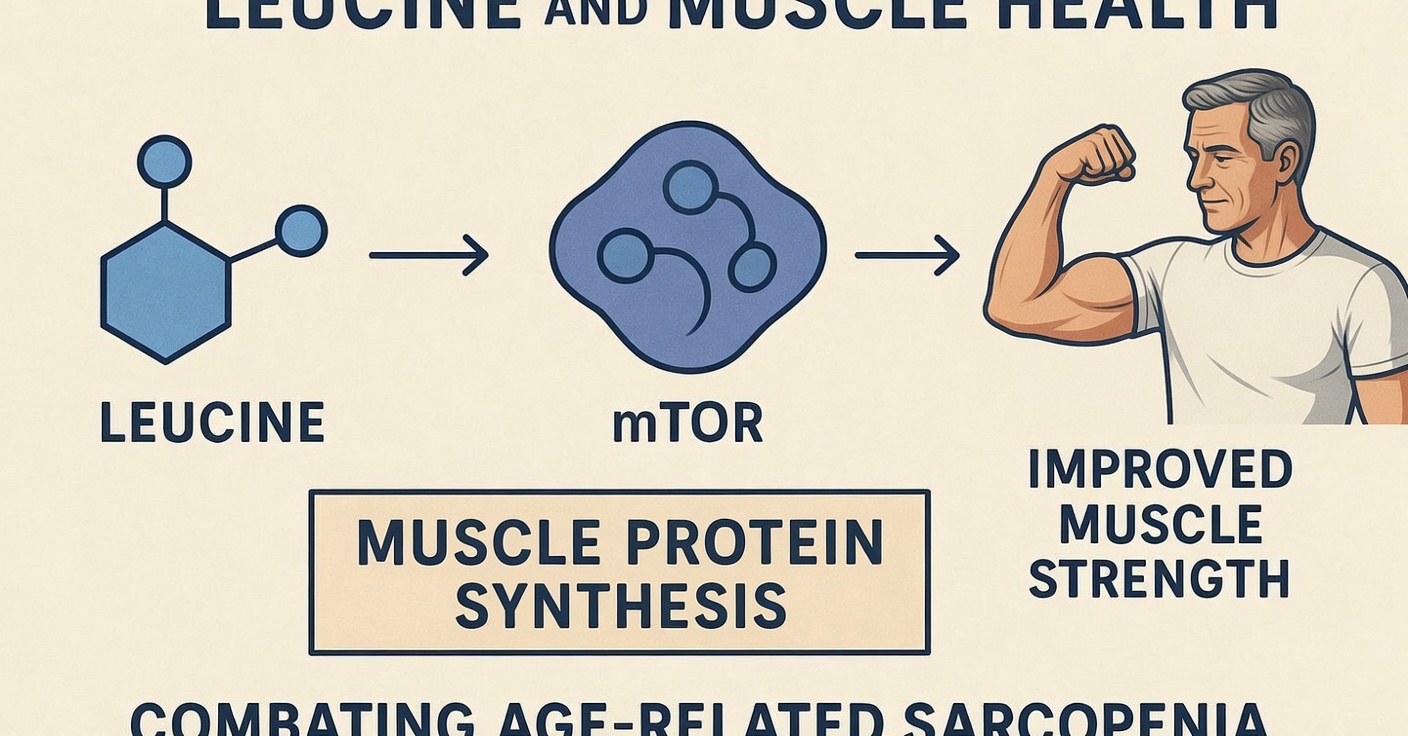
For many older adults, the best results come from eating 25–30 grams of protein per meal, with roughly 2.5–3 grams of leucine included in that serving. Leucine is an essential amino acid that helps “switch on” muscle protein synthesis, the process your body uses to rebuild and preserve muscle tissue.
This is why not all protein-rich foods perform the same. Some options contain more leucine per serving and may better support strength in later years.
Why These Options Can Beat Sardines for Muscle Support
Sardines are a nutritious food—rich in protein and omega-3 fats. However, compared with certain dairy-based proteins, sardines typically provide less leucine per serving. The foods below often offer:
- Higher leucine density
- Easy daily use (simple, fast, and versatile)
- Senior-friendly textures that many people tolerate well
1. Eggs: An Affordable, Flexible Protein Staple
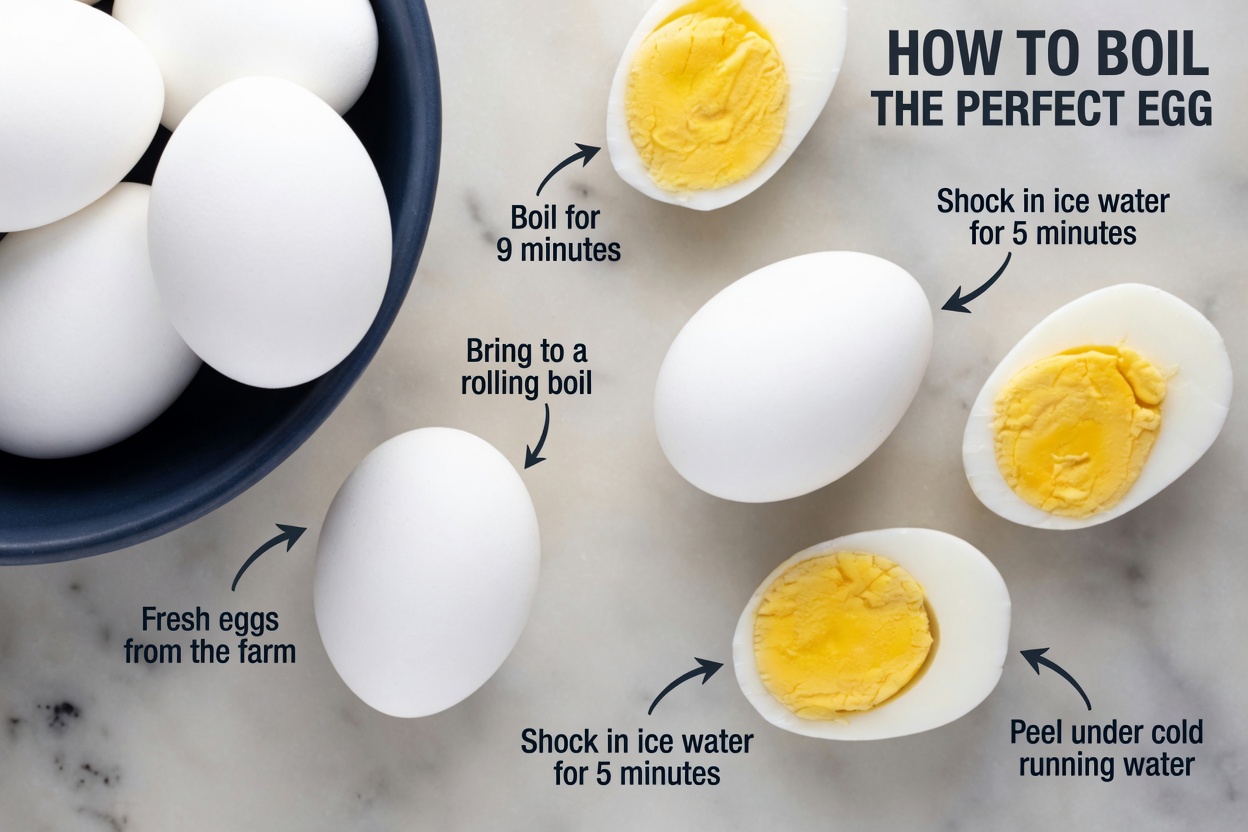
Among the most practical foods to maintain muscle after 60, eggs stand out for their convenience and nutrient profile. One large egg provides about 6 grams of complete protein and a meaningful amount of leucine to support muscle health.
Eggs also fit into nearly any meal: boiled, scrambled, poached, or turned into a quick omelet. Many older adults find them easy to digest and easy to pair with vegetables for balanced, satisfying meals.

2. Greek Yogurt: High-Protein, Easy to Eat, and Very Filling
Plain Greek yogurt is a top choice for daily strength support. A typical cup delivers about 18–22 grams of protein and strong leucine content, making it a smart option for muscle maintenance after 60.
Dairy proteins have been widely studied for their ability to support muscle protein synthesis in older adults. Greek yogurt is also easy to personalize—try it with berries, chopped nuts, or seeds to add fiber and healthy fats. Many people notice they stay full longer and feel more energized when it becomes a regular part of their routine.

3. Cottage Cheese: One of the Best High-Leucine Choices
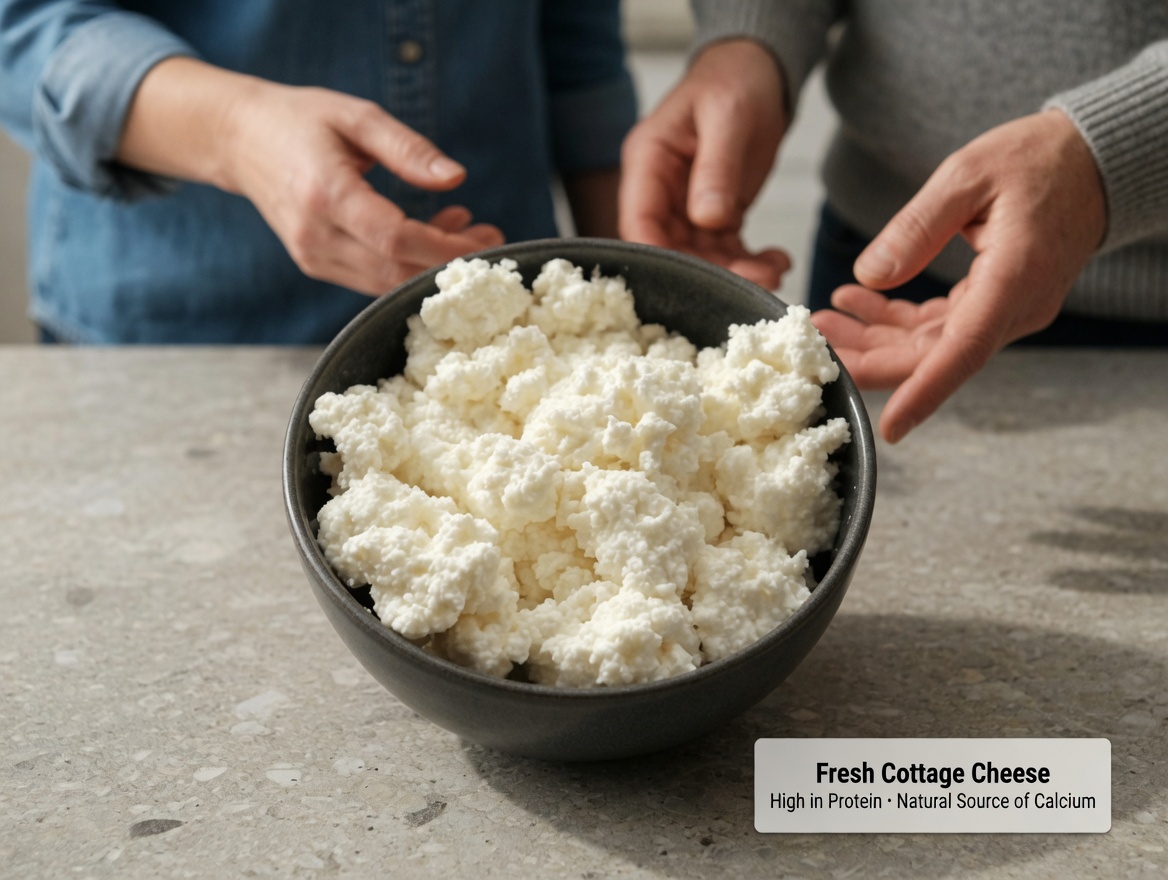
Cottage cheese is a high-volume, senior-friendly food with a mild taste and soft texture. One cup can provide around 25 grams of protein, along with some of the highest leucine levels among common everyday foods.
Regular intake of leucine-rich dairy options like cottage cheese is often associated with better preservation of lean mass when paired with consistent overall nutrition. It works well as a snack, mixed with fruit, added to salads, or eaten on its own.
Simple Ways to Add These Foods to Maintain Muscle After 60
Use these easy meal ideas to increase protein intake consistently:
- Breakfast: Greek yogurt parfait with berries and a sprinkle of seeds
- Lunch: Scrambled eggs with spinach and tomatoes
- Snack: Cottage cheese topped with pineapple chunks
- Dinner: Slice hard-boiled eggs into a salad
What matters most is consistency. You don’t need perfect meals—just repeatable habits.
Lifestyle Tips That Improve Results
Protein works even better when paired with gentle, regular activity. Consider:
- Light daily movement such as walking
- Simple strength work like resistance bands or bodyweight exercises
- Spreading protein across meals instead of eating most of it in one sitting
Also prioritize hydration and sleep, since both affect how effectively your body uses nutrients and recovers.
Important Precautions Before Increasing Protein
Check with your doctor before making major diet changes—especially if you have:
- Kidney-related medical concerns
- Dairy intolerance or sensitivities
When choosing these foods, look for plain, unsweetened products (especially yogurt) and lower-sodium options when possible. If you notice digestive discomfort or other symptoms, stop and get professional guidance.
Final Takeaway: Best Foods to Maintain Muscle After 60
Making eggs, Greek yogurt, and cottage cheese regular staples is a simple, realistic way to increase high-quality protein and leucine—two essentials for maintaining muscle after 60. Results take time, but many older adults feel more steady, capable, and energized when they prioritize these nutrient-dense foods.
Start with one extra serving today, then build from there.
Frequently Asked Questions
How much protein do I need daily to maintain muscle after 60?
Many experts recommend about 1.0–1.6 grams of protein per kilogram of body weight per day, ideally divided across meals to support muscle protein synthesis.
Can I eat eggs and cottage cheese every day?
For most healthy older adults, yes—these can be daily staples. Still, variety is beneficial, and individual needs differ based on health status and overall diet.
Are these foods safe if I have high cholesterol?
Many people do well with eggs and low-fat dairy, but cholesterol needs vary. It’s best to discuss your personal numbers and risk factors with your healthcare provider before making major changes.