
Stabilizing Blood Sugar Naturally: How Red Onions May Help Ease Energy Crashes
Living with unpredictable blood sugar can feel like a constant tug-of-war—sudden fatigue, intense cravings that sabotage concentration, and lingering worry about long-term burnout. When levels swing after meals or first thing in the morning, daily life can become draining fast.
One surprisingly simple, food-based option many people are exploring is the red onion. This everyday kitchen staple contains naturally occurring compounds that may offer gentle support as part of a broader blood sugar-friendly routine. Even better, there’s an easy overnight red onion water recipe that takes minutes to prep and fits smoothly into a morning schedule.

Why Blood Sugar Swings Feel Exhausting—and Where Red Onions Fit In
Blood sugar “ups and downs” are more than a minor inconvenience. They can lead to:
- Mid-morning crashes that make work and errands feel harder than they should
- Frustration and irritability when energy drops at the worst times
- Stress around meals due to fear of post-meal spikes
Red onions stand out because they’re rich in quercetin and sulfur-containing compounds—nutrients that researchers have been investigating for their potential roles in glucose regulation and metabolic health.
Unlike many trendy “miracle” ingredients, red onions are also easy to use consistently—an important factor when trying to support steadier energy and more predictable daily patterns.

What Research Suggests About Red Onions and Blood Sugar Support
Early research—including animal studies and small human trials—indicates that compounds in red onions may influence:
- How the body breaks down carbohydrates
- Insulin-related processes
- Oxidative stress markers (which may affect metabolic function over time)
One preliminary human study observed that around 100 grams of fresh red onion was associated with noticeable changes in fasting glucose several hours later in individuals with type 2 diabetes—when used alongside standard care.
It’s important to keep expectations realistic: the evidence points to supportive, modest effects, not overnight transformation. People who benefit most tend to do so through regular intake over time, paired with balanced meals and overall lifestyle consistency.
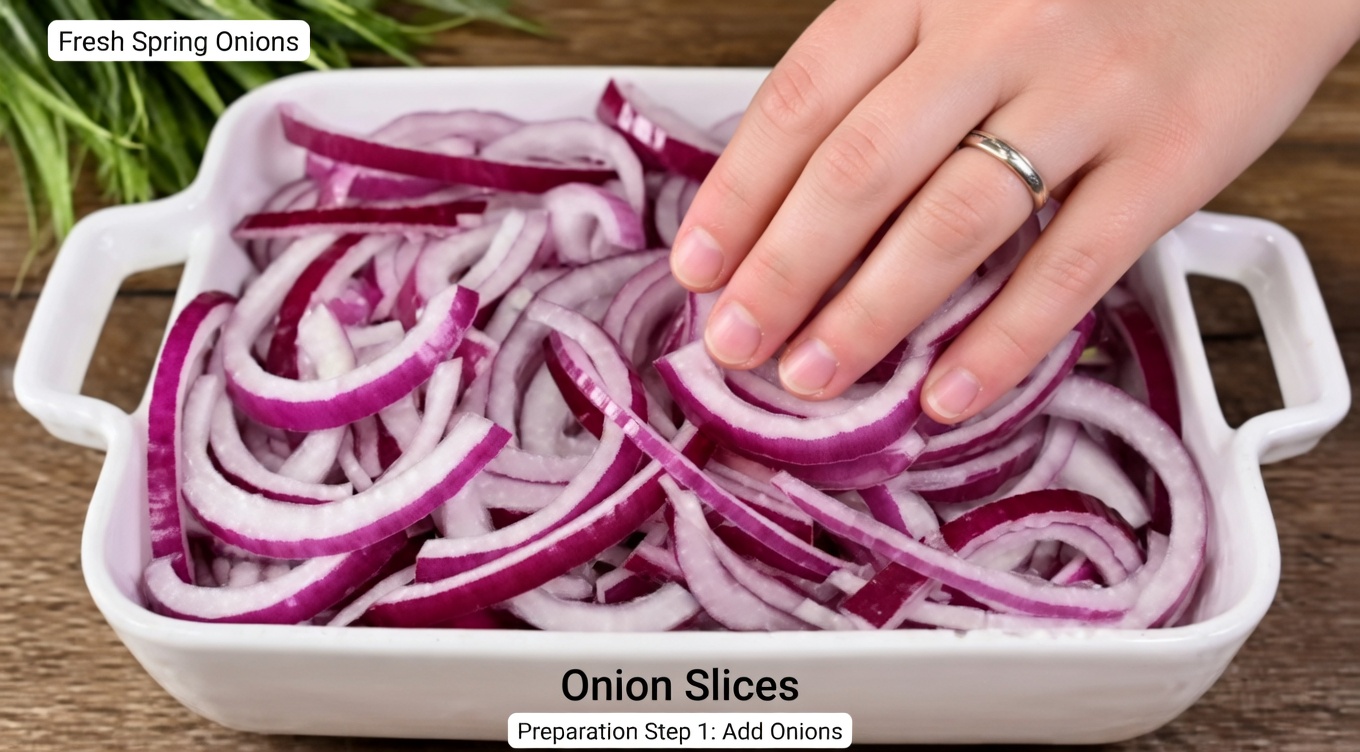
Real-Life Experiences: Simple Ways People Use Red Onions Daily
Many people prefer strategies that feel practical, not disruptive. Here are two relatable examples of how red onions can fit into everyday life:
- Robert (57, prediabetes): He used to struggle with afternoon brain fog—especially on long drives. After adding sliced red onion to lunch salads, he noticed more stable post-lunch energy and improved focus.
- Elena (64, type 2 diabetes): Looking for gentle food-based habits to complement her doctor’s plan, she began making red onions part of her evening routine. Over time, she reported more even energy and easier mornings.
These stories aren’t medical proof—but they highlight why many people like red onions: they’re low-effort, familiar, and easy to repeat.

Common Concerns: Are Red Onions Safe and Practical?
A few reasonable questions come up often:
-
Will raw red onions upset my stomach?
For most adults, red onions are safe in normal food amounts. However, raw onion can trigger heartburn or digestive discomfort in sensitive individuals. -
Could red onions interact with medication?
If you use blood thinners or glucose-lowering medication, start cautiously and speak with your healthcare provider—especially to avoid unwanted drops in blood sugar.
Most importantly, red onions should be viewed as a supportive food, not a replacement for medical care, testing, or a clinician-approved treatment plan.
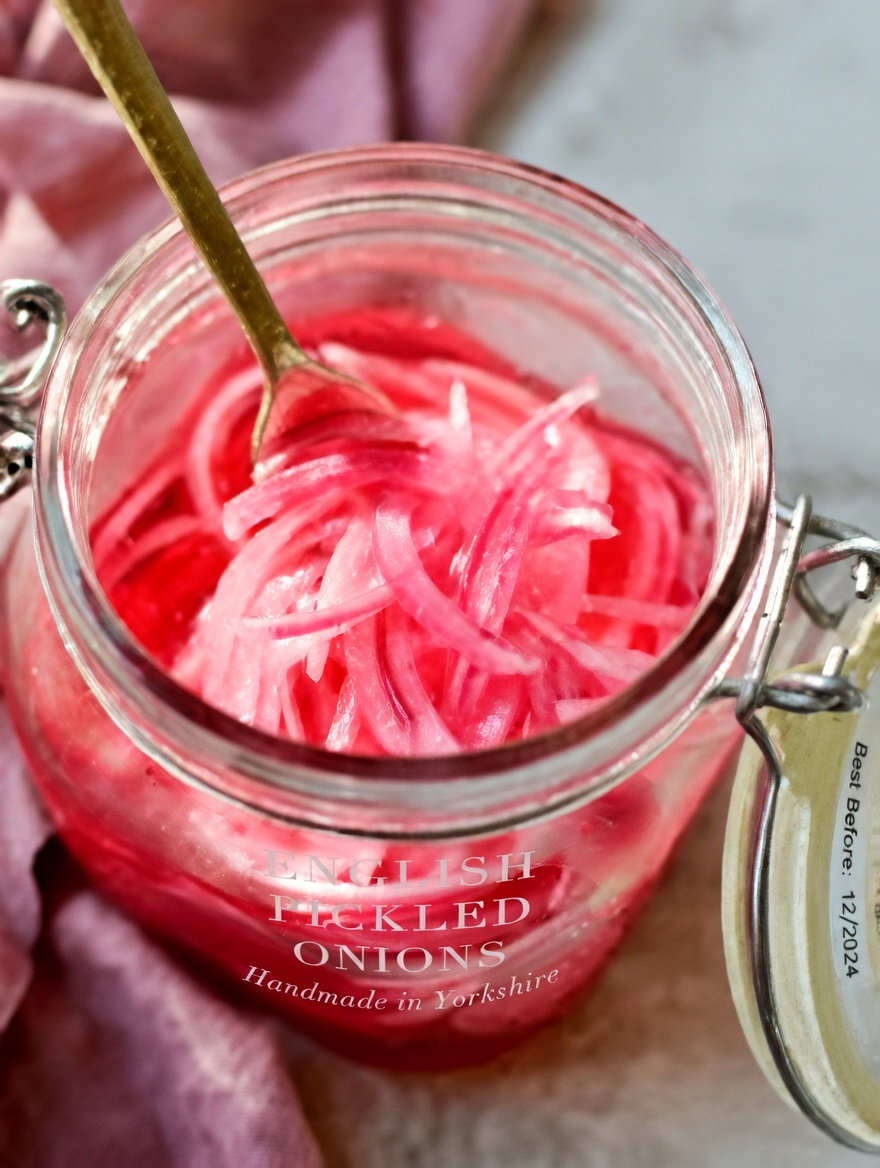
Easy Overnight Red Onion Water Recipe (Gentle, Morning-Friendly)
This overnight method creates a mild infusion that many find easy to drink. It’s designed for simplicity and consistency, not intensity.
Ingredients (Serves 1–2)
- 1 medium fresh red onion
- 2 cups filtered water
- Optional: a small cinnamon stick or a thin slice of fresh ginger (for taste and added warmth)
Step-by-Step Instructions
- Peel the red onion and slice thinly (rings or wedges both work).
- Place the slices into a clean glass jar or pitcher.
- Add filtered water, plus cinnamon or ginger if using.
- Cover and refrigerate for at least 8 hours (overnight).
- In the morning, strain the liquid.
- Drink on an empty stomach, starting with half a glass to assess tolerance.
- Prepare a fresh batch daily for best quality.
Optional additions many people enjoy:
- A squeeze of lemon for a brighter taste
- Drinking it alongside a balanced breakfast to support steadier mornings
Red Onion vs. Other Popular Blood Sugar Helpers (Quick Comparison)
- Red onion (whole food): quercetin + sulfur compounds; easy to add to meals; very low cost
- Cinnamon: polyphenols; studied for insulin response; convenient as tea or spice
- Apple cider vinegar: acetic acid; may slow carb digestion; must be diluted
- Berberine supplements: plant alkaloid; studied for enzyme-related effects; moderate cost and not for everyone
Red onions are especially appealing because they’re affordable, widely available, and simple to use consistently.
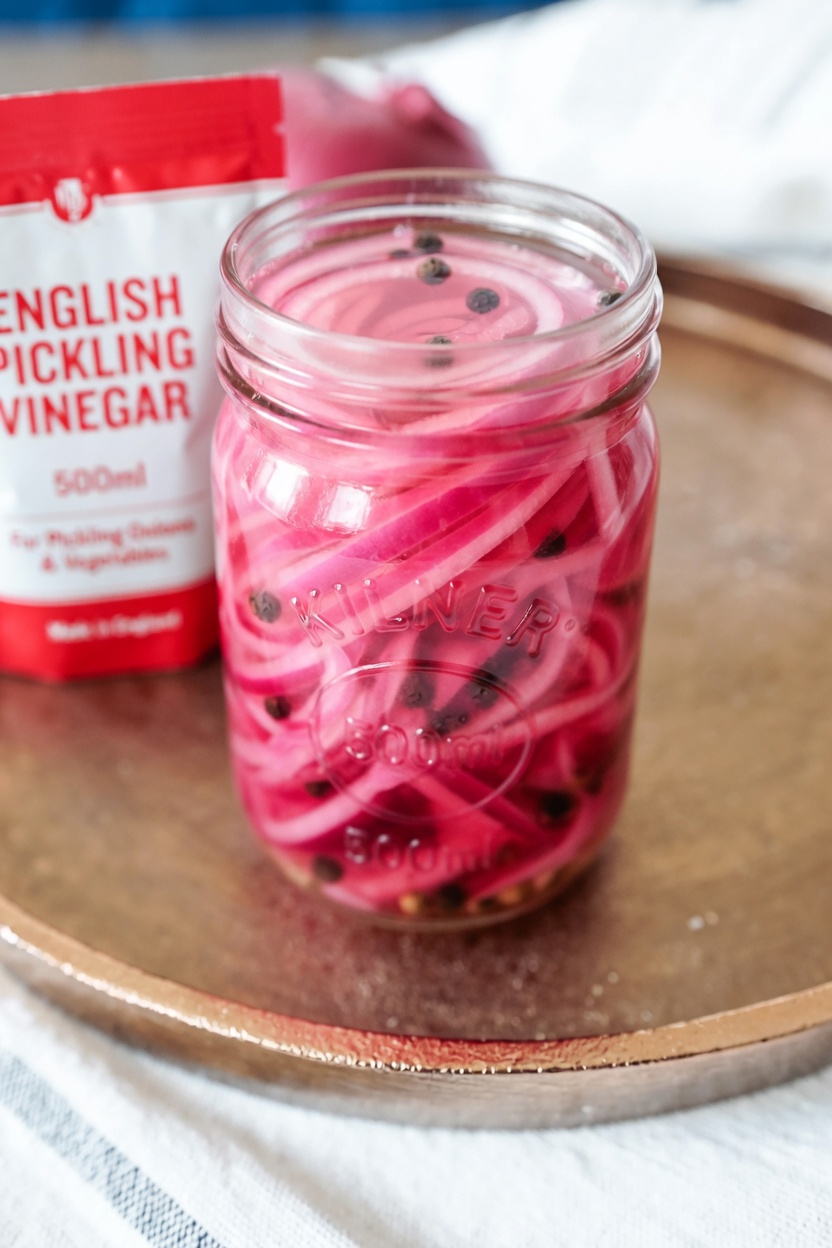
Practical Safety Tips for Adding Red Onions to Your Routine
To use red onions comfortably and responsibly:
- Start with small amounts to check for reflux or stomach sensitivity
- Use the infusion in the morning or with meals when steadier energy matters most
- Aim for consistency (daily or at least 4–5 times per week)
- Track your personal response for 2–4 weeks, especially if you monitor glucose
- Stay well-hydrated to support overall metabolic comfort
- Choose firm, vividly colored red onions for better freshness
If you notice unusual symptoms, stop and consult a healthcare professional.
Final Thoughts: A Simple Habit That May Support Better Balance
Red onions contain quercetin and naturally occurring sulfur compounds that research has linked to potential metabolic support. While results vary, many people find that regular intake—especially through an easy routine like overnight red onion water—helps them feel more in control of energy dips and post-meal uncertainty.
Whether you sip the infusion or simply add fresh slices to meals, red onions offer a low-cost, low-effort way to explore steadier daily rhythm—while continuing to follow your doctor’s guidance.
FAQ
1) How much red onion should I use each day?
A practical starting point is half a medium red onion (food use) or one serving of the infusion. Adjust based on tolerance and how you feel—steady habits usually matter more than large amounts.
2) Does cooking reduce the helpful compounds in red onions?
Gentle cooking can preserve many nutrients, but raw or infused red onion may retain higher quercetin levels. Both approaches can work well in a balanced routine.
3) Who should be extra cautious with red onions?
People with acid reflux, bleeding concerns, or those taking blood sugar-lowering medications should check with a clinician before significantly increasing red onion intake.