
Early Menopause: Recognize the Signs and Regain Control
A sudden surge of heat in the middle of an important meeting can be unsettling—your face flushes, perspiration appears, and you’re left wondering why everyone else seems fine. For many women, early menopause symptoms show up like this: unexpectedly, publicly, and with a mix of embarrassment and worry. That uncertainty can quietly erode confidence and make everyday responsibilities feel heavier than they used to.
The reality is that millions of women experience early menopause before age 45, and learning to recognize the signs of early menopause can replace confusion with clarity. Below are the 10 most common early menopause signs, along with practical next steps to help you navigate this transition with more ease.
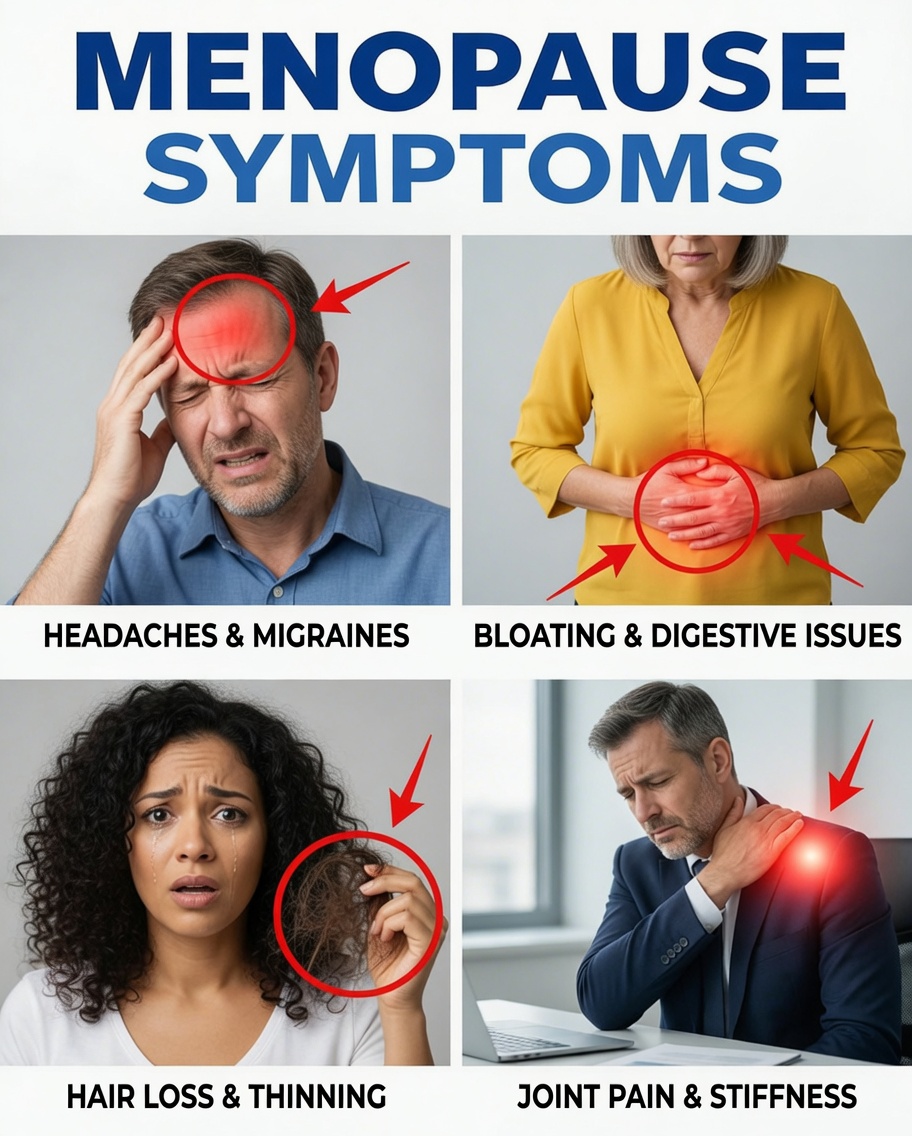
Why Identifying Early Menopause Symptoms Matters
Early menopause involves hormonal shifts that arrive sooner than expected, affecting far more than just your menstrual cycle. Many women feel blindsided—still feeling young and capable, yet noticing changes in mood, sleep, energy, and intimacy that don’t match how they see themselves.
Catching the symptoms of early menopause early can help you:
- Understand what your body is doing (and why)
- Track patterns more accurately
- Have a clearer, more productive conversation with a clinician
- Reduce stress by replacing uncertainty with a plan
Imagine waking at 42 after another disrupted night—sheets damp, mind tired, day already starting in deficit. The emotional weight of early menopause is real. The most useful turning point often comes when you can name what’s happening.
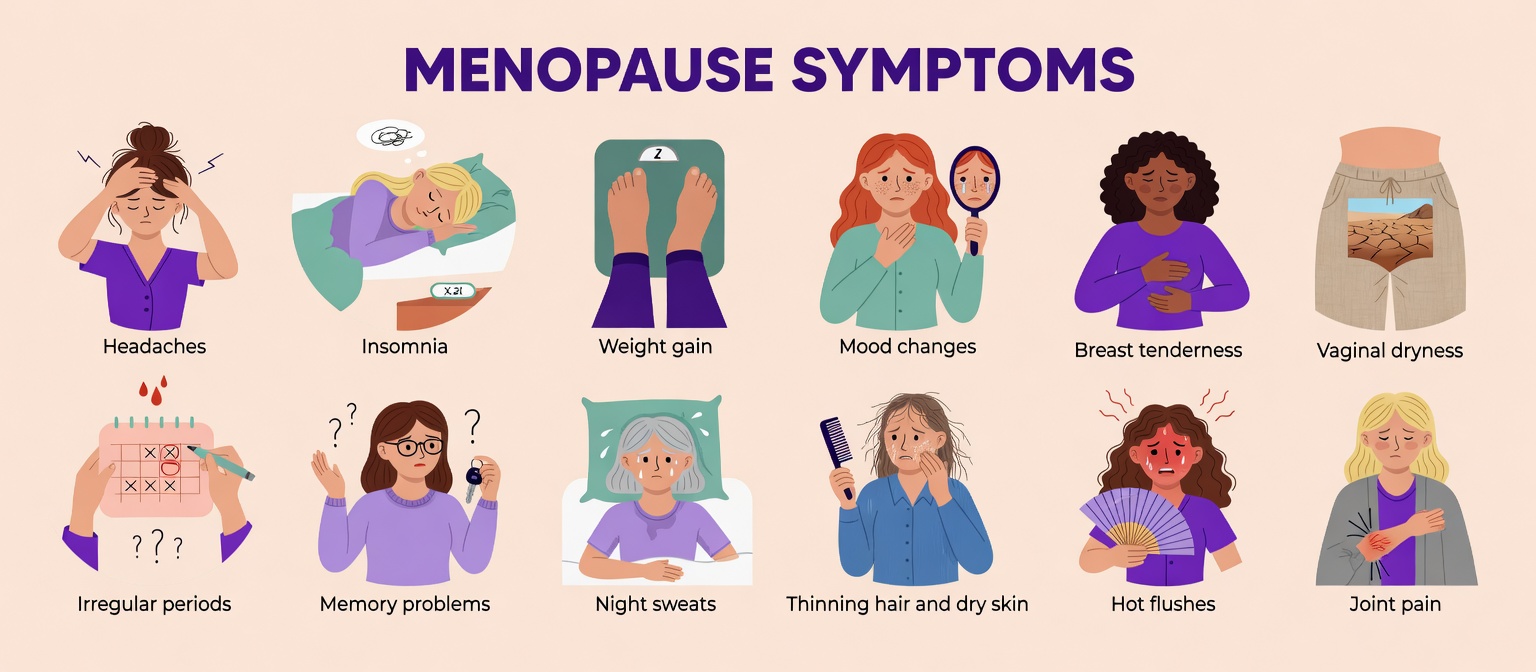
The 10 Key Signs of Early Menopause (Before Age 45)
10. Irregular Periods (Often the First Noticeable Clue)
A previously predictable cycle may suddenly become inconsistent—shorter, longer, heavier, lighter, or skipped altogether. These menstrual changes can disrupt work, travel, exercise routines, and intimacy, especially when you feel unprepared month to month.
Hormone fluctuations are a common driver of this pattern, and for many women, irregular periods are the earliest clear sign that something has shifted.
9. Hot Flashes
Hot flashes can feel like a rapid internal heat wave that starts in the chest or face and spreads quickly. Clothing may suddenly feel unbearable, your skin may redden, and concentration can vanish in seconds—particularly in social or professional settings.
Many women report hot flashes during early menopause, and they’re commonly linked with changing estrogen levels.
8. Night Sweats
Night sweats are essentially hot flashes that strike during sleep. You may wake up soaked, chilled a moment later, and unable to fall back into restorative rest. Over time, repeated sleep disruption can lead to daytime fatigue, irritability, and reduced performance at work or home.
This symptom is widely reported in early menopause and is a major reason women feel exhausted even when they “technically” spent enough hours in bed.
7. Mood Swings and Increased Irritability
If you find yourself snapping at small things, feeling unexpectedly tearful, or experiencing anxiety that feels out of character, you’re not alone. Hormonal shifts may influence brain chemistry, which can amplify emotional reactivity during early menopause.
These mood changes can strain relationships and self-esteem—especially when you don’t yet realize they may be part of a broader hormonal transition.
6. Vaginal Dryness
Lower estrogen can reduce natural lubrication and thin vaginal tissues, leading to dryness, irritation, or discomfort during daily life and intimacy. Many women stay silent about this symptom, yet it can significantly affect confidence and closeness.
Because it often develops gradually, vaginal dryness may be overlooked or attributed to stress—when it may actually be a key sign of early menopause.
5. Sleep Disturbances (Even Without Night Sweats)
Some women struggle to fall asleep, wake repeatedly, or feel that sleep is lighter and less restorative—even on nights without sweating. Hormonal changes can disrupt normal sleep patterns and contribute to daytime “brain fog.”
Persistent sleep problems are one of the most draining early menopause symptoms because they compound nearly every other challenge.

4. Ongoing Fatigue
This isn’t the kind of tiredness a strong coffee fixes. Many women describe a deep, persistent fatigue that makes routines harder and motivation lower. Metabolic and hormonal changes may play a role, and the effect often builds when sleep becomes inconsistent.
When fatigue becomes constant, it can affect productivity, workouts, and the quality of time spent with family and friends.
3. Brain Fog and Memory Lapses
Forgetting words mid-sentence, misplacing everyday items, or struggling to stay mentally sharp can be both frustrating and worrying. Estrogen supports aspects of brain function, so a decline may contribute to cognitive shifts during early menopause.
Even mild brain fog can affect professional confidence—especially for women in high-responsibility roles.

2. Thinning Hair or Drier Skin
You may notice more hair shedding than usual, a change in hair texture, or skin that feels drier and less supple despite good skincare. Hormones influence collagen, hydration, and oil production, so these changes often appear gradually.
Visible changes can have an emotional impact, especially when they arrive alongside other early menopause symptoms.
1. Decreased Fertility
A noticeable decline in fertility can be one of the most meaningful signs of early menopause—even for women who are not actively trying to conceive. Earlier reduction in ovarian reserve can signal a fundamental reproductive shift.
For many, this symptom carries emotional weight and prompts reflection about family planning, timing, and long-term health.

Other Early Menopause Signs Worth Tracking
In addition to the ten primary signs above, some women also experience:
- Joint aches or stiffness
- Unexpected weight changes
- Urinary changes (urgency, frequency, or increased infections)
Risk factors can include family history, and some medical conditions (including certain autoimmune issues) may increase the likelihood of early menopause. The most helpful tool is often consistent tracking—because patterns over time are easier to evaluate than isolated “bad weeks.”
Quick Comparison: Common Signs of Early Menopause and Typical Triggers
| Sign of Early Menopause | Common Trigger or Driver |
|---|---|
| Irregular periods | Fluctuating reproductive hormones |
| Hot flashes | Shifts in estrogen and temperature regulation |
| Night sweats | Vasomotor symptoms disrupting sleep |
| Mood swings | Hormonal changes affecting brain chemistry |
| Vaginal dryness | Declining estrogen and thinning tissues |
| Sleep disturbances | Hormonal changes affecting sleep regulation |
| Fatigue | Sleep disruption + metabolic/hormonal shifts |
| Brain fog | Reduced estrogen support for cognitive function |
| Thinning hair / dry skin | Hormone-related changes in collagen and oil production |
| Decreased fertility | Earlier decline in ovarian reserve |
Simple Next Steps If You Suspect Early Menopause
- Track your symptoms for 4–8 weeks (cycle changes, sleep, hot flashes, mood, and triggers).
- Document what’s changing and how it affects daily life—specific examples help during appointments.
- Talk with a qualified healthcare professional to discuss your history, risk factors, and whether testing or additional evaluation makes sense.
- Prioritize basics that reduce symptom load: sleep routine, hydration, balanced meals, and stress management strategies that you can realistically maintain.
Recognizing the signs of early menopause doesn’t just explain what’s happening—it gives you a clearer path forward.